Leave Your Message
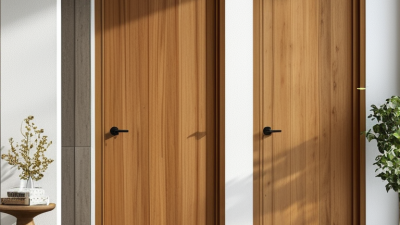
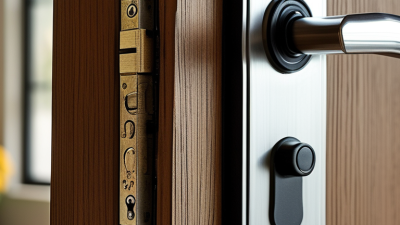
Choosing the right WPC Doors is about more than matching a finish to your hallway. The best choice should suit the room, the way your family uses it, and the conditions it will face. A bathroom door may need dependable moisture resistance, while a bedroom door may call for better privacy and a quieter latch. Small details matter. Look closely at the frame, edge finish, hinges, lock, and the feel of the door when it closes.
This guide uses an illustrative expert voice, not a real or independently verified quotation. Fictional WPC materials specialist Elena Park offers this reminder: “Choose a WPC door by its construction and intended use, not by appearance alone.” It is simple advice, but easy to overlook beside a polished sample. Check the product’s stated composition, dimensions, installation requirements, care instructions, and warranty. Ask the supplier what testing or documentation supports claims about water resistance, stability, and durability. If those details are vague, pause. A glossy surface does not tell the whole story.
We will explore how to compare core quality, surface finishes, door thickness, hardware, and supplier support. We will also consider budget without treating the lowest price as the best value. One caution: WPC products can vary between manufacturers, so no single description guarantees identical performance. Bring room measurements, inspect a sample in natural light, and confirm that the frame and fittings are included. Even then, selection involves trade-offs. That deserves a second look.
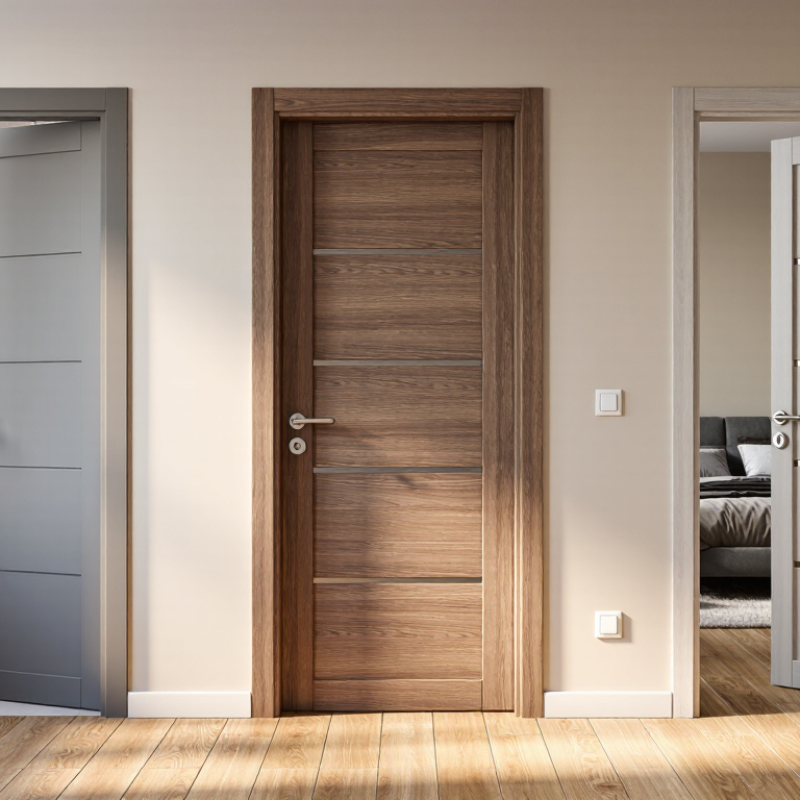
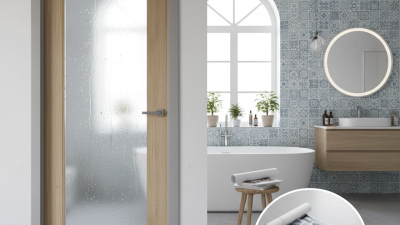
Before choosing a WPC door, decide where it will go and what it must do. A bathroom or laundry-room door needs to tolerate damp air and frequent cleaning. A bedroom door may matter more for privacy, noise control, and a quiet latch. Wet feet matter. Measure the opening, including wall thickness, and check swing direction, clearance, and frame condition. WPC products vary: moisture resistance does not mean every door is waterproof. Ask for the product’s test data and care instructions, especially for rooms with poor ventilation.
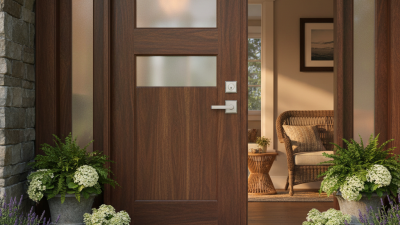
Exterior use demands a different checklist. Confirm that the complete door system—not just the slab—is rated for outdoor exposure, with suitable seals, threshold, hardware, and thermal performance. The U.S. Energy Information Administration’s 2020 Residential Energy Consumption Survey found that space heating accounted for about 42% of household energy use. That figure is not a door-savings estimate, but it shows why drafts around an entry deserve attention. Check the door’s documented air-leakage and insulation ratings, where available, and ensure the frame fits tightly. A small caveat: attractive surface finishes can hide weak edges or unsuitable cores, so inspect specifications before choosing by appearance alone.
| Intended Use | Typical Conditions | What to Look For | Practical Checks | Important Limit |
|---|---|---|---|---|
| Bathroom or shower-room interior | Frequent humidity, occasional splashes, and regular cleaning. | A door described by its manufacturer as suitable for wet or humid interiors; sealed edges and compatible corrosion-resistant hardware. | Check the product’s moisture-use guidance, installation details, and whether the frame and edges have the same suitability as the door leaf. | Moisture resistance does not automatically mean the door is waterproof or suitable for continuous water exposure. |
| Kitchen or laundry-room interior | Changing humidity, everyday use, and possible contact with cleaning products. | A durable surface that is easy to wipe clean, with suitable hinges and a finish compatible with household cleaning. | Ask which cleaners are approved and whether the door needs ventilation clearance or a specific installation gap. | Do not assume every decorative coating has the same resistance to heat, stains, or chemicals. |
| Bedroom, living room, or hallway | Generally dry indoor conditions with frequent opening and closing. | Appropriate dimensions, a finish that suits the room, and hardware rated for the expected frequency of use. | Confirm the opening direction, frame compatibility, latch type, and whether sound-control performance is documented if it matters. | Sound insulation depends on the complete door assembly, including seals, frame, and installation—not just the door material. |
| Utility or storage room | Everyday household traffic; conditions may include dust, equipment, or occasional temperature changes. | A robust surface, suitable locking or latching hardware, and a size that allows equipment to pass through. | Measure the clear opening and check whether the door can be trimmed or drilled without affecting its construction or warranty. | Permitted trimming and hardware preparation vary by product; follow the manufacturer’s instructions. |
| Covered porch or sheltered exterior opening | Potential exposure to damp air, wind-driven rain, sunlight, and temperature variation. | Use only a door specifically rated for the intended exterior exposure, with suitable UV, weather, frame, seal, and hardware provisions. | Request written exterior-use guidance and check applicable local requirements for security, weather sealing, and fire performance. | A product intended for interior use should not be assumed suitable for an exterior opening, even if it resists moisture. |
| High-traffic family area | Repeated use, occasional impacts, and routine cleaning. | A construction and surface finish intended for the expected traffic level; hinges and latches should match the door’s weight and use. | Review available durability information, warranty conditions, and the recommended cleaning method. | Appearance and impact resistance vary among WPC formulations and surface finishes; compare product-specific documentation. |