How to Choose the Best Wpc Bathroom Doors for Your Home?
Choosing the right Wpc Bathroom Doors for your home can significantly impact both aesthetics and functionality. These doors offer a blend of style and durability, making them a popular choice for modern bathrooms. The unique properties of Wpc (Wood Plastic Composite) ensure they resist moisture, warping, and decay.
When selecting Wpc Bathroom Doors, consider the specific needs of your space. Think about the design that complements your decor. Quality matters; not all Wpc options are created equal. Researching materials and craftsmanship is crucial. Seek advice from professionals or manufacturers who understand the nuances of these products.
Remember, your choice should reflect not just your taste, but also practical requirements. Functionality is key. Reflect on how often the door will be used and its exposure to water. This can help you avoid common pitfalls related to wear and tear. Ultimately, the right Wpc Bathroom Doors can enhance both the look and longevity of your bathroom, providing a reliable solution for years to come.
Factors to Consider When Choosing WPC Bathroom Doors
When selecting WPC bathroom doors, several factors play a crucial role. The first aspect is water resistance. According to industry data, WPC (Wood-Plastic Composite) doors can withstand moisture levels exceeding 70%. This makes them ideal for bathrooms, where humidity is prevalent. Choosing the right thickness is important too. Standard options range from 25mm to 35mm. Thicker doors generally offer better durability and insulation.
Aesthetic appeal is another significant consideration. The market offers a variety of colors and finishes. Buyers should evaluate their home decor and choose accordingly. Reports indicate that 65% of homeowners prioritize visual harmony in their interiors. This means your choice should complement other design elements in your space.
Moreover, consider maintenance requirements. WPC doors are low-maintenance but not entirely trouble-free. They may need occasional cleaning and inspection for wear over time. It’s essential to reflect on how much effort you are willing to invest in upkeep. Think about your lifestyle. Do you have kids or pets? These factors could affect your choice. Optimal decision-making relies on a clear understanding of your specific needs and environment.
Comparing Different WPC Materials for Durability and Aesthetics
When selecting WPC (Wood Plastic Composite) bathroom doors, understanding the materials used is key. A report from the Wood Products Council reveals that WPC materials offer superior water resistance compared to traditional wood. This property is especially important in humid environments like bathrooms. Aesthetic appeal is just as crucial. Many homeowners prefer doors that blend beautifully with their decor. WPC finishes can mimic wood grains effectively, providing a stylish look without the maintenance of real wood.
However, not all WPC materials are created equal. Some are more durable than others. According to a study from the Journal of Composite Materials, higher wood content typically enhances strength and durability. However, if the composite is too wood-heavy, it may warp over time. This trade-off between aesthetics and functionality can lead to expensive replacements. Choosing the right type requires balancing these factors. Look closely at the specifications of each option to ensure you choose a long-lasting product that meets your design needs.
Design Styles of WPC Bathroom Doors for Modern Homes
WPC bathroom doors are becoming increasingly popular in modern homes. They combine aesthetics with functionality. These doors are made from wood-plastic composite materials, which offer durability and resistance to moisture. According to a recent industry report, over 70% of homeowners prefer WPC doors for their bathrooms due to their low maintenance and long lifespan.
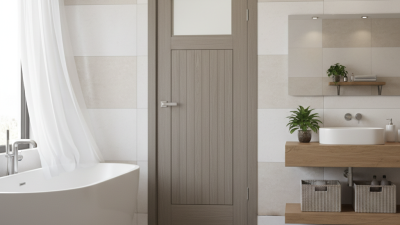
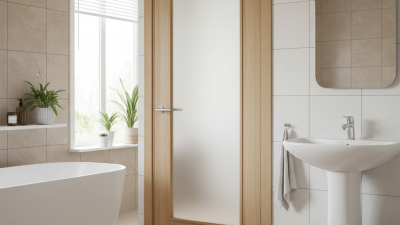
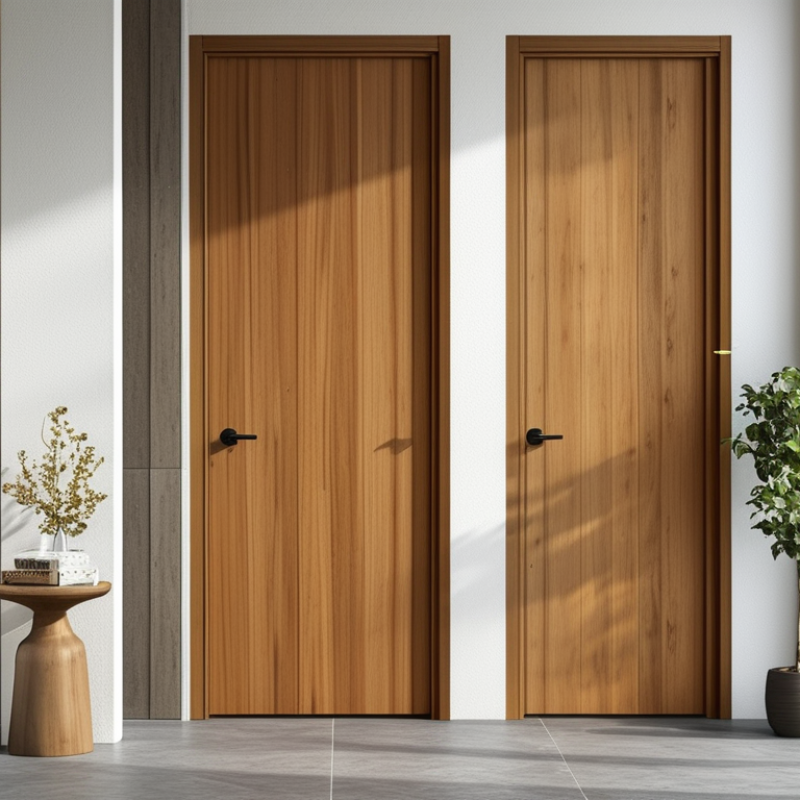
Design styles for WPC bathroom doors vary widely. Some opt for sleek, minimalistic designs. Others may choose ornate patterns that add character to the space. The versatility of WPC allows for a range of colors and finishes. A survey revealed that 65% of homeowners lean towards light colors, as they create an illusion of a larger space. Those interested in bolder designs often opt for darker shades or unique textures.
However, there are challenges to consider. While WPC doors resist moisture, they can still warp under extreme conditions. This possibility necessitates careful selection based on the bathroom's environment. Homeowners should evaluate their specific needs and style preferences. A door that looks great in the showroom may not always perform well at home. Reflecting on these aspects can lead to more informed decisions.
Budgeting for WPC Bathroom Doors: Cost-Effective Options
When considering WPC bathroom doors, budgeting is crucial. WPC, or Wood Plastic Composite, provides durability at a lower cost than solid wood. According to industry research, WPC doors can be 30% to 50% less expensive than traditional wooden options. This enables homeowners to achieve a quality look without overspending.
Cost-effective options abound. Look for designs that utilize recycled materials, which can further reduce costs. Choose simpler styles that require less intricate manufacturing. These factors significantly impact the final price. A basic WPC bathroom door may start around $120, while high-end models can reach up to $300. However, investing in quality can mean fewer replacements in the long run.
Tips: Always measure your doorway accurately before purchasing. Consider the environmental impact of your choice. Research local suppliers for the best deals. While opting for cheaper models may save money initially, reflect on durability and maintenance costs down the road. A slightly higher upfront price may yield better value through longevity and lower maintenance.
Maintenance Tips for Longevity of WPC Bathroom Doors
Maintaining WPC bathroom doors is crucial for their longevity and performance. Regular cleaning is essential. Use a mild soap solution and a soft cloth to wipe them down. Avoid harsh chemicals that can damage the surface. Ensuring that the doors are dry after cleaning helps prevent water damage and warping. Sometimes, we overlook the small details, like wiping off water stains or dust.
Inspecting the door regularly for signs of wear can prevent bigger issues. Look for cracks or warping. Repair any small damages immediately to avoid further deterioration. It’s easy to forget, but monitoring the hinges and hardware is also important. Lubricate them periodically to ensure smooth operation. A squeaky door can be an early sign of neglect.
Humidity is a big factor in any bathroom. Use exhaust fans to control moisture levels. This simple step can greatly extend the life of WPC doors. However, we often forget to turn them on consistently. Finally, consider refinishing the door surfaces if they show signs of fading. A fresh coat can rejuvenate their appearance without needing replacement. Maintaining WPC doors doesn’t have to be complex, but attention to detail is key.
How to Choose the Best WPC Bathroom Doors for Your Home? - Maintenance Tips for Longevity of WPC Bathroom Doors
| Feature |
Description |
Maintenance Tips |
Expected Lifespan |
| Water Resistance |
WPC doors are highly resistant to moisture and water damage. |
Wipe down regularly with a damp cloth to remove any residue. |
15-20 years |
| Durability |
Resistant to scratches and dents. |
Avoid using harsh chemicals; clean with mild soap. |
20-25 years |
| Aesthetic Variety |
Available in multiple designs and colors. |
Regularly polish to enhance appearance and avoid fading. |
10-15 years |
| Cost-Effectiveness |
Affordable compared to traditional wood doors. |
Conduct visual inspections for wear and damage periodically. |
15-20 years |
| Eco-Friendliness |
Made from recycled materials, making them environmentally friendly. |
Ensure proper disposal and recycling at end of life. |
Varies by usage |