What is Wpc Bathroom Doors and Their Benefits for Buyers?
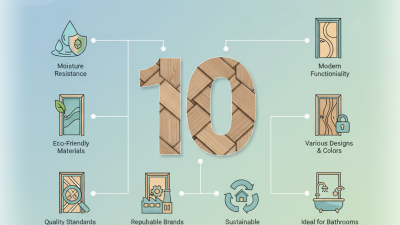
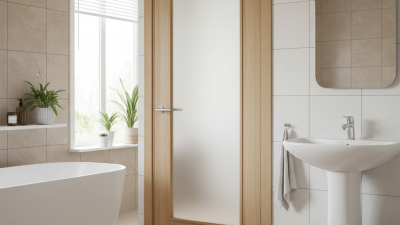
WPC bathroom doors have become increasingly popular among homeowners. These doors are made from a unique wood-plastic composite material. They combine the natural appeal of wood with the durability of plastic. This fusion results in a product that is resistant to moisture and warping, making it ideal for humid bathroom environments.
One of the standout benefits of WPC bathroom doors is their easy maintenance. Unlike traditional wooden doors, they don’t require frequent painting or sealing. A simple wipe with a damp cloth suffices for cleaning. Additionally, their antimicrobial properties can help in maintaining hygiene in bathrooms. However, buyers should consider the aesthetic aspect. Not all WPC doors mimic the beauty of wood convincingly.
Affordability is another attractive feature for many buyers. WPC bathroom doors offer a balance between cost and quality. Yet, potential buyers must weigh the longevity against traditional materials. While they are durable, they may not match the lifespan of solid wood doors. Thus, it is essential to reflect on personal needs and preferences when choosing WPC bathroom doors.
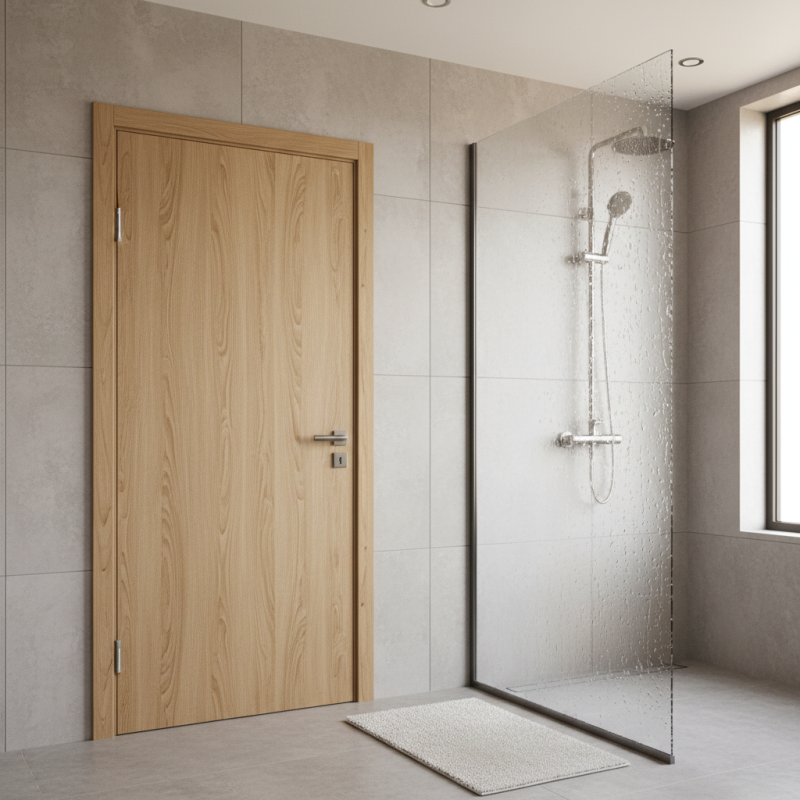
What are WPC Bathroom Doors?
WPC bathroom doors are gaining traction in modern homes. These doors are made from wood-plastic composites, which combine wood fibers with plastic. This fusion creates a durable and aesthetically pleasing product. According to a recent market report, the demand for composite materials in construction is expected to grow by 6% annually.
One notable advantage of WPC doors is their resistance to moisture and humidity. Unlike traditional wooden doors, they do not warp or swell when exposed to water. This feature is especially valuable in bathroom environments where humidity levels can fluctuate significantly. Moreover, WPC doors require minimal maintenance, saving homeowners time and effort.
However, some buyers may hesitate due to the initial cost. WPC doors can be more expensive than standard wooden options. This price difference might lead to reflection on long-term savings through durability and maintenance reduction. Investing in WPC could mean fewer replacements over time. Data suggests that homeowners can save up to 30% in maintenance costs with these doors compared to traditional wooden ones. Thus, while the upfront cost may be higher, WPC doors may prove to be a wise investment in the long run.
Key Features of WPC Bathroom Doors
WPC bathroom doors are an innovative choice for modern homes. These doors are made from Wood Plastic Composite. They combine wood fibers with plastic polymers. This unique blend creates a sturdy, water-resistant material. WPC doors are ideal for moisture-prone areas like bathrooms. Their ability to resist warping is a significant advantage.
One key feature is their aesthetic appeal. WPC doors can mimic the look of natural wood, giving a warm touch to any bathroom design while providing durability. The customization options are vast. Buyers can choose colors and finishes that match their decor. Another benefit is the low maintenance requirement. Unlike traditional wood, WPC doors do not need regular painting or sealing. This can save homeowners time and effort.
However, it is essential to consider quality. Not all WPC doors are manufactured equally. Some may not deliver on promises of durability or waterproofing. Buyers should research before purchasing. Seeking reviews and expert opinions can help avoid poor choices. Thoughtful selection leads to better outcomes for bathroom renovations.
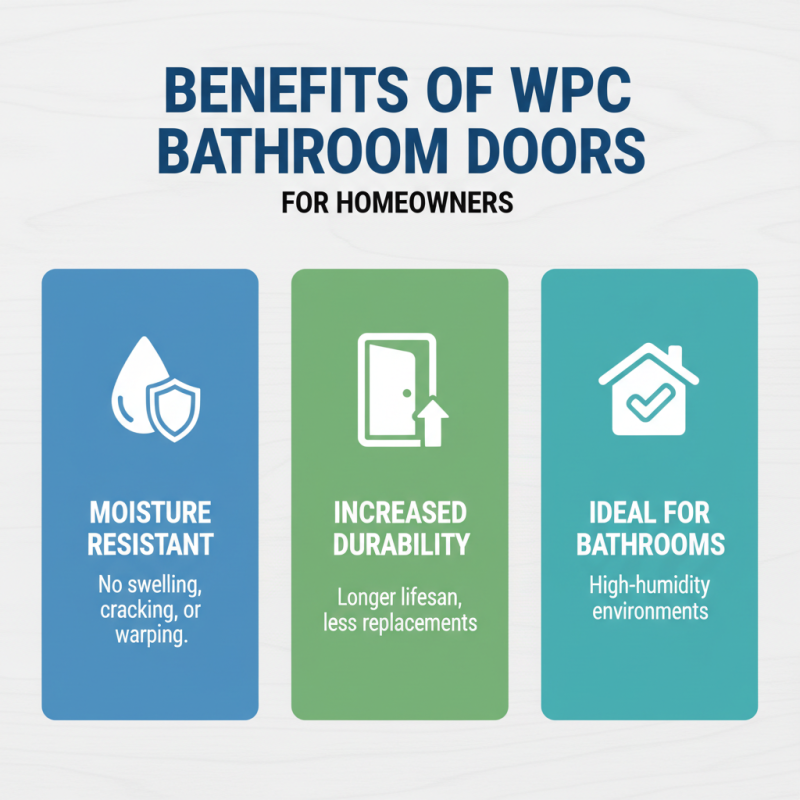
Benefits of WPC Bathroom Doors for Homeowners
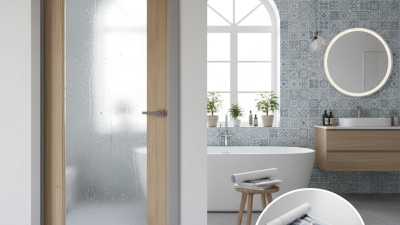
WPC bathroom doors, made from wood-plastic composite, offer several advantages for homeowners. One of the primary benefits is their resistance to moisture. Unlike traditional wood, WPC doors do not swell, crack, or warp when exposed to humidity. This makes them especially suitable for bathrooms, where moisture levels can be high. Their durability extends the lifespan of the doors, reducing the need for frequent replacements.
Additionally, WPC doors are low maintenance. Homeowners can easily clean them with a damp cloth. They don't require painting or sealing, saving both time and costs. Their aesthetic appeal is also noteworthy; they come in various colors and designs to match different decor styles. However, it’s important for buyers to ensure the quality of WPC they choose. Some options may not provide the same level of durability. Careful selection prevents future issues.
Energy efficiency is another aspect worth mentioning. WPC doors provide good insulation, helping maintain indoor temperature. This can lead to energy savings over time. However, some might find them heavier than traditional doors, which can be a concern during installation. Evaluating these factors carefully will help homeowners make a well-informed decision.
Comparative Analysis: WPC vs. Traditional Bathroom Doors
WPC bathroom doors, made from wood-plastic composite, offer notable advantages over traditional doors. These doors are resistant to moisture, making them ideal for humid bathroom environments. Unlike wood, WPC does not warp or swell, providing longevity. Homeowners value durability, and WPC doors stand up well against daily wear and tear.
Traditional bathroom doors, typically crafted from solid wood or MDF, may require ongoing maintenance. They often need sanding and repainting to keep them looking fresh. Moreover, their susceptibility to water damage can lead to costly repairs. This vulnerability can raise concerns for buyers looking for low-maintenance options. WPC bathroom doors provide a reliable alternative, reducing the need for frequent upkeep.
While WPC doors come with many benefits, there may also be a perception that they lack the aesthetic appeal of solid wood. Some people find the texture and finish of wood more inviting. Buyers must weigh factors like style, functionality, and price. A well-informed choice can lead to a satisfying bathroom upgrade that marries practicality with appearance.
What is WPC Bathroom Doors and Their Benefits for Buyers? - Comparative Analysis: WPC vs. Traditional Bathroom Doors
| Feature |
WPC Bathroom Doors |
Traditional Bathroom Doors |
| Material Composition |
Wood-Plastic Composite |
Solid Wood or Plywood |
| Water Resistance |
High |
Low to Moderate |
| Eco-Friendliness |
Yes |
Depends on Source |
| Weight |
Lightweight |
Heavy |
| Durability |
High |
Moderate |
| Installation |
Easy |
Complex |
| Cost |
Affordable |
Expensive |
| Design Variety |
High |
Limited |
Installation and Maintenance Tips for WPC Bathroom Doors
WPC bathroom doors are gaining popularity due to their unique blend of aesthetic appeal and practicality. Their installation process can be straightforward but requires attention to detail. Start by measuring the doorway accurately. The door should fit snugly without excess gaps. Use a level during the installation to ensure proper alignment. This step is crucial; misalignment can lead to issues down the line.
Maintenance is key to keeping WPC doors in great shape. Regular cleaning with a damp cloth is usually enough. Avoid harsh chemicals that can damage the surface. Check for any signs of warping or water damage. Minor issues can be repaired quickly, but don’t ignore them. A small fix today can prevent larger problems later. It's vital to reflect on the choice of materials used in your bathroom setup. While WPC is durable, surrounding factors like humidity and moisture must be managed. Proper ventilation in the bathroom plays a significant role.
Choosing WPC bathroom doors is a step towards enhancing your space. However, the process doesn't end with installation. Staying proactive in your maintenance routine will pay off, making sure your investment lasts. Recognizing the potential drawbacks and addressing them early can help maintain the beauty and functionality of your WPC doors.