Top Quality Wooden Doors for Global Buyers How to Choose?
Choosing the right wooden door is essential for buyers globally. Wooden doors are more than just entry points. They reflect style and craftsmanship. High-quality wooden doors enhance a home’s aesthetic and provide security.
When selecting a wooden door, consider wood type and durability. Different woods offer unique textures and finishes. Oak, maple, and mahogany are popular choices, each with distinct characteristics. It’s crucial to balance beauty and functionality. Look for features that suit your climate and usage.
Potential buyers often overlook sustainability. A well-sourced wooden door can reduce environmental impact. Researching suppliers helps ensure quality and ethical practices. Your choice should reflect not only personal taste but also a commitment to responsible sourcing. Reflect on what a wooden door truly represents for you and your space.
Understanding the Importance of Quality in Wooden Doors
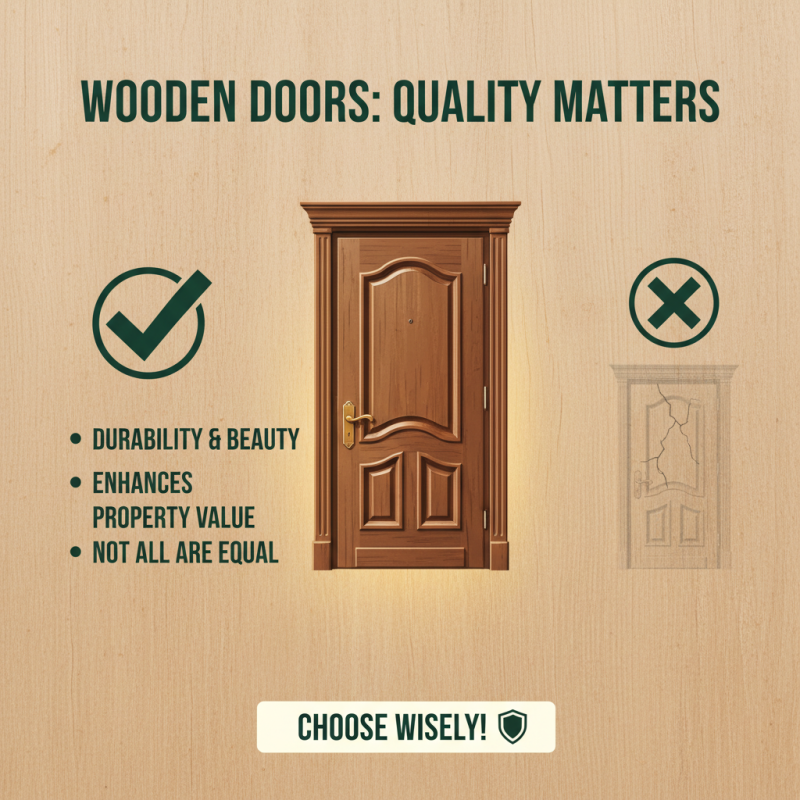
When considering wooden doors, quality should be a primary focus. High-quality wooden doors offer durability and aesthetic appeal. They can enhance the value of a property. However, not every wooden door meets high standards. Buyers often face choices with varying quality levels.
Understanding the materials used is crucial. Solid wood doors typically last longer than hollow-core options. They resist warping and provide better insulation. On the other hand, some mass-produced doors may look appealing but lack structural integrity. Scratches and dents can accumulate quickly, leading to further issues. It’s vital to assess the craftsmanship and finishing of each door. Quality hinges and locks can impact performance and longevity.
Buyers should consider their specific needs. A high-traffic area might require a more robust option, while a decorative piece needs to shine visually. Reflecting on how a door will be used can lead to better choices. Quality wooden doors are an investment, but understanding their value is essential for making informed decisions.
Key Factors to Consider When Choosing Wooden Doors
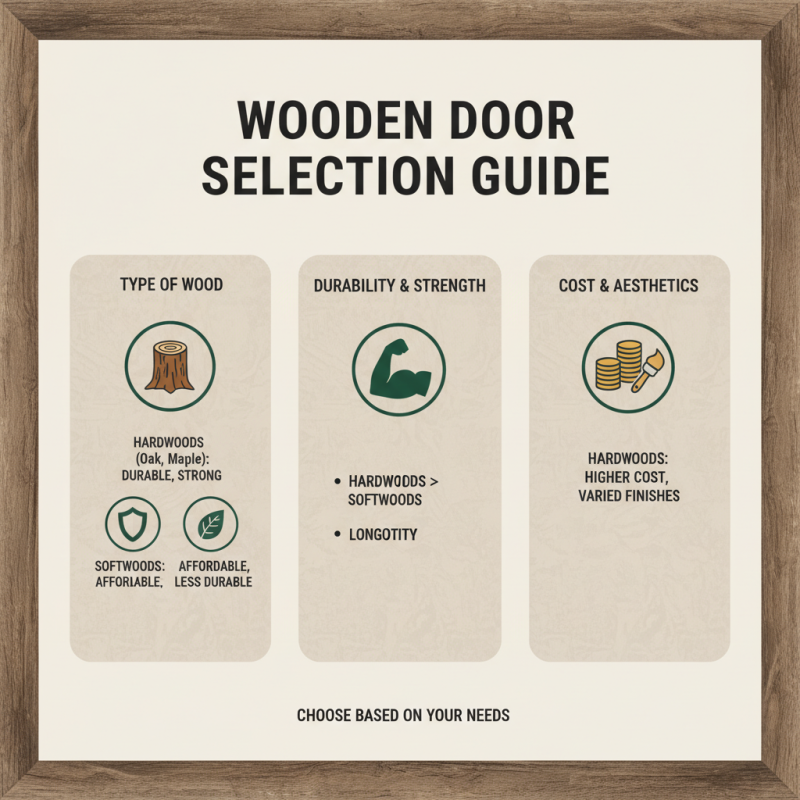
When selecting wooden doors, buyers should focus on several key factors. The type of wood is crucial. Different woods offer varying levels of durability, aesthetics, and cost. Hardwoods like oak and maple are often favored for their strength. Softwoods can be less expensive but may not provide the same longevity. Understanding your needs can help narrow the choices.
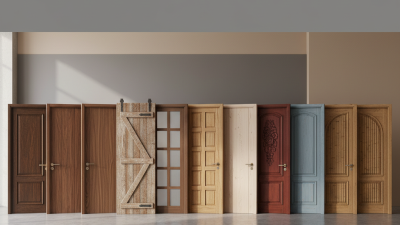
Another significant aspect is the door’s design. From traditional styles to modern minimalist looks, the design impacts the overall ambiance of your space. Consider the grains, finishes, and colors available. Additionally, think about the door's functionality. Will it be an exterior door requiring weather resistance or an interior door focused on aesthetics? Each option comes with specific requirements.
Installation and maintenance are also important. Poor installation can lead to issues like gaps and inefficiencies. Regular maintenance is often needed to preserve wood’s beauty and function. Be prepared for this commitment. Balancing aesthetics with practicality can be challenging, but it's essential for long-term satisfaction. Revisiting your choices with a critical eye can lead to improved decisions.
Different Types of Wood Used for Doors and Their Benefits
When selecting wooden doors, the type of wood used plays a crucial role. Softwoods, like pine, are lightweight and cost-effective. They are ideal for interior doors and offer decent insulation. However, softwoods may dent easily. Buyers should consider the longevity of the material.
Hardwoods, such as oak and mahogany, provide durability and elegance. Oak is known for its strength and resistance to wear. Mahogany boasts a beautiful, rich color that deepens over time. These woods are ideal for exterior doors, but they come with a higher price tag. The investment in hardwoods often pays off through longevity and enhanced aesthetic appeal.
Other options like engineered wood offer a balance between cost and quality. This composite material combines layers of wood, enhancing stability and reducing warping. However, it may not have the same charm as solid wood. When deciding, think about your budget, the door's purpose, and the look you want to achieve. Each type of wood has its merits and drawbacks, so it's essential to weigh these factors carefully.
Top Quality Wooden Doors for Global Buyers How to Choose?
| Type of Wood |
Benefits |
Durability |
Cost Range (per unit) |
| Oak |
Highly durable, great resistance to scratching |
Very High |
$200 - $500 |
| Mahogany |
Rich color and appearance, good resistance to decay |
High |
$300 - $700 |
| Pine |
Cost-effective, easily customizable |
Medium |
$100 - $300 |
| Birch |
Smooth grain, lightweight, and easy to work with |
Medium |
$150 - $400 |
| Cherry |
Beautiful color, ages well with time |
High |
$250 - $600 |
Finishing Options for Wooden Doors: Aesthetic and Durability
When selecting wooden doors, the finishing options play a crucial role in determining both aesthetic appeal and durability. Various finishes can enhance the natural beauty of wood while offering protection from the elements. For instance, a clear lacquer finish brings out the grain and color of the wood, creating a stunning visual impact. On the other hand, stains provide a wide color spectrum, making it easier to match existing decor.
Durability is equally important. Oil-based finishes tend to be more resilient against moisture and scratches. However, they require more maintenance to keep looking fresh. Water-based finishes are less durable but are simple to apply and dry quicker. Choose wisely based on the door’s placement; exterior doors need finishes that withstand harsh conditions, while interior doors might not need such robust protection.
Some buyers overlook the importance of maintenance. A door with the wrong finish will require frequent repainting or refinishing. Improper application can lead to peeling or uneven layers. It’s crucial to weigh the options carefully. A well-finished door not only enhances the beauty of a space but also ensures longevity. Selecting the right finish means considering both visual preferences and practical needs.
Finishing Options for Wooden Doors: Aesthetic and Durability
Sourcing High-Quality Wooden Doors from Global Suppliers
When sourcing high-quality wooden doors, it's essential to focus on reliability and craftsmanship. The global wooden door market is projected to reach USD 160 billion by 2027. This growth highlights the rising demand for durable and aesthetically pleasing options. Buyers need to select suppliers who prioritize quality over cost.
Tip: Always request certifications that verify wood origin and eco-friendly practices. This not only ensures compliance with global standards but also reflects your commitment to sustainability.
Another consideration is the supplier's manufacturing processes. Modern techniques can significantly enhance product durability. A recent study indicated that doors made using engineered wood products showed 30% better performance than traditional solid wood. This can impact long-term investment in every purchase.
Tip: Inspect samples thoroughly before finalizing orders. Look for imperfections in finish and joinery. Even minor flaws can indicate larger production issues. A detailed examination helps in making informed decisions.