Why Choose a Wooden Front Door for Your Home?
A wooden front door serves as the gateway to your home. Its beauty and durability make it a favored choice among homeowners. A well-crafted wooden front door can enhance the curb appeal of your property.
Materials used in wooden doors vary widely. Popular choices include oak, cherry, and mahogany. Each type of wood offers unique grain patterns and colors. This allows for personalized designs that can reflect your style. However, wood requires proper maintenance. Regular staining or sealing is needed to protect against the elements.
Choosing a wooden front door can also promote energy efficiency. Wood provides natural insulation, keeping your home warm in winter and cool in summer. Yet, not all wooden doors are created equal. Some may warp over time, leading to drafts and security issues. Therefore, it’s crucial to select a reputable manufacturer. In the end, a wooden front door is more than just an entryway. It reflects your home’s character and can make a lasting impression.
Benefits of Choosing a Wooden Front Door for Enhanced Curb Appeal
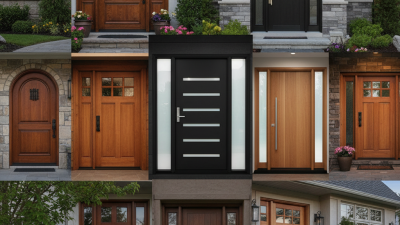
When considering curb appeal, a wooden front door stands out in a sea of options. These doors bring warmth and a touch of nature to any home. The rich, natural grain of wood offers unique patterns that can enhance any architectural style. People often notice the front door first. A well-crafted wooden door sets a welcoming tone for visitors.
Wooden doors also provide excellent durability. With proper care, they can last for decades. Regular maintenance may seem daunting, yet it fosters a deep, personal connection to your home. Choosing the right finish can add to the visual appeal while protecting the wood. Consider using a stain that complements your home's exterior. This kind of detail matters and elevates the overall look.
Some might find that wooden doors are pricier than alternatives. It’s essential to weigh the long-term benefits against initial costs. While some may worry about maintenance, a little effort goes a long way. A wooden front door can truly transform your home, inviting you to appreciate its beauty every day.
Benefits of Choosing a Wooden Front Door
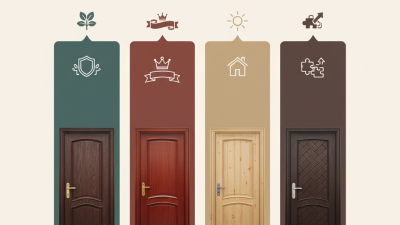
This chart represents the benefits of choosing a wooden front door, highlighting its advantages over other materials in terms of curb appeal, durability, and insulation properties.
Durability and Longevity: The Statistics Behind Wooden Doors
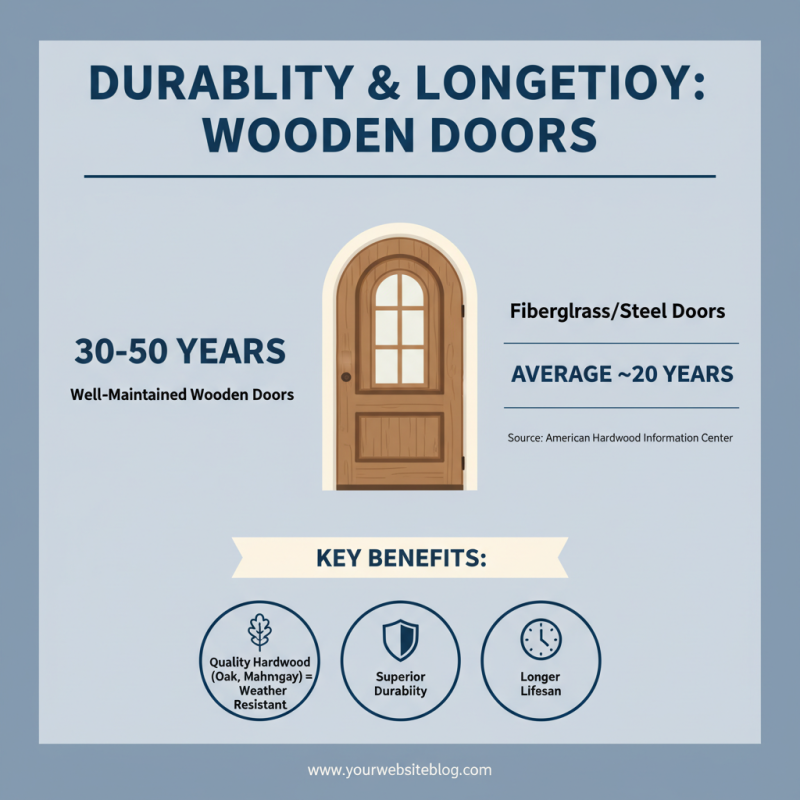
When considering a wooden front door, durability and longevity are key factors. Research shows that well-maintained wooden doors can last between 30 to 50 years, significantly longer than their fiberglass or steel counterparts, which average around 20 years. The longevity of wooden doors is supported by a study from the American Hardwood Information Center, revealing that quality hardwood species, like oak or mahogany, endure harsh weather conditions better than other materials.
In terms of resistance to wear and tear, wooden doors also excel. According to the National Association of Home Builders, 90% of homeowners expressed satisfaction with their wooden doors’ performance over the years. However, achieving this durability requires regular maintenance. Many wooden doors may show signs of wear, such as warping or fading, if not cared for properly. An investment in quality wood and proper treatment can enhance their lifespan and visual appeal. This ongoing commitment to maintenance is essential for ensuring that wooden doors remain a viable option for homeowners seeking both aesthetics and durability.
Energy Efficiency: Wooden Doors vs. Metal and Fiberglass Alternatives
When it comes to energy efficiency, wooden front doors stand out against metal and fiberglass options. A report by the National Association of Home Builders shows that wooden doors have a natural insulating quality, reducing energy loss. This characteristic helps maintain indoor temperatures, leading to lower heating and cooling costs. In contrast, metal doors often have higher thermal conductivity. They can become cold in winter and hot in summer, ultimately affecting comfort levels.
Another study from the Department of Energy indicates that wooden doors can provide a more stable temperature. They typically have less air leakage compared to fiberglass alternatives, which can warp over time. Air leakage can significantly impact energy efficiency. While fiberglass might resist denting, it does not always outperform wood in preventing drafts. Homeowners should consider these aspects when choosing a front door.
It's also important to recognize that wood requires maintenance. Regular sealing and painting can keep wooden doors looking great and functioning well. However, neglecting this can lead to deterioration and compromised insulation. Some homeowners may worry about the environmental impact of harvesting wood. Sourcing sustainably is crucial. Balancing energy efficiency with responsible choices requires careful thought.
Why Choose a Wooden Front Door for Your Home? - Energy Efficiency: Wooden Doors vs. Metal and Fiberglass Alternatives
| Door Type |
R-value (Insulation) |
Energy Efficiency Rating |
Lifespan (Years) |
Maintenance Level |
| Wooden Door |
3.5 - 4.0 |
Good |
30 - 50 |
Moderate |
| Metal Door |
2.0 - 3.0 |
Fair |
20 - 30 |
Low |
| Fiberglass Door |
3.0 - 4.0 |
Good |
25 - 50 |
Low |
Environmental Impact: Sustainability of Wood as a Building Material
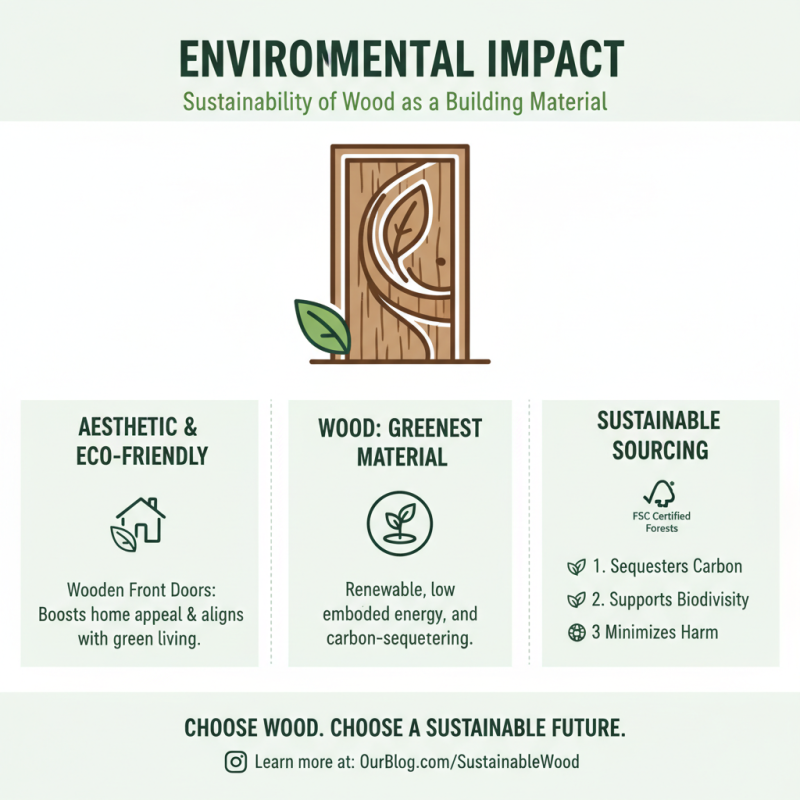
Choosing a wooden front door not only enhances the aesthetic appeal of your home but also aligns with sustainable practices. Wood is one of the most environmentally friendly building materials available. According to the Forest Stewardship Council, properly managed forests bring numerous ecological benefits. They sequester carbon and support biodiversity, and sourcing wood from sustainably managed forests minimizes negative environmental impacts.
Moreover, a report from the U.S. Department of Agriculture highlights that using wood can significantly reduce greenhouse gas emissions. The carbon stored in wood remains intact throughout its life cycle, acting as a carbon sink. This contributes to reducing the carbon footprint of your home. However, it’s vital to ensure your wood comes from certified sources to avoid contributing to deforestation.
While the benefits are significant, challenges do exist. Wood requires maintenance and protection to endure weather elements. Without proper care, it can succumb to rot or insect damage. This can lead to increased resource use down the line. Understanding these potential pitfalls is crucial. Every material, including wood, necessitates a reflection on its lifecycle and how our choices impact the environment.
Customizability and Design Options for Wooden Front Doors
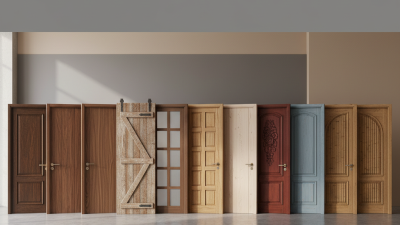
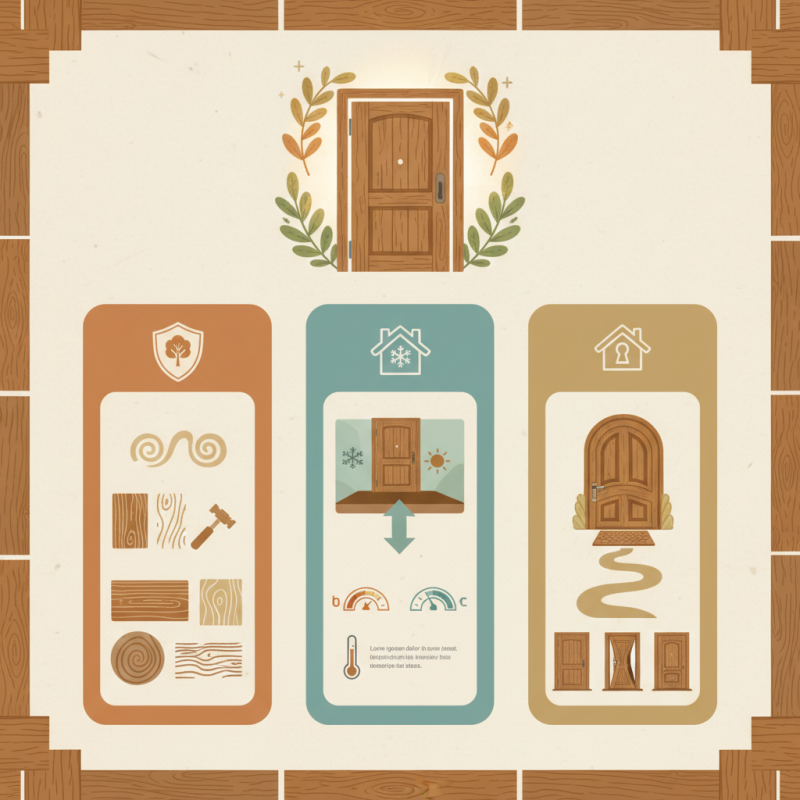
When considering a wooden front door, customization is a significant advantage. Homeowners can choose from various wood types, including oak, maple, and mahogany. Each type offers unique grain patterns and colors. This variety allows for a personal touch that complements any home style.
Design options are abundant. Many doors come with intricate carvings, glass inserts, or decorative hardware. A craftsman can help create designs that fit your vision. However, finding the right balance in design is essential. Overly ornate designs may clash with simple architecture, while minimal options might lack personality.
Reflecting on your space is vital. A wooden door can enhance curb appeal, but the wrong choice can detract from it. Consider your home’s exterior colors and landscaping. Every detail plays a part in the overall aesthetic. Customizing your wooden front door can lead to a unique and inviting entrance. It becomes a reflection of your style and commitment to quality.