Why Choose PVC Doors for Your Home or Business?
Choosing the right doors for your home or business can significantly impact aesthetics and functionality. PVC doors are becoming increasingly popular among homeowners and business owners alike. They offer a unique blend of style, durability, and affordability.
PVC doors are lightweight yet strong. They resist moisture, making them ideal for various environments. Unlike traditional wooden doors, PVC doors do not warp, crack, or need constant maintenance. This resilience makes PVC doors a practical choice for busy households or commercial settings.
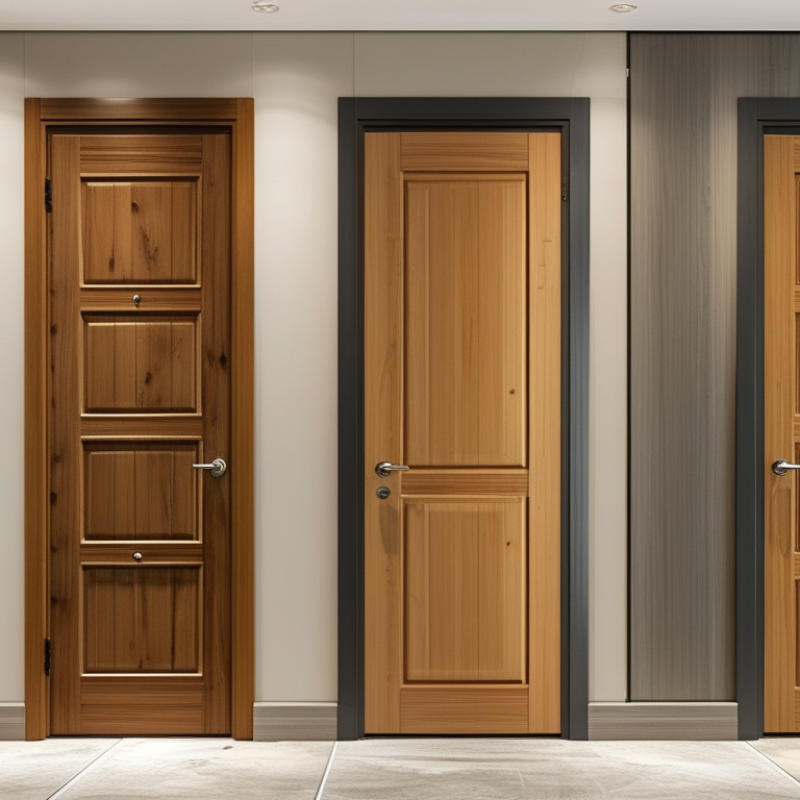
Many people may wonder if PVC is the best material available. It's essential to consider personal preferences and specific needs. While some might prefer wooden doors for their classic appeal, PVC doors provide modern solutions without sacrificing style. Overall, when evaluating new doors, PVC doors deserve thoughtful consideration for their benefits and reliability.
Benefits of PVC Doors in Residential and Commercial Settings
PVC doors have gained popularity in both residential and commercial settings due to their impressive durability and low maintenance needs. According to industry reports, PVC doors can last up to 30 years with proper care, making them a cost-effective choice. They resist moisture, termites, and corrosion, providing reliability in various environments. In commercial properties, this translates to fewer replacements and less time spent on upkeep.
Additionally, PVC doors offer good insulation properties. Studies indicate that homes with high-quality insulated doors can save up to 20% on energy bills. This is especially pertinent for businesses looking to reduce operational costs. Energy efficiency not only supports financial savings but also promotes environmental sustainability.
Tip: Always consider the thickness of the PVC when selecting doors. Thicker doors provide better insulation and security.
However, some might find drawbacks in aesthetics, as PVC doors can lack the traditional look of wood. Additionally, over time, UV exposure may lead to fading, which could detract from their appearance. Hence, regular maintenance and potential refinishing could be necessary for optimal results.
Tip: Use UV protective coatings to help maintain color and appearance over time.
Durability and Maintenance Advantages of PVC Doors
PVC doors are increasingly popular due to their impressive durability and low maintenance requirements. According to a report by the U.S. Department of Energy, PVC materials can last well over 20 years without significant wear. These doors are designed to withstand harsh weather and resist various environmental factors, making them suitable for both homes and commercial spaces.
The maintenance benefits of PVC doors are compelling. Unlike wood, PVC does not warp, crack, or need regular painting. A study published in the Journal of Building Performance highlights that cost savings on maintenance can reach up to 30% over the lifespan of PVC doors compared to traditional wooden doors. Simple cleaning with soap and water is usually enough to keep them looking new.
However, it's important to acknowledge some limitations. PVC can become less flexible and start to lose color after prolonged exposure to UV rays. This aspect necessitates periodic refinishing for aesthetic appeal. While PVC doors are strong, they may not provide the same level of insulation as some premium materials. This trade-off should be considered based on individual needs and preferences.
Why Choose PVC Doors for Your Home or Business? - Durability and Maintenance Advantages of PVC Doors
| Feature |
PVC Doors |
Wooden Doors |
Metal Doors |
| Durability |
Highly durable, resistant to warping and rotting |
Moderately durable, prone to warping and checking |
Very durable but can dent and rust |
| Maintenance |
Low maintenance, easy to clean |
Requires regular sealing and finishing |
Low maintenance but requires rust prevention |
| Insulation |
Good thermal insulation properties |
Moderate insulation, can be improved with weather-stripping |
Poor insulation unless fitted with insulation core |
| Cost |
Generally affordable |
Can be expensive depending on type and finish |
Varies widely, typically higher for higher security |
| Environment Impact |
Recyclable, better for the environment |
Sustainable if sourced responsibly |
High energy cost in production |
Cost Efficiency of PVC Doors Compared to Traditional Materials
PVC doors are gaining popularity for both homes and businesses due to their cost efficiency. A report from the Construction Specifications Institute indicates that PVC doors can be up to 40% less expensive than traditional wood doors. This significant price difference is crucial for budget-conscious consumers. Additionally, PVC materials are less susceptible to warping and need minimal maintenance compared to wood or metal, which can incur extra costs over time.
In terms of longevity, PVC doors have an average lifespan of 20 to 30 years, while wooden doors often require replacement after 10 to 15 years. Research from the National Association of Home Builders reveals that this durability can lead to savings on replacements and repairs. Potential buyers may question the initial investment versus long-term costs, but the data supports the argument for PVC as a sustainable financial choice.
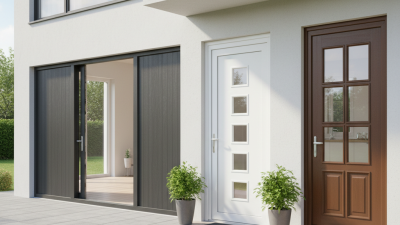
Yet, the aesthetic appeal of PVC doors compared to traditional options may be a concern. Some people feel that PVC lacks the warmth of wood. Balancing cost savings with personal taste is often tricky. However, modern PVC doors come in various styles and colors, bridging that gap. Understanding material properties and market trends can help consumers make informed decisions that blend value and appearance effectively.
Energy Efficiency and Insulation Properties of PVC Doors
PVC doors offer significant energy efficiency and insulation properties, making them a wise choice for homes and businesses. According to the Department of Energy, high-quality PVC doors can reduce heat loss by up to 20%. This efficiency helps in maintaining comfortable indoor temperatures, reducing the need for heating and cooling.
Moreover, PVC doors provide excellent insulation, with low thermal conductivity. This means that they can effectively keep warm air inside during winter and block out heat during summer. In a recent study by the National Institute of Standards and Technology, buildings with well-insulated doors showed a 15% decrease in energy consumption.
Tip: When selecting PVC doors, look for those with multi-chamber profiles for superior insulation.
Another advantage of PVC is its resistance to environmental factors. Unlike wood, PVC does not warp or swell. This durability can lead to long-term energy savings, as it maintains its insulating properties over time. However, not all PVC doors are created equal. It’s essential to choose products from reputable manufacturers to ensure higher performance.
Tip: Always check for energy ratings before making a purchase. Opt for models with certifications for better insulation.
In some cases, installation can affect energy efficiency. Poorly fitted doors can create drafts, undermining their insulation benefits. Therefore, professional installation can make a notable difference in performance. Consider testing your doors' tightness regularly to ensure they meet your energy-saving goals.
Environmental Impact and Sustainability of PVC Door Production
PVC doors are becoming popular for many reasons. One significant aspect is their environmental impact. The production of PVC doors involves processes that can be harmful. However, advancements in technology have improved the sustainability of PVC manufacturing.
The use of recycled materials is one positive step. Many manufacturers are now sourcing recycled PVC. This reduces waste and lessens the need for virgin materials. Still, challenges exist in recycling technology and public perception. Not everyone is aware of the benefits. Education on sustainable practices in PVC is crucial.
While PVC offers durability and energy efficiency, concerns remain. The carbon footprint of production can be high. Consumers are increasingly mindful of their choices. Balancing cost-effectiveness and environmental responsibility is essential. Reflecting on these factors helps in making informed decisions.