2026 How to Choose the Best Solid Wood Front Doors for Your Home?
Choosing the right entrance to your home is crucial. Solid Wood Front Doors offer a blend of beauty and security. According to the National Association of Realtors, a quality front door can increase home value by up to 10%. In 2023, 83% of homebuyers prioritized the entryway's appeal.
The appeal of Solid Wood Front Doors lies in their natural aesthetic and durability. A survey from the American Institute of Architects reveals that wood doors remain a top feature for homeowners, even in contemporary designs. However, the selection process can be overwhelming. Several factors must be considered, such as wood type, style, and finish.
It’s essential to understand your needs and the climate you live in. Not every wood type withstands harsh weather. While some finishes offer extra protection, they may alter the wood's natural beauty. Therefore, reflect on both aesthetic and practical aspects. A door is more than just an entrance; it reflects your home’s character. Making the right choice can enhance your home’s overall appeal and functionality.
Factors to Consider When Selecting Solid Wood Front Doors
Choosing the right solid wood front door can significantly impact your home's aesthetics and security. It’s essential to consider several factors before making that decision. First, evaluate your home’s architectural style. A door should enhance your home’s exterior. Consider colors, wood types, and finishes that complement the overall design.
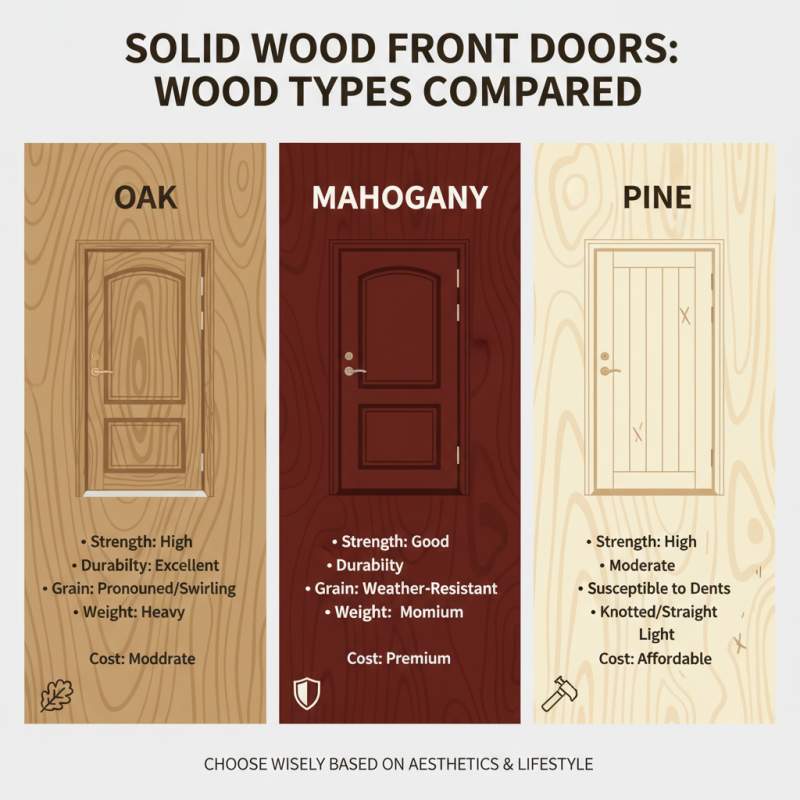
Another critical factor is the wood species. Different woods have varied properties. For instance, oak is durable and attractive while pine is more affordable but less dense. Look for doors that offer good insulation and weather resistance. This aspect is vital for maintaining energy efficiency in your home.
Tips: Pay attention to the door's grain and texture. They can influence its overall look. Explore various stains or paints to match your style. Also, think about the door's maintenance needs. Some woods require more upkeep than others. Reflect on whether you're ready for that commitment. A well-chosen door can last decades, but the choice needs thoughtful consideration.
Types of Wood Used in Solid Wood Front Doors
When choosing solid wood front doors, consider the type of wood. Different woods offer unique aesthetics and durability. Common options include oak, mahogany, and pine. Oak is robust and resistant to wear. It showcases a beautiful grain but can be heavy. Mahogany is known for its rich color and resistance to the elements. It's a premium choice, but often more expensive. Pine is lighter and more affordable. However, it can dent and scratch easily, so consider your lifestyle.
When selecting wood, think about your home’s style. Rustic homes may benefit from knots and a rough finish in pine. For elegant settings, mahogany with a smooth finish shines beautifully. A well-chosen wood enhances your home’s curb appeal.
**Tips:** Always inspect the wood grain. Look for uniformity and a healthy finish. Check for any signs of warping or imperfection. Additionally, consider the climate where you live. Some woods perform better in specific conditions. Remember, each type has its pros and cons. Rethink what you value in a front door. Your choice reflects your personal taste and enhances your home’s character.
Aesthetic Styles and Designs for Your Home's Entryway
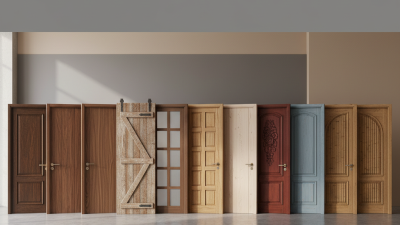
Choosing the right solid wood front door is crucial to enhance your home's entryway. Aesthetic style plays a significant role in this decision. Understanding different wood types is essential. Oak, maple, and mahogany each present unique characteristics. Oak is sturdy and durable, while maple offers smooth surfaces. Mahogany provides a rich, warm look, perfect for a classic design.
Recent reports indicate the demand for custom wood doors is increasing. Over 30% of homeowners prioritize aesthetics in their entryways. Many are opting for rustic, farmhouse styles, integrating natural finishes. This trend resonates with a desire for authentic, warm spaces. A well-designed door can complement landscaping and architecture, making a lasting impression.
However, not every choice is perfect. Some wood doors might warp due to humidity. Seasonal changes can affect their appearance and function. Homeowners should be prepared for maintenance. Investing in a quality finish can help protect against wear and tear. It's wise to consult with professionals to find the best design that aligns with both aesthetics and practicality.
2026 Solid Wood Front Door Styles Popularity
This chart displays the popularity of various aesthetic styles for solid wood front doors based on a survey of homeowners in 2026. The data represents the percentage of preference for each style among respondents.
Energy Efficiency and Insulation Features in Front Doors
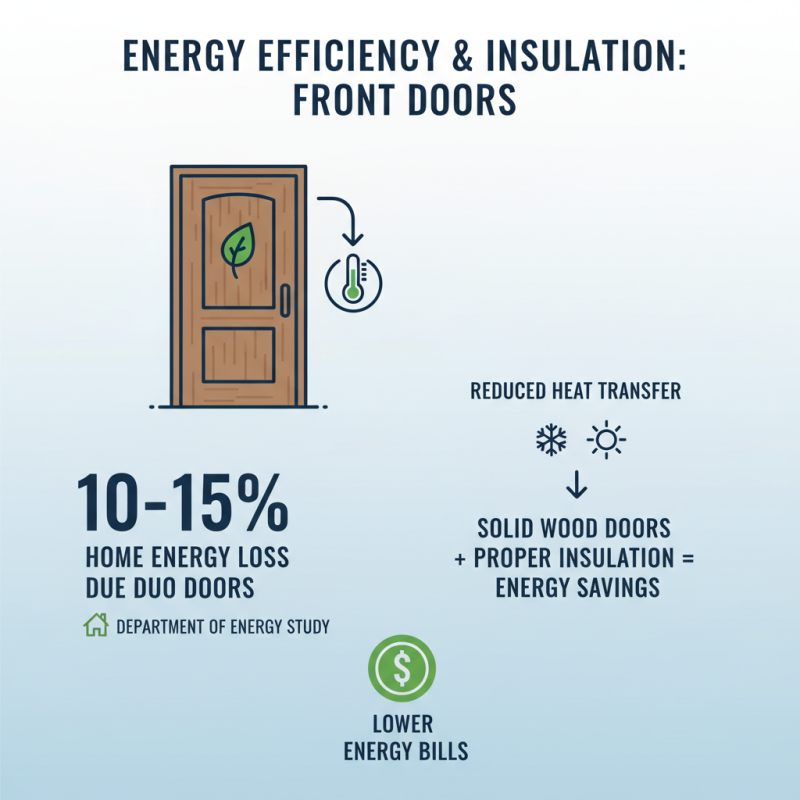
When selecting solid wood front doors, energy efficiency and insulation features are critical. A study by the Department of Energy indicates that doors contribute to 10-15% of a home's energy loss. This statistic highlights the importance of choosing high-quality materials designed for thermal efficiency. Solid wood doors, particularly when properly insulated, can significantly reduce heat transfer, saving you money on energy bills.
The insulation of a door can be measured by its R-value. An R-value measures a material's resistance to heat flow. According to the American Wood Council, a high-performing solid wood door can have an R-value between 3.0 and 5.0. This rating provides better energy efficiency compared to traditional hollow core doors. Furthermore, a well-fitted door minimizes drafts, enhancing your home’s comfort.
While solid wood doors are often praised for their aesthetics, you should also consider their environmental impact. Sourcing sustainably harvested wood can help preserve natural ecosystems. However, this presents a challenge. Not all manufacturers are transparent about their sourcing practices. Research is essential to ensure accountability and sustainability in your purchasing decision. Remember, choosing a door is not just about style; it's about creating a comfortable, energy-efficient home.
Maintenance Tips for Solid Wood Front Doors
Maintaining solid wood front doors is essential for their longevity and appearance. Regular inspection is vital. Look for signs of wear, such as scratches, dents, or fading color. These details can significantly impact how your door looks. Pay attention to the joints and edges. Any gaps may allow moisture to enter, leading to wood rot.
Cleaning is straightforward. Use a soft cloth and mild soap solution. Avoid harsh chemicals that can strip the finish. After cleaning, consider applying a wood conditioner. This nourishment helps maintain the door's vibrancy. You may notice that wood develops a dull appearance over time. This is a cue that a fresh coat of finish might be needed.
Sealing your door is crucial. Weather changes can cause wood to expand or contract. This movement can lead to cracks. A quality sealant protects against moisture. Reapply it every few years for optimum results. Remember, these processes take time and effort. Consistency is key. Embracing small tasks regularly leads to significant outcomes over time.