Top Solid Wood Front Doors for Modern Homes Are They Worth It?
Solid wood front doors are a popular choice for modern homes. They provide timeless elegance and robust security. However, are they truly worth the investment?
These doors boast unique grain patterns and natural beauty. Each one tells its own story, making your home stand out. Their durability is unmatched, offering long-lasting protection. Yet, maintenance can be demanding. Regular oiling and refinishing are necessary to preserve their appearance.
Consider the cost as well. Solid wood front doors can be expensive. You may find alternatives that mimic their appeal. Nevertheless, the charm and warmth of wood are hard to replicate. Ultimately, choosing solid wood front doors involves weighing aesthetics against practicality.
Top Solid Wood Front Doors: An Overview of Their Features
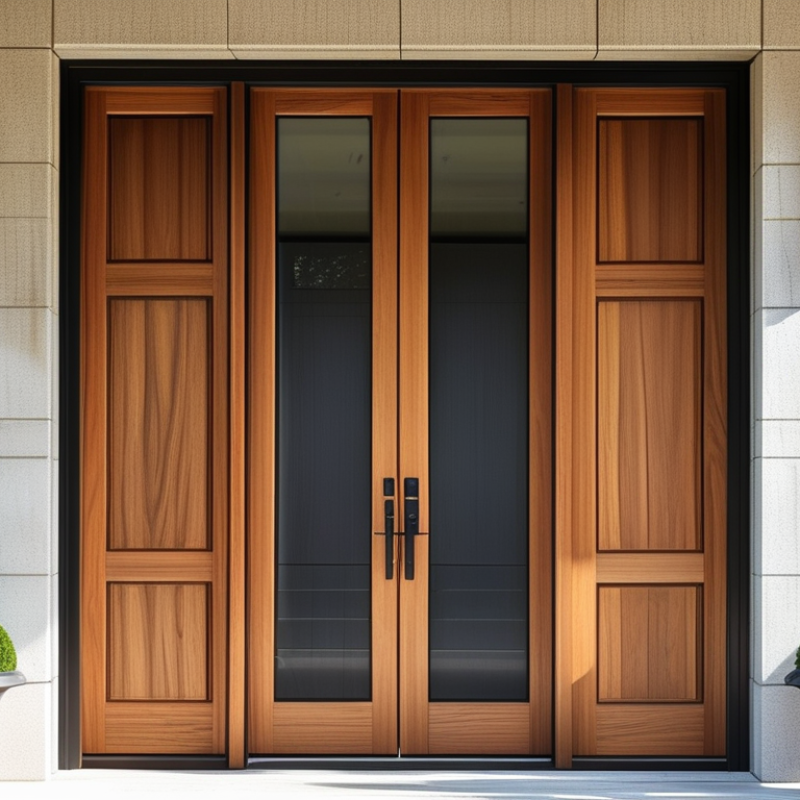
Solid wood front doors bring warmth and elegance to modern homes. They are known for their durability and natural beauty. These doors often come with various finishes, enhancing their overall appeal. A well-crafted solid wood door can serve as a stunning focal point for your home’s entrance.
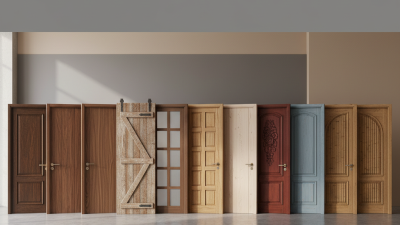
When considering solid wood doors, think about the wood type. Different species offer unique colors and grain patterns. Oak has a classic look, while mahogany provides a rich, deep hue. This selection affects not only appearance but also the door's strength and resilience against the elements.
Tips: Ensure proper maintenance for longevity. Regularly check for moisture or signs of wear. Consider adding a protective sealant to shield against humidity and pests. With thoughtful care, solid wood doors can last for decades.
Yet, installation can be challenging. Hiring experienced professionals is advisable. A poorly installed door may lead to gaps, affecting energy efficiency. Do your research to find qualified contractors who specialize in solid wood installations.
Benefits of Choosing Solid Wood Front Doors for Modern Homes
Solid wood front doors offer a blend of beauty and durability, making them ideal for modern homes. The rich texture and natural variations in wood create a warm and inviting entryway. Homeowners appreciate the craftsmanship that goes into solid wood doors. They can be custom-designed to match various architectural styles, enhancing a home's curb appeal.
Choosing solid wood also brings excellent insulation benefits. These doors reduce energy costs by keeping homes warmer in winter and cooler in summer. However, solid wood requires maintenance. Periodic refinishing is necessary to protect against moisture and UV damage. This aspect can be time-consuming, and sometimes homeowners might overlook it, leading to deterioration over time.
Another consideration is cost. Solid wood doors often come at a premium price. While they are an investment, many argue they are worth it for their durability and aesthetic appeal. Balancing budget and quality can be a challenging reflection for some. Ultimately, solid wood doors facilitate a unique character and charm but require commitment and care from the homeowner.
Comparative Analysis: Solid Wood vs. Other Door Materials
When weighing the pros and cons of solid wood front doors against other materials, several factors emerge. Solid wood doors are known for their aesthetics and durability. They provide a classic look that can enhance a home’s curb appeal. According to the American Institute of Architects, solid wood doors can last over 30 years if properly maintained. This longevity often outweighs the initial cost, justifying their choice for many homeowners.
However, solid wood is not without its downsides. They require regular maintenance to prevent warping and cracking. This is particularly true in regions with extreme temperatures. In contrast, materials like fiberglass and steel offer lower maintenance and better insulation. Reports from the National Association of Home Builders indicate that fiberglass doors, for example, have become increasingly popular due to their energy efficiency, providing better thermal performance than solid wood.
The decision ultimately hinges on individual needs. Homeowners must consider factors such as budget, climate, and personal style. While the beauty of solid wood is undeniable, the practical advantages of alternative materials mean that it's essential to analyze these aspects carefully before making a choice. Often, the best door is not simply the most beautiful one, but the one that aligns with your lifestyle and home environment.
Comparative Analysis of Door Materials
Cost Considerations: Are Solid Wood Front Doors Worth the Investment?
When considering solid wood front doors, the investment may seem daunting initially. However, industry reports reveal that a solid wood door typically lasts 30 years or more, making it a long-term investment for homeowners. The durability of hardwoods like oak or mahogany not only enhances security but also adds significant value to modern homes. A study by the National Association of Realtors suggests that replacing a front door can yield up to 75% return on investment.
Cost plays a vital role in this decision. Solid wood doors can range from $1,000 to $5,000, depending on the wood type, design, and craftsmanship. It's essential to factor in installation costs as well, which can add an additional 25% to the budget. Some homeowners might hesitate, fearing maintenance could add hidden costs down the line. Wood requires regular sealing or painting to prevent weather damage; neglecting this can lead to costly repairs.
It's also important to consider personal priorities. While some value the aesthetic warmth and timeless appeal of wood, others may prefer lower-maintenance options like fiberglass or steel. Taking time to weigh these factors is crucial. A solid wood door is not only a functional element but also a statement piece. Balancing cost, maintenance, and personal taste is key to deciding whether this investment is truly worth it.
Maintenance and Durability of Solid Wood Front Doors in Modern Settings
Solid wood front doors are often chosen for their striking aesthetics and potential durability. However, their maintenance and longevity in modern homes can present challenges. According to a survey by the American Wood Council, solid wood doors can last an impressive 30 years or more with proper care. Yet, many homeowners overlook key maintenance practices, leading to issues like warping or fading. Environmentally-induced changes, such as humidity fluctuations, can impact performance.
Homeowners should be aware that solid wood doors require regular sealing and treatment to withstand the elements. The National Association of Home Builders notes that neglecting this can reduce a door's lifespan significantly. Some wood species are more resistant to wear, but all wood doors demand attention. Failing to maintain them can result in costly replacements, which is a common oversight in modern settings.
Investing in solid wood doors is more than initial costs. Over time, maintenance can become burdensome. Data from the Door and Window Manufacturers Association indicates that nearly 25% of homeowners face issues related to upkeep. While solid wood doors bring warmth and character, they also demand a commitment to maintenance that may not fit every lifestyle. Homeowners should evaluate their willingness to engage in ongoing care versus the convenience of alternative materials.
Top Solid Wood Front Doors for Modern Homes: Maintenance and Durability
| Feature |
Description |
Durability Rating (1-10) |
Maintenance Frequency |
Typical Lifespan |
| Material Quality |
High-grade hardwoods like oak or mahogany |
9 |
Every 3-5 years |
50+ years |
| Insulation Properties |
Provides excellent thermal insulation |
8 |
As needed, depending on seal condition |
50+ years |
| Weather Resistance |
Requires protective finishes against moisture |
7 |
Annually |
30-50 years |
| Aesthetic Appeal |
Natural beauty enhances curb appeal |
10 |
As needed, based on finish wear |
50+ years |
| Cost |
Higher initial investment than fiberglass |
6 |
Rarely requires intensive maintenance |
50+ years |