2026 Top Types of Steel Glass Doors for Global Buyers
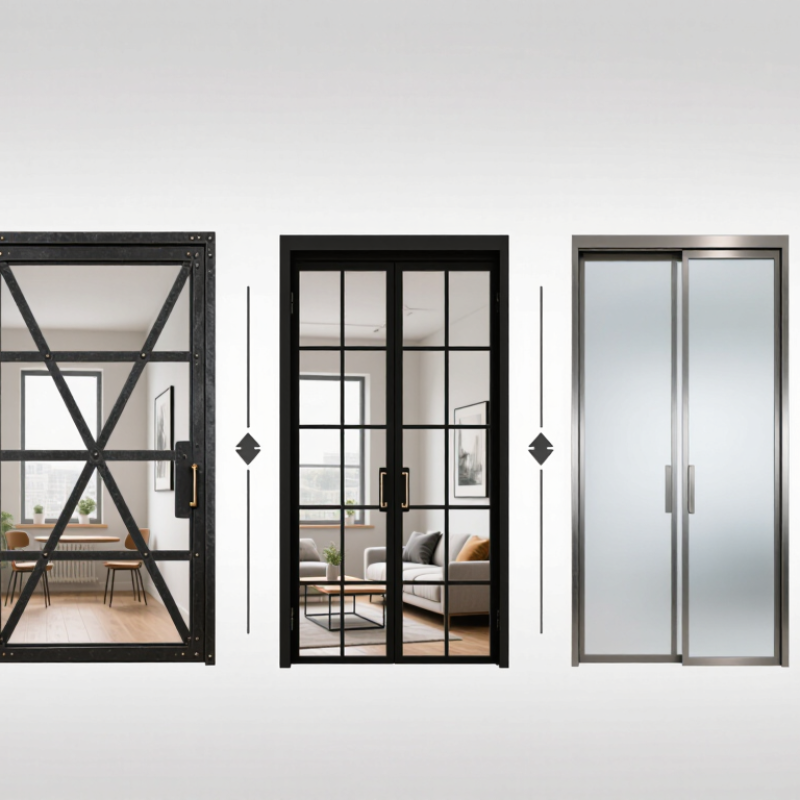
Steel Glass Doors combine slim metal profiles with clear or textured glazing, bringing daylight into homes, offices, hotels, and retail spaces. For global buyers, appearance is only part of the decision. Door type, opening direction, frame finish, glass build-up, hardware, and installation conditions all affect performance. A narrow black frame may suit a compact apartment, while a broad industrial grid can define a café entrance. Details matter.
This guide compares popular options, including hinged, sliding, pivot, French, and industrial-style Steel Glass Doors. It also considers interior and exterior applications, glazing choices, customization, and practical points buyers should confirm with manufacturers. Architect Ludwig Mies van der Rohe’s famous phrase, “Less is more,” offers a useful design lens: clean lines can make a strong impression. It is not a door specification, though. Buyers still need clear product documentation and project-specific advice.
A showroom sample can look flawless. The installed door may feel different. That gap deserves attention. Check dimensions, frame construction, glass specifications, seals, and hardware before ordering; ask how each option suits the intended opening and daily use. Requirements vary by location and project, so confirm applicable performance and safety needs with qualified local professionals. This overview aims to make comparisons easier, not to promise that one style fits every building. Sometimes the quieter choice works best. Sometimes it doesn’t.
What Steel Glass Doors Are and How They Are Built
A steel glass door combines a load-bearing steel frame with glazed panels held by beads, channels, or pressure plates. The frame may use folded steel sections or tubular profiles, joined by welding or mechanical fasteners. Gaskets cushion the glass and help limit drafts. Exterior models may add thermal breaks between inner and outer steel surfaces. Glass can be clear, laminated, tempered, or insulated, depending on safety, noise, and climate needs. Details matter.
The U.S. Department of Energy estimates that windows account for about 25%–30% of residential heating and cooling energy use. Glazed doors face similar heat-transfer challenges, so glass coatings, edge seals, and frame design affect comfort. A neat-looking frame alone does not prove strong performance. Ask for test results for the complete door assembly, not just the glass. World Steel Association’s Steel Facts reports that more than 650 million tonnes of steel are recycled each year. That figure covers steel broadly, not doors specifically. Still, it highlights steel’s established recovery stream. In practice, coating damage, poor drainage, or loose glazing beads can shorten service life; these details deserve inspection during specification and installation.
Major Types of Steel Glass Doors Available in 2026
2026 Top Types of Steel Glass Doors for Global Buyers
Major Types of Steel Glass Doors Available in 2026
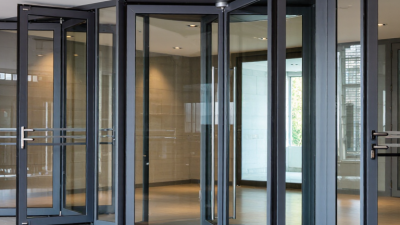
Steel glass doors come in several configurations, each suited to different spaces and traffic patterns. Hinged doors are familiar and work well for entries with room for a clear swing. Sliding doors save floor space, making them useful for compact interiors or wide openings. Pivot doors rotate on floor and ceiling hardware, creating a broad, modern entrance. Folding systems can open larger passages, though their tracks need regular cleaning.
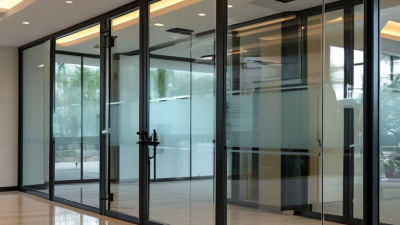
Fixed panels are not doors, but often pair with hinged or sliding sections to bring daylight deeper indoors. Glazing options include clear, frosted, and patterned glass; frame thickness and hardware affect both appearance and everyday handling. For busy sites, check the manufacturer’s documented performance for the intended use, including safety glazing and applicable fire ratings. A slim frame looks elegant, but may not suit every opening. Measure carefully.
Tips: Test the door’s swing or slide path against furniture and foot traffic. Ask how the hardware is adjusted and maintained. Small details matter. Compare complete specifications, not just frame appearance, and confirm that glass, seals, and installation suit the project’s climate. There is no universally best type; even a carefully planned choice may need adjustment after people begin using the space.
Glass, Frames, Hardware, and Design Options
Steel-and-glass doors pair slim steel profiles with clear, frosted, or reeded glass. Clear panels bring daylight into a hallway; frosted glass softens views near a bathroom or office. Laminated glass can help hold fragments together if broken, while insulated glazing suits doors exposed to outdoor temperatures. The U.S. Department of Energy reports that heat gain and loss through windows account for about 25%–30% of residential heating and cooling energy use. This figure concerns windows, but it highlights why glass performance matters in glazed openings.
Frame choice shapes both appearance and upkeep. Thermally broken steel frames reduce heat transfer through the metal, while powder-coated finishes can help resist scratches and corrosion. For hardware, check hinge capacity, handle grip, and latch alignment against the door’s weight and daily use. Pivot doors create a clean, wide opening; hinged doors are often simpler to fit in tighter rooms. Small details matter. I would still check the frame finish against the actual site conditions; sample colors can look different in morning light.
Tips: Ask for the glass build-up, safety-glazing specification, and frame details in writing. Test a hardware sample if possible. A heavy door that closes poorly is not a design success. Confirm wall dimensions and floor level before ordering, since small installation errors can leave uneven gaps.
Performance Features and Common Applications
Steel glass doors combine slender metal frames with large glazed panels, but their performance depends on more than appearance. Hinged doors suit entrances and interior partitions where a clear swing area is available. Sliding doors save floor space in offices, meeting rooms, and compact homes. Pivot designs can accommodate wider openings, though their weight and hardware need careful planning.
Thermal breaks, weather seals, and insulated glazing help reduce heat transfer and drafts in exterior applications. Interior doors usually prioritize light flow and sound separation instead. The right glass matters. Tempered or laminated safety glazing can help manage breakage risks, while frame finish and drainage details affect durability in exposed locations. A dark frame may look crisp, yet show dust and fingerprints more clearly.
Fit matters just as much. Poorly aligned frames can cause sticking, uneven gaps, or weak seals. Not every opening needs a heavy steel system. For a small renovation, the frame’s visual weight may feel excessive, and that is easy to underestimate from drawings alone. Check opening dimensions, expected use, and local building requirements with a qualified professional before specifying a door.
How Global Buyers Compare and Specify Steel Glass Doors
Global buyers compare steel glass doors by matching frame construction, glazing, and hardware to the project—not by appearance alone. Start with opening size, wall depth, and expected traffic. A slim frame may suit an interior office, while an exterior entrance may need thermal-break construction and insulated glass. Ask suppliers for section drawings, glass specifications, finish details, and documented performance data. “Steel-framed” can describe different assemblies, so confirm the actual material and profile.
Tips: Request a sample corner with the proposed glass and finish. Check sightline width, weld quality, and color under natural light. Confirm hinge capacity and replacement-part availability. A polished sample helps, but it cannot show installation tolerances or shipping protection.
Compare quotations on the same specification sheet. State glass thickness, safety-glazing requirements, frame dimensions, coating, handle type, and installation scope. For coastal or humid locations, ask how the finish resists corrosion and how exposed joints are sealed. Clarify packing dimensions and crate protection before approving shipment. Small omissions matter. I would not choose solely on the lowest price; however, premium details are not useful if they do not fit the opening or maintenance plan. Review the drawings carefully, and flag uncertain measurements before production. A few millimeters can change the result.