Leave Your Message

What Are the 2026 Top Metal Screen Doors?

What Are the 2026 Top Metal Screen Doors? The answer is becoming more practical, not merely more stylish. Recent market studies from Grand View Research and The Freedonia Group show continued demand for durable doors, energy-conscious building products, and improved residential security. However, these reports usually group screen doors with broader door and window categories. That limitation matters. Metal Screen Doors deserve separate evaluation.

The strongest 2026 models will likely combine corrosion-resistant aluminum or galvanized steel with tighter mesh, reinforced corners, and adjustable hardware. Look closely at the frame joints. They should feel rigid, not hollow or loose. A powder-coated surface can resist fading, but coastal homes still need careful material selection. Stainless-steel fasteners help. Poor installation can defeat excellent materials.

Building-envelope expert Joseph Lstiburek has repeatedly emphasized, “Water is the most important load on a building.” His warning applies here. A screen door must shed rain, protect the threshold, and allow ventilation without inviting moisture damage. That sounds obvious. It is often missed.

Consumer expectations are also changing. Buyers want airflow, insect protection, security, and a clean appearance from one product. Yet no door wins every situation. Heavy steel may improve impact resistance, while aluminum offers easier handling and better corrosion performance. The best choice depends on climate, traffic, pets, and installation quality. This guide compares the leading Metal Screen Doors for 2026 using material performance, mesh strength, ventilation, maintenance needs, and verified user experience. Some rankings remain debatable. That is useful, because the “top” door should fit the building, not just the brochure.

What Are the 2026 Top Metal Screen Doors?

What Defines a Top Metal Screen Door in 2026?

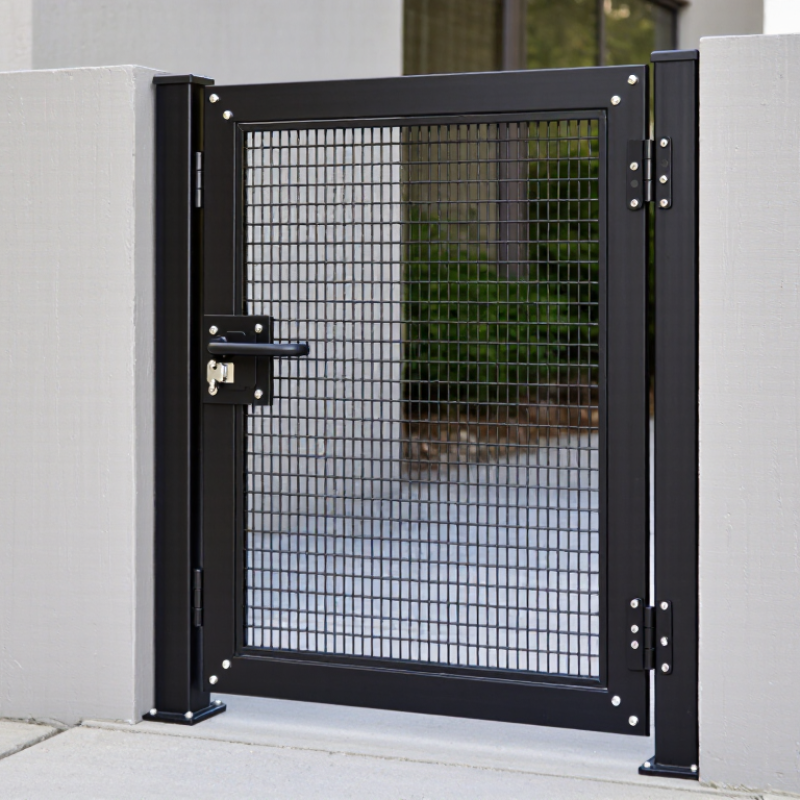
A top metal screen door in 2026 is defined by balanced performance, not appearance alone. It should provide steady airflow, clear visibility, and dependable protection at the entryway. Strong aluminum or galvanized steel frames resist bending during daily use. A durable powder-coated finish also helps reduce fading, scratches, and surface corrosion.

The screen itself deserves careful attention. Fine stainless steel mesh can improve resistance against tears and forced pressure. However, thicker mesh may slightly reduce ventilation and daylight. A well-designed door should include reinforced corners, secure hinges, and an adjustable closing mechanism. These details prevent rattling when wind moves through the entrance. They also make the door easier to operate for children and older adults.

Professional installation remains important. Even a strong door can perform poorly when the frame is uneven. Measurements should account for threshold height, wall condition, and seasonal movement. During practical inspections, I look for smooth closing, consistent gaps, and firmly attached fasteners. Small gaps matter. They can admit insects, dust, or unwanted drafts. Still, no metal screen door is perfect. Heavier security mesh may feel less welcoming, while lightweight designs may need more maintenance. Buyers should review material thickness, coating quality, repair options, and local weather demands before choosing. A top model is not merely strong; it fits the home, the climate, and the people using it every day.

What Are the 2026 Top Metal Screen Doors? - What Defines a Top Metal Screen Door in 2026?

Evaluation Dimension Strong 2026 Benchmark Why It Defines a Top Door What to Verify Before Purchase
Primary Frame Material Powder-coated aluminum for low weight and corrosion resistance, or galvanized steel for higher impact strength The frame must remain rigid, square, and resistant to outdoor moisture over repeated use Confirm the metal type, wall thickness, protective coating, and suitability for the local climate
Mesh Material Stainless-steel mesh for high security; aluminum mesh for lighter residential applications Metal mesh offers better resistance to tearing, scratching, and pet damage than ordinary fiberglass mesh Check mesh grade, wire diameter, weave consistency, edge retention, and resistance to corrosion
Security Mesh Aperture Approximately 1.5–2.0 mm aperture for security-oriented mesh, while maintaining useful airflow A smaller opening makes forced entry and cutting more difficult without fully blocking ventilation Request the actual aperture and wire-size specification rather than relying on the word “security”
Airflow and Visibility Open-weave mesh with clear outward visibility and minimal obstruction to natural ventilation A quality screen door should improve ventilation and daylight access while preserving security Compare the open-area percentage, mesh openness, and visibility from both sides
Corrosion Protection Durable powder coating or equivalent finish, with enhanced protection for coastal and high-humidity locations Corrosion protection preserves appearance, fastener strength, and smooth operation Look for coating details, pretreatment information, stainless or corrosion-resistant fasteners, and care requirements
Impact Resistance Reinforced corners, strong perimeter rails, and a mesh system that resists denting and deformation A rigid assembly is more likely to remain aligned after accidental impacts, heavy use, or pet contact Inspect corner joints, mid-rails, hinge-side reinforcement, and published impact-test information
Locking Hardware A keyed or high-quality latch with a positive engagement mechanism and corrosion-resistant components The lock and strike area are critical because strong mesh is ineffective if the door hardware is weak Check latch depth, strike reinforcement, key operation, inside release, and compatibility with the entry door
Hinges and Closing System Adjustable hinges plus a controlled closer that returns the door fully to the latch position Reliable self-closing reduces gaps, improves security, and helps prevent insects from entering Test closing speed, alignment, hinge adjustment, and full latch engagement from different opening angles
Weather Sealing Continuous perimeter seals or weatherstripping, with a properly fitted bottom sweep or threshold seal Sealing helps limit drafts, dust, insects, and wind-driven moisture around the opening Check seal continuity at the hinge, latch, top, and sill areas; verify replacement-seal availability
Installation Tolerance Adjustable mounting points or a documented fit range that matches the measured opening Accurate fitting prevents rubbing, uneven gaps, premature wear, and latch misalignment Measure width and height at multiple points and compare them with the manufacturer’s finished-size chart
Accessibility and Daily Use Smooth operation, comfortable handle height, low opening force, and an unobstructed threshold A durable door must also be practical for children, older adults, and frequent traffic Operate the door repeatedly and check handle reach, threshold height, closing force, and pinch points
Maintenance Requirements Routine cleaning with mild soap and water, plus periodic inspection of fasteners, hinges, seals, and latch alignment Low-maintenance construction reduces long-term ownership effort and helps preserve performance Review cleaning instructions, lubrication points, replacement-part availability, and repairability
Sustainability Long service life, replaceable components, recyclable metal content, and minimal disposable parts A repairable metal door can reduce replacement frequency and material waste Look for recycled-content information, component replacement options, and end-of-life recycling guidance
Best Overall 2026 Profile Rigid corrosion-protected frame, durable metal mesh, reinforced lock area, adjustable hardware, effective seals, and serviceable parts This combination balances security, ventilation, weather resistance, appearance, usability, and long-term value Evaluate the complete door assembly rather than judging only the frame, mesh, finish, or lock in isolation

Note: The benchmarks above are practical comparison criteria for residential and light-commercial metal screen doors in 2026. Actual performance depends on construction, installation quality, climate, and maintenance.

Key Materials and Construction Standards

The 2026 top metal screen doors should be judged by materials and construction, not appearance alone. Aluminum offers low weight and strong corrosion resistance for humid entrances. Galvanized steel provides greater impact strength, but exposed cut edges can rust quickly. Stainless steel performs well near salt air, although its higher cost needs justification.

Look for welded or tightly crimped corners, reinforced hinge rails, and a full-length anti-sag bar. A door that flexes during opening may damage the latch within months. Powder coating can improve surface durability, but poor preparation still causes peeling. Details matter.

The 2024 Global Status Report for Buildings and Construction states that buildings consume about 32% of global energy and produce roughly 34% of energy-related carbon emissions. A screen door cannot transform that balance, yet it can support natural ventilation when weather permits. That benefit depends on a tight frame, correctly fitted mesh, and smooth operation.

For technical evaluation, manufacturers should provide test evidence where applicable. ASTM E283 addresses air leakage, while ASTM E330 evaluates structural performance. ASTM E331 examines water penetration. These tests were developed mainly for fenestration systems, so buyers should verify the exact product scope. I would also inspect drainage paths, fastener materials, and mesh tension personally. Ratings can look impressive. Real installation errors remain common.

Security, Ventilation, and Weather Resistance Compared

What Are the 2026 Top Metal Screen Doors?

The strongest 2026 metal screen doors balance security with daily airflow. Look for welded steel or aluminum frames, reinforced corners, and tamper-resistant fasteners. ASTM F476 testing can help assess resistance in swinging door assemblies, although results depend on installation quality. A door may look tough and still fail at weak hinges.

Ventilation remains practical, not decorative. ASHRAE Standard 62.2-2022 uses 0.35 air changes per hour as a residential ventilation reference, with a minimum of 15 cubic feet per minute per occupant. A screen door supports cross-breezes, but it cannot replace required mechanical ventilation. Wider mesh improves airflow, while smaller mesh blocks insects better. This trade-off is easy to overlook.

Weather resistance needs equal attention. The U.S. Department of Energy notes that natural ventilation can reduce cooling demand when outdoor conditions are suitable. Coastal homes should consider corrosion-resistant coatings, stainless hardware, and sealed frame joints. ASTM testing for air, water, and structural performance offers useful comparison points, but screen-door standards are not perfectly uniform. Even the best model can corrode when water collects below the threshold. Installation details matter more than many product charts admit.

Security
Welded frames, reinforced corners, and tamper-resistant fasteners
Ventilation
Airflow and insect protection require a practical mesh balance
Weather resistance
Coatings, hardware, joints, and installation details matter

Smart Features, Customization, and Installation Options

The 2026 top metal screen doors combine stronger steel or aluminum frames with practical smart features. The U.S. Department of Energy’s Energy Saver guidance supports natural ventilation when outdoor air is cooler and cleaner. A screen door can help, but only when its mesh, seals, and opening direction suit the home.

Look beyond a phone-controlled lock. Useful options include entry sensors, adjustable closers, keypad access, and alerts when the door remains open. Parks Associates’ 2024 smart-home research reports continued growth in connected-device adoption, yet compatibility still varies between home systems. That matters during installation. A door may fit perfectly but communicate poorly with existing controls.

Customization should cover more than color. Homeowners can specify pet-resistant mesh, finer insect screening, reinforced corners, threshold height, hinge position, and corrosion-resistant finishes near coastal areas. Measure twice.

Professional installers can correct uneven openings, weak masonry anchors, and poor drainage. DIY installation costs less, but inaccurate measurements may create rubbing, gaps, or unreliable latching. The National Association of Home Builders continues to identify remodeling as a major driver of residential product demand, supporting flexible replacement options rather than one-size-fits-all doors.

One detail is easy to miss: smart hardware adds maintenance points. Batteries fail. Sensors need alignment. I would choose a manual override every time. The “smartest” door is not always the safest or most convenient choice.

How to Choose the Best Metal Screen Door for Your Home

What Are the 2026 Top Metal Screen Doors?

Choosing the best metal screen door starts with your climate, doorway, and daily habits. In humid or coastal areas, powder-coated aluminum usually resists corrosion better than untreated steel. Steel offers stronger impact resistance, but it needs a durable protective finish. Check the frame corners closely. Weak joints can loosen after repeated slamming.

Ventilation matters, too. The U.S. Energy Information Administration’s 2020 Residential Energy Consumption Survey reported that about 89% of U.S. households used air-conditioning. A well-fitted screen door can support natural airflow and reduce insects entering during mild weather. However, it cannot replace insulation or efficient cooling equipment. That distinction is often overlooked.

Look for stainless-steel fasteners, reinforced hinges, and a hydraulic closer with adjustable speed. A fine fiberglass or metal mesh can improve insect control, while heavier mesh may better withstand pets and children. ASTM test methods can help compare impact and corrosion performance, but testing does not guarantee perfect installation results. Measure the opening at several points, because older homes rarely stay square. Leave enough clearance for the threshold and weather movement. Small gaps matter. I would also inspect the latch every season; even a strong door becomes unreliable when alignment shifts. Industry guidance from the Door and Access Systems Manufacturers Association emphasizes correct anchoring and hardware selection, not appearance alone.

What Are the 2026 Top Metal Screen Doors?

How to choose the best metal screen door for your home: compare representative metal materials by tensile strength and relative corrosion resistance. Higher strength supports security, while higher corrosion resistance generally means easier long-term maintenance.

Benchmark basis: representative published values for common aluminum 5052-H32, galvanized low-carbon steel, and stainless steel 304. Corrosion resistance is a practical relative index from 1 to 5, not a universal laboratory rating; actual performance depends on coating, exposure, hardware, installation, and maintenance.