Leave Your Message

2026 Best Wood Exterior Doors for Global Buyers?

Choosing among the 2026 best Wood Exterior Doors requires more than comparing photographs and listed prices. Global buyers face different climates, building standards, shipping routes, and installation practices. A door that performs well in a dry mountain town may swell in a humid coastal city. This guide examines species, joinery, finishes, insulation, security hardware, and after-sales support. It also considers measurable details, including panel thickness, weather seals, warranty terms, and replacement-part availability. Small details matter.

Our recommendations follow practical evaluation criteria used by architects, installers, importers, and experienced homeowners. We look for responsibly sourced timber, stable construction, accurate dimensions, and finish systems suited to local exposure. Buyers should request moisture-content data, technical drawings, and independent performance documentation before ordering. FSC certification may support responsible sourcing, but it does not guarantee long-term door performance. Regional code compliance must be verified with qualified professionals, especially for fire ratings, accessibility, and wind resistance. Trust, not marketing language, should guide the final decision.

The article compares solid wood, engineered wood, and hybrid assemblies without claiming that one material fits every project. A heavy oak door may feel impressive, yet it can require stronger hinges and careful alignment. A lighter engineered design may offer better dimensional stability, but its veneer quality deserves close inspection. No buying guide is flawless. Site conditions, installer skill, and maintenance can change the outcome. Use these findings as a practical starting point, then confirm specifications with the manufacturer and local building experts. Good design begins with honest questions.
2026 Best Wood Exterior Doors for Global Buyers?

Wood Exterior Doors in 2026: Types, Designs, and Core Features

Wood exterior doors in 2026 combine natural character with improved weather protection. Popular types include solid wood, engineered wood, and wood-clad doors. Solid wood offers rich grain and strong visual appeal. However, it may expand or shrink with humidity changes. Engineered wood usually provides better dimensional stability.

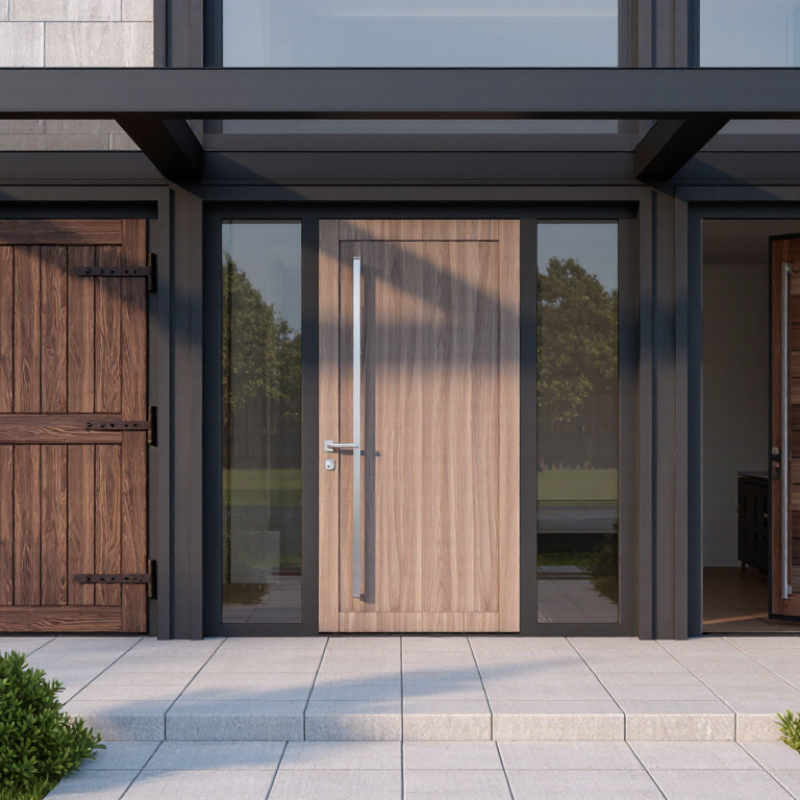
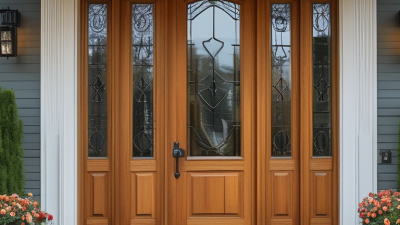
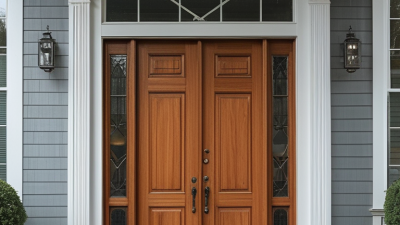
Design choices now range from clean slab panels to traditional raised panels. Glass inserts can brighten a dark entryway, while narrow vertical windows create a taller appearance. For coastal or rainy regions, choose a deep overhang, sealed edges, and a moisture-resistant finish. A warm walnut tone may suit modern stone walls, while painted wood works well with lighter façades.

Core features deserve careful inspection. Look for multi-point locks, adjustable hinges, insulated cores, compression weather seals, and a durable threshold. Low-emissivity glass can reduce heat transfer, but its performance depends on correct installation. Measure the opening precisely, including wall depth and floor level. Small errors can cause drafts.

Maintenance is often underestimated. Inspect the bottom edge after heavy rain. Recoat exposed surfaces when the finish becomes dull or cracked. No door is perfect. Even premium construction can fail with poor drainage or careless fitting. Buyers should request moisture data, warranty terms, installation guidance, and testing documents from the supplier. Regional building requirements also need checking, because climate and safety expectations differ widely. A beautiful door still needs practical care.
Choosing Wood Species for Different Global Climates

2026 Best Wood Exterior Doors for Global Buyers?

Choosing Wood Species for Different Global Climates

Wood doors do not perform equally in every climate. The right species depends on moisture, sunlight, temperature changes, and maintenance access. In humid coastal regions, teak and genuine mahogany offer strong dimensional stability. Their natural oils can resist moisture, but exposed end grain still needs careful sealing. Salt air is unforgiving.

For hot, dry regions, consider dense hardwoods with stable movement. Teak can handle intense sunlight, although its surface may fade without regular finishing. Western red cedar is lighter and easier to work with. However, it dents more easily and may require stronger protection around busy entrances. In tropical rain zones, poor detailing can defeat even an excellent species. A wide roof overhang, sloped sill, and reliable drainage matter greatly.

Temperate climates offer more flexibility. White oak performs well when properly sealed, while cedar suits sheltered entrances with lower impact. In cold regions, stable construction matters as much as species. Engineered wood cores can reduce seasonal warping, but the exterior veneer and joinery must still resist water. I have seen beautiful doors fail because installers ignored the threshold and hinge side. That mistake is expensive.

No species performs perfectly. Buyers should confirm legal sourcing, moisture content, finish compatibility, and local repair skills before ordering. A door that survives one rainy season may still reveal weaknesses after several winters. Regular inspection around joints, glazing, and the bottom rail remains essential.

Comparing Door Construction, Insulation, Security, and Durability

Choosing a wood exterior door for international use requires more than attractive grain. Construction determines how the door handles movement, moisture, and daily impact. I usually inspect the core, joints, edge sealing, and panel alignment before judging appearance. Engineered wood cores often resist warping better than wide solid boards. However, poor bonding can still create weak points. A thick door is not automatically a strong door.

Insulation depends on the entire door system, not the slab alone. Look for a tested U-value, continuous weatherstripping, and an adjustable threshold. Small gaps can admit cold air, dust, and driving rain. In humid regions, ventilation and moisture-resistant finishes matter greatly. In cold climates, thermal bridging around glass and hardware deserves attention. Condensation may appear on the interior surface when installation is careless.

Security starts with a reinforced frame and properly fixed hinges. A multipoint lock, strong strike plates, and laminated glass can improve resistance to forced entry. Yet security hardware cannot correct a weak wall connection. Durability also depends on exposure. Direct sun may fade coatings, while coastal air accelerates corrosion. Use stainless or suitably protected hardware where salt is present. Maintenance schedules should match the climate, although buyers often underestimate this requirement. No wood door is maintenance-free. Some advice seems too confident because real buildings rarely match laboratory conditions. Ask for independent test results, installation guidance, and repair procedures before purchasing.

2026 Best Wood Exterior Doors for Global Buyers

Comparing door construction, insulation, security compatibility, and durability

How to read this comparison: The thermal values are estimated leaf-only R-values for a 44 mm door leaf, calculated from representative thermal-conductivity values of common materials. Security and durability scores are relative construction indices from 1 to 5, not formal certification ratings.

Insulated wood doors generally provide better thermal performance than solid timber doors, while laminated or engineered wood improves dimensional stability. For real projects, buyers should also verify the complete door assembly, weather seals, frame, threshold, glazing, hardware, and compliance with applicable local standards.

Global Standards, Certifications, and Installation Requirements

For 2026, global buyers should treat a wood exterior door as a tested building component, not merely a decorative product. The International Energy Agency reports that buildings consume about 30% of global energy. Door performance therefore matters, especially in cold, hot, or humid regions. Request verified U-factor, air leakage, water penetration, and resistance-to-wind results. NFRC rating procedures support comparable thermal data, while EN 14351-1 applies to external pedestrian doorsets in European markets.

Certification must match the destination country. A European shipment may require CE marking under the Construction Products Regulation, supported by performance documentation. North American projects commonly reference NFRC 100, NFRC 200, ASTM E283, and ASTM E331 testing. FSC-certified timber can also provide traceability for responsibly sourced wood. However, certification alone is not enough. A certificate may describe a tested assembly, not every installed doorway.

Installation decides whether laboratory performance survives real weather. Follow the manufacturer’s approved sill pan, flashing, sealant, and drainage sequence. ASTM E2112 offers useful guidance for exterior window and door installation. Leave proper clearance below the door, especially where snow or standing water is common. Check wall opening dimensions twice. Small errors become visible gaps.

Site experience exposes the weak points. I have seen beautiful doors fail because installers sealed the drainage path. That mistake is easy to repeat. Buyers should request installation drawings, maintenance instructions, local wind-load requirements, and compatible finish specifications before ordering. Standards help, but climate, workmanship, and honest documentation still determine performance.

Evaluating Costs, Maintenance, Suppliers, and Long-Term Value

For global buyers, a wood exterior door should be judged beyond its purchase price. Installation, freight, glazing, threshold design, and local labor can change the final cost sharply. A dense hardwood may resist dents, but it can also demand careful acclimatization before installation. Wood moisture content matters. Poor adjustment can cause swelling, sticking, or cracked joints within one season.

The International Energy Agency reported in its 2023 Energy Efficiency Market Report that buildings use about 30% of global final energy. A properly sealed door supports comfort, although it cannot repair poor wall insulation. Look for tested U-factor, air-leakage, water-penetration, and wind-load results. Suppliers should provide clear test documents, replacement-part policies, installation instructions, and traceable timber information. ISO 9001 certification can indicate controlled production, but it does not guarantee excellent craftsmanship. Ask for independent testing.

Tips: Request a delivered-cost quotation, not only a factory price. Confirm the warranty’s coverage for finish, hardware, and structural defects. Visit a completed project when possible. Check the sill after heavy rain. A five-year maintenance schedule is realistic in harsh climates, but coastal exposure may require earlier refinishing. I would not promise “maintenance-free” wood. That claim deserves skepticism. Long-term value comes from repairability, stable construction, and climate-appropriate finishing, not appearance alone. A lower-priced door may become expensive after repeated repainting or difficult replacement.

2026 Best Wood Exterior Doors for Global Buyers — Costs, Maintenance, Suppliers, and Long-Term Value
Door Type / Material Typical Exterior Use Indicative Door-Unit Cost (USD) Typical Installed Cost (USD) Expected Service Life* Maintenance Frequency Climate & Moisture Performance Thermal Performance Repairability Long-Term Value Procurement Considerations for Global Buyers
Engineered hardwood with wood veneer Residential front doors, apartments, sheltered entrances US$700–US$2,000 US$1,300–US$3,500 20–35 years Inspect annually; refinish approximately every 3–6 years Good stability
Lower risk of seasonal warping than many solid-wood constructions
Good
Often available with insulated cores and multi-point seals
Good
Surface damage can often be repaired if the veneer is sufficiently thick
High
Balanced purchase price, stability, and appearance
Confirm veneer thickness, core construction, edge sealing, moisture rating, and replacement-part availability
Solid western red cedar Covered entrances, coastal homes, rustic and contemporary designs US$900–US$2,600 US$1,600–US$4,300 20–40 years with regular coating Inspect every 6–12 months; refinish approximately every 2–4 years in exposed locations Good natural decay resistance
Requires protection from standing water and direct weather exposure
Good
Low-density wood offers relatively low thermal conductivity
Good
Soft surface can be sanded and refinished, but dents more easily
High
Good appearance and moderate weight reduce handling and installation demands
Use corrosion-resistant hardware; specify stable moisture content and a factory-applied exterior finish
Solid oak Traditional and premium residential entrances US$1,200–US$3,500 US$2,000–US$5,500 25–50 years with proper protection Inspect annually; refinish approximately every 3–5 years Moderate to good
Strong and durable, but requires careful sealing against moisture movement
Moderate
Usually benefits from an insulated core or thermally improved construction
Excellent
Deep sanding and component repair are generally feasible
High
Long service life and strong resistance to impact support higher upfront cost
Allow for substantial weight; verify hinges, frame strength, moisture content, and local fire-code requirements
Solid sapele or similar African hardwood High-end exterior doors, humid and high-rainfall regions US$1,400–US$4,000 US$2,300–US$6,200 30–50 years with scheduled maintenance Inspect annually; refinish approximately every 3–5 years Good to very good
Dense hardwood performs well when end grain and joints are fully sealed
Moderate
Density improves durability but does not replace weather seals or insulation
Excellent
Suitable for refinishing and localized repairs
High
Premium appearance and durability can justify higher acquisition cost
Request legal timber documentation, chain-of-custody records, and confirmation of kiln-drying and moisture control
Solid teak Very humid, tropical, marine, and luxury residential applications US$2,000–US$5,500 US$3,000–US$8,000 35–60 years with appropriate detailing Inspect annually; cosmetic refinishing approximately every 3–6 years, depending on finish preference Very good natural resistance
Still requires well-designed drainage, joints, and compatible coatings
Moderate
Dense material may require insulated construction for improved energy performance
Excellent
Durable and suitable for repeated maintenance
Medium to high
Excellent durability, but high material and freight costs affect payback
Confirm legally harvested origin, grade, kiln-drying, minimum thickness, and compatibility between finish and oily wood surface
Paint-grade engineered wood Budget-conscious projects, multi-unit housing, sheltered or semi-exposed entrances US$500–US$1,500 US$1,000–US$2,800 15–30 years Inspect annually; repaint approximately every 3–5 years Good stability
Performance depends heavily on edge sealing, primer, and the quality of the frame
Good
Insulated cores can improve energy efficiency at controlled cost
Moderate
Localized repairs are possible, but severe water damage may require replacement
High for budget projects
Low initial cost and stable dimensions reduce installation risk
Specify exterior-rated adhesives, sealed cut-outs, low-permeability paint systems, and replacement slab availability
Solid Douglas fir Painted or stained doors in temperate and sheltered climates US$800–US$2,400 US$1,400–US$4,000 20–35 years with careful maintenance Inspect every 6–12 months; refinish approximately every 2–4 years in exposed locations Moderate
Stable when properly dried and sealed, but less naturally decay-resistant than several dense hardwoods
Good
Moderate density supports reasonable thermal performance
Good
Can be machined, sanded, painted, and repaired relatively easily
Medium to high
Accessible price and good workability, with greater maintenance dependence
Specify vertical grain where available, sealed bottom edges, sheltered overhangs, and moisture-content documentation
Notes: Cost ranges are indicative 2026 planning estimates in U.S. dollars for a standard single exterior door approximately 900–1,000 mm wide, excluding unusual glazing, oversized dimensions, customs duties, taxes, and major structural alterations. Installed prices include typical frame, hardware, weather seals, and professional fitting but vary substantially by labor market and site conditions. Service life depends on design, drainage, exposure, installation quality, coating system, local humidity, ultraviolet exposure, and maintenance discipline. A canopy or deep overhang can materially extend coating life.