Leave Your Message

Top 10 Wooden Aluminium Door Suppliers Worldwide

Choosing a reliable supplier for Wooden Aluminium Door systems requires more than comparing catalogue images. This guide examines ten internationally recognized manufacturers and distributors serving residential, commercial, and hospitality projects. Each supplier is considered through practical factors, including material quality, engineering experience, product customization, delivery capability, and customer support. A well-designed door should feel solid, close smoothly, and remain stable through changing seasons.

The review looks closely at timber selection, aluminium alloy quality, thermal breaks, weather seals, glazing options, and surface finishes. Details matter. A factory-applied coating should resist fading, while carefully joined wood should reduce warping risks. Supplier transparency also matters. Clear specifications, tested performance data, warranty terms, and installation guidance can reveal more than polished marketing language. Where available, the discussion considers certifications, project references, production capacity, and export experience.

No ranking can fit every project. A supplier suited to a coastal hotel may not suit a private home in a dry climate. Local installers, building standards, budget limits, and maintenance expectations can change the result. Some companies publish limited technical information, which makes comparison less certain. That limitation deserves attention.

Readers should verify current prices, certifications, lead times, and after-sales policies directly with each supplier. Samples are valuable. Touch the finish. Inspect the corners. Ask how replacement parts are handled. This introduction sets the framework for evaluating the Top 10 Wooden Aluminium Door Suppliers Worldwide with a balanced, evidence-focused approach.
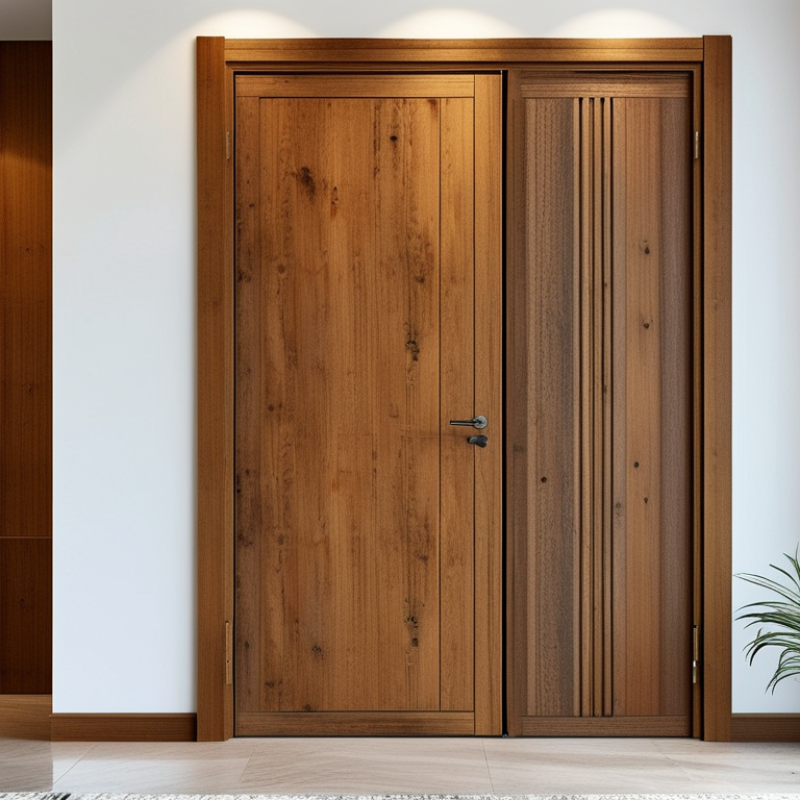
Top 10 Wooden Aluminium Door Suppliers Worldwide

What Wooden Aluminium Doors Are and Why They Matter

What Wooden Aluminium Doors Are and Why They Matter

Wooden aluminium doors combine a warm timber interior with a protective aluminium exterior. The timber gives rooms a natural texture and comfortable visual warmth. Aluminium resists rain, ultraviolet exposure, and surface wear. Together, they create a door suited to modern homes and demanding commercial entrances. The design is practical, not perfect. Poor detailing can still cause drafts, condensation, or water damage.

The design is practical, not perfect.

Poor detailing can still cause drafts, condensation, or water damage.

The issue matters because buildings consume enormous resources. UNEP’s 2022 Global Status Report states that buildings use about 34% of global energy and produce around 37% of energy and process-related carbon emissions. The U.S. Department of Energy also reports that windows can cause 25–30% of residential heating and cooling energy use. Glazed doors may face similar heat-loss risks. Thermal breaks, low-emissivity glass, and accurate installation therefore matter more than appearance alone. The International Aluminium Institute says recycling aluminium uses about 5% of the energy required for primary production. Timber sourcing still needs careful verification through credible chain-of-custody documentation.

Tips

Ask suppliers for U-values, air-leakage results, water-penetration tests, and product-level environmental data. Check the joint between aluminium and timber. That small line often decides long-term performance. Specify certified timber where possible, but do not treat certification as a complete sustainability answer. Manufacturing, transport, coatings, and replacement cycles also deserve review. A beautiful door can still be environmentally weak.
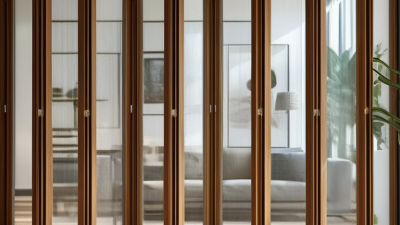
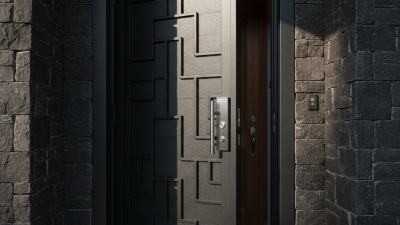
Key Features to Compare Among Global Door Suppliers

When comparing the top ten wooden aluminium door suppliers worldwide, begin with measurable performance, not catalogue photography. The International Energy Agency’s 2023 buildings report attributes about 30% of global final energy use to buildings. The 2023 Global Status Report for Buildings and Construction reports that buildings and construction represented 34% of global energy demand in 2022. Thermal efficiency matters.

Ask for tested U-values, air leakage, water penetration, and wind-load results. A reliable supplier should identify test standards, specimen sizes, and laboratory dates. Wood needs moisture control. Aluminium needs a continuous thermal break and durable coating. Request profile cross-sections. Avoid vague “premium insulation” claims.

Manufacturing evidence deserves equal attention. Compare timber moisture records, coating thickness, corner-joint details, batch traceability, and replacement-part availability. Installation can weaken factory-tested performance. Check site tolerances, drainage paths, fixing methods, and installer training. Compare warranty exclusions carefully. A polished sample can mislead. Whole-life cost should include glazing, hardware, freight, maintenance, and future repairs. Environmental Product Declarations and certified timber records add useful evidence, although paperwork alone cannot prove consistent production. The comparison is not perfectly clean; suppliers often publish laboratory results but provide limited field data. Request project references from similar climates, especially where heavy rain, coastal air, or sharp temperature changes are common.

Regional Overview of Leading Wooden Aluminium Door Manufacturers

Regional Overview of Leading Wooden Aluminium Door Manufacturers

European manufacturers often lead in engineered wooden aluminium doors. Suppliers in Germany, Austria, Italy, and Scandinavia emphasize thermal stability and precise joinery. Their products commonly pair kiln-dried timber with powder-coated exterior aluminium. Factory-controlled moisture levels matter. Small deviations can cause swelling, drafts, or difficult closing.

Manufacturers in Central and Eastern Europe often offer strong customization and competitive production capacity. Many supply doors with concealed hinges, triple glazing, and low-threshold systems. Buyers should inspect sample corners, gasket compression, and coating consistency. A polished catalogue is not enough. Production records and independent test reports provide stronger evidence of reliability.

Asian suppliers increasingly combine automated machining with traditional wood finishing. Their factories may offer flexible dimensions and short development cycles. North American manufacturers often focus on large openings, weather resistance, and project-specific engineering. Australian suppliers usually address intense sunlight, coastal air, and abrupt temperature changes. Regional expertise helps, but it cannot replace site assessment. Ask about timber origin, aluminium thickness, drainage design, installation training, and warranty response times. Some suppliers still understate installation risks. That deserves careful review. A door may perform well in testing yet fail after poor anchoring or uneven masonry. Experienced buyers compare factory samples, third-party results, and completed projects before selecting from the leading global suppliers.

How to Evaluate Quality, Customization, and Technical Support

When comparing the top 10 wooden aluminium door suppliers worldwide, quality should be judged beyond attractive photographs. Inspect the wood grain, aluminium thickness, corner joints, and surface finish. A reliable supplier should provide test records for weather resistance, insulation, air leakage, and hardware durability. Ask for production samples. Details matter.

Customization reveals real manufacturing ability. Confirm available wood species, powder-coating options, opening styles, glass specifications, and unusual dimensions. Technical drawings should show tolerances, drainage paths, hinges, locks, and installation gaps. Experienced suppliers explain limitations clearly instead of promising everything. That honesty builds trust. Still, even careful buyers can miss small issues, such as colour differences between samples and finished doors.

Tips: Request a full specification sheet before ordering. Compare warranty conditions, replacement-part availability, and response times. Ask whether support includes installation guidance, adjustment videos, and troubleshooting documents. A strong technical team should answer practical questions about wall conditions, moisture control, and local climate. Check references from projects with similar sizes and exposure. Avoid judging support by fast sales replies alone; after-sales communication is often slower and less polished. That weakness deserves attention. Suppliers with traceable quality checks, documented inspections, and clear responsibility for defects are usually safer long-term partners.

Top 10 Wooden Aluminium Door Suppliers Worldwide

How to Evaluate Quality, Customization, and Technical Support

This 100-point scorecard provides a neutral framework for comparing ten shortlisted suppliers without displaying company or brand data. Product quality receives the highest weighting, while customization, documented performance, technical support, and after-sales service complete the evaluation. Verify performance claims against applicable standards such as EN 14351-1, EN 12207, EN 12208, and EN 12210.

Buying Considerations for Selecting the Right Supplier

Choosing among the top 10 wooden aluminium door suppliers requires evidence, not attractive photographs. UNEP’s 2024 Global Status Report states that buildings consumed 32% of global energy and produced 34% of global CO2 emissions in 2023.

Therefore, request tested U-values, air leakage, solar performance, and material declarations. A supplier should explain the timber species, aluminium alloy, thermal-break design, coatings, and expected service life in clear language.

Ask for complete door-set test reports, not glass-only results. EN 14351-1 supports performance assessment for external pedestrian doors, while standards such as ASTM E283 and E331 examine air leakage and water penetration.

Check whether tests match your climate, wall structure, and installation method. Factory audits should review moisture control, corner joints, drainage paths, and dimensional tolerances.

Small gaps become expensive problems.

Sustainability claims also need traceability. The FSC Facts & Figures 2023 report recorded more than 160 million hectares under certified forest management, but certification alone does not prove every component is responsibly sourced.

Verify chain-of-custody documents and the percentage of certified timber. Compare warranty exclusions, replacement-part availability, packaging, lead times, and installer training.

A polished sample can still mislead. No checklist catches every site error.

I would keep one allowance for imperfect information and inspect a production sample before signing.