Leave Your Message

What Is a Steel Door and How Is It Used?

A Steel Door is more than a heavy metal panel. It is a working part of a building’s protective envelope. Its strength, fire performance, sound control, and security depend on the entire opening system.

Lori Greene, an experienced door-hardware consultant, offers a useful principle: “A door is only as reliable as the opening around it.” That idea matters in schools, hospitals, factories, offices, and apartment buildings. A strong Steel Door can still fail when its frame is poorly anchored, hinges are undersized, or the closer is badly adjusted. Small details become important.

In daily use, steel doors separate fire-rated zones, protect equipment rooms, control noise, and resist demanding traffic. Their galvanized or coated surfaces can withstand repeated impacts from carts, tools, and weather. Some models include vision panels, louvers, panic hardware, or insulated cores. Each feature changes the door’s performance.

Installation is not a minor finishing task. The frame must be plumb, square, and firmly connected to the wall. Hardware must match the door’s weight and intended use. Fire-rated assemblies also require compatible components and careful maintenance.

There is room for doubt.

A thicker door is not automatically safer. A higher price does not guarantee better performance. Even excellent products can underperform when specifications are vague or inspections are rushed. This guide examines what a Steel Door is, how it is constructed, and where it is commonly used. It also considers the practical compromises between durability, cost, appearance, maintenance, and accessibility.

What Is a Steel Door and How Is It Used?

Definition and Core Characteristics of a Steel Door

What Is a Steel Door and How Is It Used?

Definition and Core Characteristics of a Steel Door

A steel door is a door system made with steel sheets, an internal core, and a supporting frame. The steel skin provides strength, while the core may contain foam, mineral fiber, or a honeycomb structure. These materials affect weight, insulation, sound control, and fire performance. A well-made door should feel rigid, close evenly, and resist twisting during daily use. Steel doors are common in warehouses, apartment buildings, schools, workshops, and utility rooms. They suit locations that need durability and controlled access.

Important details include steel thickness, galvanization, hinge quality, lock preparation, and frame alignment. Thicker steel can improve impact resistance, but it also increases weight. A fire-rated door is not automatically safe in every installation. Its rating depends on the complete tested assembly, including the frame, hardware, seals, and installation method. That detail is often overlooked. In practice, poor alignment can cause rubbing, air gaps, or early hinge wear, even when the door itself is strong.

Tips: Check the wall opening before ordering. Confirm the required fire, thermal, and security specifications. Choose corrosion protection for damp areas. Inspect hinges and seals during routine maintenance. Do not force a heavy door that drags; the frame may need adjustment. Steel is tough, but it is not maintenance-free. Scratches and exposed edges can develop rust if left untreated. A careful inspection can reveal small problems before they become expensive repairs.

Main Types and Structural Components of Steel Doors

What Is a Steel Door and How Is It Used?

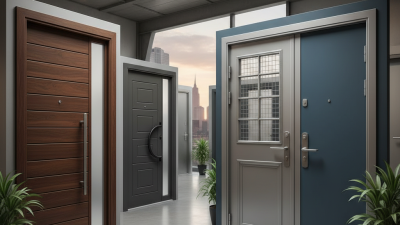
Steel doors combine thin steel skins with a reinforced frame, core, hinges, and locking hardware. The main types include hollow metal doors, insulated steel doors, fire-rated doors, and security doors. Hollow metal models suit warehouses and corridors because they resist impacts, moisture, and frequent use. Insulated doors add mineral wool or polyurethane cores, helping control temperature between conditioned spaces.

A door’s structure matters more than its surface. Steel skins protect the core, while vertical stiles and top rails reduce twisting. The frame transfers loads into the wall. Continuous hinges support heavy leaves, and perimeter seals limit smoke, drafts, and noise. Fire-rated assemblies must be tested as complete systems under standards such as NFPA 80. A higher rating does not automatically mean better daily performance. Poor installation still creates gaps.

Tips: Check the wall type, clear opening, rating, and traffic level before specifying a door. Confirm hinge capacity and closer strength on site. World Steel Association data reports over 680 million tonnes of steel recycled globally each year, supporting steel’s circular-use advantage. Still, recycled content varies by supplier and product. I have found that drawings often ignore thresholds; that small detail can collect water and cause early corrosion. Review drainage, sealant, and frame anchoring carefully.

Steel Door Leaf Thickness by Common Steel Gauge

Steel doors commonly use formed steel sheets over a core, with the leaf, frame, hinges, lock reinforcement, and closer reinforcement forming the main structural components. In the U.S. standard steel gauge system, a lower gauge number indicates thicker steel. The thickness values shown are approximate nominal sheet thicknesses: 18 gauge is about 1.2 mm, 16 gauge about 1.5 mm, and 14 gauge about 1.9 mm. Thicker sheets are generally selected where greater durability, impact resistance, or security performance is required.

How Steel Doors Are Manufactured and Installed

What Is a Steel Door and How Is It Used?

Steel doors are built for demanding spaces such as warehouses, schools, workshops, and commercial entrances. Their strength comes from formed steel skins, reinforced edges, and an internal core. The core may contain honeycomb, mineral fiber, or other tested materials. Each option affects weight, insulation, and fire performance.

Manufacturing starts with measured steel sheets. Machines cut and bend the sheets into precise panels. Workers then join the frame using controlled welds or mechanical fasteners. Hinges, locks, closers, and vision panels are installed according to the door’s intended use. Protective coatings help resist moisture and surface corrosion, but damaged areas still need prompt repair. Quality checks should examine dimensions, welds, alignment, and hardware movement. Small defects can become expensive problems.

Installation begins with checking the wall opening. It must be square, dry, and structurally sound. The frame is positioned with shims, then fixed securely to the surrounding structure. Installers check the frame’s plumb and level before hanging the door leaf. The door should swing smoothly without scraping the floor. Gaps must remain consistent around the edges. Fire-rated assemblies require compatible components and installation methods verified by approved testing. A rushed fit can weaken performance. Even experienced installers sometimes miss uneven floors or walls, so a second measurement is worth the time.

Common Applications in Residential and Commercial Buildings

A steel door is a door leaf made from formed steel skins, usually wrapped around a honeycomb, polystyrene, or mineral-fiber core. It is heavier than many residential doors, but it tolerates repeated impacts, temperature changes, and busy traffic. In homes, steel doors commonly serve as front, garage-to-house, basement, and utility-room entrances. Their smooth surfaces also accept paint, although scratches can expose metal to rust.

Fire safety is a major commercial application. According to the National Fire Protection Association’s Fire Loss in the United States During 2023 report, U.S. fire departments responded to approximately 1.39 million fires. Rated steel door assemblies can slow fire and smoke movement when the complete assembly is tested and installed correctly. Offices, apartments, schools, hospitals, warehouses, and stairwells often use them. Ratings depend on the door, frame, hardware, seals, and wall system. One component cannot compensate for another.

Security matters too. Steel doors are common at loading areas, plant rooms, service corridors, and building entrances. The International Building Code links many openings to fire, egress, and accessibility requirements. Details matter. A closer that slams, a damaged threshold, or an unsealed frame can reduce performance. Steel is not magic. In residential work, an overbuilt door may feel cold or difficult to operate. In commercial work, neglected hinges can create real maintenance problems. Facility teams should inspect alignment, hinges, locks, seals, and corrosion regularly, using NFPA 80 inspection practices where applicable.

Benefits, Limitations, and Maintenance Requirements

A steel door uses a steel skin around a core, often honeycomb, foam, or mineral material. It is installed in homes, workshops, warehouses, and controlled-access buildings. During site inspections, I have found that its value depends on the complete assembly, not the metal alone. The frame, hinges, lockset, closer, and seals must suit the opening. It feels solid. Yet construction quality varies widely.

Steel doors resist impact, warping, and heavy daily use better than many lightweight alternatives. A properly coated surface can also handle damp corridors and outdoor exposure. Some tested assemblies provide fire resistance, but the rating belongs to the entire door-and-frame system. Steel can improve security, too, although a weak frame or poorly fitted lock reduces that benefit. Weight is a practical limitation. Installation may require stronger hinges and accurate alignment. Steel also conducts heat, creating a cold surface or thermal bridge in some buildings.

Maintenance starts with a visual check every few months. Look for chipped paint, bubbling, rust near the bottom edge, loose screws, and worn weatherstripping. Clean the surface with mild soap and water, then dry it fully. Lubricate hinges and inspect the closer without forcing it. Small defects grow quickly. I once overlooked a narrow rust spot beneath a threshold; moisture later enlarged it. Touch-up coating helps, but deep corrosion may require professional repair. Replace damaged seals when drafts, light, or water appear around the perimeter.

What Is a Steel Door and How Is It Used? - Benefits, Limitations, and Maintenance Requirements
Dimension Information Typical Practical Data Overall Assessment
Definition A steel door is a door system made with a steel skin, steel frame, or both. Many commercial steel doors use hollow metal construction with internal reinforcement and a core selected for strength, insulation, sound control, or fire performance. Common materials include galvanized or coated steel sheets, steel frames, hinges, locks, closers, and optional insulated cores. Durable Construction
Common Uses Steel doors are widely used where security, durability, fire protection, or frequent operation is important. Commercial buildings, schools, hospitals, warehouses, factories, apartment buildings, utility rooms, service corridors, and exterior entrances. Highly Versatile
Security Steel provides strong resistance to forced impact and is difficult to split or puncture compared with many lightweight door materials. Security also depends on the frame, hinges, lockset, glazing, and installation quality. Suitable for controlled-access rooms, equipment areas, storage spaces, and high-traffic entry points when paired with compatible hardware. Strong Protection
Fire Performance Some steel door assemblies are tested and labeled for fire resistance. The rating applies to the complete door assembly, including the leaf, frame, hinges, latch, closer, and other required components. Fire ratings are commonly specified in minutes, such as 20, 45, 60, 90, or 180 minutes, depending on the tested assembly and applicable building requirements. Code-Dependent
Weather Resistance Exterior steel doors can resist rain, wind, and temperature changes when they have suitable protective coatings, weatherstripping, thresholds, drainage details, and correct installation. Inspect exposed doors more frequently in coastal, humid, industrial, or winter-salt environments because moisture and contaminants can accelerate corrosion. Depends on Finish
Energy Efficiency Insulated steel doors can reduce heat transfer through the door leaf. Actual performance is influenced by the core, frame, glazing, seals, threshold, and installation. Insulated cores may include polyurethane, polystyrene, mineral wool, or other materials selected for the required thermal or fire performance. Model-Specific
Sound Control A solid or insulated steel door can help reduce sound transmission, but acoustic performance depends on the complete assembly and the quality of perimeter seals. Best results require tight-fitting seals, a suitable threshold, limited gaps, and compatible wall and frame construction. Moderate to Good
Impact and Wear Resistance Steel doors generally tolerate repeated opening, carts, equipment movement, and heavy traffic better than many lightweight interior doors. Reinforced hinges, kick plates, edge guards, and protective plates can extend service life in demanding areas. Well Suited to Heavy Use
Limitations Steel doors can be heavy, may transmit heat without insulation, and can corrode if the protective coating is damaged or moisture remains trapped. They may also require stronger frames and hardware. Potential concerns include difficult handling, higher installation demands, surface dents, rust at scratches, and condensation in some temperature conditions. Requires Proper Selection
Corrosion Risk Rust may develop where the coating is scratched, cut, improperly repaired, or exposed to persistent moisture. Corrosion is more likely in coastal, chemical, and high-humidity environments. Use compatible primers and topcoats, maintain drainage, keep surfaces dry, and repair exposed metal promptly. Manageable Risk
Routine Cleaning Clean the door leaf, frame, hardware, and threshold with a soft cloth or sponge and a mild, non-abrasive cleaner. Remove dirt and salts before they accumulate. Inspect and clean at least every 6 to 12 months; increase the frequency in high-traffic or corrosive environments. Simple Maintenance
Hardware Inspection Check hinges, screws, locks, latches, closers, exit devices, and protective plates for looseness, wear, binding, or misalignment. Perform routine checks every 6 months or according to the building maintenance schedule; heavily used doors may need more frequent inspection. Essential Task
Seals and Thresholds Weatherstripping, door sweeps, gaskets, and thresholds help control air, water, smoke, dust, and sound. Damaged or compressed seals can reduce door performance. Inspect during routine maintenance and replace seals when they are cracked, loose, permanently compressed, or no longer provide continuous contact. Important for Performance
Paint and Surface Repair Small chips and scratches should be cleaned, dried, primed with a compatible corrosion-resistant primer, and coated with a suitable finish paint. Repair damage as soon as it is found, especially along bottom edges, hinge areas, corners, and exposed frame sections. Prevents Rust
Lubrication Lubricate hinges and other serviceable hardware only with products recommended for the specific hardware. Avoid contaminating fire or smoke seals. Lubrication intervals vary by hardware type and usage; inspect for squeaking, stiffness, or incomplete closing. Manufacturer-Guided
Replacement Indicators Replacement or professional repair may be needed when the door is warped, severely corroded, unable to latch, unable to close fully, or no longer maintains its required rating. Seek qualified assessment when a fire-rated assembly, emergency exit, security opening, or structural frame is damaged. Professional Review Needed
Best Selection Criteria Choose the door according to location, exposure, traffic level, security needs, fire requirements, insulation needs, hardware compatibility, and local building regulations. Confirm door thickness, core type, frame design, finish, corrosion protection, fire label, hardware preparation, and installation requirements before purchase. Application-Specific
Important: Fire, smoke, security, and energy-performance claims apply only when the complete door assembly is properly specified, tested or certified where required, and installed and maintained according to applicable regulations and manufacturer instructions.