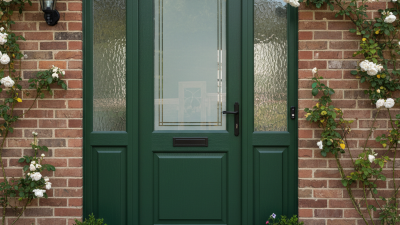
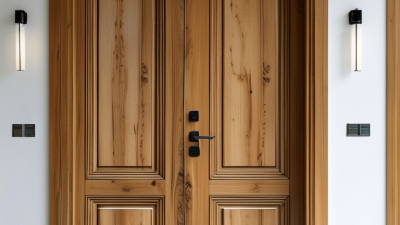
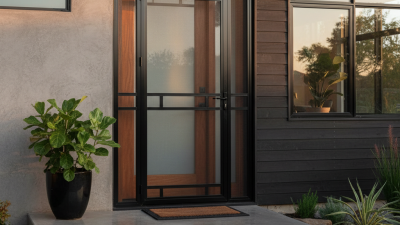
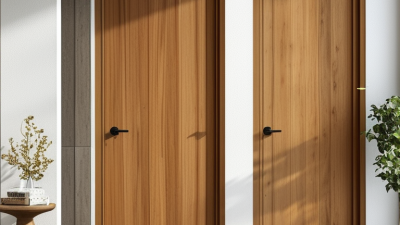
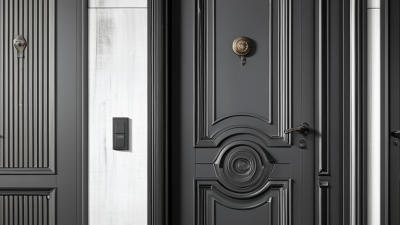
What are Composite Stable Doors and Their Benefits for Buyers?
Composite Stable Doors are gaining popularity among homeowners and builders alike. These doors combine style and functionality, making them a practical choice. According to a recent report by the Building Research Establishment, the use of composite materials in door manufacturing has increased by 25% over the past five years. This growth reflects a shift towards more durable and energy-efficient options in the door market.
Expert Tim Lewis, a renowned door specialist, states, "Composite Stable Doors provide excellent insulation and security while retaining traditional aesthetics." This insight highlights the doors' dual role as both protective and visually appealing elements for homes.
However, potential buyers should weigh the benefits against their specific needs. While Composite Stable Doors offer many advantages, they may not suit every architectural style. Researching the best options and consulting with professionals is essential to ensure the ideal choice is made. Ultimately, understanding the intricacies of Composite Stable Doors can lead to a more informed and satisfactory purchase.
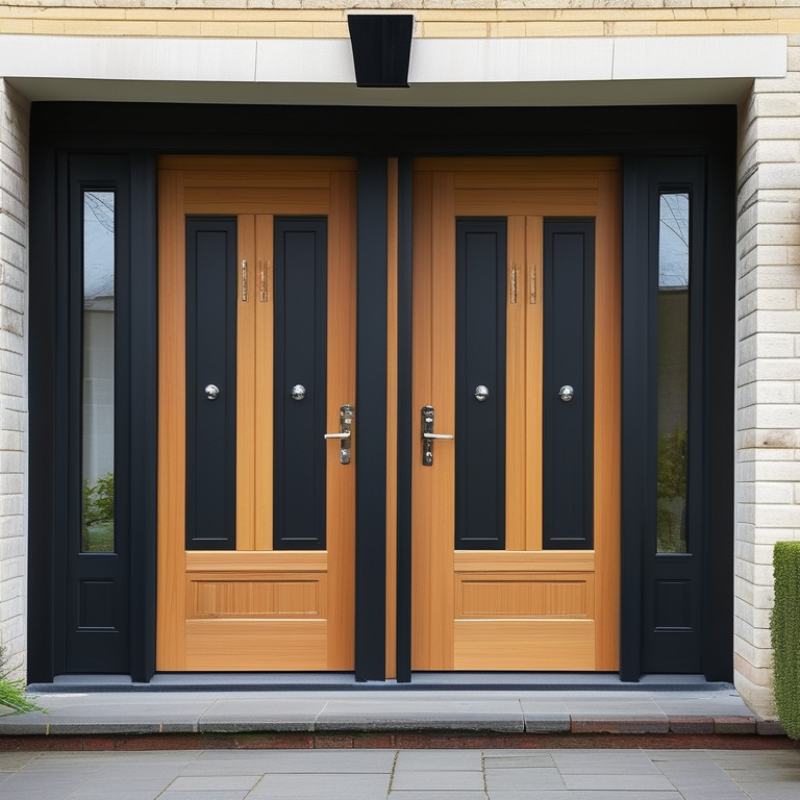
What are Composite Stable Doors?
Composite stable doors are a blend of aesthetic appeal and practical functionality. These doors split into two sections, allowing for independent movement. Homeowners can open the top part for ventilation while keeping the bottom closed for added security. This feature is particularly useful for families with children or pets, as it balances safety and airflow.
Constructed from modern materials, composite stable doors are durable and energy-efficient. They resist wear and tear, standing up to varied weather conditions. The materials are often engineered to mimic the appearance of traditional wood, offering charm without the upkeep. However, buyers should consider their specific needs. The initial investment may be higher compared to standard doors, yet the long-term benefits often outweigh these costs.
A key advantage of composite stable doors is their versatility. They suit various architectural styles, enhancing curb appeal. Buyers can choose from a wide array of colors and finishes to match their home’s design. Yet, some may find the customization process overwhelming. While options abound, selecting the right features can be complex. Reflecting on personal style and practical needs can help in making informed choices.
Key Features of Composite Stable Doors
Composite stable doors combine aesthetics and functionality. They typically have a durable, weather-resistant exterior, making them ideal for various climates. These doors are crafted from a blend of materials, such as timber and modern composites. This combination offers the charm of traditional wooden doors with enhanced performance benefits.
One key feature is the split design. Unlike standard doors, composite stable doors open separately at the top and bottom. This allows for ventilation while keeping pets and children safe inside. The customizable options further enhance their appeal. Homeowners can choose colors, finishes, and hardware that match their style.
Moreover, energy efficiency is another essential feature. Composite stable doors help regulate indoor temperatures. They often include insulation, reducing energy costs. While some might find the initial price higher, the long-term savings can outweigh this. The maintenance-free surface is appealing, yet it's important to consider potential fading over time. Overall, composite stable doors offer a blend of beauty and practicality for today’s homeowners.
Benefits of Composite Stable Doors for Buyers
Advantages of Composite Stable Doors for Homeowners
Composite stable doors offer homeowners a blend of functionality and style. Made from durable materials, they resist warping and fading. This makes them an excellent choice for varying weather conditions. The aesthetic appeal is also a strong point, coming in a variety of styles and colors. Homeowners can find options that match their existing home design, enhancing curb appeal.
One significant advantage is their energy efficiency. Composite materials provide excellent insulation, helping to keep homes warm in winter and cool in summer. This can lead to reduced energy bills, making them a cost-effective choice. Additionally, these doors often feature multi-point locking systems for enhanced security. However, some may find the initial investment slightly higher than traditional doors.
Durability is another factor to consider. Composite doors are built to last, but regular maintenance is still essential. Scratches and scuffs can diminish their appearance over time. Homeowners should remain proactive in caring for their doors to preserve their long-term benefits. Overall, composite stable doors provide a practical, stylish option, with some considerations to keep in mind.
Energy Efficiency and Insulation Benefits
Composite stable doors stand out for their energy efficiency and insulation capabilities. These doors are typically designed with a solid core, which provides significant thermal insulation. According to the Energies Journal, homes can lose up to 30% of their heat through traditional doors. Utilizing composite materials can mitigate this issue, leading to decreased energy usage and lower heating bills.
Studies indicate that homes equipped with high-quality composite doors maintain more consistent internal temperatures. An effective stable door can reduce the thermal transmittance by 40%. Buildings with superior insulation reduce their carbon footprint significantly, making them an eco-friendly choice. Additionally, the durability of composite stable doors results in fewer maintenance needs, translating into long-term cost savings.
However, energy-efficient products might have a higher upfront cost. Buyers should weigh long-term savings against initial expenses. Research shows that the return on investment for energy-efficient doors can reach up to 75% over time. This means while the initial price tag can be steep, the long-term benefits often justify the expense. Understanding these nuances is crucial for potential buyers.
Installation and Maintenance Considerations for Buyers
Composite stable doors offer unique advantages, but installation and maintenance are key factors to consider.
Firstly, the installation process requires careful planning.
A level door frame is essential for functionality. Precise measurements help avoid gaps that could lead to energy loss.
Homeowners should consider hiring professionals for installation, especially if they lack experience.
Correct installation enhances the door's durability and longevity, ultimately saving money in the long run.
Maintaining composite stable doors is fairly straightforward. Regular cleaning with mild soap protects against dirt
and grime buildup. Inspecting hinges and locks ensures they function properly. A lubricant can keep them in good condition.
Seasonal checks are vital; they help identify potential issues early. While these doors are resistant to weather damage,
ensuring that seals are intact will improve performance. Forgetting these simple maintenance tasks can lead to more
significant problems down the line.