How to Choose the Best Security Door for Your Home?
Choosing the right Security Door for your home is crucial for safety. This decision is about more than just aesthetics. A quality Security Door offers peace of mind for you and your family.
Consider the materials used. Steel and fiberglass doors provide superior strength. Wood can be beautiful but may not offer the same level of security. Look for reinforced frames and reliable locks. These details often make the difference.
Installation matters as well. Even the best Security Door won't protect you if not fitted correctly. Poor installation can leave vulnerable gaps. You may need to hire a specialist to ensure a secure fit. Reflect on your home’s weaknesses and remember: not all Security Doors are created equal. Be informed for the best choice.
Understanding the Importance of Security Doors for Home Safety
Security doors play a crucial role in home safety. According to a report by the National Council for Home Safety and Security, homes with effective security measures are 300% less likely to be targeted by intruders. A well-chosen security door serves as the first barrier against potential threats. It's essential that homeowners invest in robust doors made of high-quality materials to ensure maximum protection.
When assessing the security of your home, consider the door's frame and locking mechanisms. Doors should ideally have solid frames and multi-point locking systems. These features can significantly enhance the door’s resilience against forced entry. Remember, the visual deterrent effect of sturdy doors is equally important; they signal to potential intruders that your home is a poor target.
Evaluate your unique needs and your neighborhood. Sometimes, the best security door is not the most expensive one but the right fit. Access reports from local crime statistics to gauge which areas are at higher risk. This localized information can guide your decision-making. Regularly revisit your home’s security measures; what worked yesterday may not be adequate today.
Types of Security Doors Available in the Market
When selecting a security door, understanding the types available is crucial. Security doors fall into several categories, each designed for specific needs. Steel doors are popular for their durability and resistance to forced entry. According to a recent report, homes with steel doors have a 40% lower risk of burglary compared to those without them. Another option is fiberglass doors, which offer a balance of aesthetics and security. They resist dents and cracks, maintaining their appearance over time.
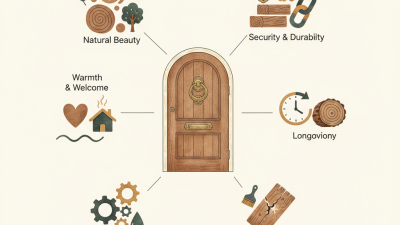
Wood doors may seem appealing for their beauty, but their security capabilities can vary greatly. A research study revealed that wooden doors, especially hollow-core designs, are more vulnerable. Homeowners should also consider storm doors, which provide an extra layer of protection. These doors often feature secure locks and heavy-duty frames. Yet, they may not be enough on their own. Combining a security door with a robust deadbolt can enhance protection significantly.
Additionally, biometric locks are emerging as a popular choice for many security doors. These locks use unique fingerprints for access, reducing the risk posed by lost keys. However, they require regular maintenance and battery checks. This complexity could deter some users. While advanced technology offers greater security, it also demands a commitment to upkeep. Assessing overall safety needs can guide the selection of the most suitable security door.
Key Features to Look for When Selecting a Security Door
When selecting a security door, focus on essential features that ensure safety and durability. Look for materials like steel or reinforced fiberglass. These options resist forced entry better than wood. A strong frame is also crucial; it can make a significant difference in protection. Weight indicates sturdiness. A heavier door often signals quality.
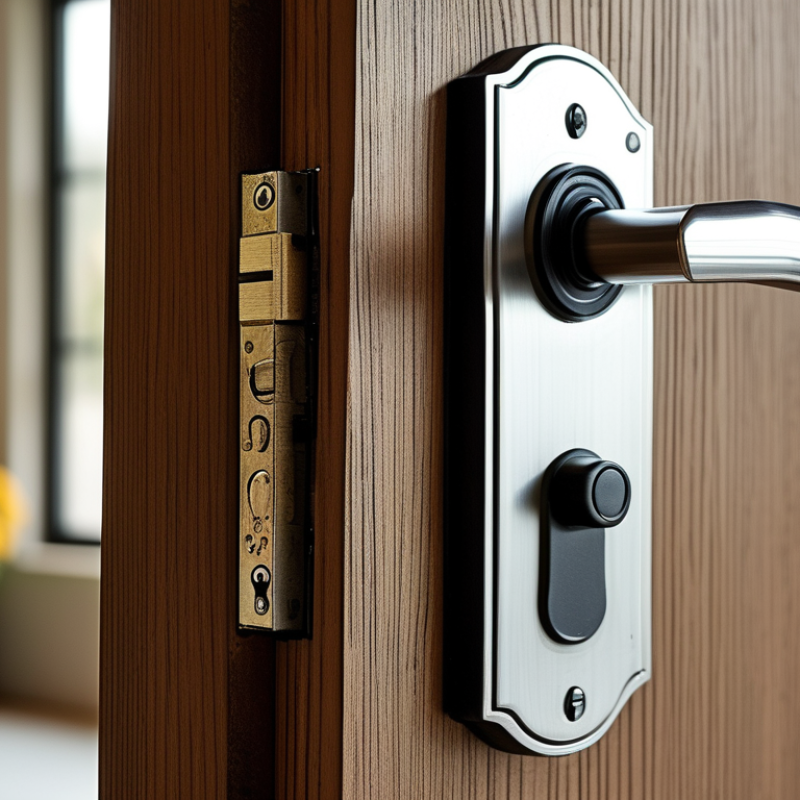
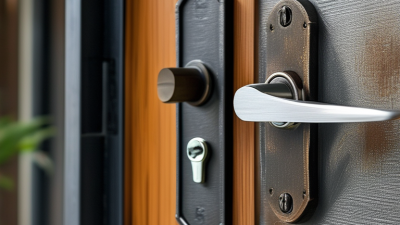
Consider the locking mechanism next. Choose a door with a multi-point locking system. This type provides multiple locking points along the frame, making it harder for intruders to break in. Deadbolts should be made from solid steel. Install a peephole or an intercom for added convenience and security.
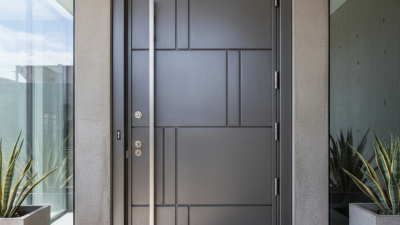
Don’t overlook the door's design. It should match your home's aesthetic while not compromising safety. A decorative security door could still be an effective barrier. Lastly, check for user reviews and expert recommendations before making a choice. Experience can guide you to better options, even if not all reviewed doors live up to expectations. Your decision should reflect both security needs and personal style.
How to Choose the Best Security Door for Your Home? - Key Features to Look for When Selecting a Security Door
| Feature |
Description |
Importance |
Recommended Specifications |
| Material |
The material of the door impacts its durability and resistance to break-ins. |
High |
Steel or reinforced fiberglass |
| Locking Mechanism |
A secure locking system that is difficult to bypass is essential for a security door. |
Very High |
Deadbolt or multi-point locking system |
| Thickness |
The thickness of the door influences its ability to withstand impacts and forced entry. |
High |
At least 1.75 inches |
| Design |
Aesthetics can be important, as security doors should complement your home’s style. |
Moderate |
Variety of designs and finishes |
| Installation |
Proper installation is crucial to ensure the door offers maximum protection. |
Very High |
Professional installation recommended |
Assessing Your Home’s Entry Points for Security Door Installation
Assessing your home's entry points is crucial for selecting the best security door. Begin by examining all potential access areas. Front doors, back doors, garages, and any side entrances should be evaluated. Each entry point may require different security features, like stronger locks or reinforced frames. Do not overlook windows, as they also need protective measures.
Consider the material of your security door. Steel doors offer high durability and can withstand blunt force. Wood doors may look appealing but provide less security. Reinforced glass can be an option, but make sure it is laminated to prevent shattering. Remember that aesthetics matter too, as the door should blend with your home’s design.
Evaluate how you can improve your entry points. Installing motion sensor lights can deter intruders. Trim bushes near doors to eliminate hiding spots. You may also need to install a peephole or camera, enhancing visibility. Reflect on how accessible your home feels. A well-protected entryway not only enhances security but also gives peace of mind.
Maintenance Tips for Ensuring Long-lasting Security Door Performance
Maintaining the integrity of your security door is crucial. A well-kept door can last from 20 to 30 years, depending on the material and care. Regular inspections are essential. Look for signs of wear, rust, or damage. This proactive approach can prevent costly repairs down the line.
Cleaning your door should be part of your routine. Use a mild detergent and water solution to remove dirt. Avoid abrasive cleaners that can scratch the surface. Proper lubrication of hinges every six months is also beneficial. This simple task can enhance your door's functionality and ensure a smooth operation. According to the National Association of Home Builders, a well-maintained door can improve your home’s security by up to 50%.
Consider environmental factors as well. Extreme weather conditions can affect door performance. Harsh sunlight can fade the finish, while humidity can lead to warping. Make adjustments based on your location. A little awareness goes a long way in extending the life of your security door. Regular maintenance not only protects your investment but enhances your peace of mind.
Security Door Features Comparison
This bar chart illustrates the importance of various features when selecting a security door for your home. Factors such as durability, ease of installation, and maintenance play crucial roles in ensuring long-lasting security door performance.