Best Solid Wood Internal Doors for Your Home Style?
Choosing the right doors can significantly influence your home's interior style and atmosphere. Solid Wood Internal Doors are a popular choice among homeowners for their durability and aesthetic appeal. According to a report by the National Wood Door Association, over 60% of home builders prefer solid wood doors due to their superior insulation properties and low maintenance.
Expert Mark Johnson, a leading figure in the woodworking industry, states, "The elegance of solid wood doors transcends trends." His insight highlights the timeless appeal of these doors. Solid Wood Internal Doors offer a range of styles, from traditional to contemporary, allowing you to customize your home’s look while maintaining functionality.
However, selecting the perfect door can be daunting. There are many options available, and not all wood is created equal. Some might struggle with finding the right balance between price and quality. It’s essential to consider not just style but also how these doors can withstand everyday use. Investing in high-quality solid wood doors can lead to a significant return in terms of home value and personal satisfaction.
The Importance of Choosing Solid Wood Internal Doors for Home Design
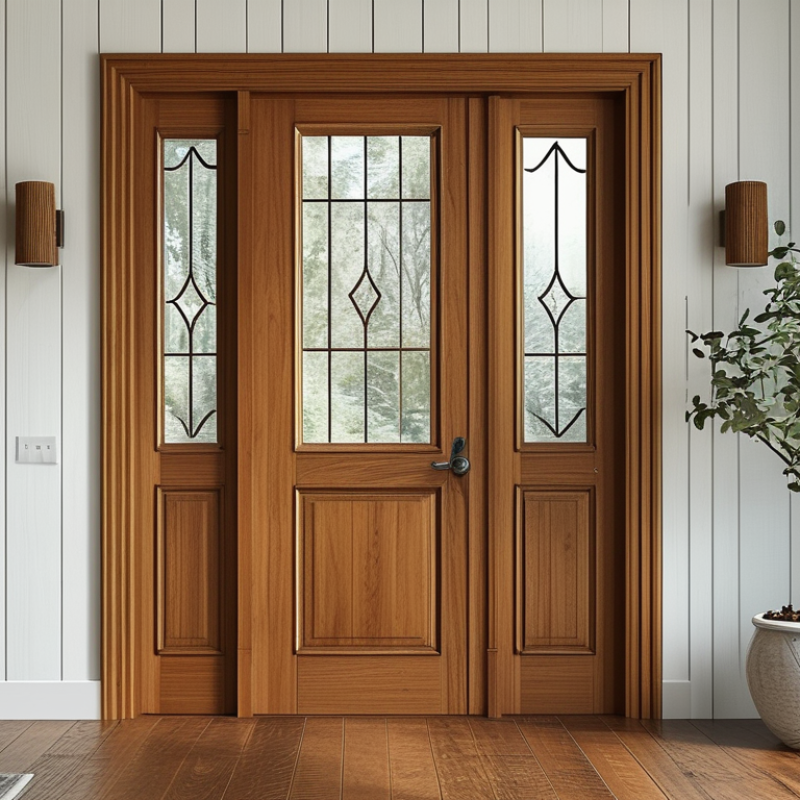
Choosing solid wood internal doors significantly influences your home's design. Their natural beauty adds warmth and texture, enhancing any room's atmosphere. Solid wood doors stand out against the typically manufactured materials used today. They create a rich, inviting environment that makes a strong statement.
In addition to aesthetics, solid wood doors offer durability. They withstand wear and tear, making them a long-term investment. However, not all wood is created equal. It's essential to research the types of wood available. Some may warp or fade over time, needing replacement sooner than expected.
Solid wood doors also provide excellent sound insulation, creating tranquility in your home. You might notice how sounds are muffled, giving personal spaces more privacy. Yet, choosing the right design and finish is crucial. A poorly chosen door can clash with your decor. Reflect on how each door complements the overall style of your home. Balancing function and beauty is key.
Types of Solid Wood Suitable for Internal Doors and Their Benefits
When considering solid wood internal doors, several wood types are favored for their unique benefits. Oak, for instance, is a durable choice with a beautiful grain that adds a touch of elegance. It is widely regarded for its strength, making it suitable for heavy usage. According to industry reports, oak can last over 30 years with proper care.
Maple is another notable option. It is lighter in color, providing a fresh and modern look. Maple doors resist warping and offer excellent durability, essential for various home styles. The natural hardness of maple makes it ideal for families and busy households.
Tip: Always check the moisture content before installation. Too much humidity can cause wood to expand, creating problems later.
Pine doors are also popular. With their rich texture and affordability, pine doors provide a rustic charm. However, pine is softer and may dent or scratch more easily. Inspect the wood closely to ensure you get a solid piece.
Tip: Consider the door’s finish. A high-quality finish will enhance durability and prevent damage.
Each wood type brings distinct qualities. Weigh these carefully against your home's needs. Your choice may reflect personal style but must also account for functionality and long-term performance.
Factors Affecting the Cost of Solid Wood Internal Doors in the Market
When considering solid wood internal doors, several factors influence their cost. The type of wood used is critical. Common choices include oak, maple, and cherry. Oak is durable and often more expensive than softer woods. For instance, a report from the National Wood Flooring Association notes that oak doors can range from $300 to over $1,000, depending on quality and design.
Another factor is the door's construction style. Solid core doors typically cost more than hollow core options. A study from the American Wood Council indicates that solid core doors offer better insulation and soundproofing. This makes them desirable, yet they are pricier. Costs can also vary based on thickness; thicker doors are usually more expensive.
Labor costs play a significant role in the total expense as well. Installation can range from $100 to $300 or more, depending on complexity. Custom doors, which require more craftsmanship, can further increase costs. In light of these factors, potential buyers should carefully weigh their choices based on budget and aesthetic preferences.
Top Styles of Solid Wood Internal Doors to Complement Home Aesthetics
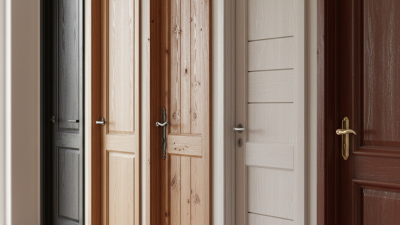
When considering solid wood internal doors, it's crucial to choose styles that enhance your home’s aesthetics. A recent report by the American Institute of Architects highlights that 70% of homeowners prioritize aesthetic appeal when selecting interior doors. Popular styles include traditional raised panel doors, modern flat-panel designs, and rustic barn doors. Each style conveys a unique character, impacting the overall feel of the space.
Rustic barn doors are gaining momentum for their charm and functionality. They effortlessly blend modern with vintage aesthetics. Meanwhile, traditional raised panel doors offer a sense of timelessness. They work well in classic settings, providing an air of sophistication. Flat-panel doors appeal to minimalists, emphasizing clean lines and simplicity.
Tips: Consider your home’s architecture when choosing door styles. A mismatch can create visual discord. Ensure that wood choices align with your home's color palette for cohesive design. Lastly, pay attention to door hardware. Handles and hinges play a subtle yet significant role in pulling the entire look together.
Maintenance Tips for Longevity of Solid Wood Internal Doors in Homes
Solid wood internal doors are a stunning choice for homes. They bring warmth and elegance. However, maintaining their longevity requires attention. A report from the National Wood Flooring Association suggests that proper care can extend the life of wooden products up to 30 years, depending on usage and environmental factors.
To preserve solid wood doors, keep humidity levels stable. Ideally, rooms should maintain a relative humidity of 30-50%. Excess moisture or dryness can cause twisting and cracking. Regular cleaning is essential; use a soft cloth to dust and avoid harsh chemicals. A mild soap solution is preferred if deeper cleaning is necessary. Ensure the door hinges are oiled periodically to avoid creaking.
Inspect your doors for signs of wear. Small scratches can lead to deeper damage over time. Refinishing every few years can restore the door’s beauty and protect it from further harm. Remember, even a high-quality door may falter without attention. Prioritize maintenance, and your solid wood doors will continue to enhance your home for years.