Why Choose Steel Doors for Your Next Global Project?
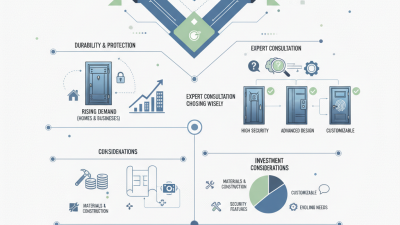
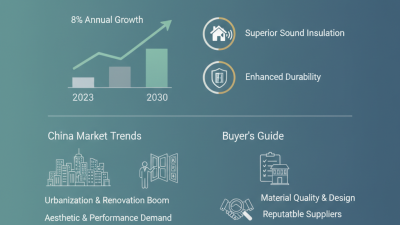
In today's construction landscape, choosing the right materials is critical for success. Steel doors have emerged as a favored choice in global projects. According to a report by MarketsandMarkets, the global steel door market is expected to reach $4.4 billion by 2025. This growth is fueled by their durability and security features.
Steel doors provide significant advantages over traditional materials. They offer increased resistance to weather conditions and impact. The National Institute of Standards and Technology highlights their role in fire safety as well. Steel doors can withstand higher temperatures, providing crucial time for evacuation during emergencies. However, factors like insulation, design, and cost can complicate the selection process.
Reflecting on these choices, it is essential to weigh both benefits and limitations. Steel doors may require more upfront investment compared to wood or fiberglass. Yet, their longevity and reduced maintenance costs can lead to savings over time. Understanding these dynamics helps in making informed decisions for your next global project.
Advantages of Steel Doors in Global Projects
When considering materials for global projects, steel doors stand out for various reasons. They offer excellent durability. Steel can withstand harsh weather and daily wear. This endurance is vital for projects in diverse environments, from humid regions to extreme cold. In addition, steel doors are resistant to pests and rot, ensuring longevity and reduced maintenance costs.
Security is another critical advantage. Steel doors provide a robust barrier against break-ins. This feature is essential for projects that require heightened security, such as government buildings or data centers. Moreover, steel doors can be customized with advanced locking systems to enhance safety further.
Beyond practical benefits, steel doors can also be energy efficient. Proper insulation in steel doors contributes to temperature regulation. This efficiency is crucial for projects aiming for sustainability. However, the initial cost can be a concern. While cheaper options exist, investing in steel doors often pays off over time. Balancing initial expenses with long-term benefits is something project managers should reflect on.
Durability and Security Benefits of Steel Doors
Steel doors are increasingly becoming a popular choice for global projects. Their strength is one of the most significant benefits. Steel doors offer high resistance to impact and wear. Unlike wood or fiberglass, steel does not warp or crack easily. This durability ensures a long lifespan, reducing replacement costs over time.
Security is another crucial factor. Steel doors provide a robust barrier against unauthorized entry. Their solid construction makes them difficult to breach. They often come with advanced locking mechanisms, adding another layer of protection. However, it’s essential to evaluate installation methods. Poor installation can compromise even the best security features.
Despite these benefits, some may find steel doors less appealing in aesthetic terms. They can lack warmth compared to wooden options. This aspect may require additional consideration in design choices. A balance between functionality and style is vital for successful global projects.
Benefits of Steel Doors in Global Projects
Cost-Effectiveness of Steel Doors in Long-Term Applications
Choosing steel doors for global projects proves to be financially smart in the long run. They offer durability and low maintenance, which translates to savings over time. Whereas wood or aluminum doors may require frequent repairs, steel stands resilient against elements. They endure harsh weather without warping or rotting. This resilience can reduce replacement costs dramatically.
Moreover, steel doors provide excellent energy efficiency. Their solid structure acts as a barrier against drafts. This quality can lower heating and cooling costs. Over time, energy savings may outweigh the initial investment. However, potential buyers should consider the upfront cost. Steel doors can be pricier than traditional options. This might cause project delays if budgets are tight.
Investing in steel doors also enhances security. Their strength deters break-ins more effectively than other materials. It’s vital to weigh the long-term benefits against immediate expenses. Are the upfront costs justifiable for your project? Reflecting on these aspects can pave the way for more informed decisions.
Design Flexibility and Aesthetic Appeal of Steel Doors
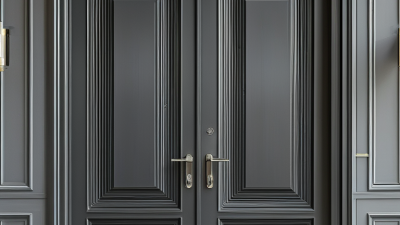
Steel doors offer unmatched design flexibility and aesthetic appeal for modern architecture. Their sleek, industrial look complements various styles, from minimalist to contemporary designs. Available in a range of colors and finishes, these doors can easily blend into any project. They can also be customized to fit unique dimensions, ensuring a seamless integration into the design. Such versatility allows architects to create captivating visual elements without sacrificing functionality.
Beyond customization, the texture and surface options available in steel contribute to a refined appearance. Textured finishes can enhance grip and add depth, creating an intriguing focal point for any entryway. However, achieving the right balance between aesthetics and durability can be challenging. Some designs may prioritize appearance over strength, which could lead to potential vulnerabilities.
Also, the maintenance of steel doors should not be overlooked. While they are generally durable, they may require regular inspections to prevent rust and damage. A well-maintained door continues to enhance the project’s appeal. The beauty of steel doors lies not just in their initial impression, but in their longevity and resilience.
Environmental Considerations and Sustainability of Steel Doors
When considering sustainable materials for construction, steel doors stand out for their environmental benefits. They are often made from recycled materials, reducing the demand for new raw resources. This not only conserves energy but also minimizes waste in landfills. Steel’s durability contributes to its sustainability; these doors can last for decades, resulting in fewer replacements over time.
Tip: Choose doors with a high recycled content to maximize sustainability.
Moreover, steel is highly energy-efficient. Insulated steel doors can significantly improve a building's energy performance. They help maintain stable indoor temperatures, thereby reducing heating and cooling costs. This efficiency translates to lower carbon footprints in the long run. However, it is important to ensure that manufacturing processes also adhere to sustainable practices.
Tip: Look for manufacturers with environmental certifications to confirm their commitment to sustainability.
Steel doors can also be designed for aesthetic appeal, combining functionality and style. While they are often seen as purely utilitarian, innovative designs can enhance their visual impact. Yet, some may overlook this potential and default to outdated designs. Reflection on design choices is essential to fully harness the capabilities of steel doors.
Why Choose Steel Doors for Your Next Global Project? - Environmental Considerations and Sustainability of Steel Doors
| Dimension |
Steel Doors |
Wooden Doors |
Fiberglass Doors |
| Recyclability |
100% |
50% |
30% |
| Lifespan |
50+ years |
20-30 years |
15-25 years |
| Energy Efficiency |
High |
Medium |
High |
| Maintenance Required |
Low |
High |
Medium |
| Cost Effectiveness |
High |
Medium |
Medium |
| Environmental Impact Score (1-10) |
8 |
5 |
6 |