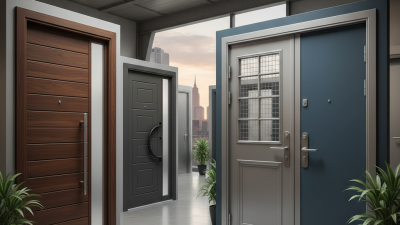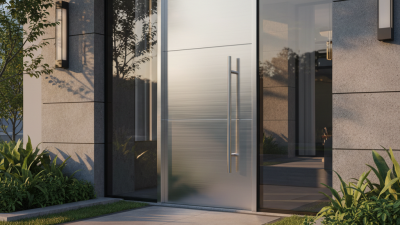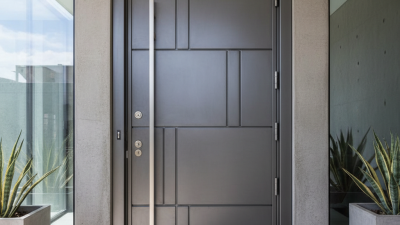
Choosing the best Steel Door manufacturers in China takes more than comparing factory size or catalog prices. Buyers need evidence of consistent construction, suitable fire or security performance, dependable finishes, and responsive after-sales support. Details matter: inspect frame thickness, hinge reinforcement, lock preparation, seals, and the way samples are packed. Small differences can affect installation and long-term use.
China’s manufacturing scale provides useful context. The World Steel Association’s World Steel in Figures 2025 reports that China produced 1,005.1 million tonnes of crude steel in 2024. That figure reflects the country’s broad steelmaking capacity, not the quality of any particular door or supplier. Scale matters. Not enough. A careful shortlist should also examine product test reports, quality-control procedures, material specifications, and export experience. Verify that documents match the exact model being quoted; a certificate for another product may offer little reassurance. Ask how the manufacturer handles dimensional tolerances, coating consistency, replacement parts, and production changes. Request clear answers, not just polished brochures.
This guide considers manufacturers through practical buyer criteria rather than unsupported rankings. It looks at product range, manufacturing capability, documented performance, communication, and consistency between samples and delivered orders. No single supplier is best for every project. Requirements differ by building, climate, budget, and local specifications. Some comparisons will remain imperfect, especially when public factory data is limited. The aim is a more grounded starting point for evaluating China’s Steel Door market.
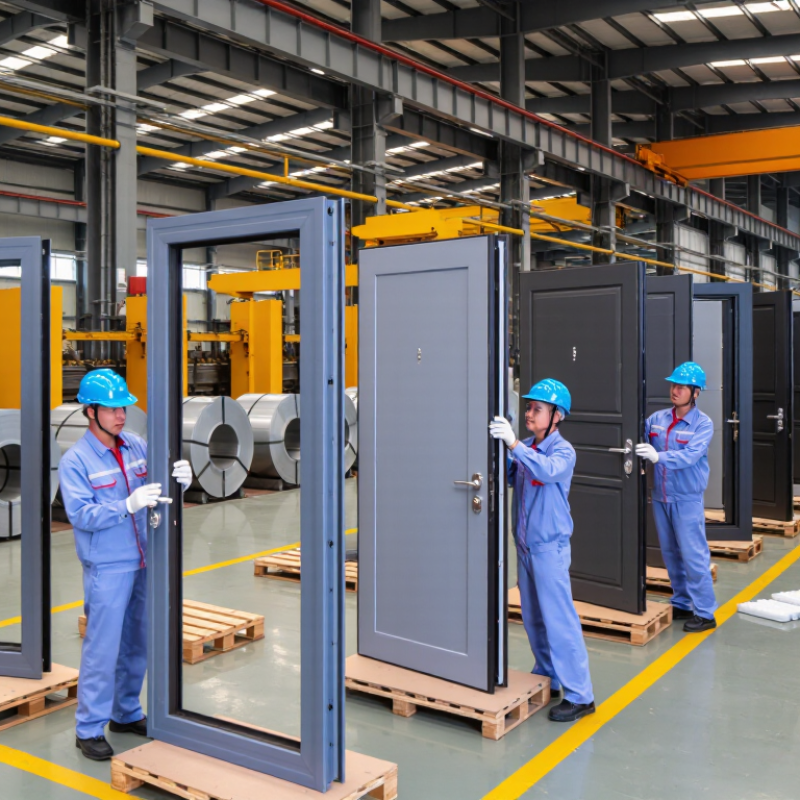
What defines a steel door manufacturer in China is more than a production line and a catalogue. A dependable factory understands how steel thickness, frame geometry, hinges, and locks work together. Ask how materials are checked when they arrive. Then look for consistent records linking each batch to its inspection results. Details matter.
Manufacturing quality becomes visible at the edges. Welds should be even, corners square, and coating free from bare spots or blistering. A sample door can reveal these things. It cannot prove every production run is identical, though. Ask about in-process checks, dimensional tolerances, and how defects are handled. Clear answers are more useful than broad claims.
Technical documents also need careful review. Fire-rated or security-rated performance should be supported by relevant, verifiable test records, not just a label on a brochure. Confirm that the tested configuration matches the offered door, including its frame, hardware, and core. This is where buyers sometimes rush. I would slow down here. A capable manufacturer should explain installation limits, maintenance needs, and what changes require retesting. Good communication matters, but it does not replace evidence. A site visit, when practical, can show whether documented procedures are actually followed.
When assessing steel door manufacturers, examine evidence behind the sales claims. The World Steel Association’s World Steel in Figures 2024 reports that China produced 1,019.1 million tonnes of crude steel in 2023, about 54% of global output. This scale offers sourcing capacity, not proof of consistent door quality.
Request independent test reports tied to the exact door assembly. For fire-rated models, check the tested leaf, frame, seals, hardware, and installation details against EN 1634-1 or the applicable local standard. A rating cannot simply be transferred to a thicker leaf or different lockset. For corrosion resistance, review salt-spray test conditions, coating thickness records, and inspection results—not just a claimed test duration.
Look for batch traceability, incoming steel checks, weld inspection records, and dimensional tolerances. Ask to see a sample door and compare its weight, edge finish, hinge alignment, and frame fit with the technical drawing. Paper claims are easy. A factory audit and recent, verifiable test reports provide stronger evidence, though even these cannot guarantee every shipment will be identical. Regular production records matter.
Key Types of Steel Doors Made in China
Steel doors from China serve homes, offices, factories, and public buildings. Common types include security doors, fire-rated doors, industrial doors, and insulated steel doors. Each type addresses different needs. A home entrance door may use reinforced panels and multi-point locking. A factory door may prioritize frequent use, impact resistance, or easier cleaning.
Fire-rated models are designed to slow fire and smoke, but their performance depends on tested construction and installation. Check the stated rating, door-leaf thickness, frame compatibility, seals, and hardware as a complete set. Industrial models often have heavier frames and durable finishes for busy corridors or loading areas. Insulated doors can help reduce heat transfer; actual results depend on the core material and installation quality. Specifications vary. Labels can be confusing.
Tips: Match the door to its location and daily use. Ask for drawings, material details, test documents, and finish samples before ordering. Confirm dimensions, opening direction, and wall conditions with the installer. Do not compare products by appearance alone. A small gap around the frame can undermine an otherwise solid door, and I would verify the final fit on site.
The right manufacturer depends on the door’s intended use, verified performance, quality controls, and project requirements. Compare manufacturers using product documentation and test evidence rather than price or product descriptions alone.
| Steel Door Type | Common Applications | Typical Construction and Features | What to Check When Comparing Suppliers |
|---|---|---|---|
| Steel security / entry door | Residential entrances, apartments, and building service entrances | Steel face sheets over a reinforced frame, with a core and locking hardware selected for the intended level of security and insulation. | Door and frame thickness, reinforcement around locks and hinges, hardware compatibility, finish durability, and any independently verified security rating. |
| Fire-rated steel door | Stairwells, corridors, plant rooms, and other fire-separation openings | A tested door assembly may include a steel leaf and frame, fire-resistant infill, seals, hinges, latch, and a closer. Performance depends on the complete assembly. | Applicable local code, tested fire rating, certification and labeling, permitted hardware, installation instructions, and whether the frame and accessories are included in the tested configuration. |
| Commercial hollow-metal door | Offices, schools, hospitals, warehouses, and commercial buildings | Formed steel skins with a hollow or filled core, used with a compatible steel frame; options can include vision panels, louvers, and hardware preparations. | Opening dimensions, steel gauge or sheet thickness, core type, frame details, hardware cutouts, finish, and applicable fire or accessibility requirements. |
| Industrial steel door | Factories, workshops, utility areas, and equipment rooms | Typically designed around the opening size, traffic, and site conditions; may use reinforced leaves, heavy-duty hinges, or sliding and hinged configurations. | Expected cycle frequency, wind or impact exposure where relevant, corrosion protection, operating hardware, installation tolerances, and maintenance requirements. |
| Cleanroom steel door | Pharmaceutical, electronics, laboratory, and other controlled environments | Often features a smooth, flush surface and carefully finished edges to simplify cleaning; seals and glazing depend on the room’s contamination-control needs. | Surface material and cleanability, joint and edge details, seal design, glazing specification, corrosion resistance, and compatibility with the facility’s cleaning procedures. |
| Acoustic steel door | Meeting rooms, studios, plant rooms, and spaces requiring noise control | May combine a dense or sound-absorbing core with perimeter seals and a threshold detail; sound performance depends on the complete installed assembly. | Independent acoustic test results, the stated test standard, seal and threshold configuration, installation details, and whether the tested size matches the project. |
Note: Ratings, materials, dimensions, and available certifications vary by product and destination market. Request current test reports, certificates, drawings, and installation instructions for the exact door configuration being purchased.
Leading steel door manufacturers in China benefit from a broad steel supply base and mature fabrication networks. The World Steel Association reported that China produced 1,005.1 million tonnes of crude steel in 2024, in World Steel in Figures 2025. This figure describes steel production, not door quality or factory capability. That distinction matters.
Reliable suppliers should provide clear information about door construction, including steel thickness, core material, frame design, hinges, and locking preparation. For fire-rated models, request current test documentation for the specific door assembly; a rating claim alone is not enough. Ask how surface coatings are checked and how samples are packed for shipment. A polished factory video can be useful, but it is weak evidence by itself. Factory audits and production samples offer stronger checks, though neither guarantees every shipment will be perfect.
Tips: Compare written specifications before comparing prices. Request photos of welds, frame corners, and finished edges. Confirm lead times, inspection procedures, and replacement terms in writing. If details are vague, pause and ask again.
When comparing steel door manufacturers in China, start with your project’s requirements, not the lowest quotation. Share drawings that specify opening direction, frame dimensions, steel thickness, core material, hardware cutouts, and finish. Ask the manufacturer to confirm each item in writing. Details matter. If a door needs a fire or acoustic rating, request relevant test documents and confirm that the proposed model matches them. A generic certificate may not cover your exact configuration. Request a physical sample to check the paint texture, edge finish, welds, and fit between the leaf and frame. Photos help, but they cannot show everything.
Check how quality is managed during production. Ask for records of dimensional checks, coating inspections, and final assembly reviews. A video call is useful, but it is not an inspection. If the order is large, consider arranging an independent factory visit or pre-shipment check. Discuss packaging, delivery timing, spare parts, and how design changes are approved. Get these points into the purchase documents. I would not treat one perfect sample as proof of a consistent batch; that assumption can be costly. Ask how defects are reported and resolved, and agree on clear acceptance criteria before production begins.