01

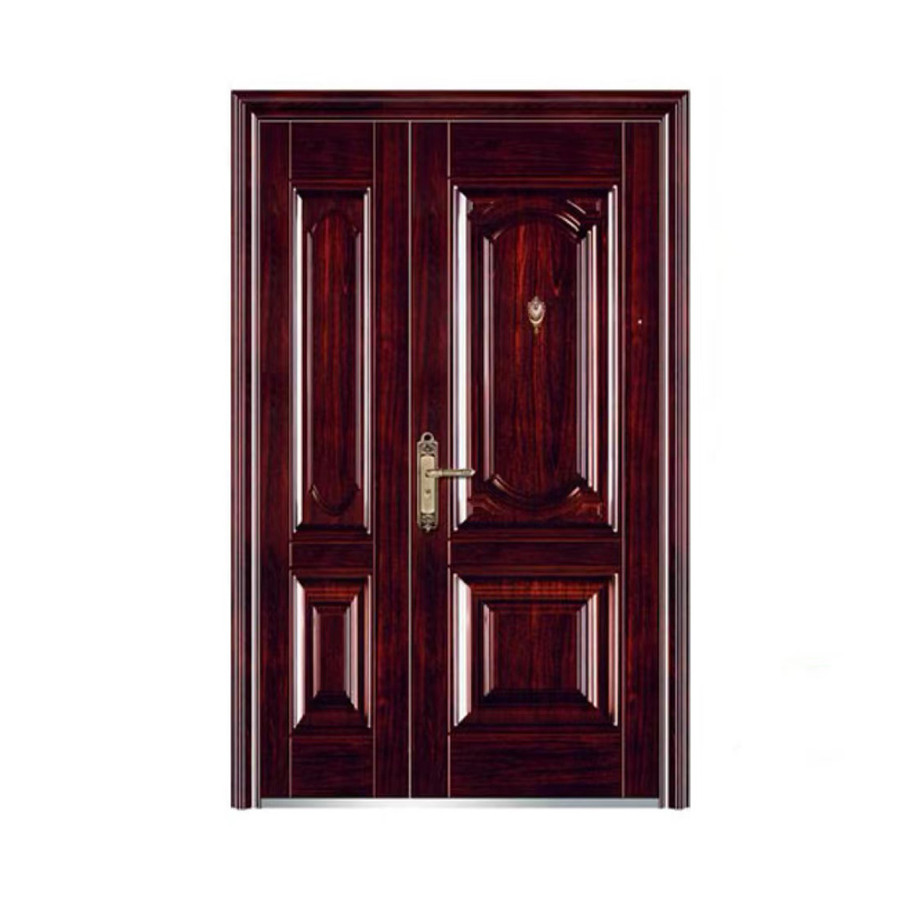
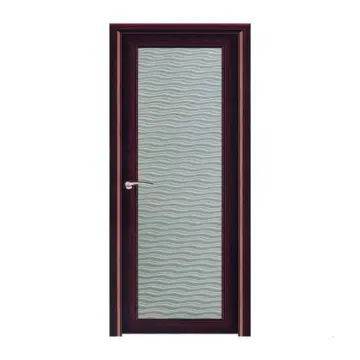
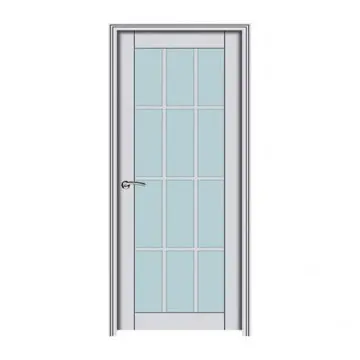
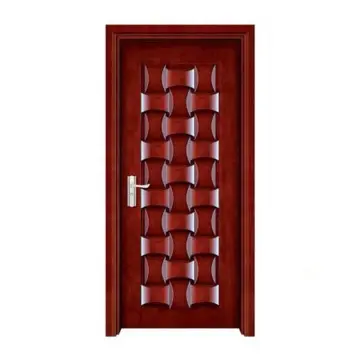
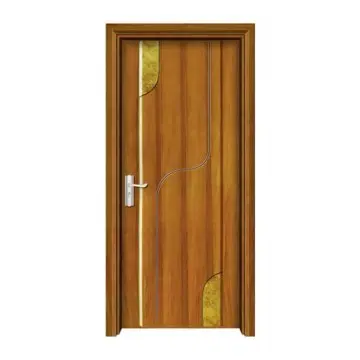
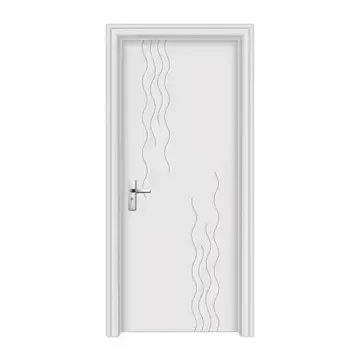
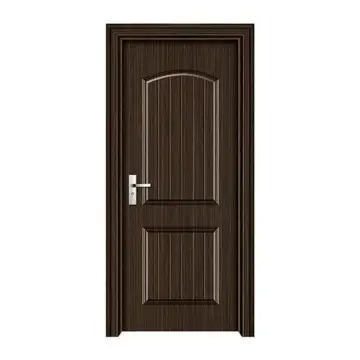
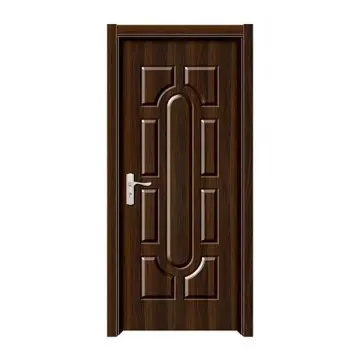
Non-standard Personalized Security Door
PRODUCT SPECIFICATION
| Material | Quality cold-rolled steel sheet & stainless steel;
1. Steel security door with stainless steel doorsill 2. Cold-rolled steel security door leaf and frame with heat transfer-printing, which looks natural wood grain (or powder coating). (steel sheet thickness available from0. 5mm~1mm for door leaf, and 1.0mm~2.0mm for door frame) |
| Steel security door lnfilling | Honeycomb |
| Locks and handles | Specialist security lock with more lock points(alternative available) |
| Design | Diversified available |
| Colour | Diversified available |
| leaf thickness | 70mm |
| frame thickness | 120mm-270mm available |
| Size available | 2050*1200 mm as standard size, also can be as per requirement |
| Accessorie | Hinges, locks, handles, viewer (peephole), doorbell, rubber seal, installing bolts ,cover |
| Opening direction | Left or right, Inside or Outside |
| Opening degree | 180 degree |
| Container capacity | 100-148pcs/20Ft, 225-300pcs/40Ft, 275-364pcs/40HQ |
WHY CHOOSE US
When decorating, there are many types of building material doors. According to the conventional size, there are roughly standard doors and non-standard doors. So what is the difference between non-standard doors and standard doors? Which one is better?
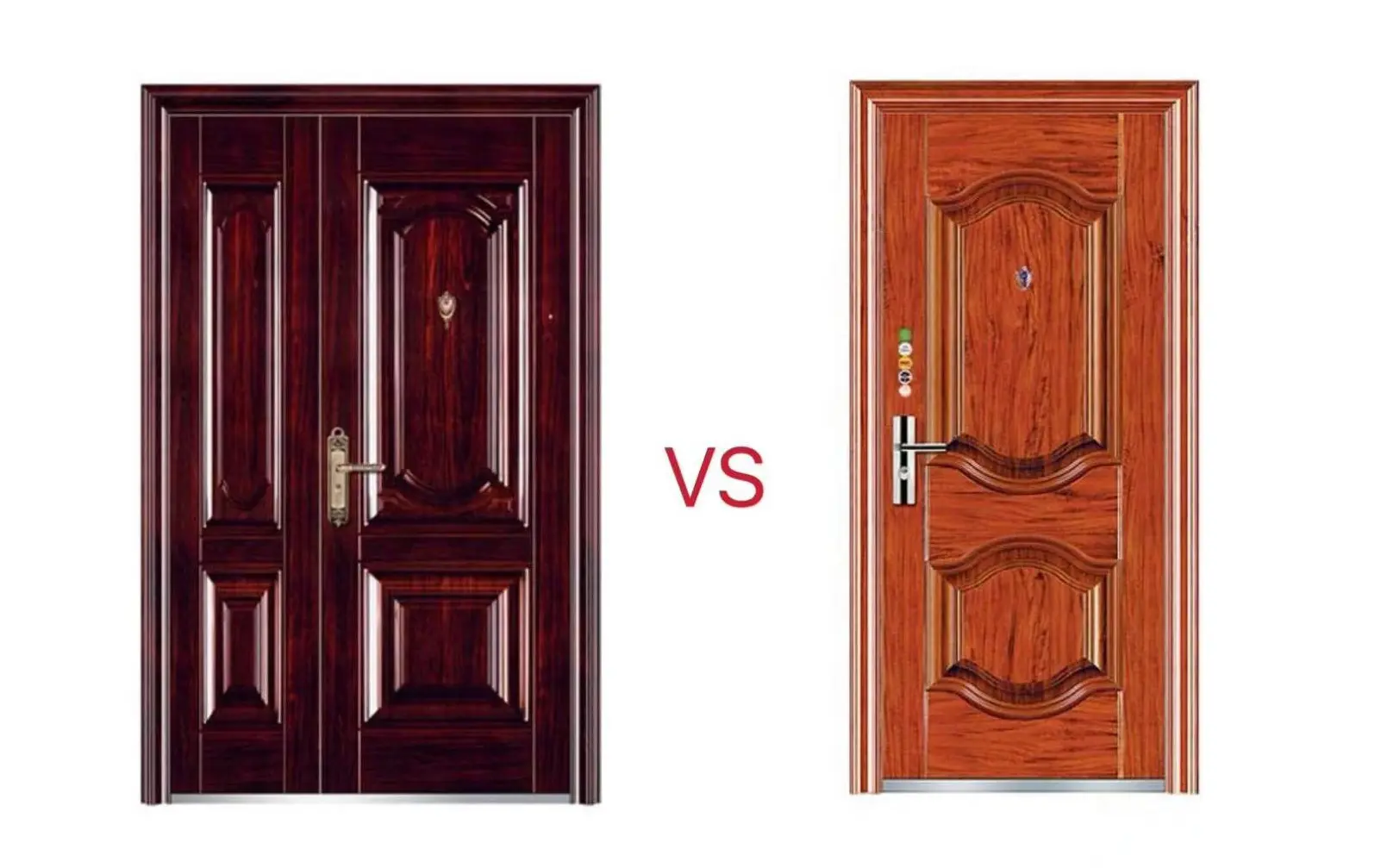
First., What is the difference between non-standard doors and standard doors?
1. Size. The standard door ruler is usually formulated according to certain standards and specifications, such as the common 800mm*800mm, 900mm*2100mm, etc. The size of non-standard doors can be customized according to the user's special needs and actual installation environment, and may have unconventional sizes.
2. Material: Standard doors usually use more common materials, such as wood, steel, aluminum alloy, etc. Non-standard doors can be made of various materials according to design requirements and customer preferences, such as solid wood, tempered glass, stainless steel, etc.
3.Design: The design of standard doors is generally more conventional and the style is relatively fixed. Non-standard doors can be personalized, including door shape, lines, decoration, etc., to meet the aesthetic functions and needs of different users.
4.Customization. Non-standard doors emphasize personalized customization. They can be designed and manufactured according to the specific requirements of users, and can better adapt to special building structures or decoration styles. Standard doors are more suitable for general installation scenarios.
5.Cost: Since non-standard doors need to be customized, the production cost is usually relatively high. Standard doors can be mass produced and the cost is relatively low.
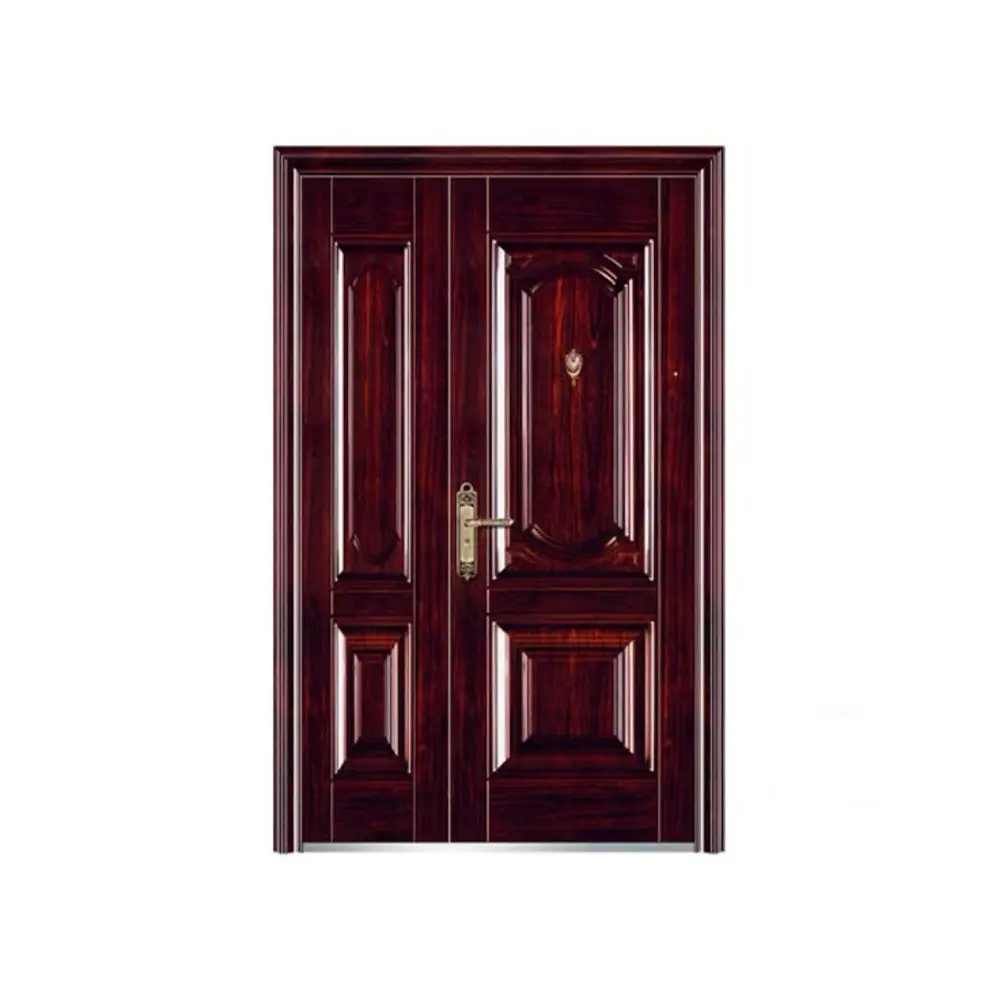
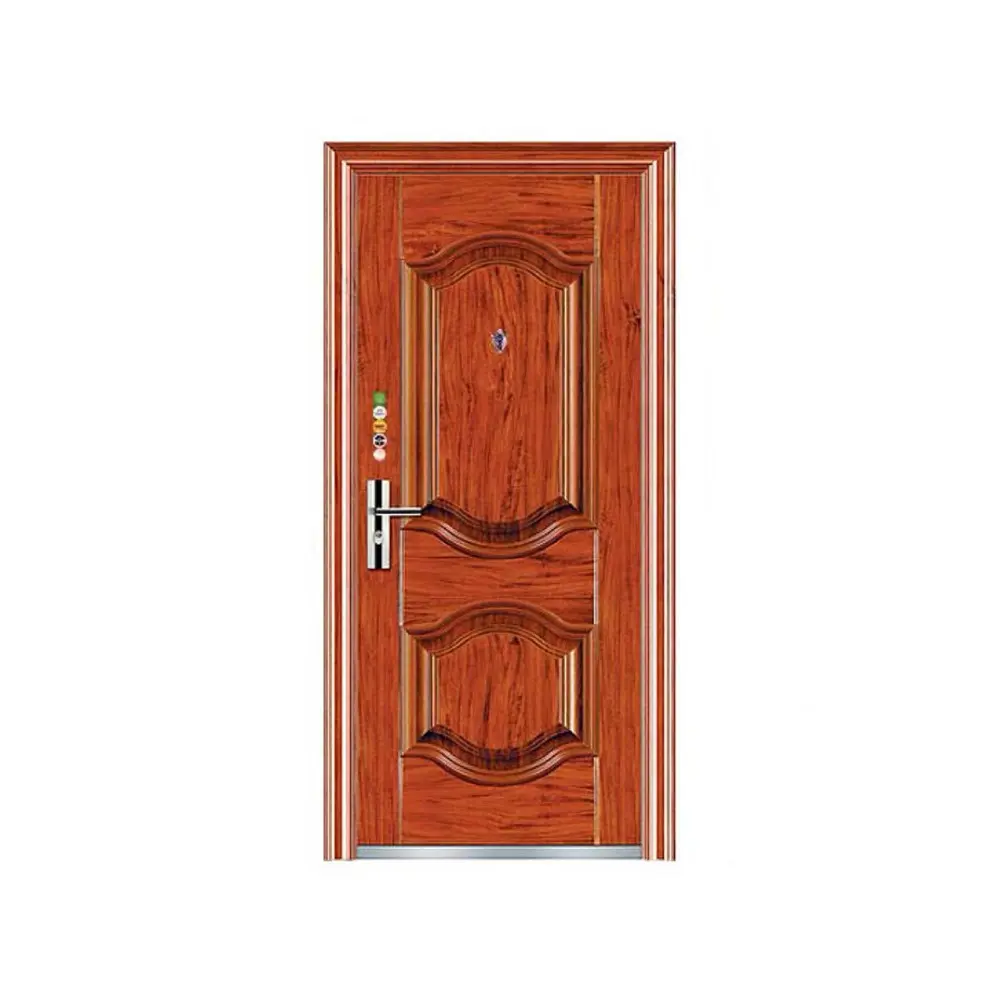
Second, which one is better, non-standard doors or standard doors?
Non-standard doors and standard doors each have their own advantages and disadvantages. Which door to choose depends on the specific needs and usage scenarios. Standard doors are manufactured to uniform sizes and specifications and are generally more versatile, making it easier to find replacement parts. and perform repairs. Their prices are relatively stable, and installation and replacement are relatively easy. Non-standard doors are doors that are customized to a specific design or customer request and may have unique styles, sizes or features. Non-standard doors can better meet individual needs, but the price may be relatively high and may require longer manufacturing and installation time.
When choosing, consider the following factors:
1. Space adaptability: Ensure that the size and style of the door match the installation space, taking into account the size of the door opening, the structure and decoration style of the door frame, etc.
2. Functional requirements: Select according to usage requirements, such as safety performance, sound insulation effect, fire protection level, etc.
3. Budget: Non-standard doors are usually more expensive, so you need to consider whether the budget allows it.
4. Maintenance and after-sales: Understand the quality of the door and the manufacturer’s after-sales service so that you can receive timely repair and support when needed.
The final choice should be based on personal preference, actual needs and budget.
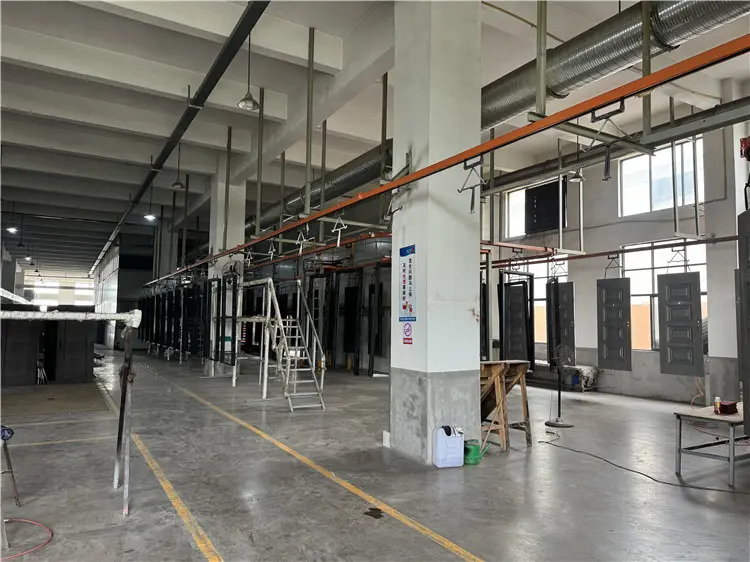
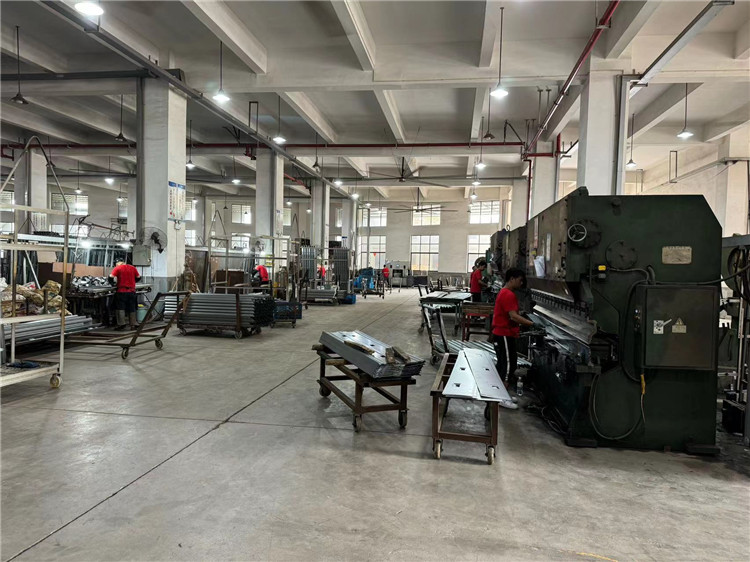
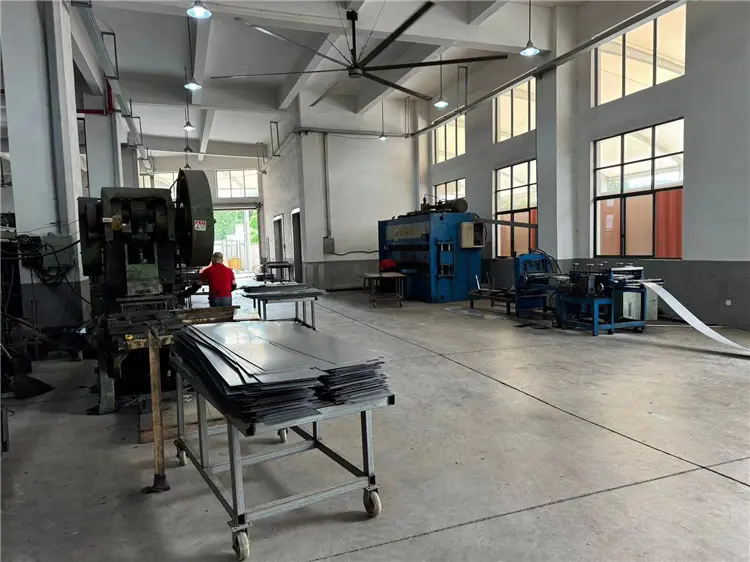
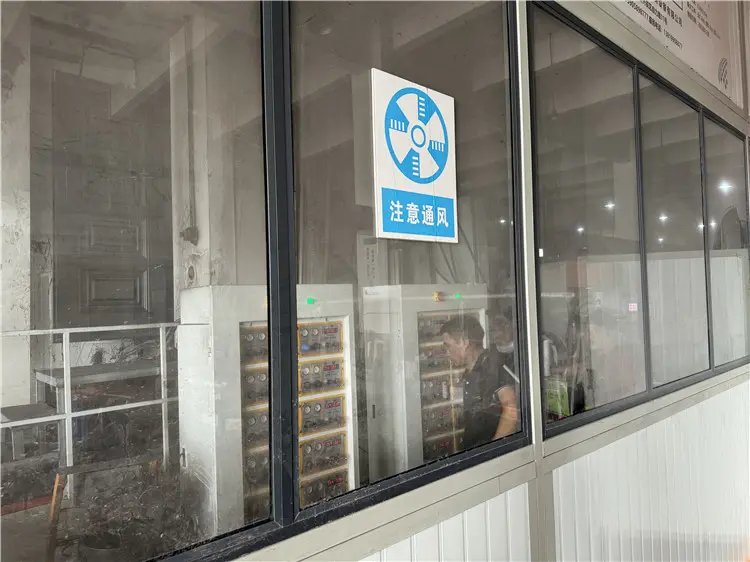
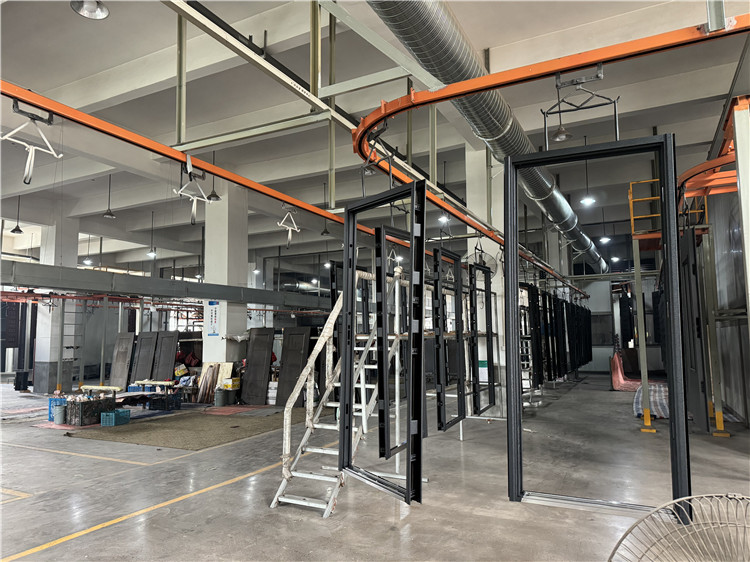
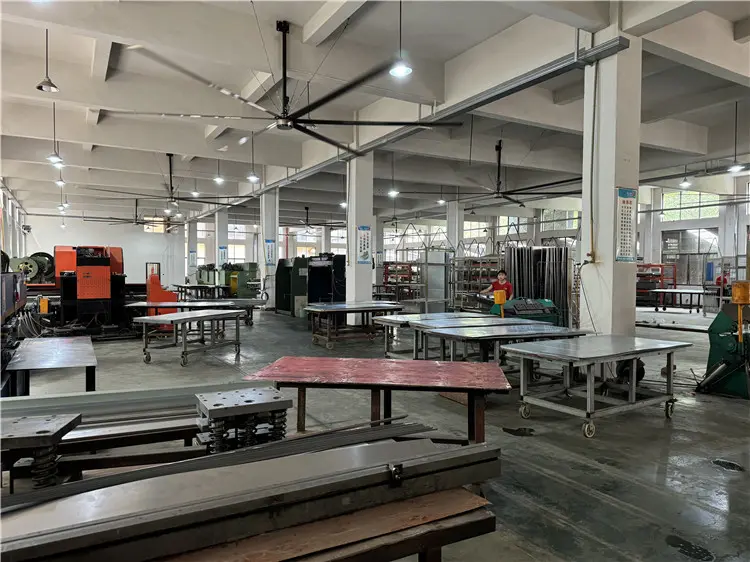
Factory Display

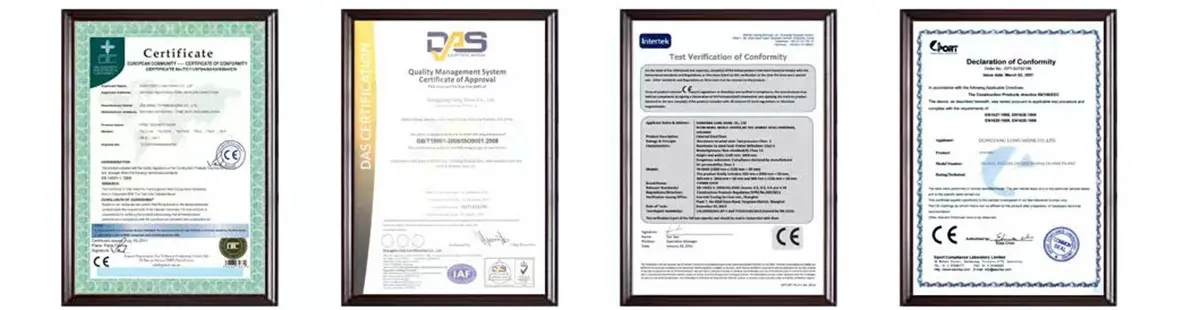
Certificate