



Various door service providers



Wooden Doors: Exploring Key Application Scenarios for Global Wholesale Buyers
Wooden Doors: Exploring Key Application Scenarios for Global Wholesale Buyers
As a global wholesale purchaser of wooden doors, understanding the diverse application scenarios of wooden doors is crucial for optimizing your product selection, meeting market demand, and enhancing customer satisfaction. Wooden doors, with their natural texture, excellent sound insulation, and customizable features, have become a preferred choice in various fields. This blog will delve into the main application scenarios of wooden doors, analyze the specific requirements of each scenario, and provide valuable insights for your purchasing decisions.
1. Residential Buildings: The Core Market for Wooden Doors
Residential buildings are the largest and most common application scenario for wooden doors. From single-family houses to high-rise apartments, wooden doors play an indispensable role in dividing spaces, ensuring privacy, and enhancing the overall aesthetic of homes.
1.1 Interior Doors for Bedrooms and Living Rooms
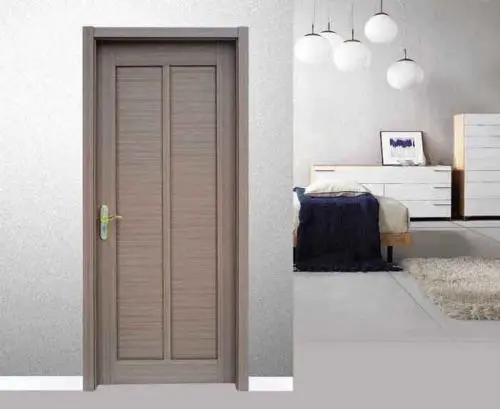
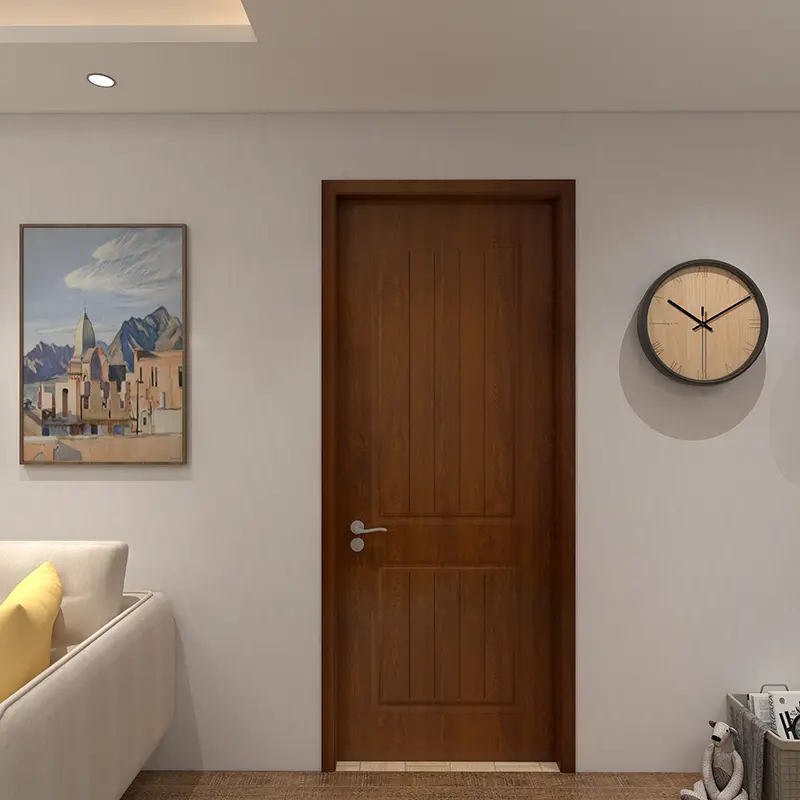
In bedrooms and living rooms, interior wooden doors are primarily used to separate different functional areas while maintaining a harmonious indoor environment. Sound insulation is a key requirement here. Wholesale buyers should prioritize wooden doors with good soundproofing performance, such as solid wood doors or composite wooden doors with sound-absorbing materials (e.g., foam or rubber strips) installed around the door frames.
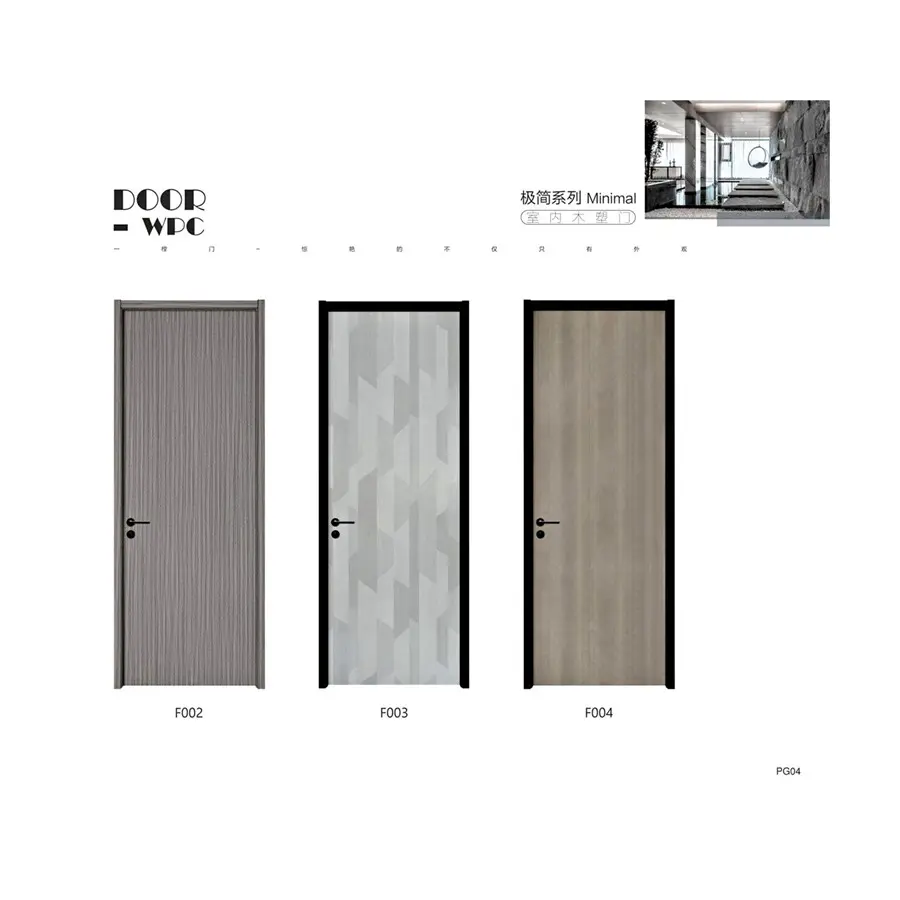
In terms of style, the choice varies depending on regional cultural preferences and interior design trends. For example, in European and American markets, classic solid wood doors with carved patterns or simple modern wooden doors with smooth surfaces are popular. In Asian markets, minimalist wooden doors with light colors (e.g., white oak or beech) are more favored to create a bright and spacious atmosphere.
1.2 Bathroom and Kitchen Doors
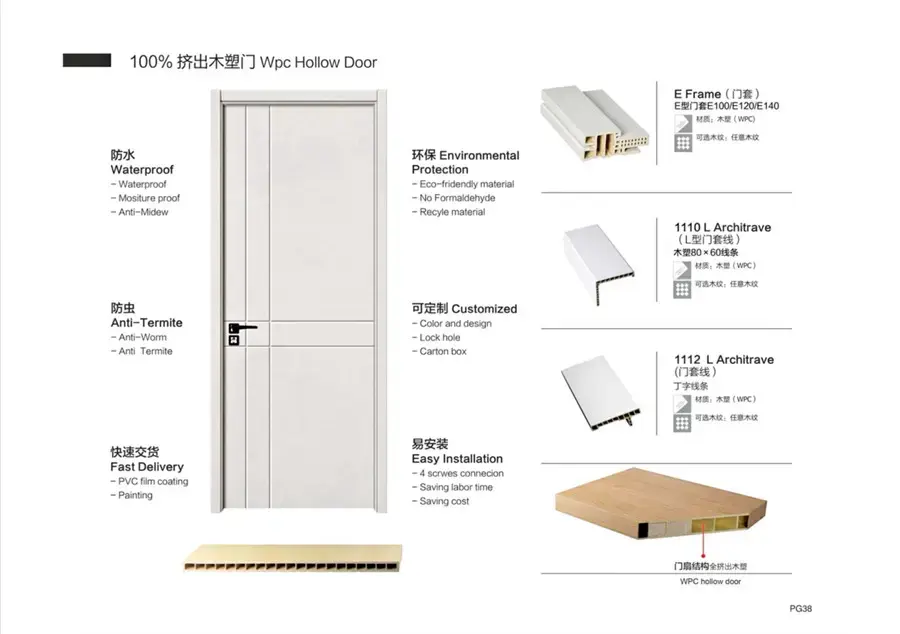
Bathrooms and kitchens have special environmental conditions—high humidity and frequent exposure to water vapor. Therefore, wooden doors used in these areas must have moisture resistance and corrosion resistance. Wholesale buyers should select wooden doors made of waterproof materials, such as teak wood (which has natural water-resistant properties) or composite wooden doors treated with waterproof coatings.
Sliding wooden doors are a common choice for bathrooms and kitchens, as they save space and are easy to clean. Additionally, frosted glass panels can be integrated into the wooden doors to increase light transmission while ensuring privacy—a design that is highly sought after in modern residential projects.
1.3 Entry Doors for Residences
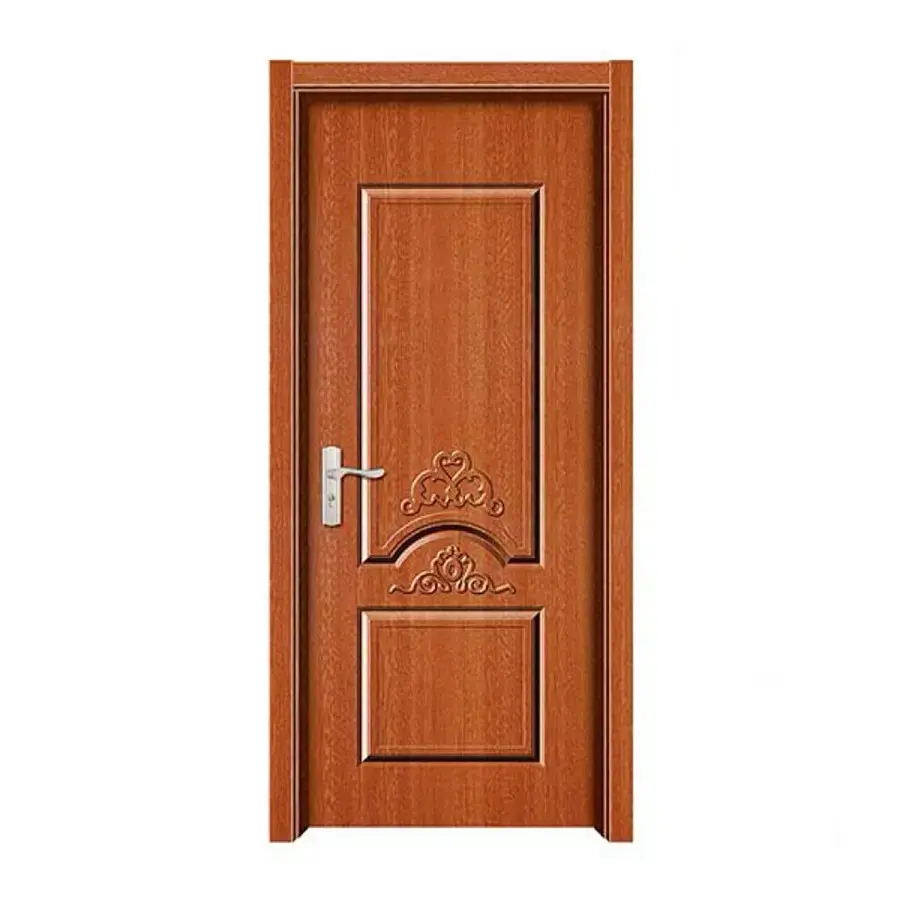
The entry door is the first line of defense for a home, so security and durability are top priorities. Solid wood entry doors, especially those made of hard woods like mahogany or oak, are excellent choices due to their high strength and resistance to impact. To further enhance security, wholesale buyers can recommend doors with reinforced steel frames, anti-theft locks, and peepholes.
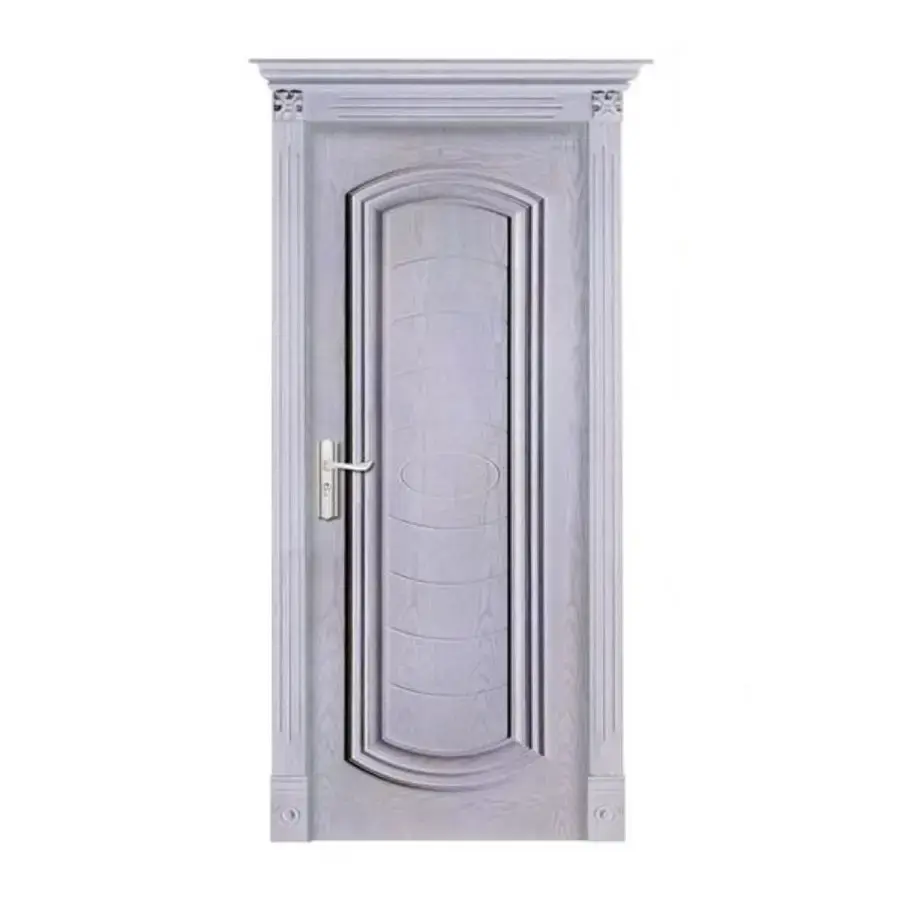
In terms of appearance, entry wooden doors often serve as a statement piece for the home. Intricate carvings, stained glass, or decorative metal accents can add a touch of elegance and uniqueness. In regions with extreme weather conditions (e.g., cold northern areas or hot and humid coastal regions), wooden entry doors with thermal insulation layers or weatherstripping are in high demand to improve energy efficiency.
2. Commercial Buildings: Meeting Diverse Functional Needs
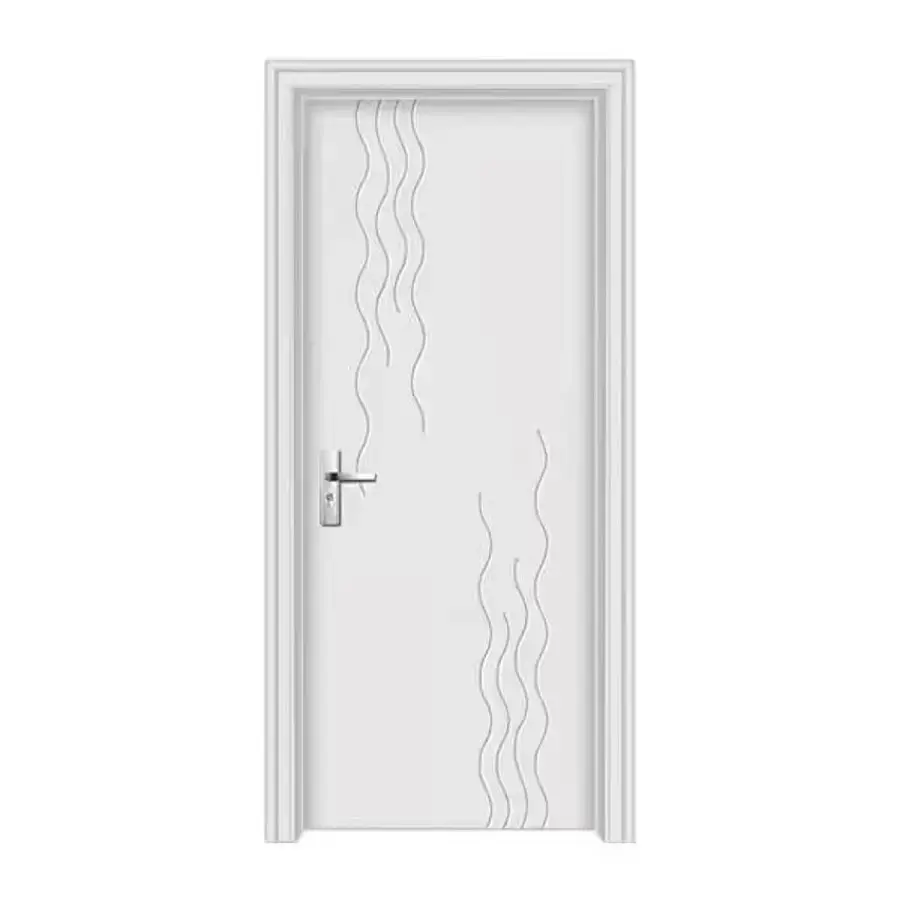
Commercial buildings, including offices, hotels, shopping malls, and restaurants, have diverse requirements for wooden doors, which are not only functional but also contribute to the brand image and customer experience.
2.1 Office Buildings
In office buildings, wooden doors are used in offices, meeting rooms, and public areas. Sound insulation and privacy are essential for meeting rooms and private offices, so solid wood doors or high-quality composite wooden doors are preferred. For open-plan offices, glass-wood combination doors are a popular option—they allow natural light to flow through while maintaining a sense of separation between different work areas.
Durability is another key factor, as office doors are used frequently. Wholesale buyers should look for wooden doors with wear-resistant surfaces and sturdy hinges. Additionally, fire-rated wooden doors are mandatory in many commercial buildings to comply with fire safety regulations. These doors are treated with fire-retardant materials and can withstand high temperatures for a certain period, providing valuable time for evacuation in case of a fire.
2.2 Hotels and Resorts
Hotels and resorts aim to create a comfortable and luxurious atmosphere for guests, and wooden doors play a vital role in achieving this goal. Aesthetics and customization are top priorities here. For high-end hotels, solid wood doors with exquisite carvings, natural wood grains, or unique finishes (e.g., antique or distressed) are commonly used to match the hotel's interior design style—whether it's classic, modern, or tropical.
Guest room doors need to be soundproof to ensure guests' privacy and a good night's sleep. Hotel corridor doors, on the other hand, should be durable and easy to maintain, as they are used by a large number of people every day. In addition, wooden doors for hotels often need to be compatible with smart lock systems, which is a trend that wholesale buyers should pay attention to.
2.3 Shopping Malls and Retail Stores
In shopping malls and retail stores, wooden doors are used for storefronts, fitting rooms, and storage areas. Storefront wooden doors are designed to attract customers, so they often feature large glass panels to display products. The wooden frames should be stylish and durable, able to withstand the high traffic of shoppers.
Fitting room doors require privacy and easy operation—sliding wooden doors or swing doors with simple locks are ideal. Storage room doors, on the other hand, prioritize security and durability, so solid wood doors with strong locks are a good choice. In addition, wooden doors in shopping malls need to comply with fire safety standards, and some may also require anti-theft functions to protect the store's assets.
2.4 Restaurants and Cafés
Restaurants and cafés use wooden doors to create a warm and inviting atmosphere. Natural texture and warm tones are favored, as they can make customers feel comfortable and relaxed. For example, rustic wooden doors made of reclaimed wood are popular in farm-to-table restaurants, while sleek and modern wooden doors with dark finishes are suitable for high-end Western restaurants.
Kitchen doors in restaurants need to be fire-rated and easy to clean, as they are exposed to oil and smoke. Dining area doors should be soundproof to reduce noise from the kitchen and other dining areas, ensuring a pleasant dining experience for customers.
3. Educational and Healthcare Institutions: Prioritizing Safety and Sanitation
Educational institutions (schools, universities) and healthcare institutions (hospitals, clinics) have strict requirements for wooden doors, focusing on safety, sanitation, and durability.
3.1 Schools and Universities
In schools and universities, wooden doors are used in classrooms, libraries, dormitories, and laboratories. Safety is the top priority—classroom doors should be easy to open and close to ensure smooth evacuation in case of emergencies. Fire-rated wooden doors are a must in corridors and stairwells.
For libraries, sound insulation is crucial to create a quiet reading environment. Dormitory doors need to be durable and provide privacy for students. In laboratories, wooden doors may need to be resistant to chemicals, so special coatings or materials should be used.
3.2 Hospitals and Clinics
Hospitals and clinics have high standards for sanitation and infection control, so wooden doors used here must be easy to clean and antibacterial. Composite wooden doors with smooth surfaces are a good choice, as they can be wiped clean with disinfectants without being damaged.
Patient room doors need to be soundproof to ensure patients' rest and privacy. They should also be wide enough to accommodate hospital beds and medical equipment. Operating room doors are usually fire-rated and airtight to maintain a sterile environment. In addition, wooden doors in hospitals may need to be equipped with observation windows to allow medical staff to monitor patients without entering the room.
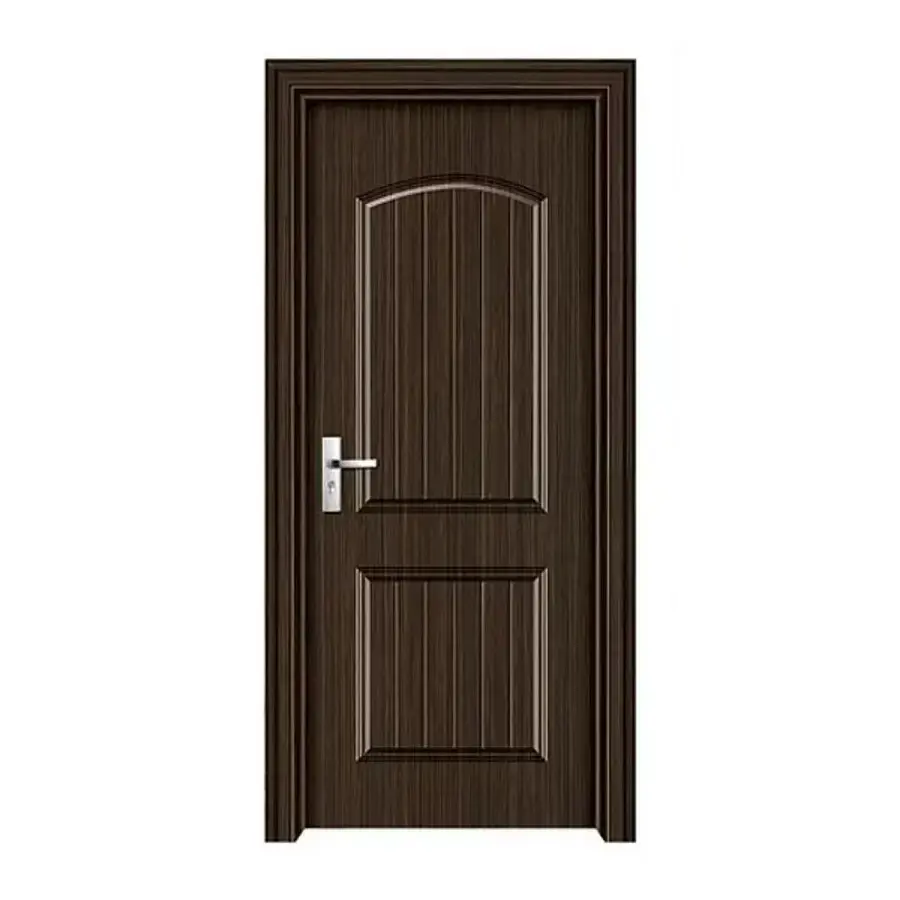
4. Industrial and Specialized Applications: Meeting Unique Requirements
While wooden doors are most commonly used in residential and commercial buildings, they also have applications in industrial settings and specialized fields, where they need to meet unique requirements.
4.1 Industrial Facilities
In industrial facilities such as factories and warehouses, wooden doors are used for storage areas, workshops, and loading docks. Durability and impact resistance are key here, as they may be exposed to heavy machinery, forklifts, or rough handling. Solid wood doors or composite wooden doors with reinforced frames are suitable for these environments.
In some cases, wooden doors in industrial facilities may need to be fire-rated or resistant to high temperatures, especially in areas where flammable materials are stored or processed. They may also need to be soundproof to reduce noise from machinery.
4.2 Historical Buildings and Heritage Sites
Historical buildings and heritage sites often require wooden doors that match the original architectural style to preserve their historical value. Authenticity and craftsmanship are top priorities here. Wholesale buyers can work with manufacturers that specialize in reproducing traditional wooden doors, using classic designs, materials, and techniques.
These wooden doors not only need to be aesthetically pleasing but also durable enough to withstand the test of time. They may also need to comply with strict conservation regulations to ensure that the historical integrity of the building is not compromised.
5. Key Considerations for Global Wholesale Buyers When Selecting Wooden Doors for Different Scenarios
When purchasing wooden doors for global markets, it is essential to consider the following factors to ensure that your products meet the needs of different application scenarios and regional requirements:
Regional Climate and Environmental Conditions: Different regions have varying climates—some are hot and humid, some are cold and dry, and some are prone to heavy rain or strong winds. Choose wooden doors that are suitable for the local climate, such as moisture-resistant doors for humid areas and thermal-insulated doors for cold regions.
Local Regulations and Standards: Each country or region has its own building codes, fire safety standards, and environmental regulations. For example, fire-rated doors must meet specific standards in the EU (EN 1634) and the US (NFPA 80). Make sure that the wooden doors you purchase comply with the local regulations of your target markets.
Cultural and Aesthetic Preferences: Aesthetic preferences vary by region and culture. For example, bright and minimalist designs are popular in modern cities, while traditional and ornate designs are favored in some cultural or historical areas. Understand the local aesthetic trends to select wooden doors that are more likely to be accepted by customers.
Cost and Quality Balance: While it is important to provide high-quality wooden doors, it is also necessary to consider the cost to remain competitive in the market. Evaluate the quality and price of different manufacturers to find the best balance between cost and quality.
Customization Capabilities: Many customers have specific requirements for wooden doors, such as size, style, color, or additional features (e.g., smart locks, glass panels). Choose manufacturers that offer customization services to meet the diverse needs of your customers.
In conclusion, wooden doors have a wide range of application scenarios, each with its own specific requirements. As a global wholesale purchaser, by understanding these scenarios and the corresponding needs, you can select the right wooden doors, expand your product portfolio, and gain a competitive edge in the global market. Whether it's for residential buildings, commercial facilities, educational institutions, or specialized fields, there is a wooden door solution that can meet the unique demands of each scenario.