



Various door service providers
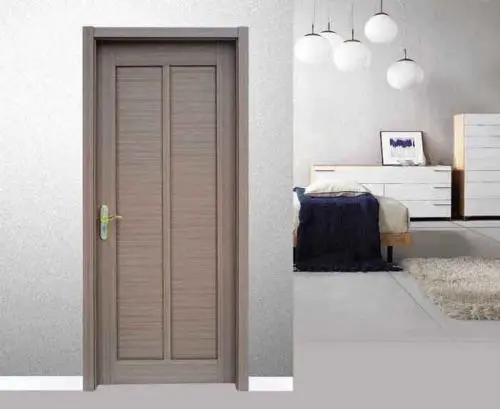
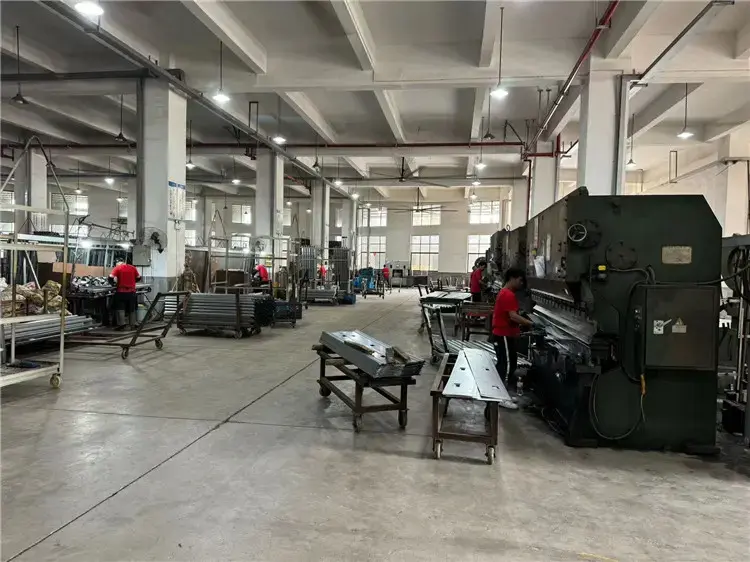
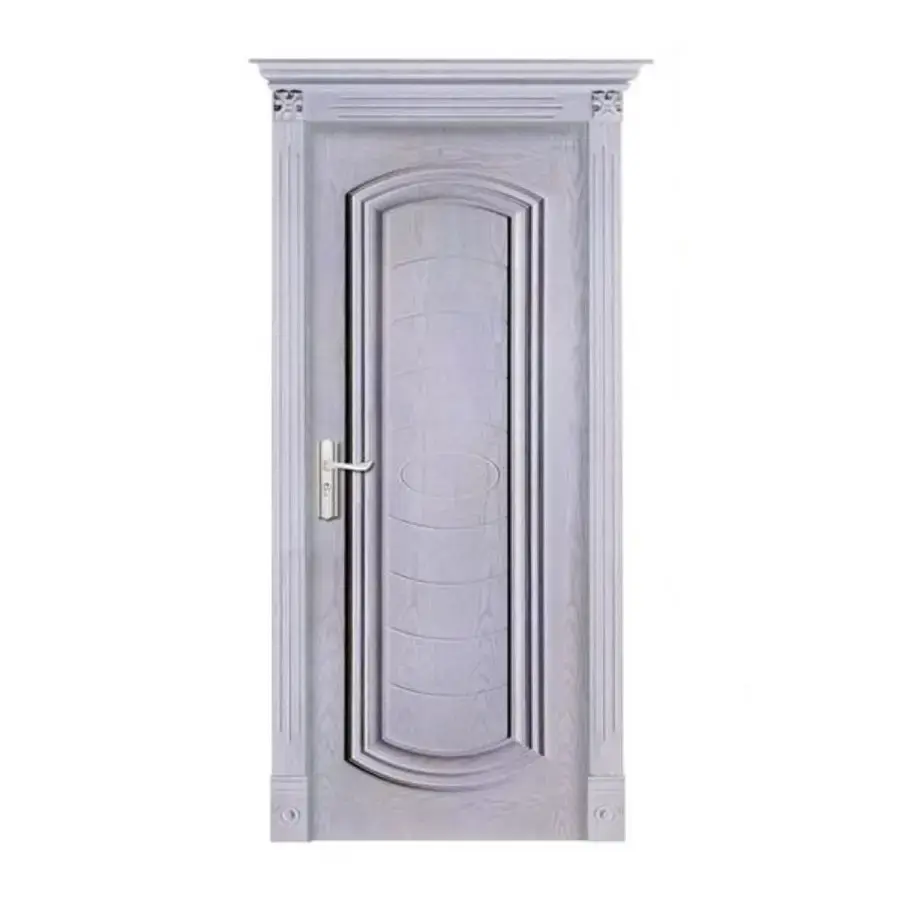
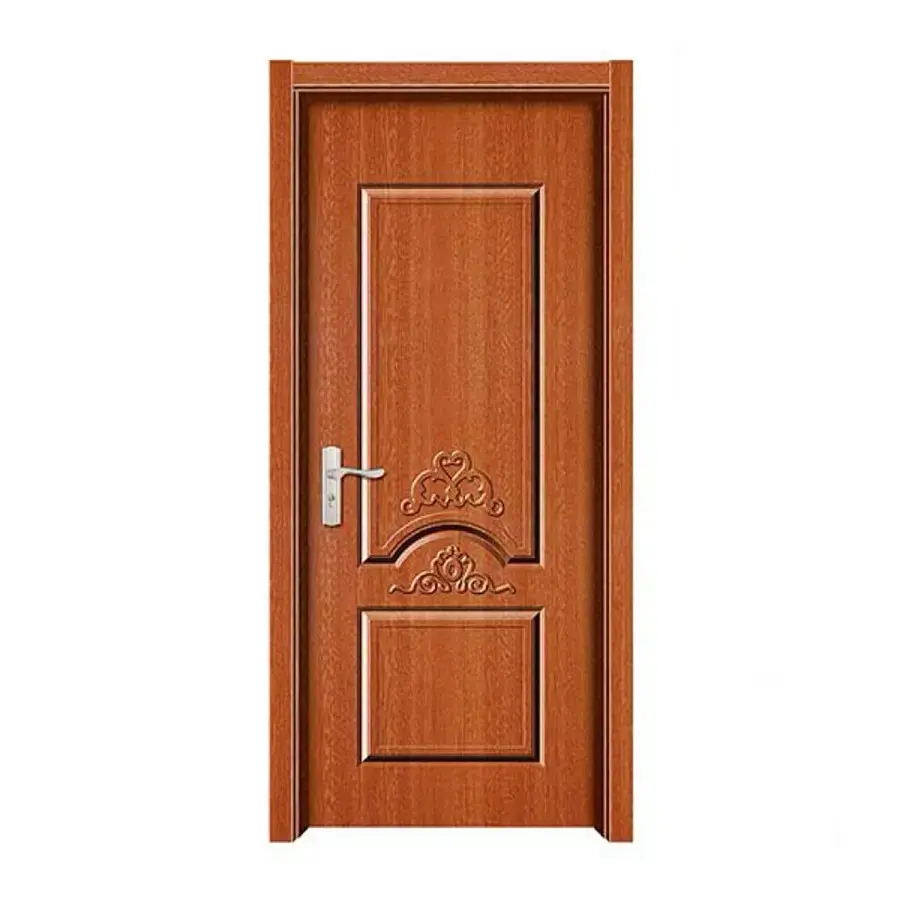
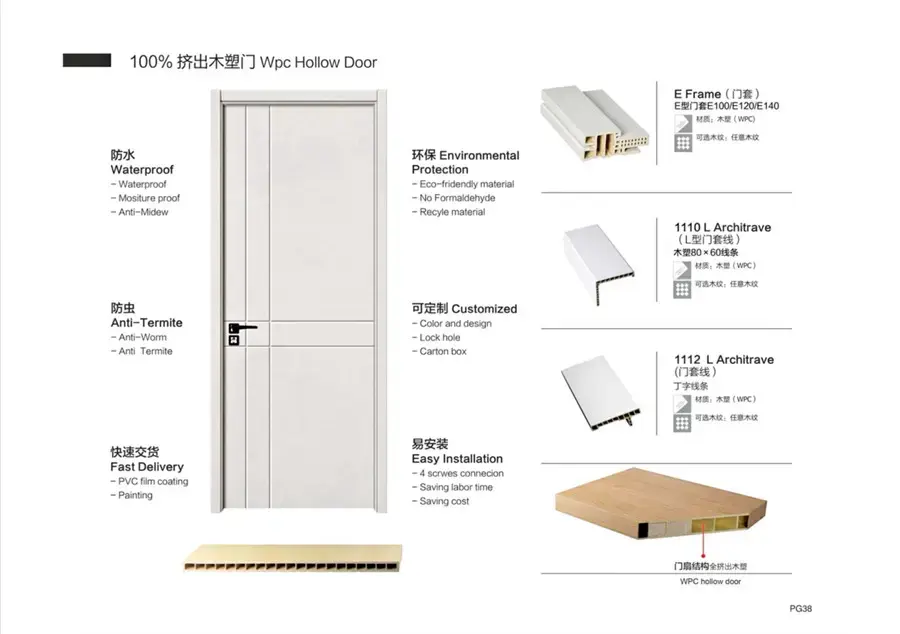

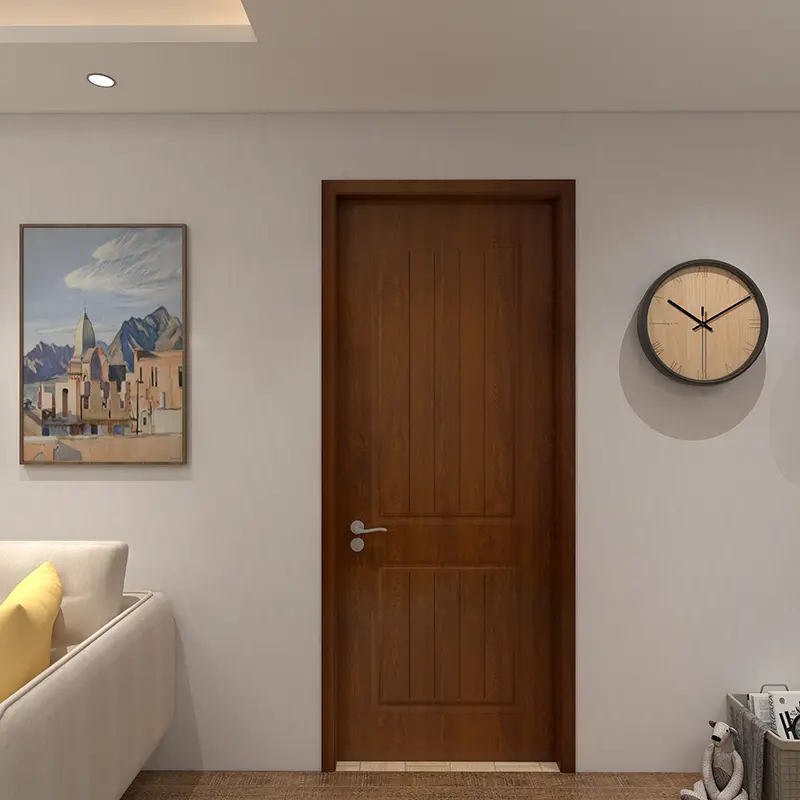


Wood-plastic veneer door: An innovative solution that combines natural beauty with modern durability
In contemporary architecture and interior design, the development of materials science is reshaping our perception of the balance between functionality and aesthetics. Wood-plastic veneer doors, as a typical application of composite material technology, combine the warm texture of wood fibers with the structural stability of high-molecular polymers, providing a choice that breaks through traditional limitations for commercial and residential Spaces. This technology not only responds to the usage challenges in a variable climate environment, but also meets the development demands of sustainable construction.
Technical core: Deconstructing the wood-plastic composite skin coating process
The core of wood-plastic veneer doors lies in their surface structure - a thin sheet material formed by co-extrusion or hot pressing of natural wood components such as wood powder, rice husks, and bamboo fibers with thermoplastic plastics like polyethylene (PE), polyvinyl chloride (PVC), or polypropylene (PP). This kind of skin is usually between 2 and 6 millimeters thick. By precisely controlling the ratio of wood fiber to plastic (commonly 60% wood powder +40% plastic), the advantages of the two materials complement each other at the molecular level.
During the production process, wood fibers need to be dried to a moisture content of less than 3%, and then thoroughly mixed with plastic masterbatches with added coupling agents and lubricants. During the high-temperature extrusion molding stage, the material forms the microscopic texture structures such as vessels and growth rings of natural wood through a specific wood grain mold. Ultimately, through cooling and shaping as well as surface UV curing treatment, a skin material is obtained that not only has the realistic touch of wood but also features a dense and waterproof surface layer. This skin is permanently bonded to the core of the door composed of honeycomb structure or bridge hole mechanics panels, forming a complete door leaf system.
In-depth Analysis of Core Performance Advantages
1. Environmental adaptability and dimensional stability
Traditional Solid Wood Doors are prone to expansion, contraction or warping deformation in an environment where the humidity changes by more than 10%. Due to the coating effect of the plastic matrix on the wood fibers, the water absorption thickness expansion rate of the wood-plastic veneer door can be controlled within 0.3% (tested according to EN 322 standard). Even in tropical coastal areas with a relative humidity of 85% or continental climate conditions with a seasonal temperature difference exceeding 50℃, the linear dimensional change rate of the door leaf is still less than 0.5%. This makes it perform well in damp scenarios such as bathrooms, kitchens, and semi-outdoor Spaces without worrying about mold or structural failure.
2. Biological resistance
The continuous phase structure of the plastic components fundamentally blocks the feeding paths of pests such as termites and wood beetles to wood fibers. Test data shows that in the termite invasion test conducted in accordance with the AWPA E1-17 standard, the weight loss rate of wood-plastic skin materials is less than 1%, while that of ordinary solid wood can reach over 15%. Meanwhile, the dense surface structure inhibits the attachment and reproduction of spore microorganisms, making it particularly suitable for public buildings with strict hygiene requirements such as hospitals, schools, and nursing homes.
3. Surface durability and low maintenance characteristics
The surface hardness of the wood-plastic veneer can reach 60-70 degrees on the Shore D scale, and its indentation resistance is significantly better than that of ordinary wood veneer. Its scratch resistance grade can reach over 1500 revolutions through the Taber test. In daily use, keys, pet paw prints, etc. are unlikely to leave obvious marks. More importantly, this material does not require regular waxing or protective paint application like solid wood doors. It only needs to be wiped with a neutral cleaner to maintain its surface condition, reducing the maintenance cost throughout its life cycle by approximately 70%.
4. Texture fidelity and design freedom
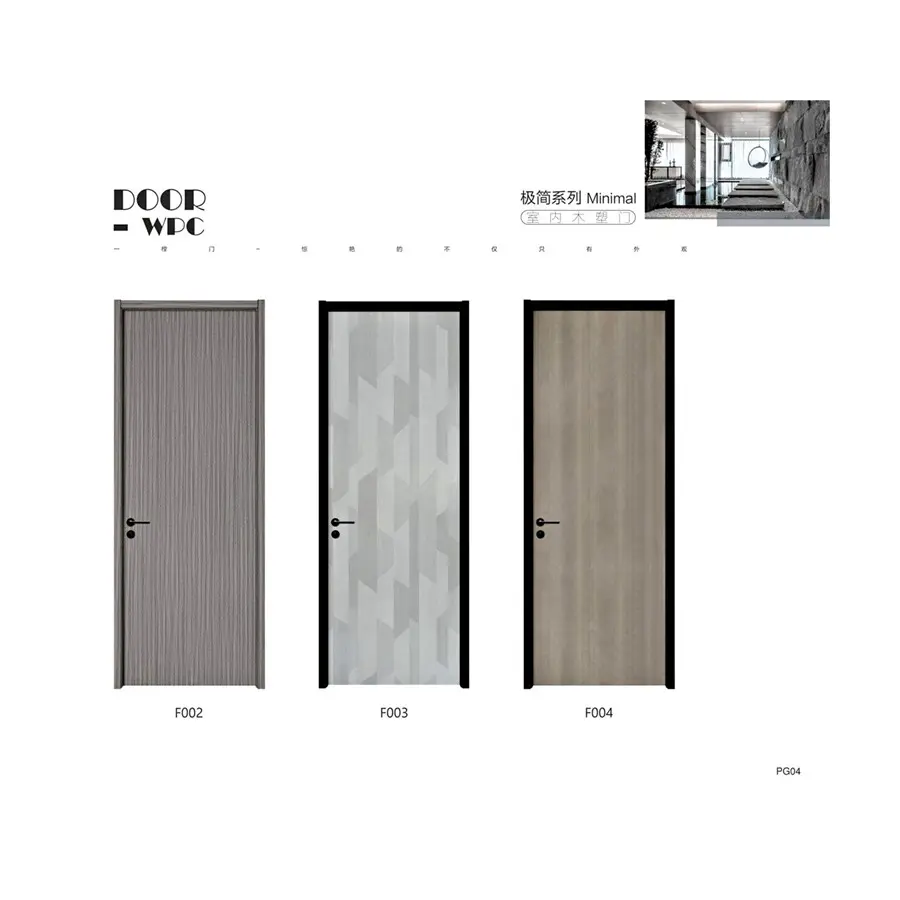
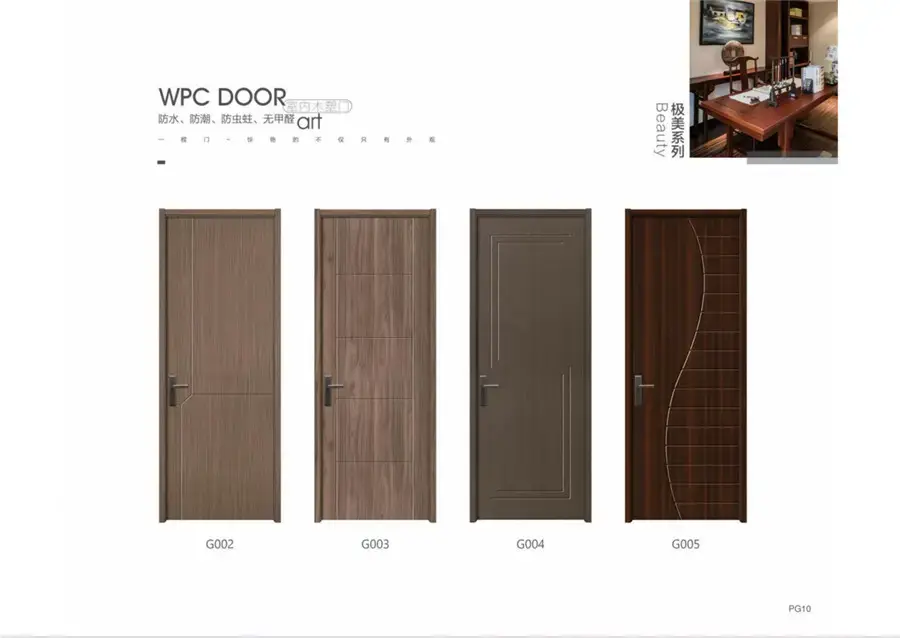
Modern heat transfer and synchronous matching technology can replicate the natural textures of high-end tree species such as oak, walnut and teak onto the skin surface with a precision of 0.1 millimeters, including the natural knots and mineral lines of the wood and other detailed features. The design end can achieve multiple gloss options from matte, semi-gloss to high gloss. Under the xenon lamp aging test (ISO 4892-2), the color stability has a color difference ΔE value of less than 3.5, ensuring no obvious fading within a ten-year service period.
Key technical parameters and quality control points
When choosing wood-plastic veneer doors, the following technical indicators should be given special attention
Skin thickness: In engineering applications, it is recommended to choose a thickness of 4 millimeters or more to ensure sufficient impact strength and repairability.
Wood fiber content: A fiber content higher than 55% helps enhance the authenticity of the texture, but it is necessary to ensure that the plastic is fully covered and there are no exposed fibers.
Peel strength: The bonding strength between the skin and the substrate should reach above 1.5N/mm² (in accordance with GB/T 17657), which can be simply judged by observing whether the edge delamination occurs after soaking in boiling water for 2 hours.
Environmental protection standards: Although the material itself can achieve zero formaldehyde addition, it is necessary to confirm whether it has passed CARB Phase 2 or REACH SVHC certification, especially for PVC substrates, attention should be paid to whether the type of plasticizer complies with the ROHS Directive.
Flame retardant performance: For commercial projects, it should be required to meet the ASTM E84 Class B or EN 13501-1 Class C flame retardant standards, which is usually achieved by adding halogen-free flame retardants such as aluminium hydroxide.
Analysis of Space Application Strategies
High-humidity areas: In environments such as bathrooms and swimming pool changing rooms, it is recommended to use an all-wood-plastic structure, including door casing lines and door panels, to avoid systemic failure caused by rusting of metal fittings. The contact surface between the door frame and the wall should be sealed with moisture-proof sealant, and an 8-10 millimeter ventilation gap should be reserved at the bottom.
Public circulation Spaces: Hospital corridors and hotel room doors need to take into account frequent use and disinfection requirements. Choose a type of skin with a dense surface and no pores, and avoid using open-pore wood grain to prevent the penetration of disinfectants. The hinges should adopt 304 stainless steel damping hinges. For scenarios where the opening and closing are more than 50 times a day, it is recommended to add a central axis reinforcement design.
Residential application: For bedroom and Living Room Doors, emphasis can be placed on design expression. Choose a synchronous pattern deep embossed style and pair it with a magnetic silent lock body. It should be noted that the weight of wood-plastic veneer doors is usually 20% to 30% lighter than that of solid wood doors. When installing, the load-bearing capacity of the wall should be confirmed, especially for the renovation projects of old buildings.
Semi-outdoor Spaces: The entrance doors of balconies and sunrooms must be covered with an anti-ultraviolet formula and their low-temperature impact resistance must be verified (no cracking in a drop hammer test at -20℃). It is recommended that the sealing rubber strips be made of ethylene propylene diene monomer (EPDM) to ensure an elastic retention rate of more than five years.
Installation and daily maintenance specifications
Before installation, the moisture content of the door opening wall should be less than 12% to prevent moisture from seeping into the door frame through the fasteners. Wood-plastic door frames can be directly fixed with expansion bolts without the need to reserve expansion joints, but the verticality error should be controlled within 2 millimeters. After the door leaf is installed, it is necessary to check whether the gaps around are uniform. It is recommended to be within the range of 3 to 5 millimeters and use adjustable hinges for fine adjustment.
For daily cleaning, avoid using strong solvents such as acetone and thinner, as well as hard tools like steel wool balls. For minor surface scratches, fine sandpaper (400 mesh or above) can be used to gently sand along the grain direction, and then filled with wood-plastic special repair paste. For surfaces that are exposed to direct sunlight for a long time, it is recommended to use UV protective spray every two years to delay surface aging.
The future direction of technological evolution
The current focus of industry research and development is on enhancing the texture authenticity of wood-plastic skins, including the development of microfoaming technology with a warm touch of natural wood, as well as reinforcing the plastic matrix through nanocellulose to reduce plastic usage while increasing mechanical strength. Another trend is the application of bio-based plastics (such as PLA (polylactic acid)), which has increased the proportion of recyclable materials to over 80%, meeting the green building certification requirements under the carbon neutrality goal.
The wood-plastic veneer door represents a successful practice of material synergy thinking - it neither completely abandons the aesthetic value of wood nor adheres to the cheap impression of plastic, but builds a bridge between the two through engineering innovation. For construction projects seeking long-term value and stable quality, this material offers a feasible path that takes into account performance, aesthetics and sustainability.