



Various door service providers
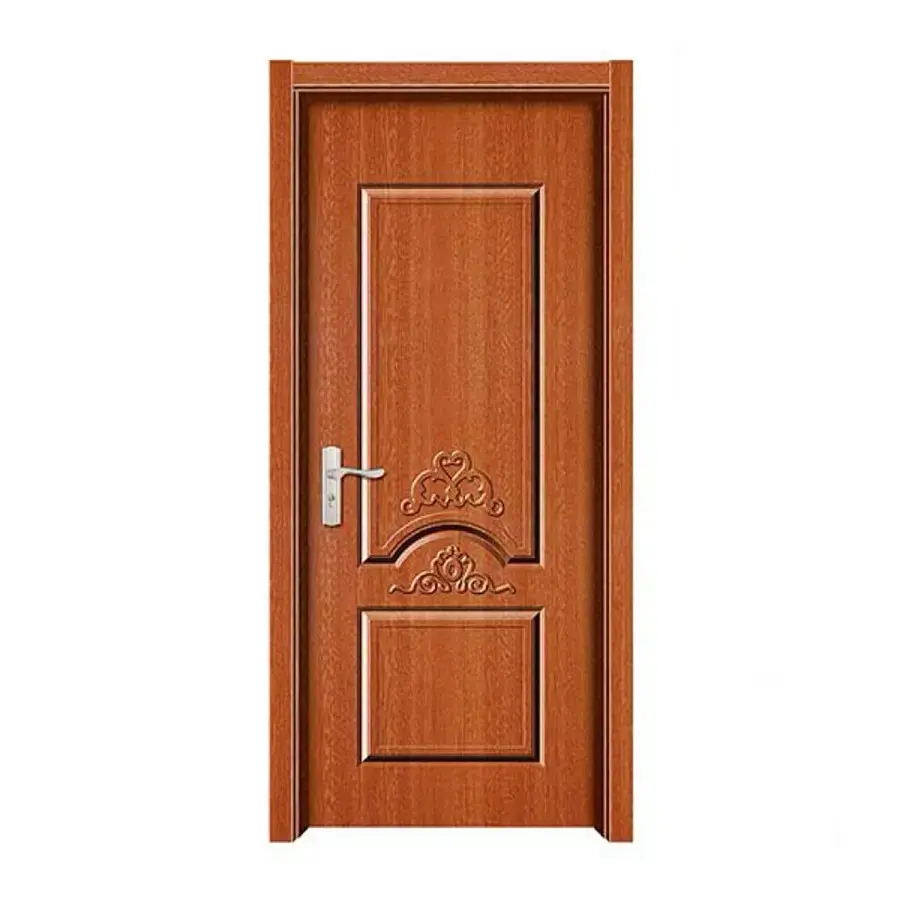
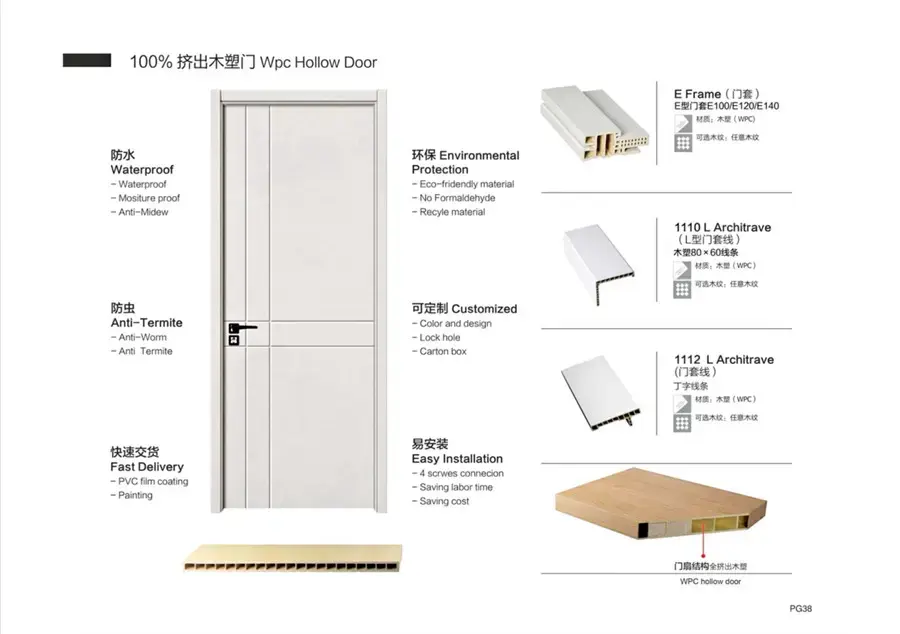

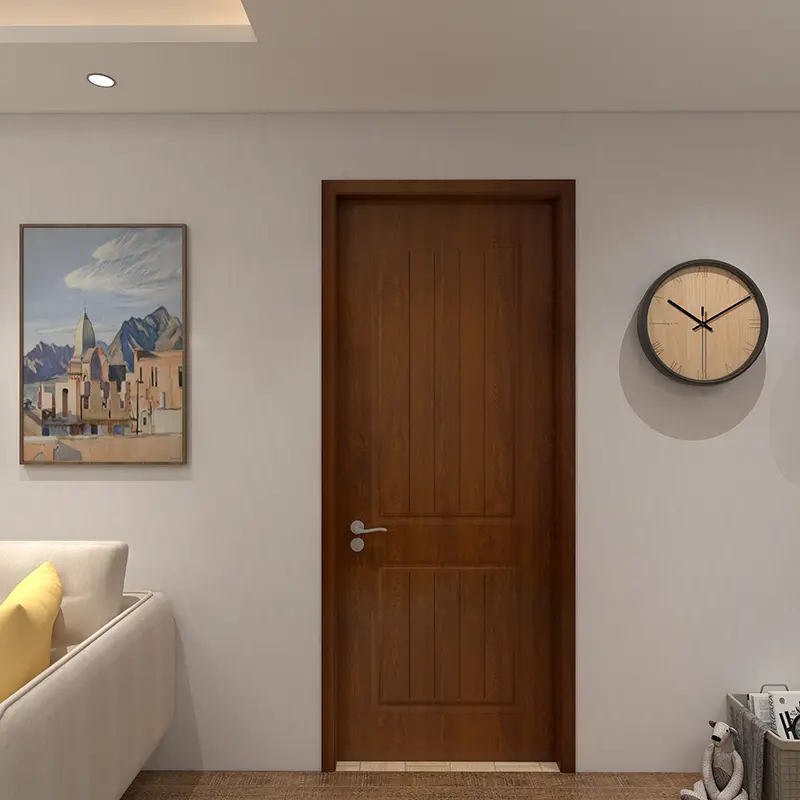

Why are MDF and PVC combined interior doors the preferred choice for green homes?
In today's pursuit of a healthy lifestyle, the environmental friendliness of interior doors has become a key factor that cannot be ignored during decoration. Although traditional Wooden Doors are natural and beautiful, they may release formaldehyde due to adhesives. Although pure PVC doors are waterproof and durable, they are often criticized for their monotonous texture. The combination of MDF (Medium density fiberboard) and PVC is redefining the standards of modern interior doors with its dual advantages of "environmental friendliness and practicality".
What is MDF? Why has it become a "potential stock" in eco-friendly door materials?
MDF, short for Medium Density Fiberboard, is a type of artificial board made from wood fibers through high-temperature and high-pressure pressing processes. Its core advantage lies in "taking the essence and discarding the dross" - by crushing the wood and recombining it, it not only retains the fiber structure of natural wood but also avoids the defects of solid wood such as easy cracking and deformation. More importantly, modern MDF production has widely adopted low-formaldehyde or formaldehyde-free adhesives, which comply with international environmental protection standards and reduce the release of harmful substances from the source.
The environmental friendliness of MDF is also reflected in the utilization of resources. It uses wood processing residues (such as wood chips and sawdust) as raw materials, converting waste that might otherwise be discarded into practical boards, significantly reducing the reliance on natural wood. This "turning waste into treasure" feature makes MDF an ideal choice for sustainable homes.

The combination of MDF and PVC: Why is It the "golden pair" for environmental protection upgrades?
PVC (polyvinyl chloride) is a common plastic material. Due to its waterproof, moisture-proof and easy-to-clean properties, it is widely used on the surface of Interior Doors. When MDF is combined with PVC, the environmental advantages of both are further magnified:
Double sealing reduces formaldehyde release
If MDF substrates are used alone, additional adhesives may be introduced to the surface due to coating or veneering processes. The PVC film is directly covered on the surface of MDF through a hot-pressing process to form a seamless sealing layer, which not only protects the base material but also avoids secondary pollution during subsequent processing. This "one-piece molding" design significantly reduces formaldehyde emissions, making it particularly suitable for Spaces with high air quality requirements such as children's rooms and bedrooms.
Extend service life and reduce resource waste
The wear resistance and scratch resistance of PVC film can effectively protect MDF substrates from daily bumps and knocks. Compared with the problems of paint peeling and cracking that are prone to occur in traditional wooden doors, the service life of MDF+PVC combination doors is longer, reducing the resource consumption caused by frequent replacement. This kind of "durability" itself is an important manifestation of environmental protection.
Recyclability enhances the overall environmental value
Although PVC is a plastic material, modern technology has enabled its separation and recycling from MDF. Some manufacturers even use degradable PVC films, further reducing the environmental burden at the end of the product life cycle.
Beyond environmental protection: Practical advantages of MDF+PVC doors
In addition to its environmental friendliness, this combination door also takes into account both aesthetics and functionality:
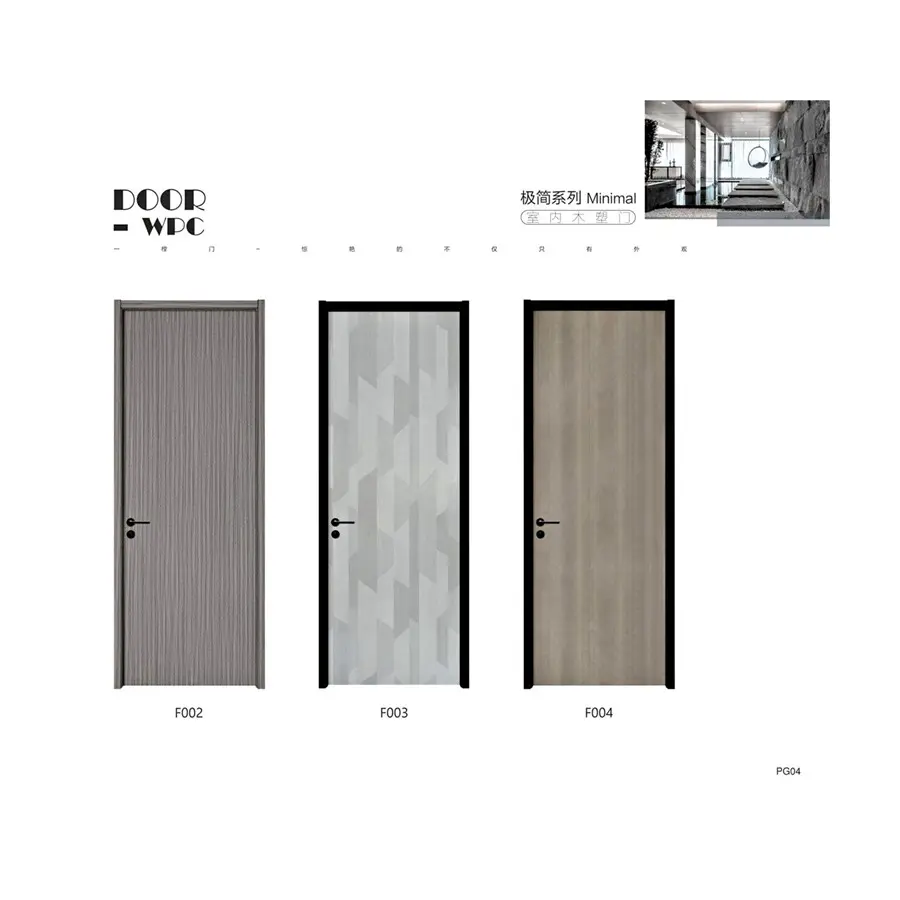
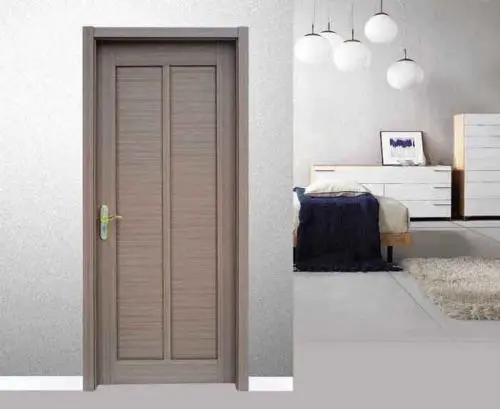
The surface texture is diverse: PVC film can simulate various textures such as wood grain, stone grain, and fabric grain, meeting the needs of different decoration styles.
Waterproof and moisture-proof: The PVC layer blocks water penetration. Even if it is installed in damp areas such as bathrooms and kitchens, there is no need to worry about the base material expanding and deforming.
Easy to clean and maintain: The surface is smooth and seamless, and dust and stains can be wiped off with just one wipe. It is suitable for the fast-paced modern life.
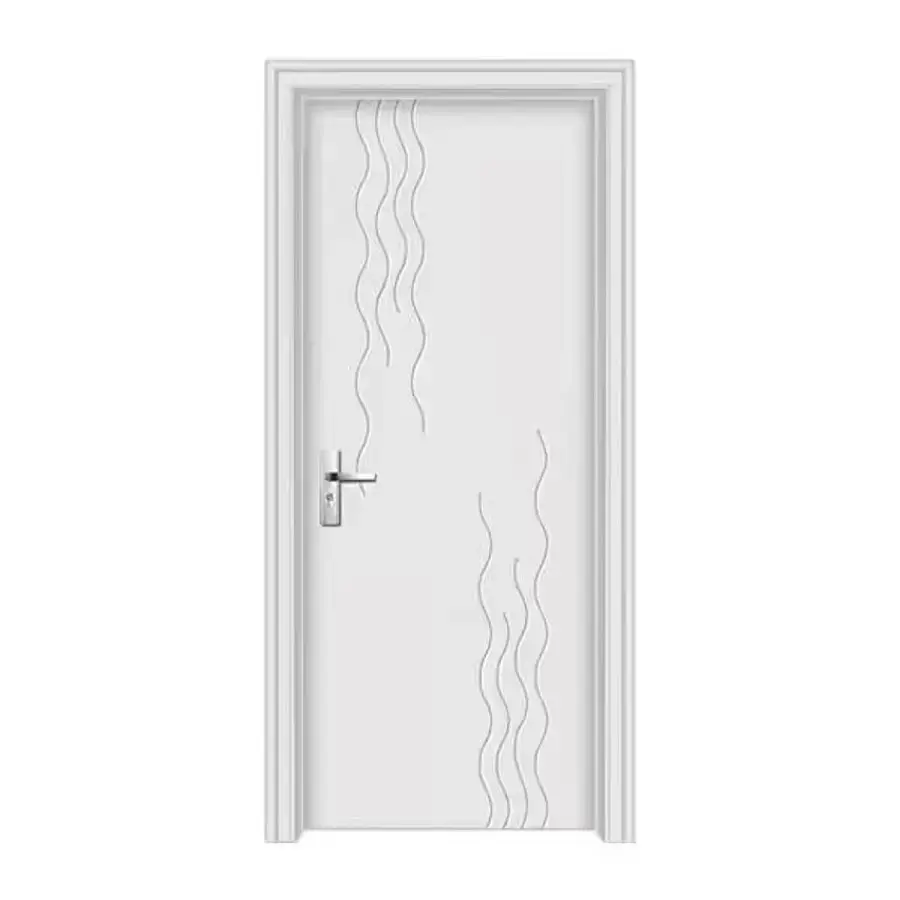
Conclusion: The future of eco-friendly door materials lies in "balance"
The combination of MDF and PVC is not a simple superposition, but rather achieves a balance between environmental friendliness, durability and aesthetics through innovation in materials science. It tells us that environmental protection should not be an excuse for compromise, but a driving force that can make life healthier and better through technological progress. If you are hesitating over the choice of interior doors, you might as well turn your attention to this "green combination" - it might just be the guardian of your ideal home.