



Various door service providers



What are the unique surface treatment technologies for aluminum exit doors?
Aluminum exit doors are widely used in modern buildings because of their light weight, high strength and good corrosion resistance. In order to meet different decorative needs and use environments, the surface treatment technology of aluminum doors is also constantly developed and enriched. The following are several common aluminum exit door surface treatment technologies:
1. Anodizing
Anodizing is the formation of a hard oxide film on the surface of aluminum by electrolytic treatment to enhance corrosion resistance and wear resistance. This oxide film can also be dyed to achieve a variety of colors to meet different decorative needs. The anodized aluminum door has high surface hardness and beautiful appearance, and is often used in high-end buildings and industrial places.
2. Electrophoretic coatingElectrophoretic coating is based on anodic oxidation, and a water-soluble acrylic film is covered on the surface of the oxide film by electrophoretic process. The surface of the composite film formed by this process is smooth and delicate, the appearance is bright and bright, and has good weather resistance and corrosion resistance.
3. Electrostatic powder spraying
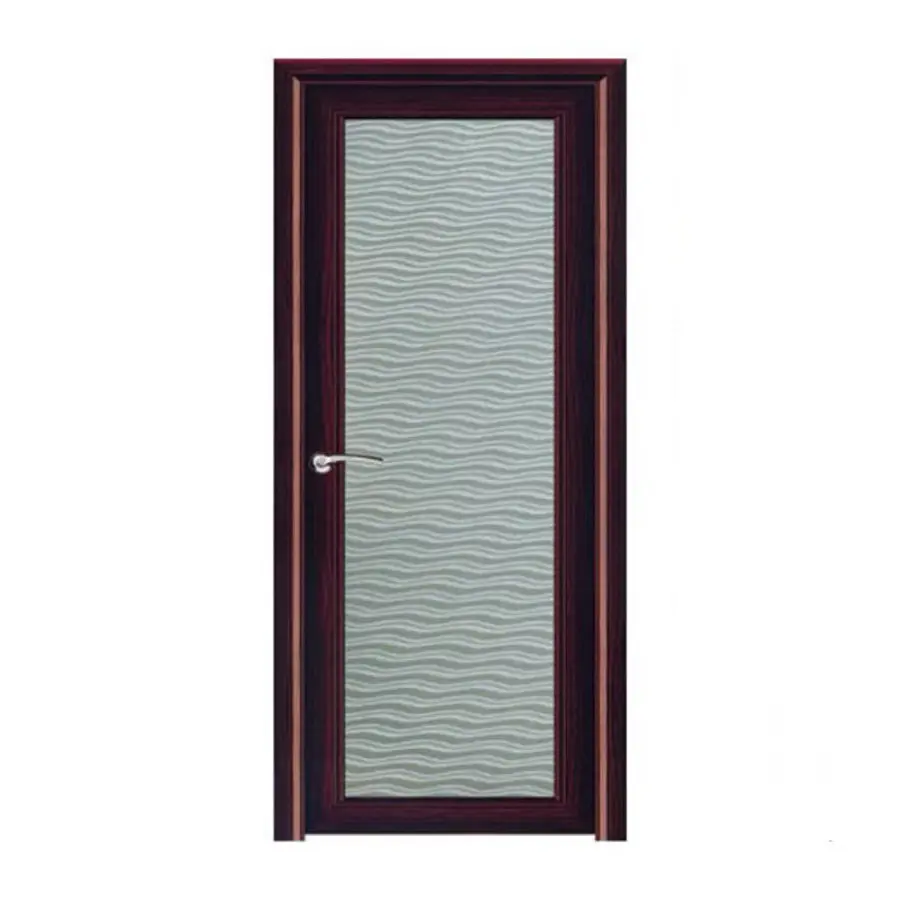
Electrostatic powder spraying is the use of electrostatic adsorption principle, the powder coating evenly coated on the surface of aluminum, and then through high temperature curing to form a protective layer. The advantages of this process are rich color selection, uniform coating, and environmental protection and pollution-free. The surface of the aluminum door after powder spraying is wear-resistant and corrosion-resistant, which is suitable for indoor and outdoor environment.
4. Fluorocarbon spraying
Fluorocarbon spraying is sprayed with polyvinylidene fluoride paint (PVDF) to form a coating with high weather resistance, anti-aging and corrosion resistance. Fluorocarbon sprayed aluminum door surface has a lasting color retention, suitable for use in places with high requirements for beauty and durability.
5. Wood grain transfer
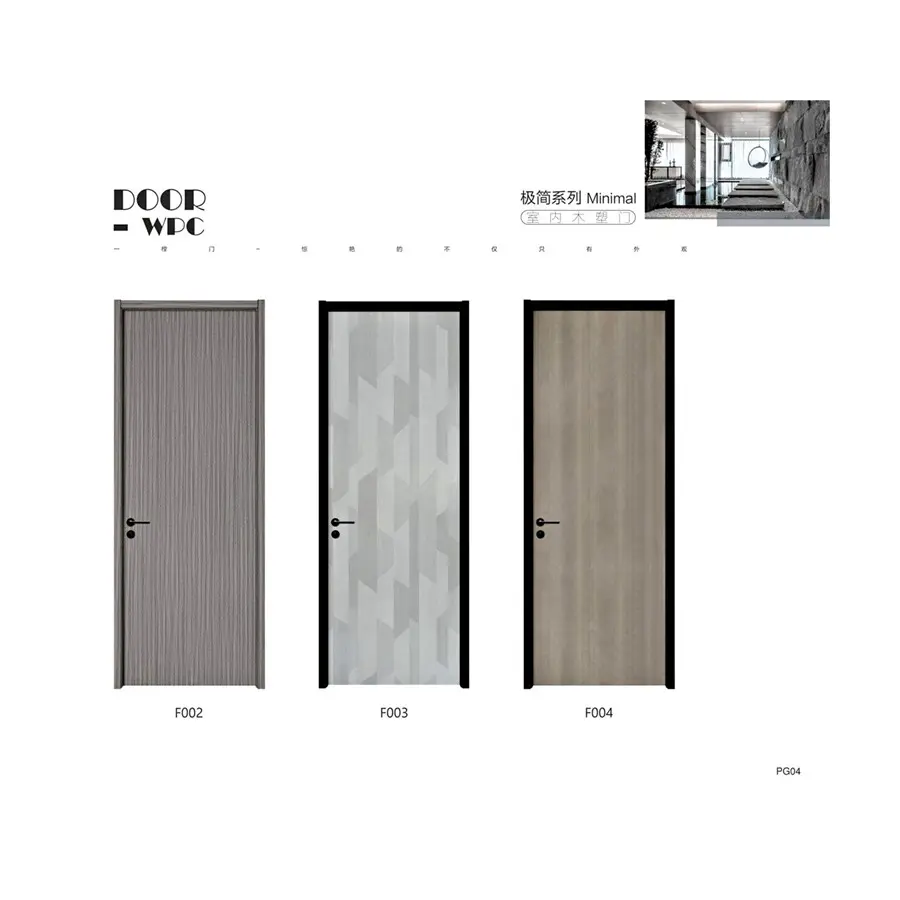
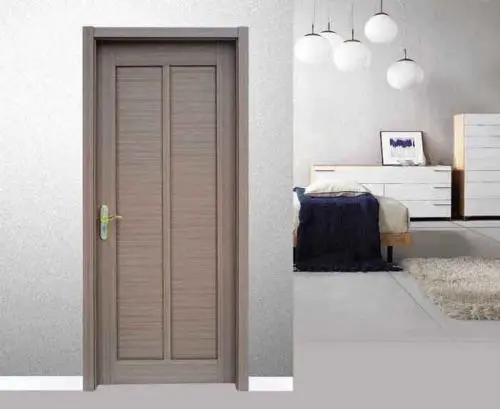
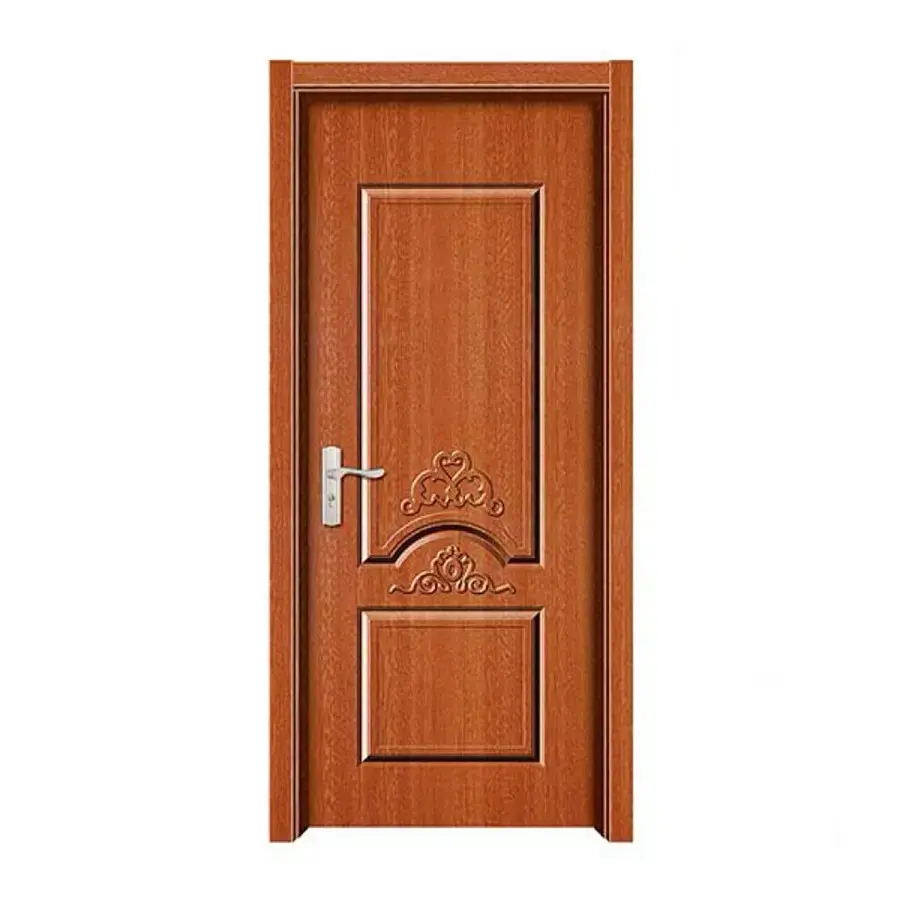
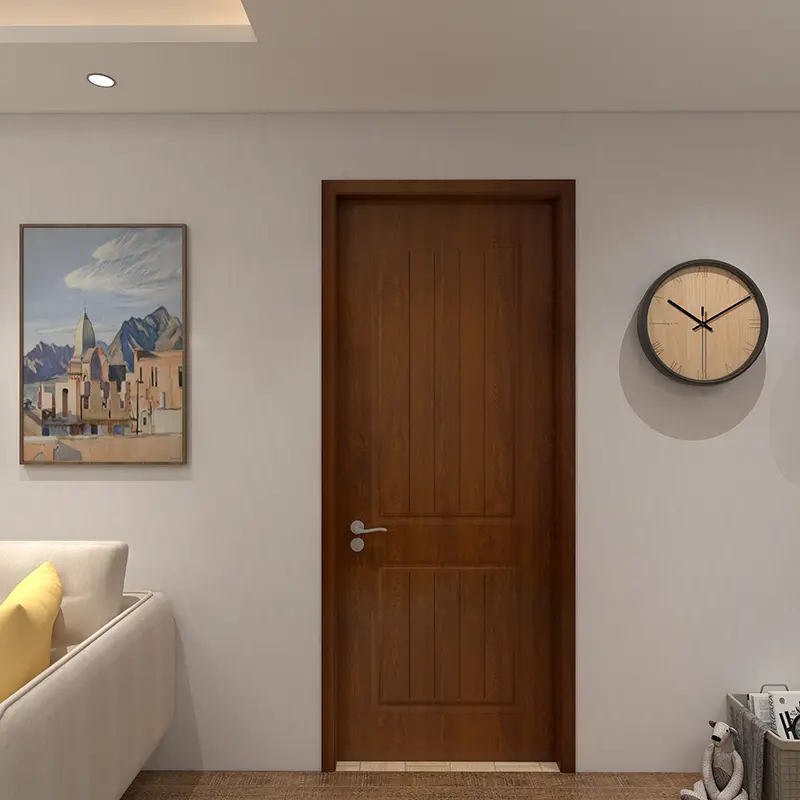
Wood grain transfer is to transfer the wood grain pattern to the aluminum surface through high temperature and pressure, so that the aluminum door has the visual effect of natural wood. This process is not only beautiful, but also environmentally friendly and energy saving, suitable for the pursuit of natural style of architectural decoration.
6. Sandblasting and polishing
Sandblasting is the use of high-speed sand flow impact aluminum surface, remove impurities and form a uniform roughness, enhance the adhesion of the coating. Polishing is to achieve a mirror effect on the aluminum surface through mechanical or chemical methods to improve the beauty. The sandblasted and polished aluminum doors have a unique surface texture and are suitable for modern and minimalist architecture.
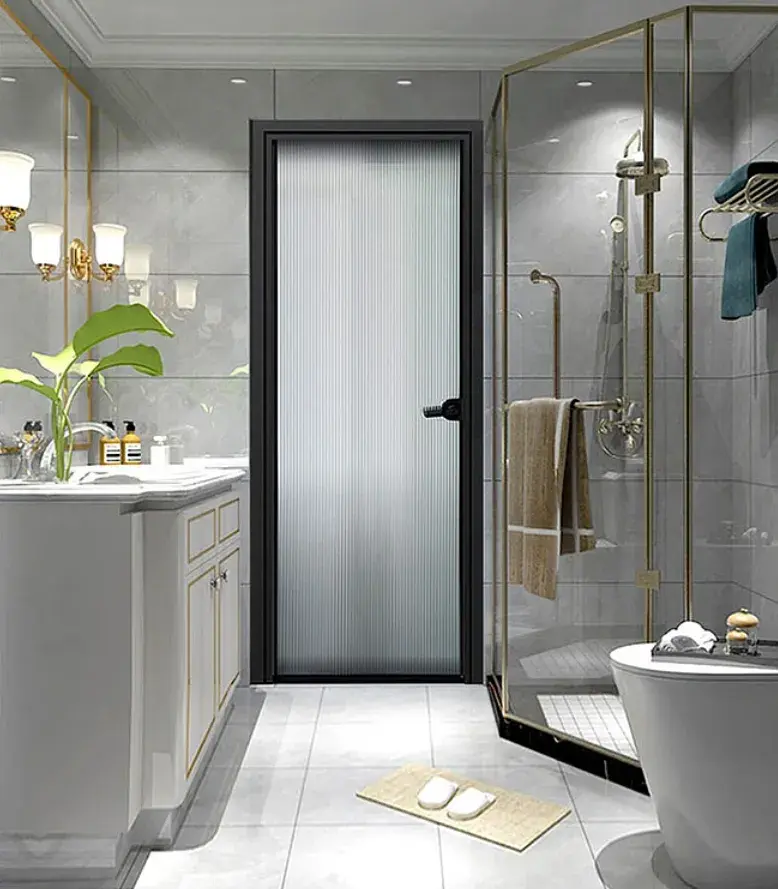
7. Drawing process
The drawing process forms a satin-like effect on the aluminum surface through mechanical processing, which has a unique metallic texture. This process not only improves the appearance of the aluminum door, but also enhances its wear resistance and anti-fingerprint ability.
Sum up
Aluminum exit door surface treatment technology is rich and diverse, each process has its own unique advantages and application scenarios. Anodic oxidation and electrophoretic coatings are suitable for places with high corrosion resistance requirements, while electrostatic powder spraying and fluorocarbon spraying are more suitable for buildings with high color and aesthetic requirements. Wood grain transfer and wire drawing processes give aluminum doors more decorative options. Through the reasonable selection of surface treatment technology, the service life and beauty of aluminum doors can be significantly improved.