



Various door service providers
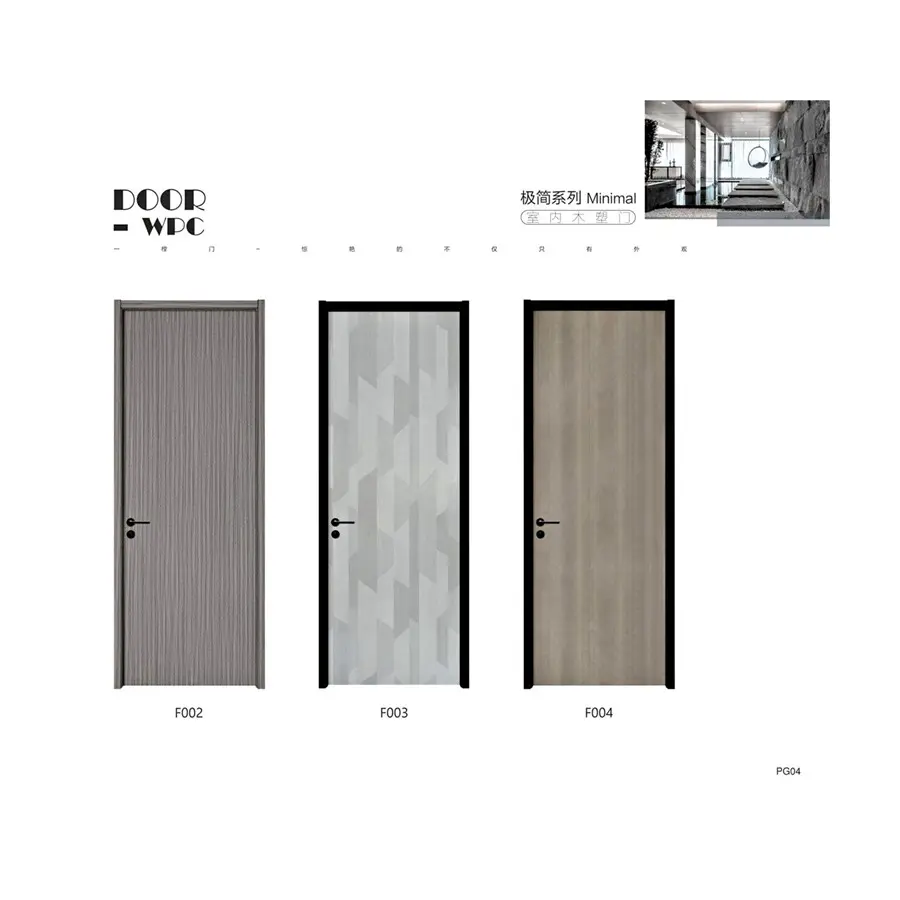
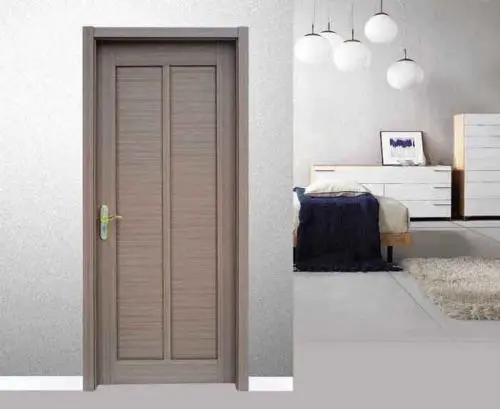
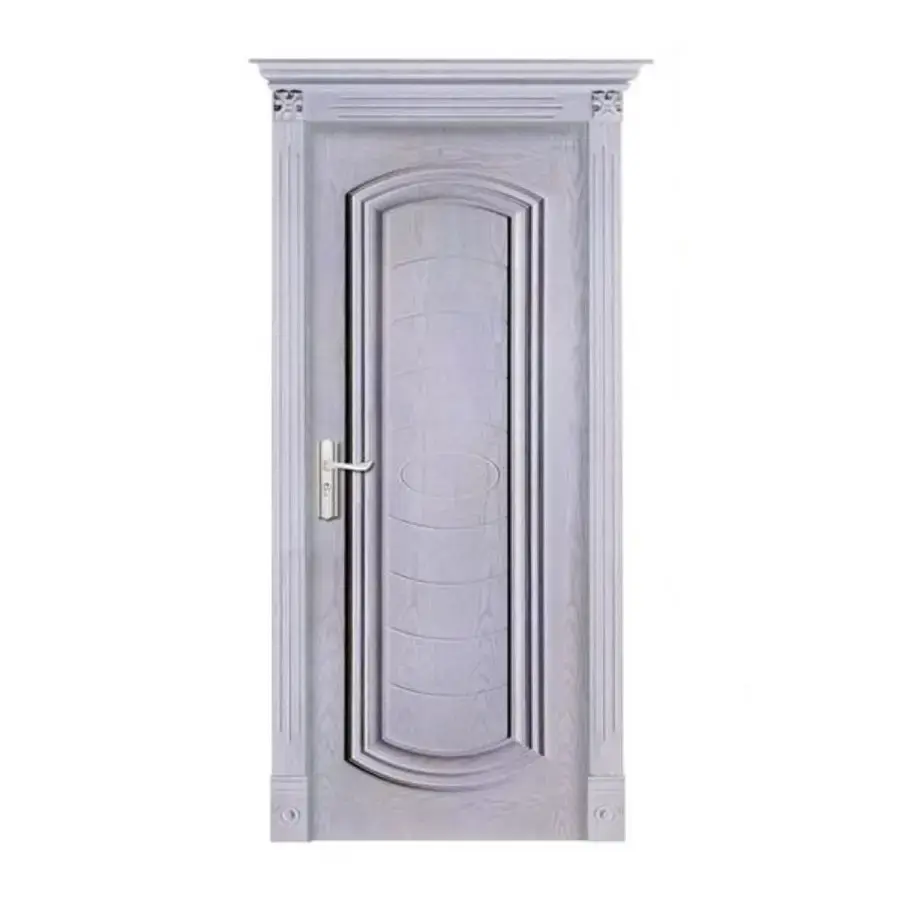
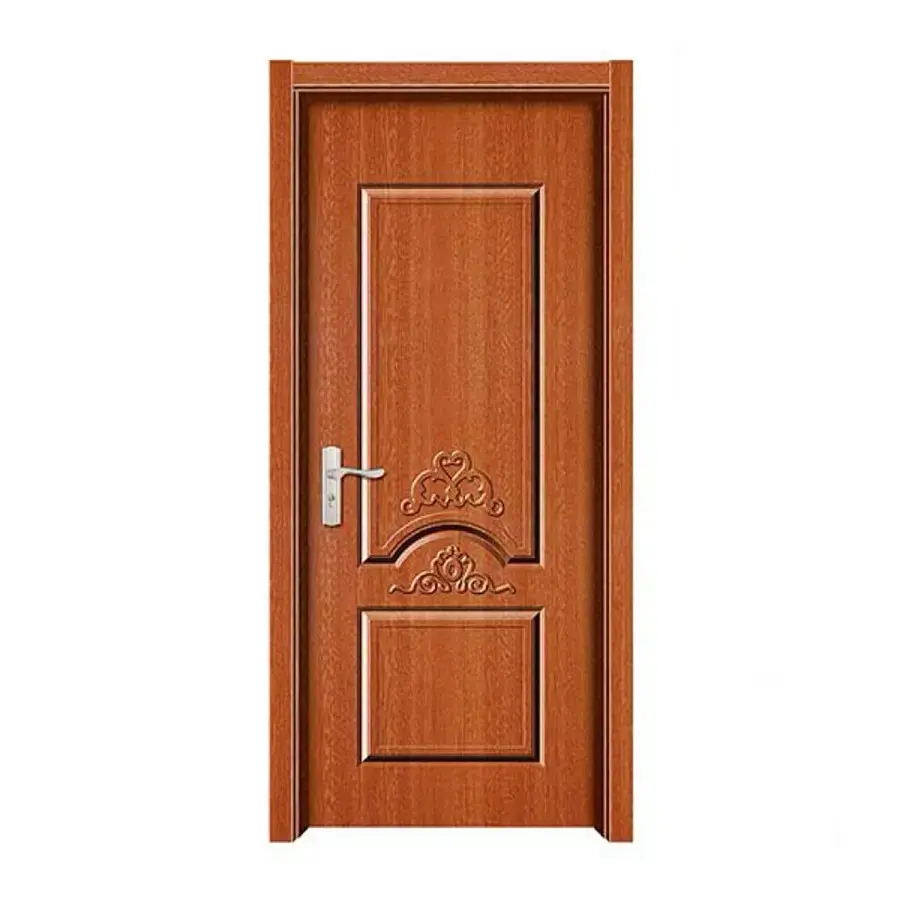
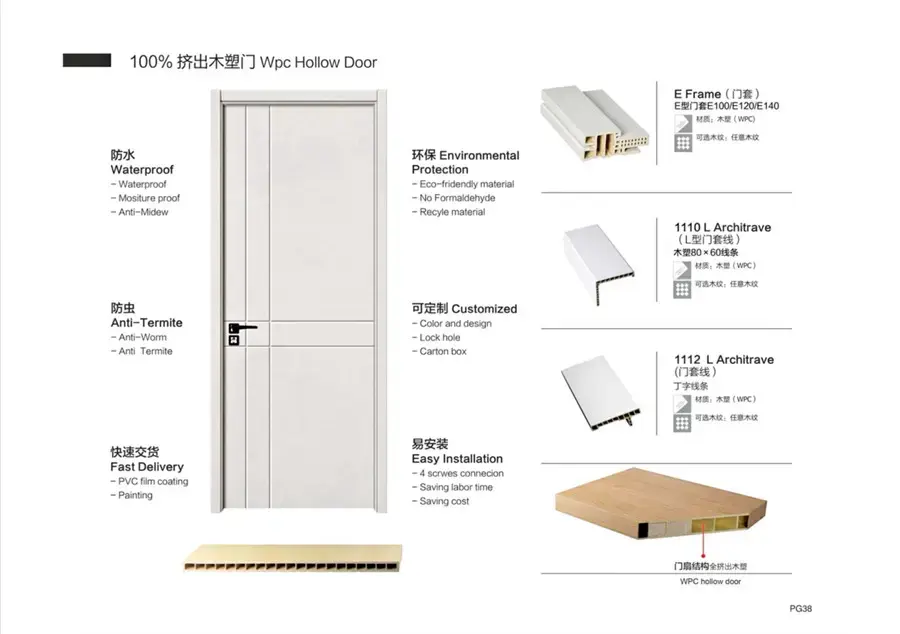

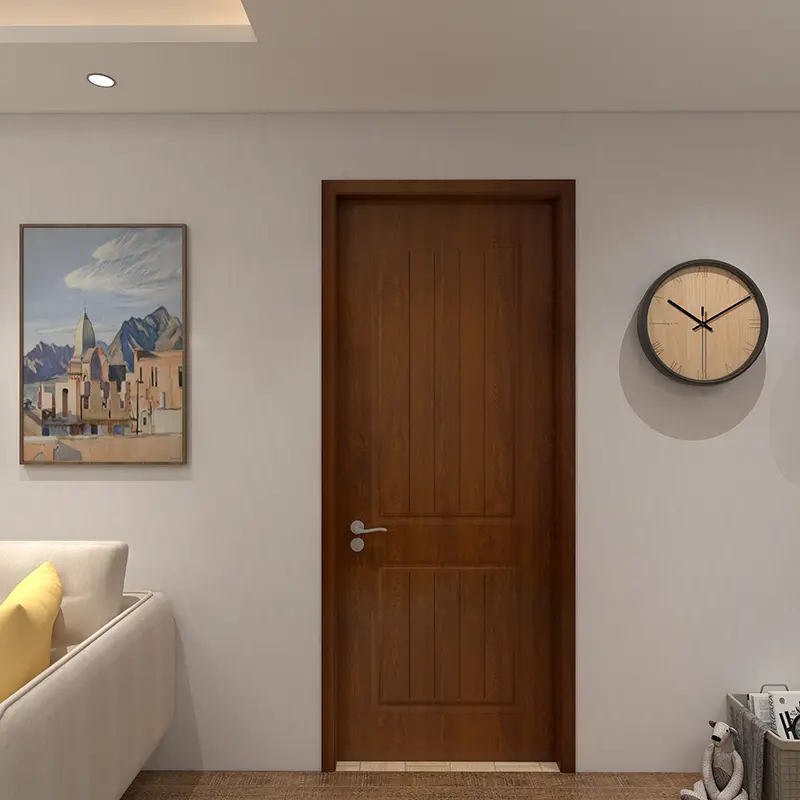


The sound insulation effect of melamine interior wooden doors: Creating a quiet home environment
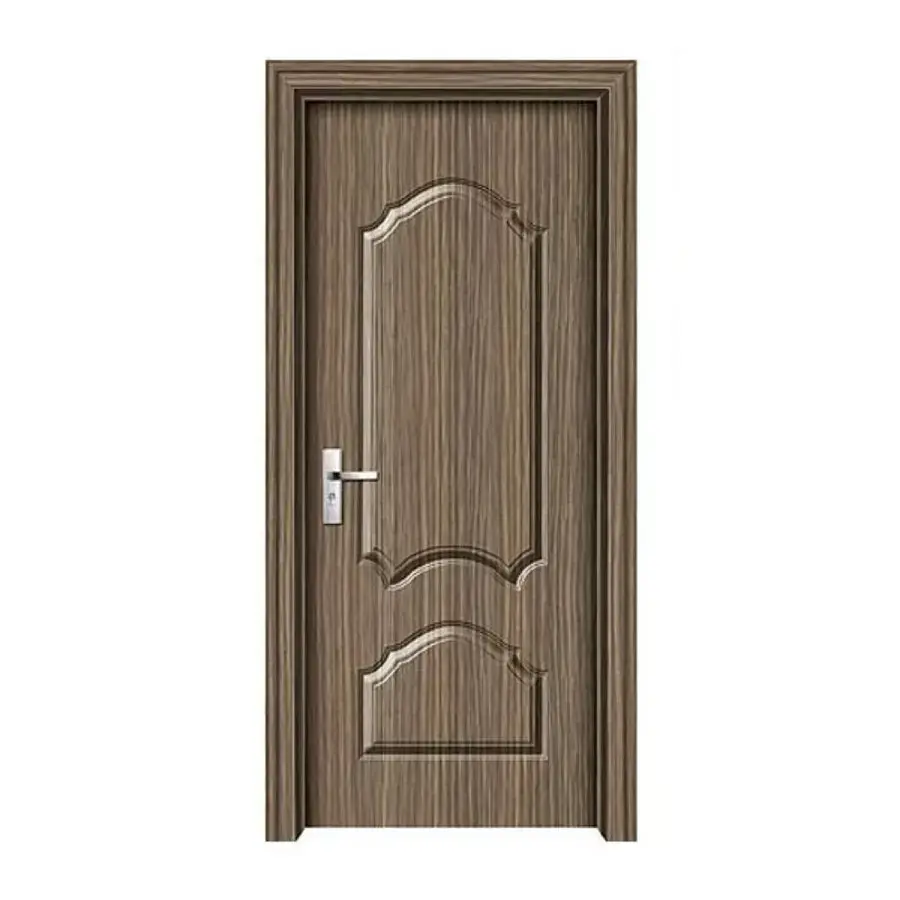
In modern home environments, sound insulation effect is one of the important considerations when choosing indoor Wooden Doors. Melamine interior wooden doors, due to their unique material properties and design, can effectively enhance sound insulation performance, creating a quiet and comfortable living space for families.
First, the sound insulation principle of melamine indoor wooden doors
(1) Material Properties
Melamine interior wooden doors usually use high-density fiberboard (HDF) or particleboard (MDF) as the base material, and these materials have good sound insulation performance. In addition, melamine itself is an environmentally friendly and strong material that can effectively block the transmission of sound.
(2) Structural Design
The sound insulation effect of melamine interior wooden doors not only depends on the material itself, but is also closely related to the structural design of the door. For instance, a door frame with a T-shaped opening design can offer better sealing performance and reduce the transmission of sound through the door gaps. In addition, the filling material of the door core also has a significant impact on the sound insulation effect. Common sound insulation filling materials include honeycomb cardboard, hollow particleboard, etc.
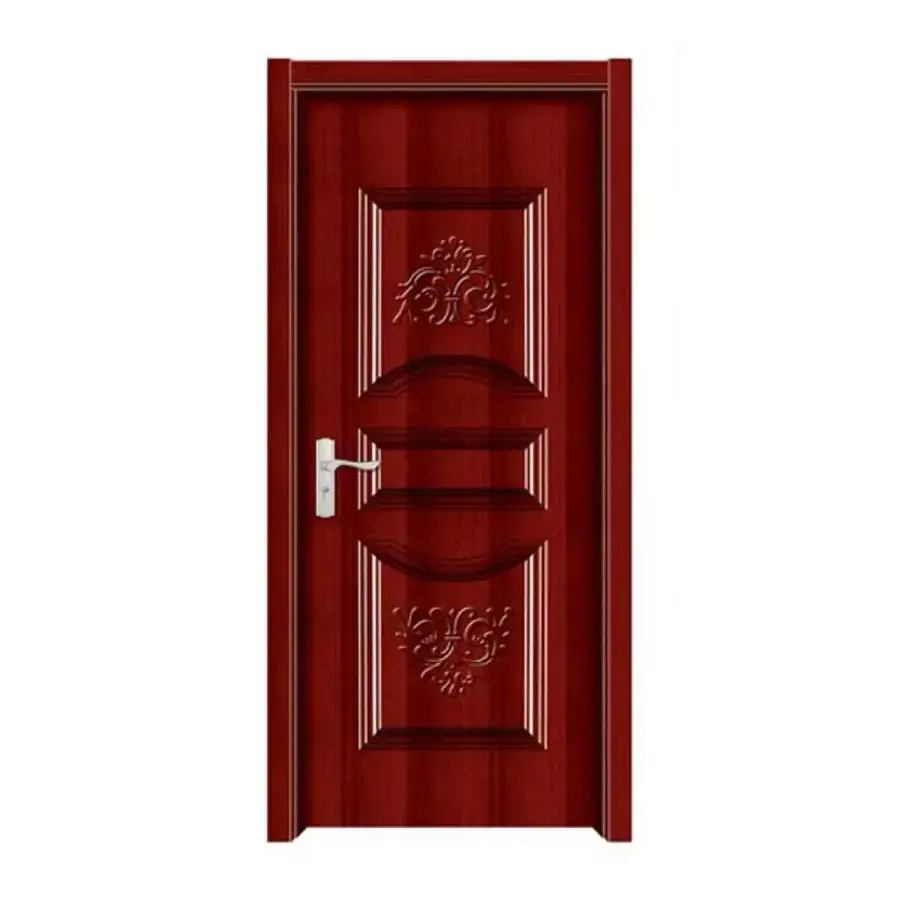
Second, specific methods to enhance sound insulation effect
(1) Select the appropriate filling material for the door core
The filling material of the door core plays a key role in the sound insulation effect. For instance, melamine interior wooden doors with particleboard as the core can achieve a sound insulation effect of 32 decibels. The high density and porous structure of this material can effectively absorb and reflect sound waves, thereby reducing the penetration of sound.
(2) Optimize the design of the door frame
The design of the door frame also has a significant impact on the sound insulation effect. The T-shaped door frame, through its unique structural design, can provide better sealing performance and reduce the transmission of sound through the door gaps. In addition, the sealing strip between the door frame and the door leaf is also very important. The use of high-quality rubber sealing strips can further enhance the sound insulation effect.
(3) Increase the thickness of the door
Although increasing the thickness of the door is not the only solution, to a certain extent, thicker doors can indeed offer better sound insulation. This is because thicker doors have higher quality and can more effectively block the transmission of sound.
Third, precautions in practical application
(1) Installation quality
No matter how perfect the design of the door is, if it is not installed properly, the sound insulation effect will be greatly reduced. Therefore, it is recommended to have professional installers carry out the installation to ensure the sealing between the door and the door frame.
(2) Maintenance and upkeep
Regularly check the sealing strips and door frames of the door to ensure they are not damaged or loose. If any problems are found, they should be replaced or repaired in time to maintain good sound insulation effect.
Fourth, Summary
Melamine interior wooden doors, through their unique material properties and structural design, can effectively enhance sound insulation performance, creating a quiet and comfortable living environment for families. Choosing the right core filling material for the door, optimizing the door frame design and increasing the thickness of the door are all effective ways to enhance the sound insulation effect. At the same time, ensuring installation quality and regular maintenance are also key to maintaining good sound insulation effects. It is hoped that the above content can help you better understand the sound insulation effect of melamine indoor wooden doors. If you have any questions about the sound insulation performance of melamine interior wooden doors or need further information, please feel free to contact us at any time.