



Various door service providers

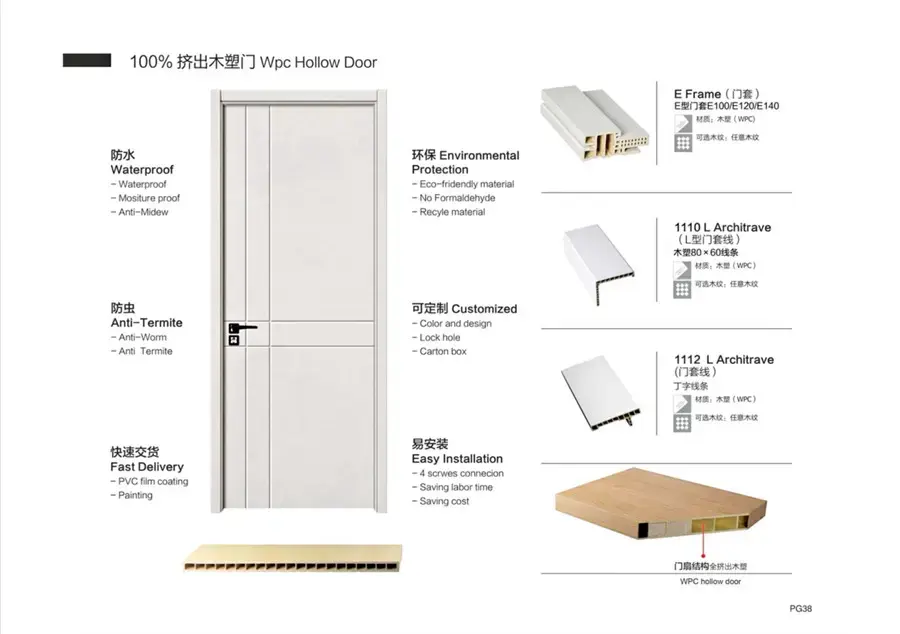




The "Silent" Secret of Doors: From Sealing Strips to internal fillers, How to Achieve True Silent Effects?
In modern architecture and interior design, people have increasingly higher demands for the comfort of living and working Spaces, among which the sound insulation effect has become an important consideration factor. As a key component connecting different Spaces, the noise reduction performance of doors directly affects the quietness of the interior. This article will delve into the silent secrets of doors, from sealing strips to internal fillers, and analyze how to achieve true silent effects.
First, sealing strips: The primary line of defense for noise reduction
Sealing strips play a crucial role in the silent design of doors. High-quality sealing strips can effectively prevent sound from spreading through door gaps and ensure a tight fit between the door and the door frame when the door is closed. Common sealing strip materials include rubber and silicone. These materials have good elasticity and can fill the tiny gaps between the door leaf and the door frame when the door is closed, thereby reducing sound leakage. Some high-end silent doors also use magnetic sealing strips. These sealing strips, based on the principle of magnetic force, can tightly adhere to the door frame when the door leaf is closed, further enhancing the sealing performance.
Second, door frame: A combination of firmness and sealing
The door frame is the supporting structure of the door, and its material and design directly affect the overall performance of the door. Strong and high-density materials, such as solid wood, metal or reinforced plastic, are often used to make door frames because these materials not only enhance the structural strength of the door but also improve its sound insulation performance. In addition, the sealing design around the door frame is also a key to achieving a silent effect. By installing sealing strips at the contact points between the door frame and the door leaf, the transmission of sound can be effectively reduced.
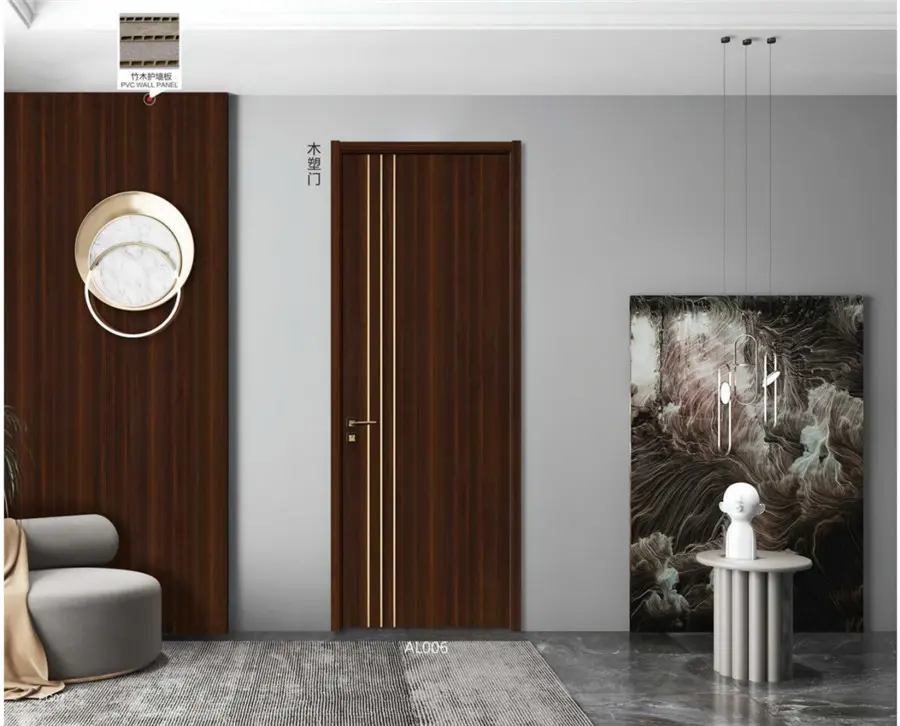
Third, door leaf: The sound insulation effect of multi-layer structure
The door leaf is the main part of the door, and its structural design plays a decisive role in the sound insulation effect. Modern silent doors usually adopt a multi-layer structure. The outer layer is a wooden or metal panel, the middle layer is filled with high-efficiency sound-absorbing materials such as mineral wool, glass fiber or polyurethane foam, and the inner layer may be covered with another layer of material to enhance the sound insulation effect. This multi-layer structure can effectively absorb and weaken the sound transmitted through the door, thereby achieving a good sound insulation effect.
Fourth, internal fillers: The key to sound absorption and damping
The internal filling material is one of the key factors determining the sound insulation effect of a door. Commonly used filling materials include mineral wool, glass fiber, polyurethane foam, etc. These materials can effectively absorb and weaken the transmission of sound. Some high-end soundproof doors also use special damping materials to reduce resonance and vibration, further enhancing sound insulation performance. For instance, materials such as aluminum honeycomb cores and bridge hole mechanical panels, due to their unique structural designs, can effectively reduce the transmission of sound.
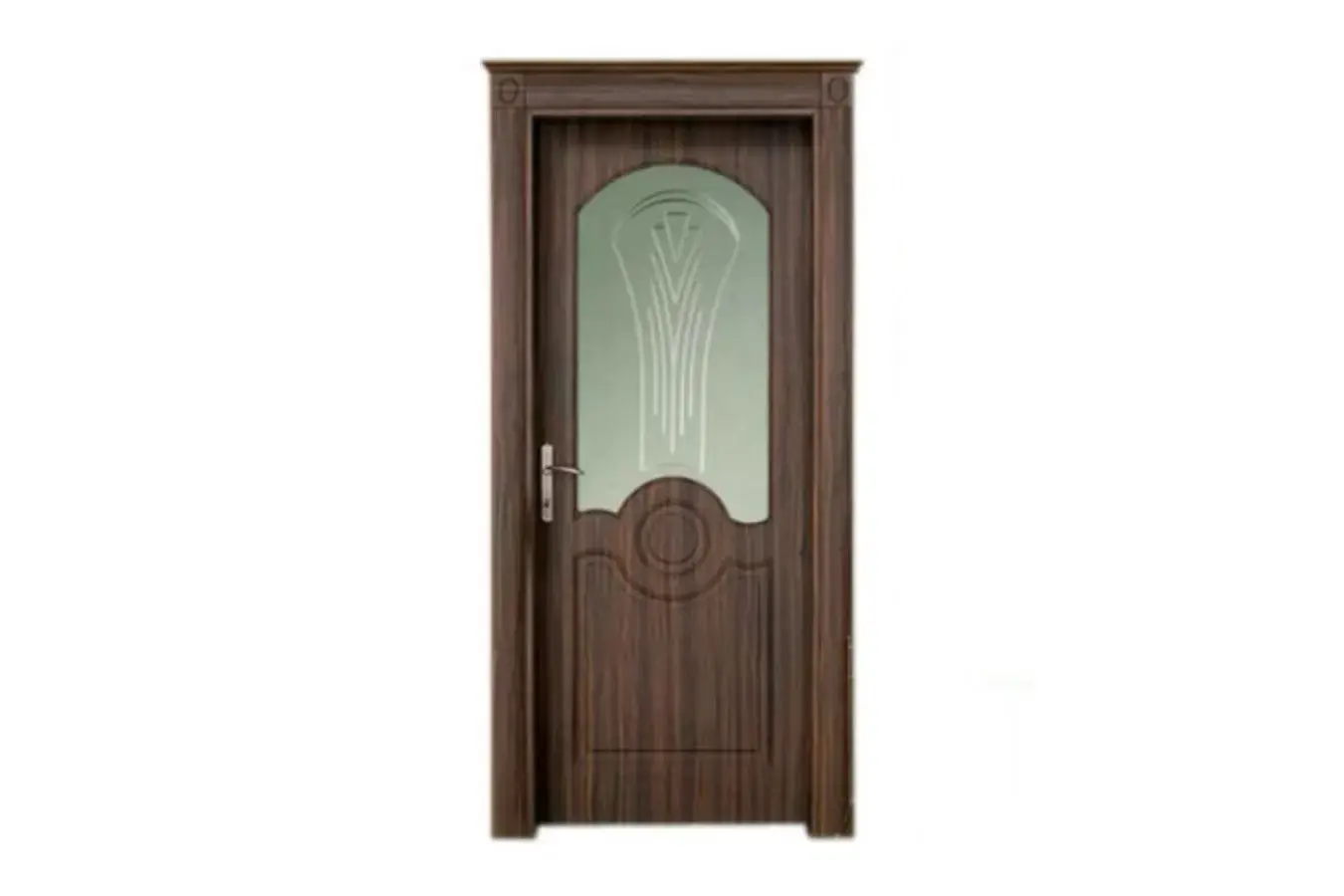
Fifth, other auxiliary designs: Details for enhancing noise reduction performance
In addition to the above-mentioned main components, there are also some auxiliary designs that can further enhance the noise reduction performance of the door. For instance, bottom sealing devices (such as automatic push-down thresholds) can completely seal the gap at the bottom of the door, preventing noise from entering. In addition, low-noise or silent hinges can ensure that the door does not generate additional noise during the opening and closing process. Some silent doors are also equipped with adjustable bottom sealing devices to adapt to different ground conditions and further improve the sealing performance.
Sixth, the application and advantages of silent doors
Silent doors are widely used in places where a quiet environment needs to be maintained, such as meeting rooms, recording studios, and hospital operating rooms. Its advantage lies in the fact that it can significantly reduce the sound transmission between indoors and outdoors, as well as between rooms, without affecting daily use, creating a more peaceful living or working environment. Through carefully designed sound insulation technology, silent doors not only enhance the comfort of the interior but also meet people's pursuit of a high-quality life.
To achieve the silent effect of a door, multiple aspects such as sealing strips, door frames, door panels, internal fillers, and auxiliary designs need to be comprehensively considered. By choosing high-quality materials and adopting advanced design techniques, the transmission of sound can be effectively reduced, thereby achieving a true silent effect. In modern architecture and interior design, the application of silent doors not only enhances the comfort of the space but also meets people's demand for a quiet environment.