



Various door service providers

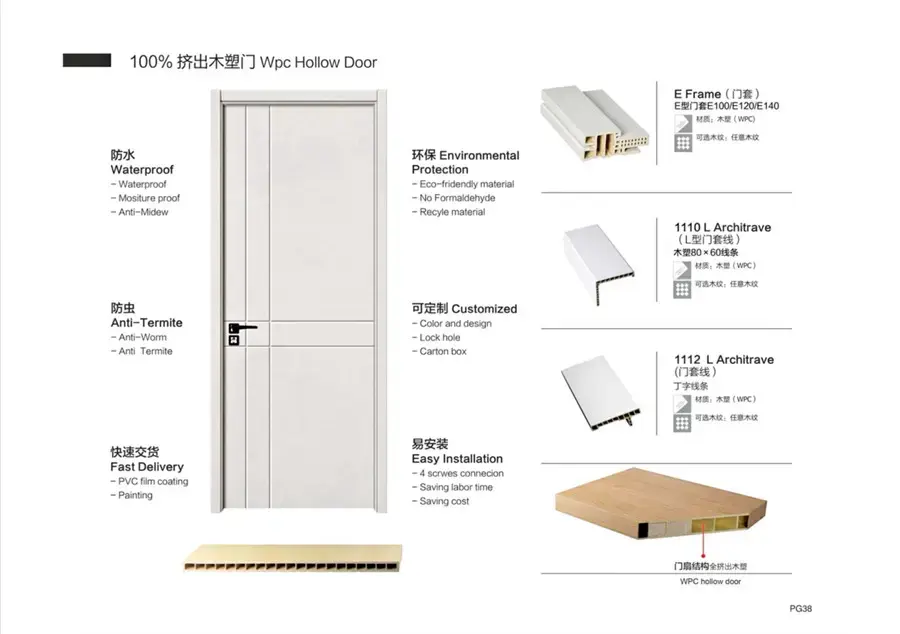

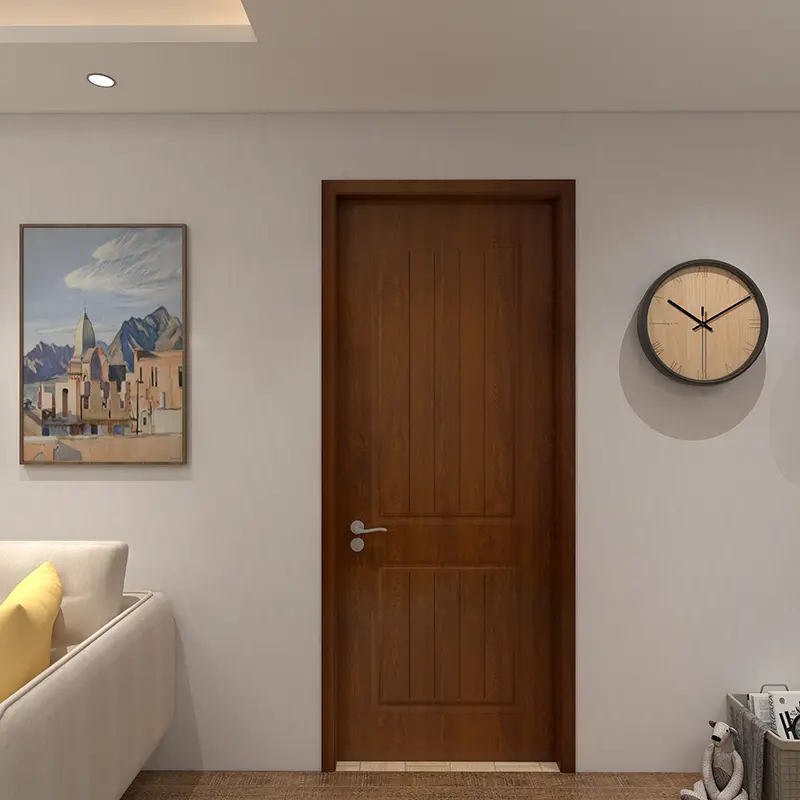


The reshaping of home Spaces in the post-pandemic era: The demand for personalized, quiet and multi-functional interior doors is on the rise
Do you still remember? It is only when our home suddenly has to take on multiple responsibilities such as an office, a classroom, a gym, and even a meditation room overnight that we start to truly examine every inch of space in our home. How the walls divide the layout, while each Interior Door determines the connection and isolation between Spaces. In the post-pandemic era, this profound reflection on home Spaces is driving a silent transformation regarding interior doors. What purchasers need to understand is no longer the simple buying and selling of door panels, but the deep-seated demands behind this spatial reshaping.
From "Separation" to "Empowerment" : The Role Evolution of Doors
In the past, the core functions of interior doors were basic space division and privacy protection. But today, a door has been endowed with more expectations. It needs to become a household environment tuner ", personal taste "express" and space efficiency "the magician". This transformation stems from several key changes:
The normalization of the hybrid working model: Tens of thousands of families now have one or two members who need to work from home for a long time. A quiet and undisturbed office environment has become a necessity.
Emphasis on Spaces for physical and mental health: People need a corner where they can focus on reading, online courses or simply relax, isolated from the hustle and bustle of the home.
Increased emotional investment in "home" : People are more willing to invest in home elements that can enhance the happiness of daily living and reflect their personality.
All of this has transformed the interior door from a backdrop into a focal point.
Three core demand insights: Trends that purchasers must pay attention to
Based on the above changes, the current market demands mainly focus on three dimensions: personalization, quietness and multi-functionality.
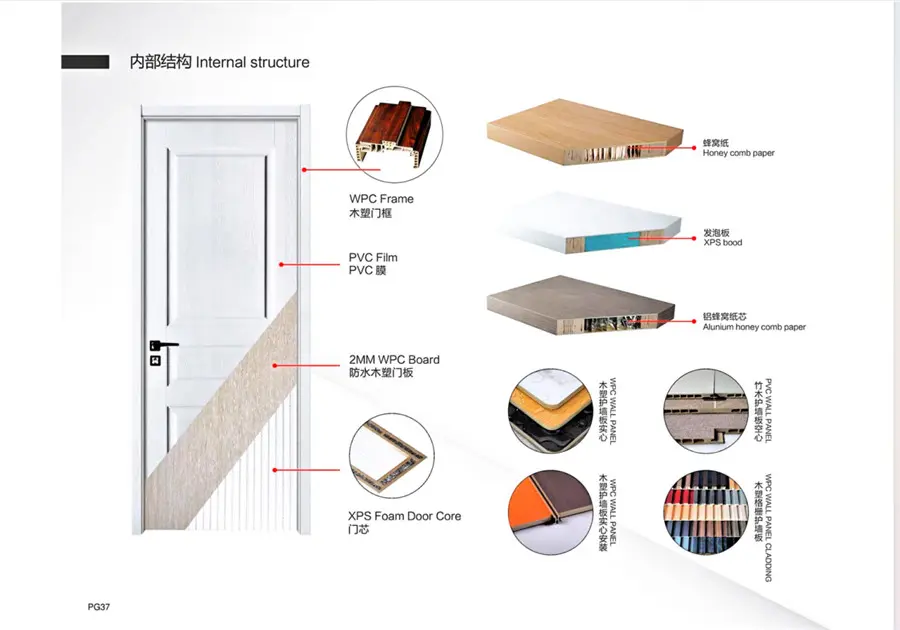
First, personalized design: Resonate with the overall home style
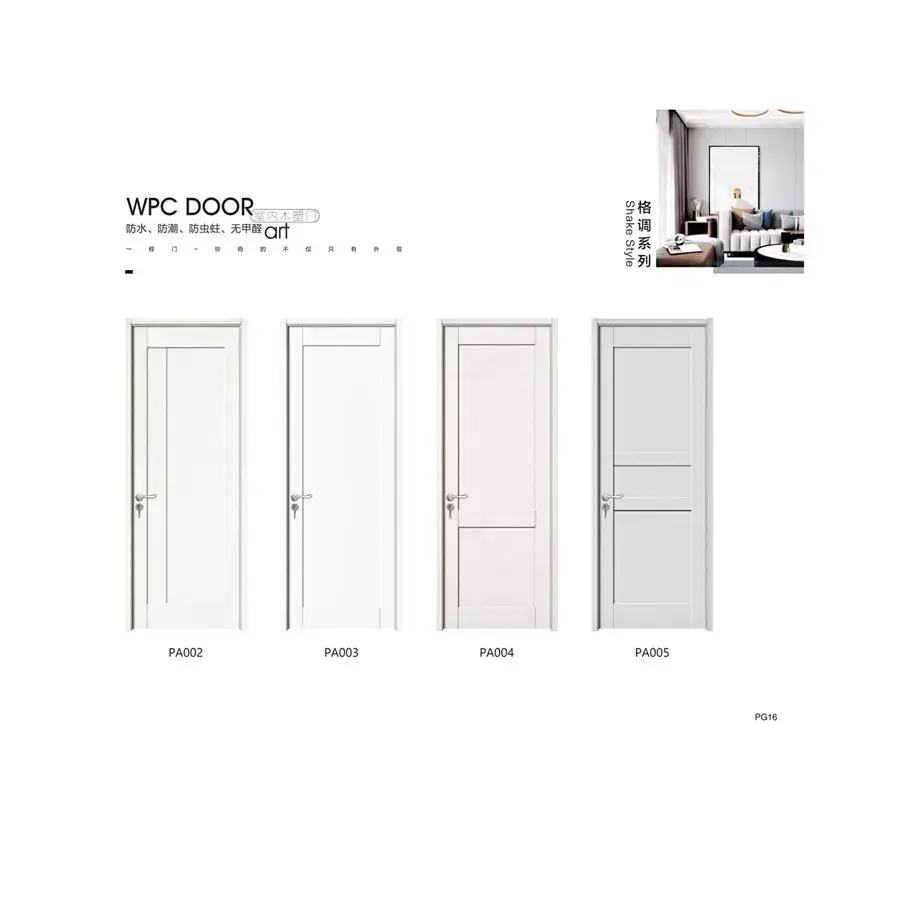
The uniform white flat doors are giving way to more design-oriented options. Consumers hope that the door can resonate harmoniously with the furniture, wall color and floor they have carefully selected, and even become a visual highlight. This is reflected in:
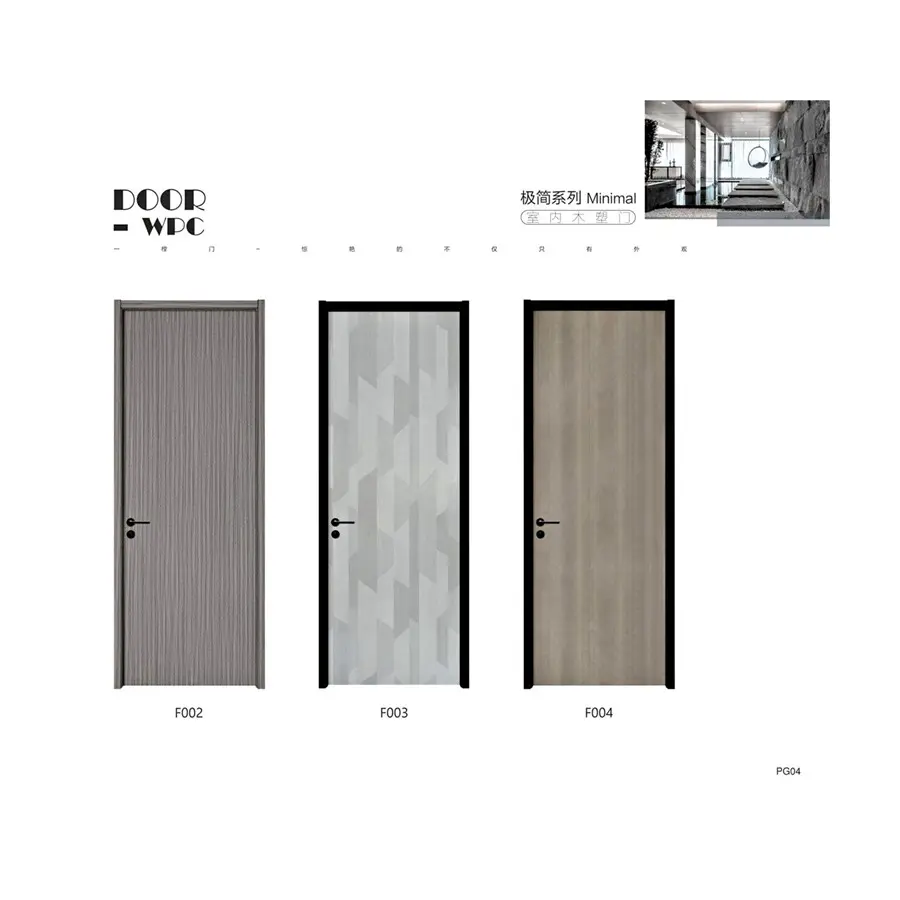
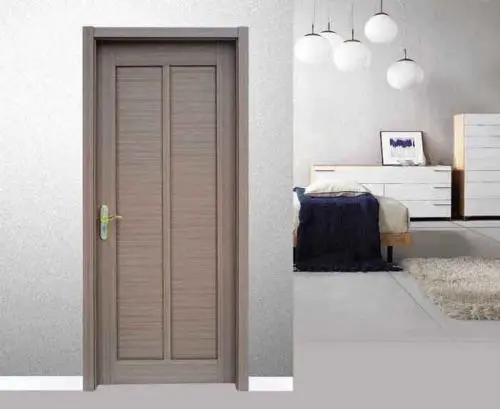
Material diversification: In addition to traditional solid wood and molded doors, solid wood veneers with natural textures, fashionable glass elements (such as long rainbow glass and oil sand glass), and the ingenious integration of metal lines are becoming increasingly popular. These materials can create a variety of atmospheres, whether simple, retro or light luxury.
The bold use of color and line: Door panels that dare to use dark colors (such as dark green or navy blue), or minimalist designs with simple geometric lines and invisible door frames, are highly favored. Doors are becoming a canvas for expressing individuality.
Second, outstanding silent performance: Safeguarding the tranquility of your home
This is the most intense and urgent need in the post-pandemic era. When multiple people are active at home simultaneously, the sound insulation effect of the door directly determines the quality of life and work efficiency. The key word has been upgraded from "sound insulation" to "silent experience", which is a systematic project:
Core material: Interior doors with structures such as Hollow Core Slab doors, due to their unique honeycomb structure inside which can effectively block the transmission of sound waves, have a sound insulation effect (reaching about 28-32 decibels) that is far superior to traditional hollow doors.
Sealing process: The weight of the door leaf alone is not enough. Magnetic sealing strips are the key. When the door is closed, the sealing strip can closely fit the door frame, fill the gap and effectively prevent sound from leaking through the door crack. Users who pursue ultimate quietness will pay special attention to the sealing integrity between the door leaf and the door frame, as well as between the door leaf and the ground.
Hardware details: The use of hydraulic hinges or floor springs enables the door to close silently and gently, eliminating the "bang" sound. This is crucial for families with infants or those who need to focus on work.
Third. Flexibility and multi-functionality: Great wisdom in a small space
For urban families with limited living space, the functionality of doors has been further explored. It is no longer just about opening and closing; it also needs to serve the space
Space-saving designs: Barn doors, folding doors and other styles, with their sliding design that does not occupy the opening radius, are very suitable for small-sized apartments or compact areas such as bathrooms and storage rooms, making space utilization more efficient.
The variability of space: Large glass folding doors or hidden doors that can be fully embedded in the wall can be fully opened when needed, connecting the living room and study, as well as the dining room and kitchen, into a transparent and integrated space. It can be closed when needed, forming two independent quiet areas. This "separable and combinable" flexibility greatly enhances the value of the space.
Implications for procurement decisions: Go beyond the product itself
Understanding these trends means that your purchasing strategy needs to be upgraded from "purchasing gates" to "purchasing a complete set of space solutions". You need to think:
The depth and breadth of your product line: Can your product portfolio cover a wide range of styles from modern minimalist to new Chinese? Can you offer a full range of options from basic models to high noise reduction standards?
The completeness of the solution: Do you recommend the door leaf, door frame, sealing strip and silent hardware as an integrated system? Offering "silent packs" or "style packages" might be more attractive than selling door panels separately.
Insights into Lifestyle: Are your product descriptions and marketing materials telling the story of "a quiet home office", "an artistic living room", or "a flexible multi-functional room"?
In the post-pandemic era, home has been redefined, and the value of interior doors, which serve as spatial hubs, is being rediscovered. It is no longer a passive separator but an important element that actively contributes to living comfort, work efficiency and aesthetic enjoyment. For visionary industry partners, paying attention to and meeting the market's growing demand for personalized, silent and multi-functional doors undoubtedly captures the core pulse of the future home furnishing market. Behind this door lies a smarter, quieter and more personalized future home.