Various door service providers
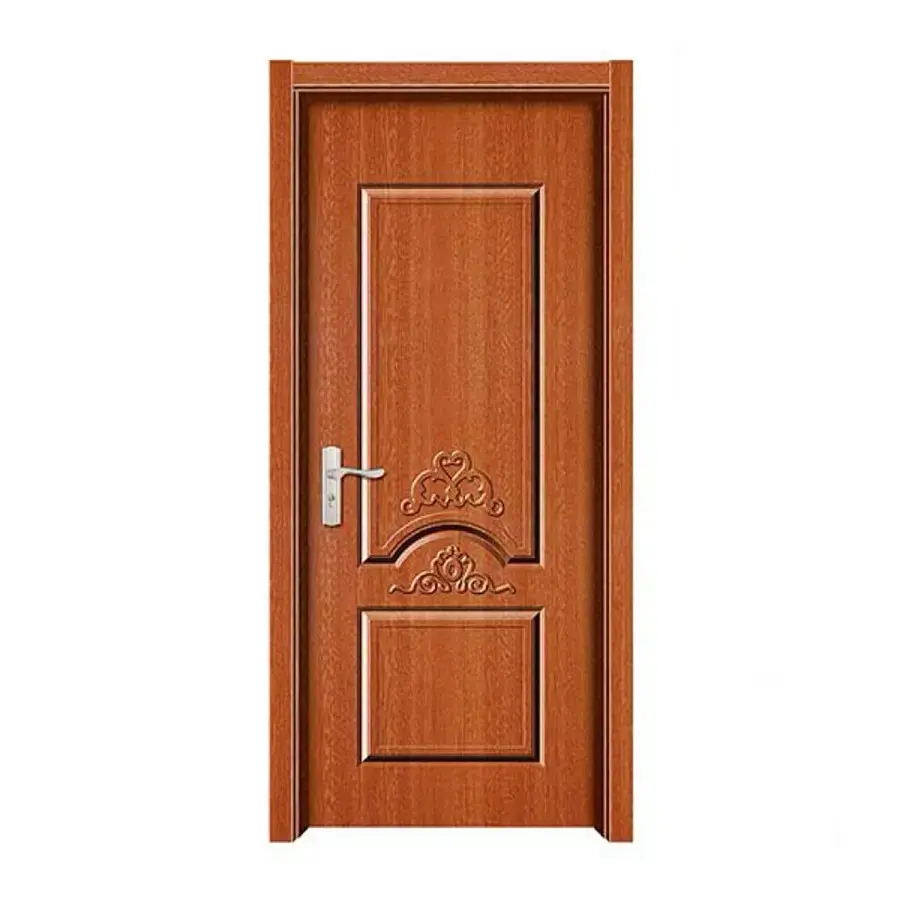
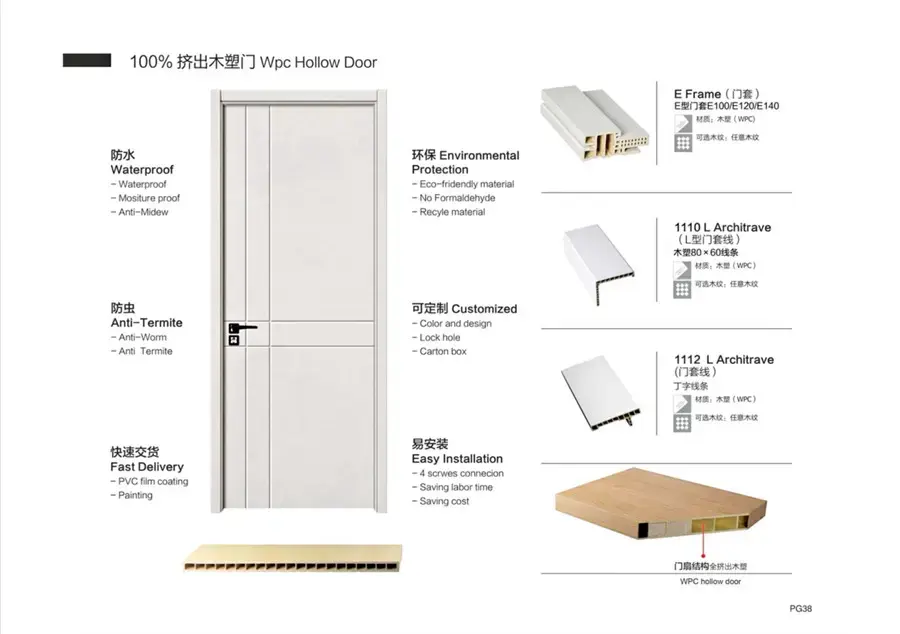

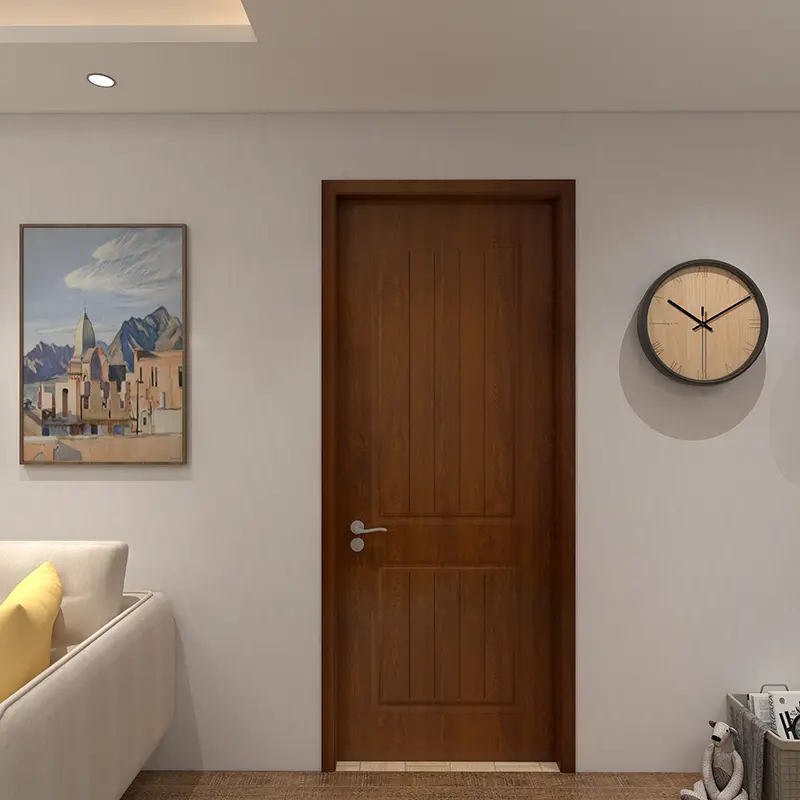


The heat transfer printing technology of wood-plastic doors enhances durability
In the current era of continuous innovation in door products, wood-plastic doors, with their dual advantages of environmental friendliness and practicality, have gradually become a popular choice in the field of building decoration. The optimization of the performance of wood-plastic doors cannot be achieved without advanced surface treatment technology. Among them, the heat transfer printing technology, with its unique technological characteristics, has brought significant effects on enhancing the durability of wood-plastic doors and is worthy of in-depth understanding by international wholesale purchasers.
Wood-plastic doors are made by blending wood fibers, plastic and additives, combining the texture of wood with the weather resistance of plastic. However, the surface of untreated wood-plastic doors is prone to problems such as fading, deformation and wear during long-term use due to the influence of ultraviolet rays, humid air and physical friction. Thermal transfer technology is precisely the key to solving these problems. This technology is based on the principle of high temperature and high pressure. It covers the surface of the wood-plastic door with a transfer film featuring patterns. By heating, the resin on the transfer film sublimates and penetrates into the surface of the wood-plastic door. After cooling, the patterns are permanently attached, forming a dense protective film.
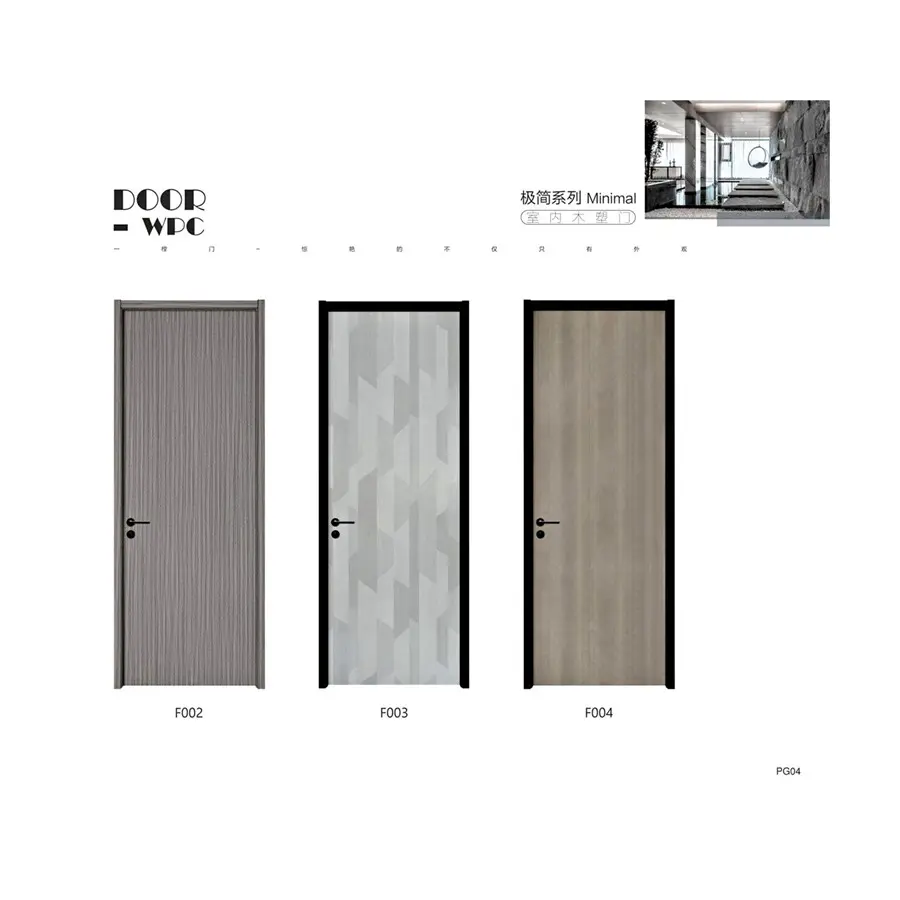
The improvement of the durability of wood-plastic doors by heat transfer printing technology is reflected in multiple dimensions. In terms of anti-aging, the anti-ultraviolet additives contained in the transfer film can effectively block ultraviolet rays in sunlight, preventing the wood-plastic door from fading and becoming brittle due to long-term exposure to the sun. In a humid environment, the protective film formed by heat transfer printing can isolate water vapor, preventing the interior of the wood-plastic door from getting damp, expanding and moldy. In terms of physical protection, the surface hardness after transfer printing is significantly enhanced. Ordinary scratches and collisions are difficult to leave marks on the surface of the door body, effectively extending the service life of the wood-plastic door. In addition, the heat transfer printing technology endows wood-plastic doors with rich patterns and textures, which will not wear out easily due to daily use and always maintain their aesthetic appeal. This is highly attractive to users who pay attention to the durability of product appearance.
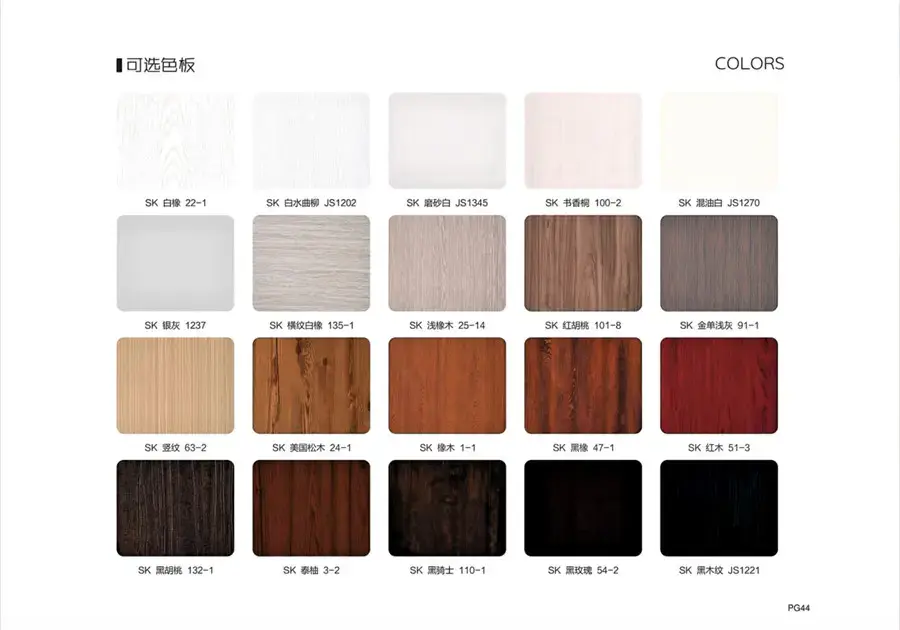
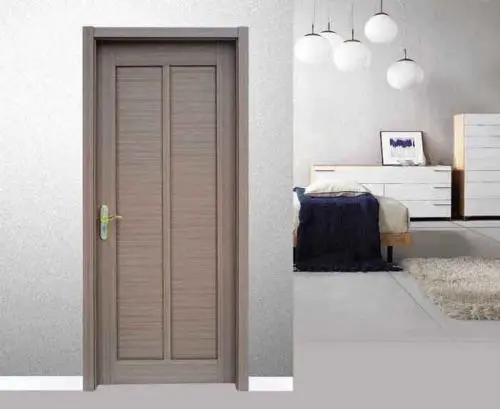
From the perspective of practical application, heat transfer printing technology also endows wood-plastic doors with more advantages. Firstly, heat transfer printing can simulate the textures of various materials, such as natural wood grain and marble grain, making wood-plastic doors rival high-end Solid Wood Doors or stone doors in appearance and broadening the application scenarios of the products. Secondly, compared with traditional surface treatment methods such as spray painting and film application, the patterns formed by heat transfer printing technology adhere more closely to the surface of wood-plastic doors, are less likely to fall off or peel, and have lower maintenance costs. Thirdly, the heat transfer printing process has a high degree of automation and fast production efficiency, which can meet the demands of large-scale customization. This means that international wholesale purchasers can respond more efficiently to the diverse market demands and enhance the competitiveness of their products.
Heat transfer printing technology, as the core process of surface treatment for wood-plastic doors, significantly enhances the durability of the products in multiple aspects such as anti-aging, moisture-proofing, and wear resistance, while also taking into account both aesthetics and practicality. International wholesale purchasers who have a deep understanding of the value of heat transfer printing technology can not only better introduce the advantages of wood-plastic doors to customers, but also accurately position products in the highly competitive market by grasping advanced processes, providing customers with door solutions that are both of high quality and cost-effective.