Various door service providers
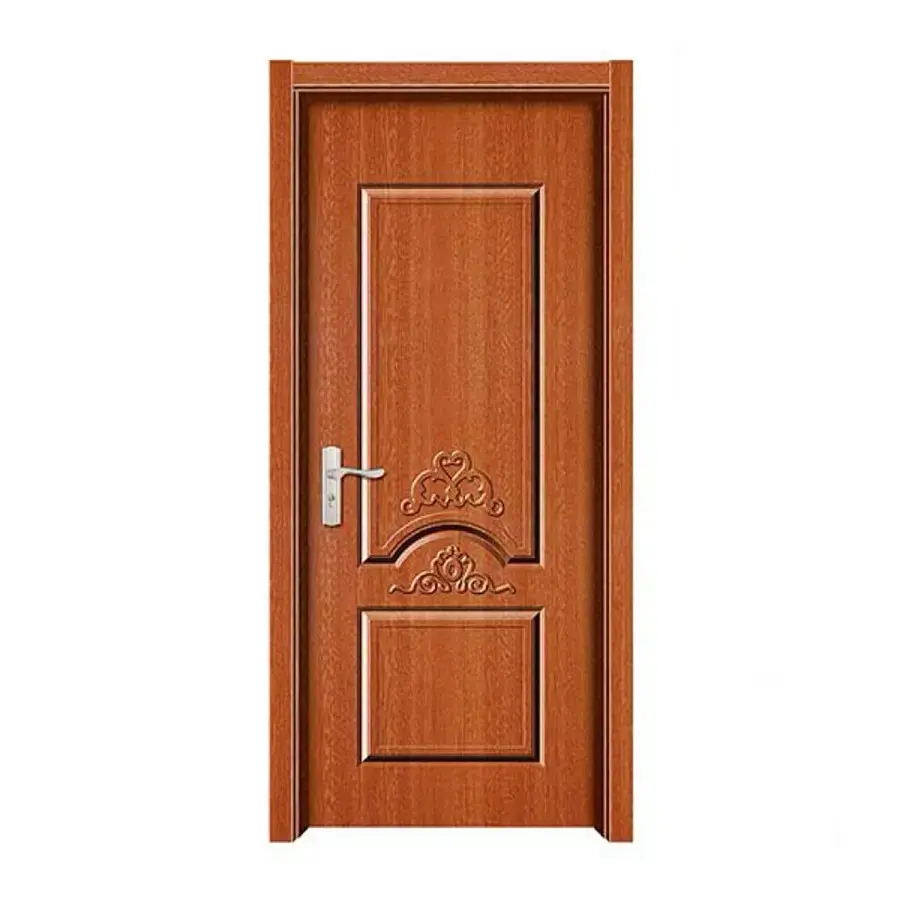




The fire resistance performance of wood-plastic doors: Their actual performance in fire protection applications
Fire safety is one of the crucial considerations in modern architecture. As a new type of environmentally friendly material door, the fire resistance performance of wood-plastic doors has received widespread attention. This article will explore the practical performance of wood-plastic doors in fire protection applications and how they meet the fire protection requirements of different places.
First, high standards for fire resistance performance
The wood-plastic door has reached the B1 fire resistance standard in terms of fire resistance performance. This means that when exposed to open flames, wood-plastic doors will not support combustion and can automatically go out after being removed from the fire source. This feature enables it to effectively delay the spread of fire when it breaks out, thus buying precious time for personnel evacuation and fire fighting.
Second, performance in practical applications
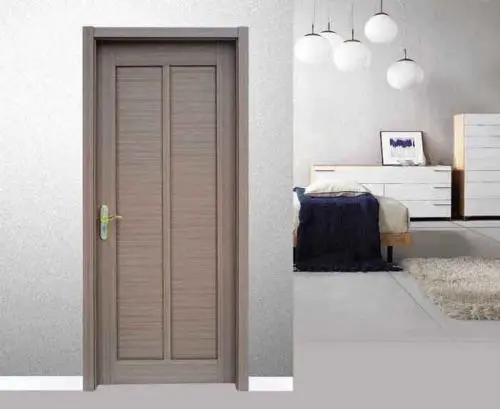
In practical applications, the fire resistance performance of wood-plastic doors has been fully verified. For instance, in public places such as hospitals, schools and shopping malls, the installation of wood-plastic doors not only meets the strict fire safety requirements of these places, but also is favored for its environmental friendliness and durability. In a home environment, wood-plastic doors can also provide reliable fire protection and enhance the overall safety of the residence.
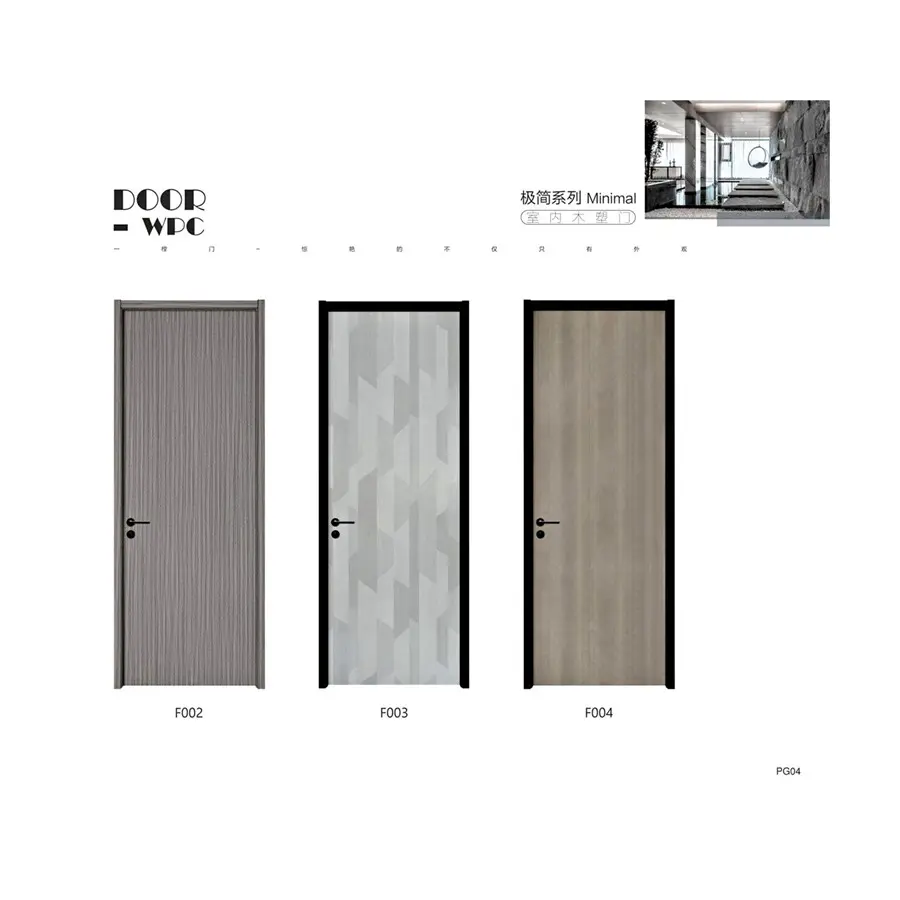
Third, the advantage of fire resistance performance
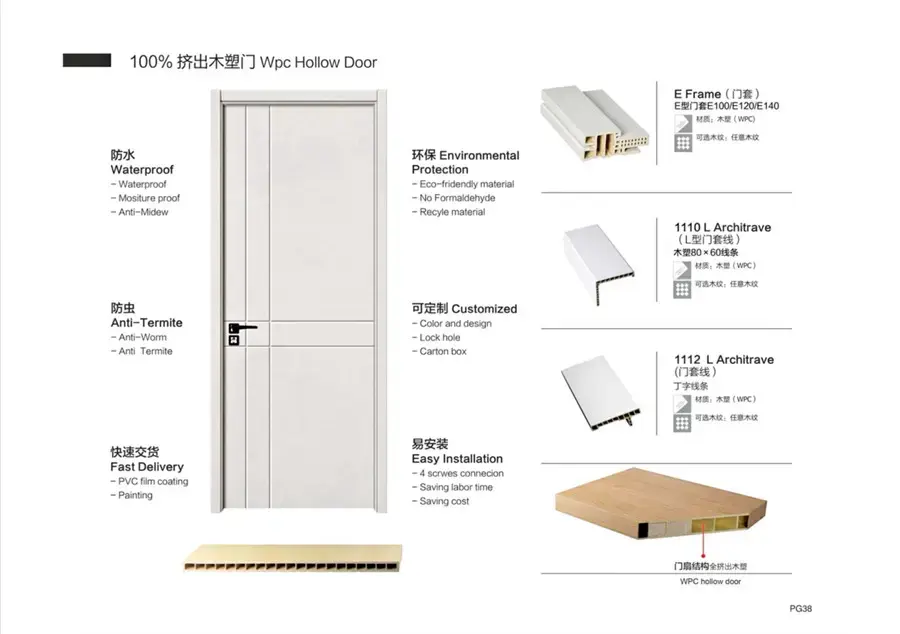
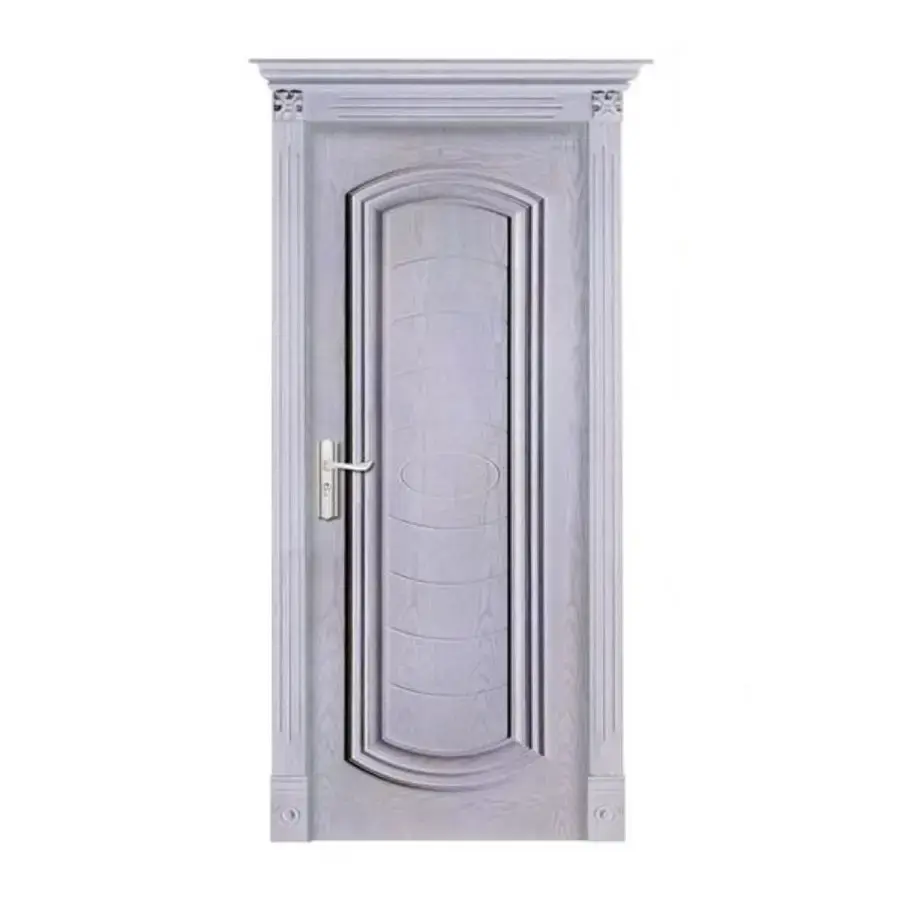
Compared with traditional Wooden Doors, wood-plastic doors have significant advantages in fire resistance. Traditional wooden doors are prone to burning in fires, while wood-plastic doors can effectively resist fire. In addition, during the production process of wood-plastic doors, no adhesives are added, and no harmful substances such as formaldehyde and benzene are released, meeting the environmental protection standards of modern interior decoration. This not only enhances fire safety but also provides residents with a healthier living environment.
Fourth, future prospects for fire resistance performance
With the continuous advancement of technology, the fire resistance performance of wood-plastic doors is expected to be further improved. Manufacturers are developing more advanced fireproof materials and processes to enhance the fire resistance limit and fire stability of wood-plastic doors. This will enable wood-plastic doors to be applied in a wider range of fields and provide more reliable guarantees for building fire safety.
Wood-plastic doors have demonstrated outstanding practical performance in fire protection applications due to their excellent fire resistance. Its B1-level fire protection standard and self-extinguishing feature upon exposure to fire enable it to effectively delay the spread of fire in the event of a fire, providing precious time for personnel evacuation and fire fighting. The fire resistance performance of wood-plastic doors has been widely applied and recognized in public places such as hospitals, schools and shopping malls, as well as in home environments. Compared with traditional wooden doors, wood-plastic doors not only have better fire resistance but also possess multiple advantages such as environmental friendliness and durability. With the continuous advancement of technology, the fire resistance performance of wood-plastic doors is expected to be further enhanced, providing a more reliable guarantee for building fire safety.