



Various door service providers
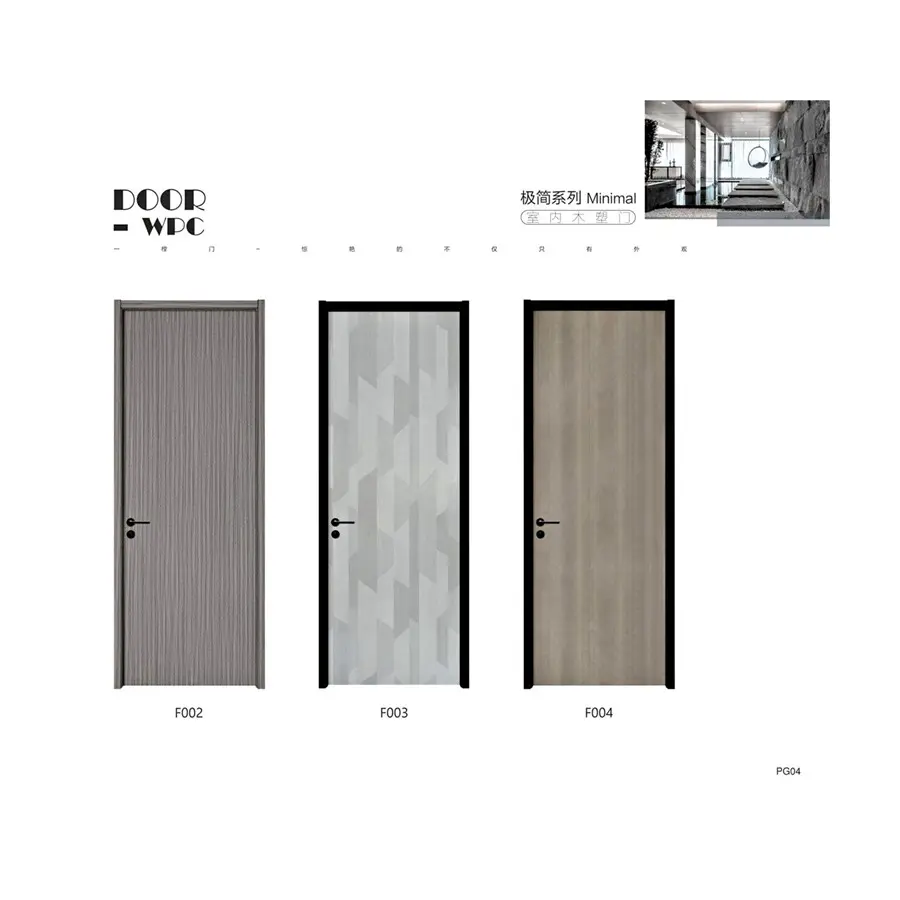
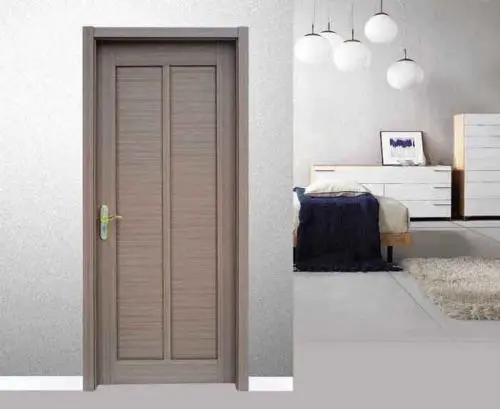
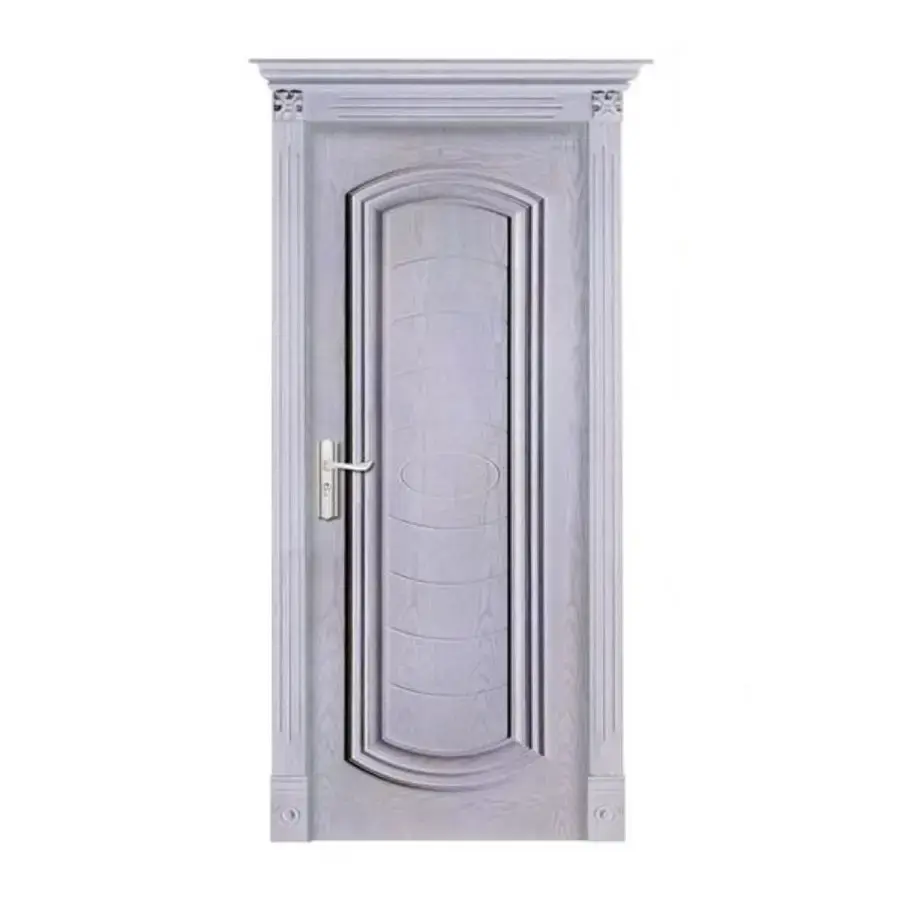
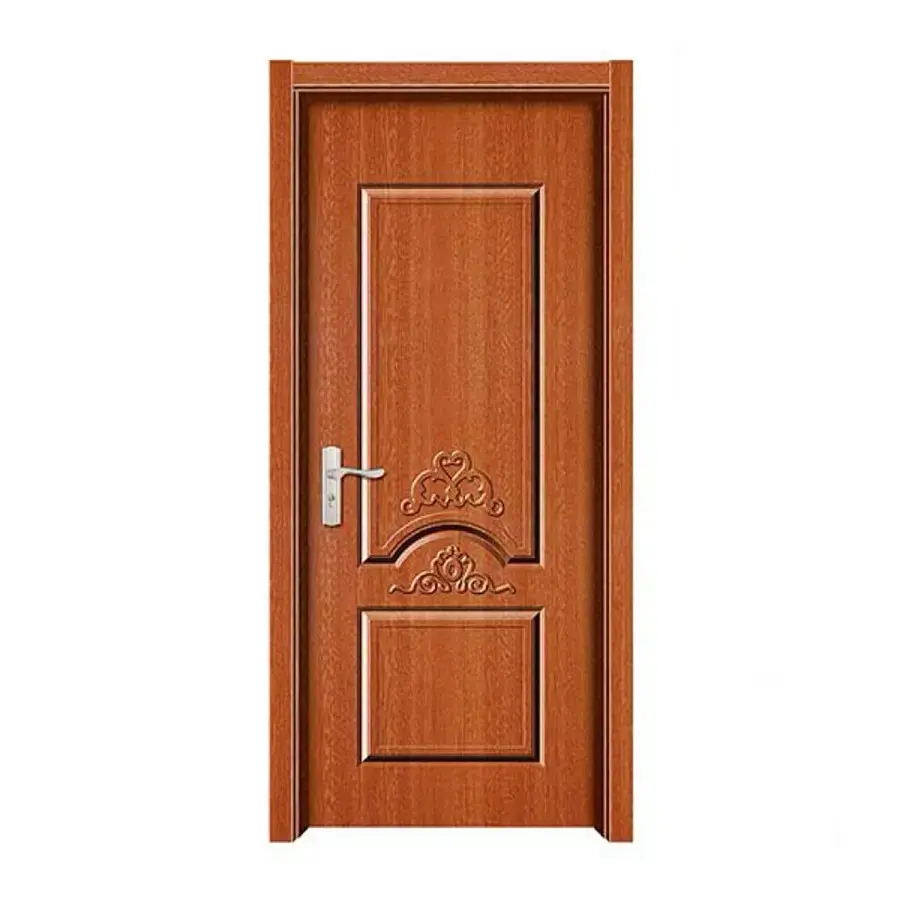

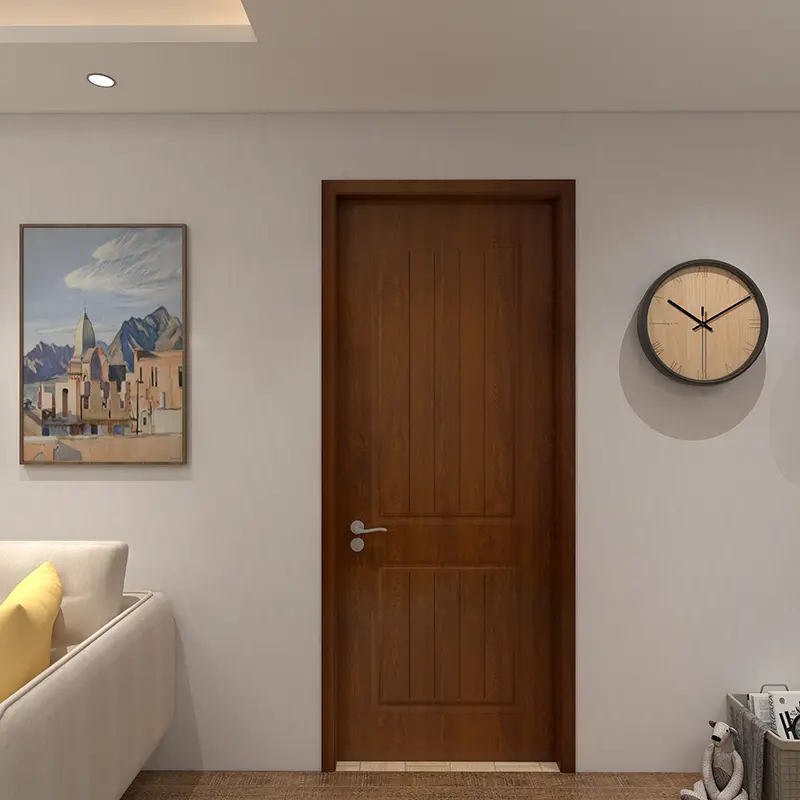


The durability of wood-plastic doors: Reduce maintenance costs and enhance long-term value
When choosing interior doors, durability and maintenance costs are important considerations for many consumers and builders. As a new type of environmentally friendly door material, wood-plastic doors, due to their unique material and craftsmanship, not only possess the aesthetic appeal of traditional Wooden Doors but also demonstrate significant advantages in durability and maintenance costs. This article will delve into the durability characteristics of wood-plastic doors and explore how to reduce long-term maintenance costs through their outstanding performance, providing lasting value for your home or commercial space.
First, the material and structure of wood-plastic doors
1.Wood-plastic composite materials
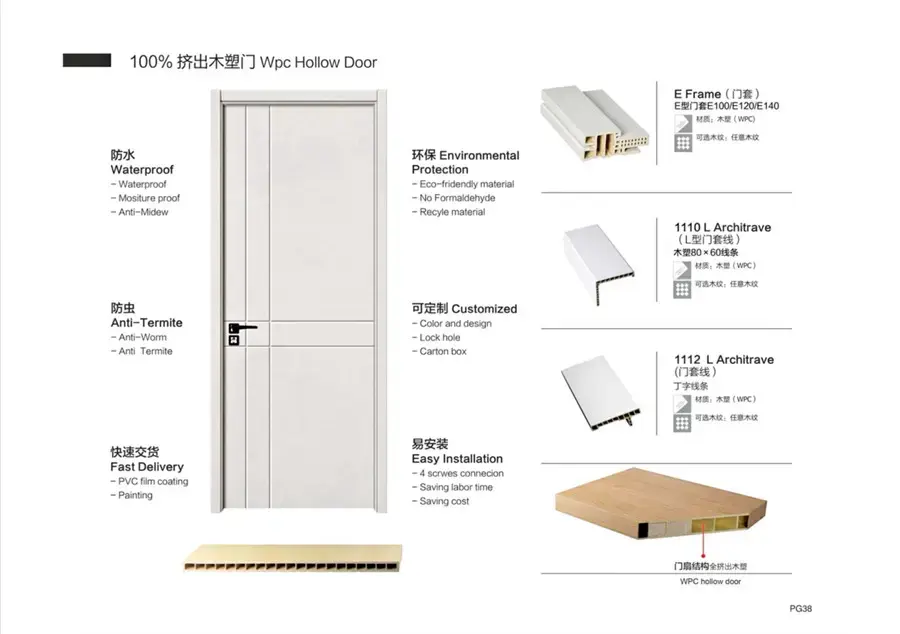
The core material of wood-plastic doors is wood-plastic composite material (WPC), which is a new type of material composed of wood fibers and plastic polymers. Wood fibers endow wood-plastic doors with natural wood grain and texture, while plastic polymers offer excellent water resistance, moisture resistance, insect resistance and corrosion resistance. The combination of this composite material enables the wood-plastic door to maintain its aesthetic appeal while possessing durability that traditional wooden doors cannot match.
2. Multi-layer structure design
Wood-plastic doors usually adopt a multi-layer structure design to further enhance their stability and durability. The main body of the door is made of wood-plastic composite material and is covered with a layer of high-quality PVC or ABS decorative surface, which not only enhances the wear resistance and scratch resistance of the door, but also provides a rich selection of colors and textures. This multi-layer structure design enables the wood-plastic door to demonstrate outstanding durability when facing various challenges in daily use.
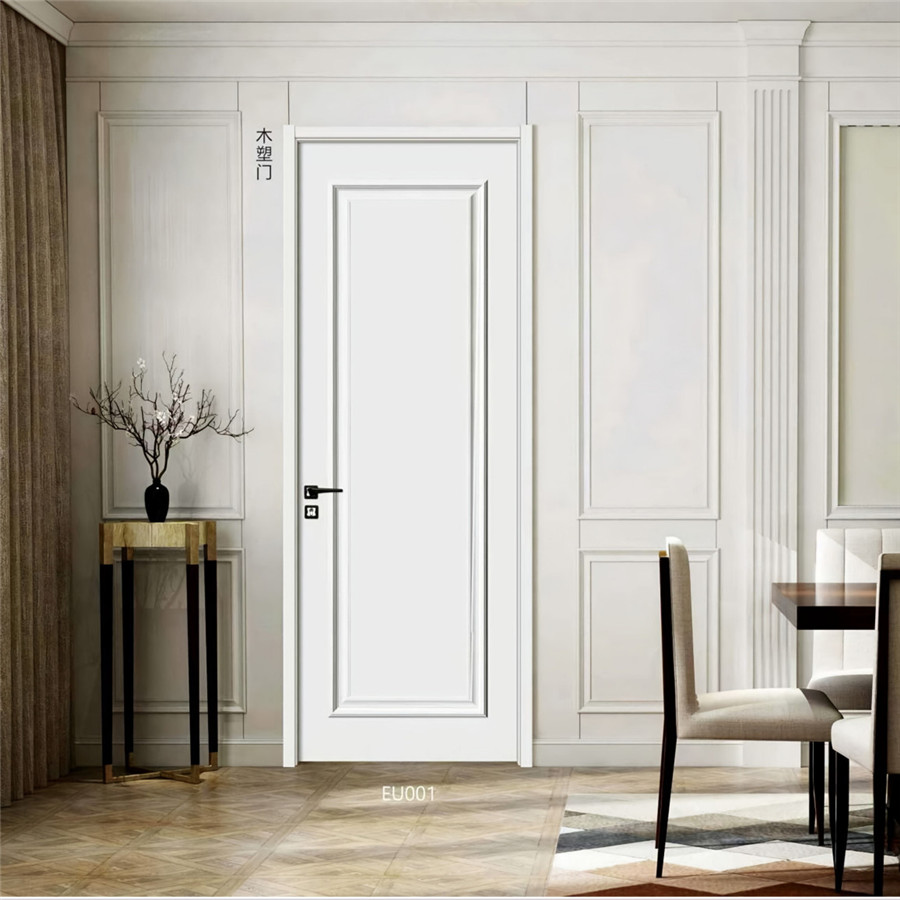
Second, the durability feature of wood-plastic doors
1.Waterproof and moisture-proof
The waterproof and moisture-proof performance of wood-plastic doors is one of the key advantages of their durability. Because its main component is plastic polymer, wood-plastic doors can effectively resist the erosion of moisture and will not deform, expand or mold like traditional wooden doors due to moisture. This feature makes wood-plastic doors particularly suitable for use in damp environments such as kitchens, bathrooms, and basements, and they can maintain a good appearance and performance even after long-term use.
2. Anti-corrosion and insect-proof
The anti-corrosion property of wood-plastic doors enables them to resist the erosion of various chemical substances, such as cleaning agents and disinfectants, which is particularly important in daily cleaning and maintenance. In addition, wood-plastic doors also have natural insect-proof properties, eliminating the need for additional chemical insect repellents. This reduces damage caused by insect infestation and extends the service life of the doors.
3. Wear-resistant and scratch-resistant
The high-quality decorative layer on the surface of the wood-plastic door provides excellent wear resistance and scratch resistance. In daily use, even if subjected to minor collisions or scratches, the wood-plastic door can maintain a good appearance and will not easily show obvious damage. This wear-resistant and scratch-resistant property not only reduces the appearance damage caused by daily use, but also lowers the additional costs resulting from frequent replacement of the storefront.
4. High stability
The multi-layer structure design and the characteristics of composite materials of wood-plastic doors enable them to maintain a high degree of stability under various environmental conditions. It will not deform or crack due to temperature changes, nor will it expand or contract due to humidity changes. This stability enables the wood-plastic door to maintain good sealing and opening and closing performance throughout long-term use, reducing the maintenance requirements caused by door frame deformation or door leaf loosening.
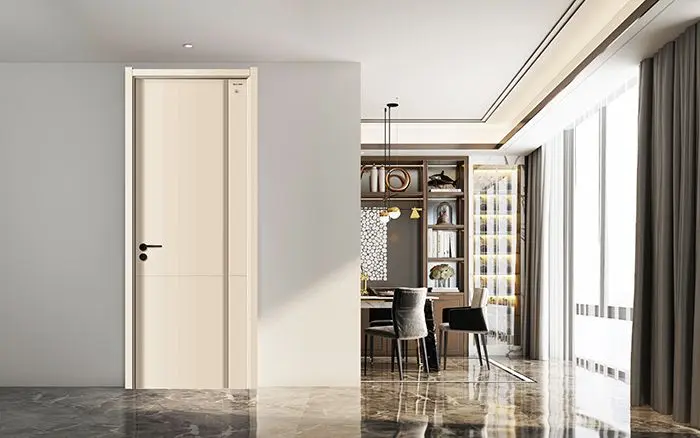
Third, reduce maintenance costs
1. Easy to clean
The surface of the wood-plastic door is smooth and waterproof, and it is very convenient to clean. Daily cleaning only requires wiping with a damp cloth to remove dust and stains. There is no need to use complex cleaning tools or chemical cleaners. This easy-to-clean feature not only saves cleaning time and effort, but also reduces surface wear caused by frequent cleaning, further extending the service life of the door.
2. No need for regular painting or waxing
Traditional wooden doors usually need to be painted or waxed regularly to maintain their appearance and protect the wood. However, due to the high-quality decorative layer on its surface, wood-plastic doors do not require these additional maintenance works. This not only saves the time and cost required for regular painting or waxing, but also reduces the risk of surface damage caused by improper use of chemical coatings or waxes.
3. Low maintenance requirements
Due to the high durability and stability of wood-plastic doors, their maintenance requirements under normal usage conditions are extremely low. It will not be frequently damaged due to moisture, insect infestation or daily wear and tear, reducing the additional costs caused by repairing or replacing parts. This low maintenance requirement feature enables wood-plastic doors to significantly reduce maintenance costs during long-term use, providing users with a higher cost performance.
4. Long service life
The durability of wood-plastic doors is not only reflected in their low maintenance requirements during daily use, but also in their long service life. Due to its waterproof, moisture-proof, anti-corrosion and wear-resistant properties, wood-plastic doors can maintain good performance under various environmental conditions and have a service life of several decades. In contrast, traditional wooden doors may need to be replaced in a shorter period of time due to moisture, insect infestation or frequent surface wear and tear, thereby increasing the long-term replacement cost.
Fourth, the environmental friendliness of wood-plastic doors
In addition to durability and low maintenance costs, wood-plastic doors also have significant environmental friendliness. In the production process of wood-plastic composite materials, recycled wood fibers and plastic polymers are usually used, reducing the consumption of natural resources. In addition, during the use of wood-plastic doors, no chemical coatings or insect repellents are required, reducing pollution to the environment. This environmentally friendly feature makes wood-plastic doors not only an economical choice but also a responsible one for the environment.
Fifth, precautions when choosing wood-plastic doors
1. Quality and Craftsmanship
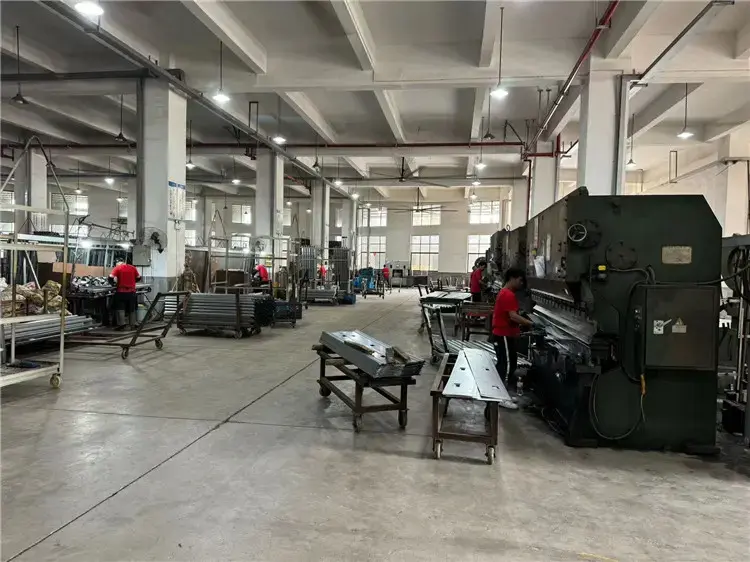
When choosing wood-plastic doors, quality and craftsmanship are the key factors. High-quality wood-plastic doors usually adopt advanced production techniques to ensure the structural stability and surface quality of the doors. Check whether the surface of the door has any flaws, scratches or uneven textures, and whether the edges of the door are smooth and neat. In addition, understanding the production process and material sources of the door and choosing products that meet environmental protection standards can ensure that the wood-plastic door you purchase is not only durable but also environmentally friendly.
2. Color and Texture
Wood-plastic doors offer a wide range of color and texture options, which can meet the personalized needs of different users. When choosing colors and textures, you should consider matching them with your interior decoration style. The texture of wood-plastic doors usually imitates that of natural wood, but there are also many modern and simple textures to choose from. Choosing the texture and color that suit your space not only enhances the overall aesthetic appeal but also enables the wood-plastic door to blend better into your home or commercial environment.
3. Installation and after-sales service
The installation quality directly affects the usage effect and service life of wood-plastic doors. Choose a professional installation team to ensure that the door is firmly and flat installed, the gap between the door leaf and the door frame is uniform, and the opening and closing is smooth. In addition, understanding the after-sales service policies of suppliers and choosing those that offer warranty and maintenance services can enable you to receive timely support when encountering problems during future use.
Wood-plastic doors, with their outstanding durability, low maintenance costs and environmental friendliness, are becoming the preferred door material for an increasing number of consumers and builders. Its waterproof, moisture-proof, corrosion-resistant, wear-resistant and scratch-resistant properties enable it to maintain excellent performance under various environmental conditions, significantly reducing the need for daily maintenance and repair. By choosing high-quality wood-plastic doors, you can not only provide lasting value for your home or commercial space, but also contribute to environmental protection.
Whether you are looking for an economical and durable door material or wish to select an environmentally friendly and aesthetically pleasing solution for your space, wood-plastic doors will be your ideal choice. Choose wood-plastic doors to enjoy long-term low maintenance costs and lasting beauty, making your space more comfortable, safe and environmentally friendly.