



Various door service providers
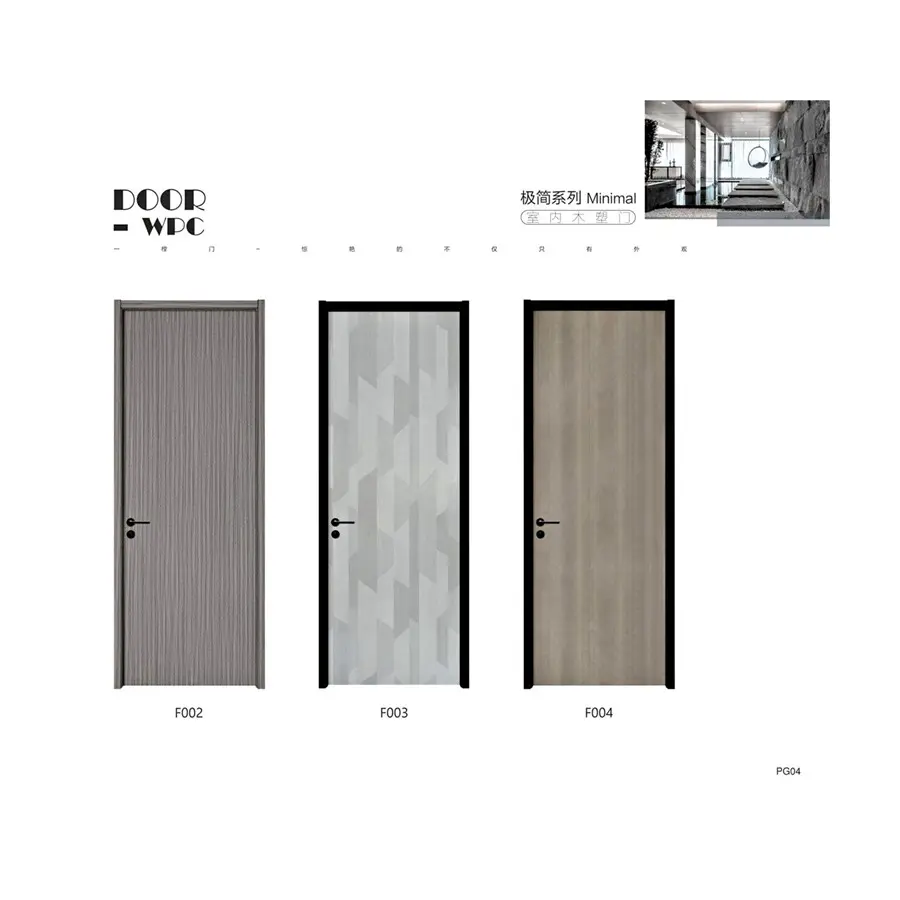
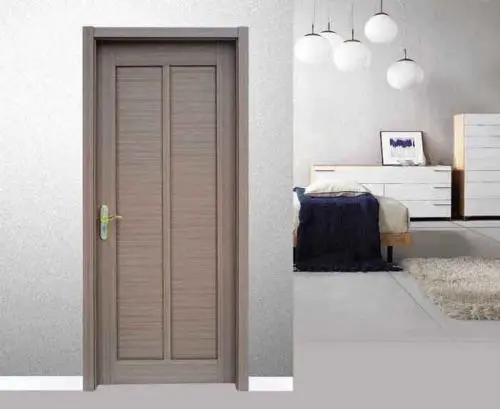
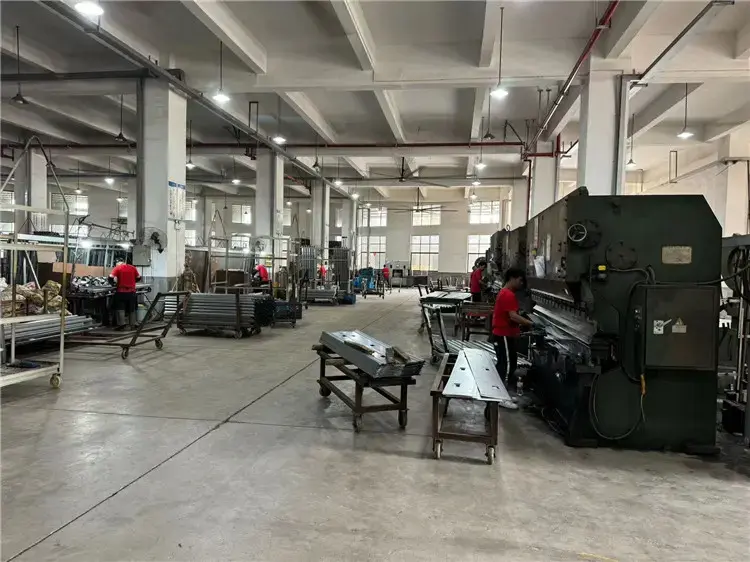
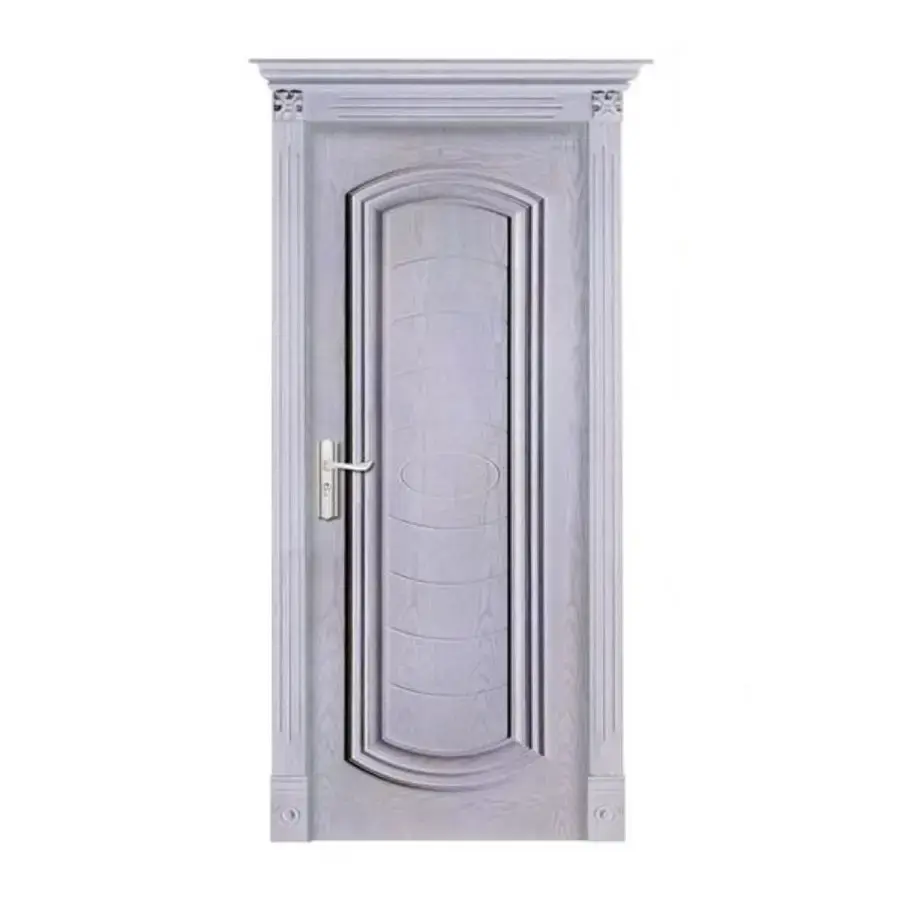
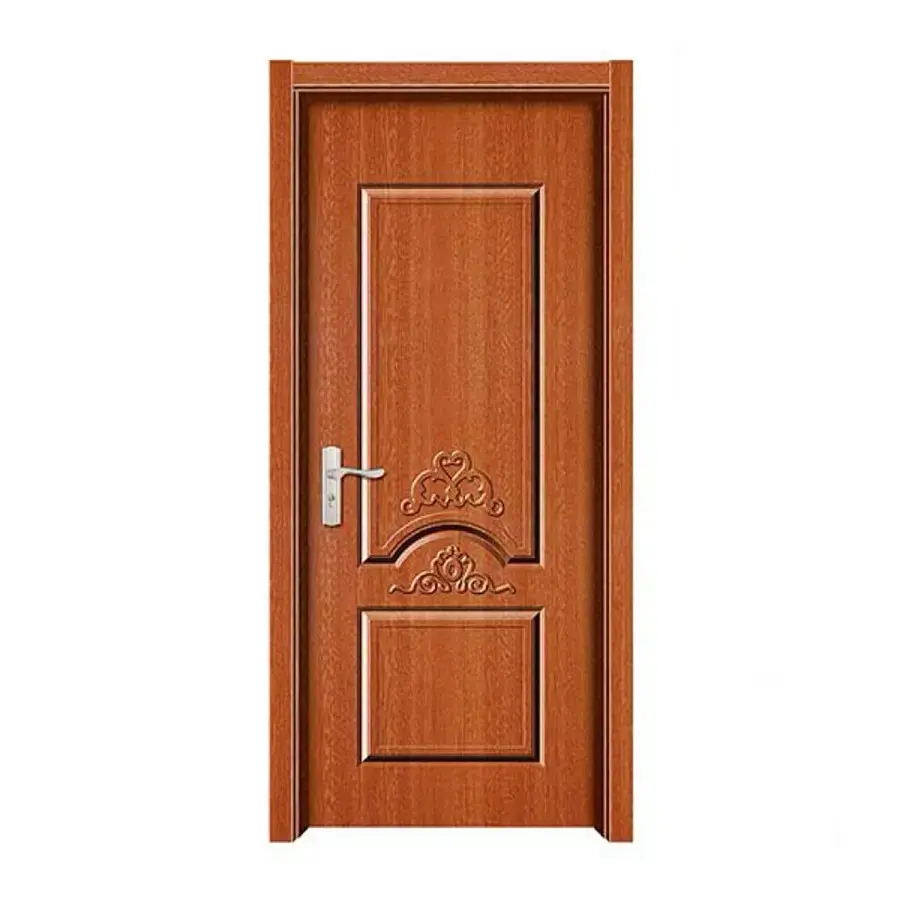
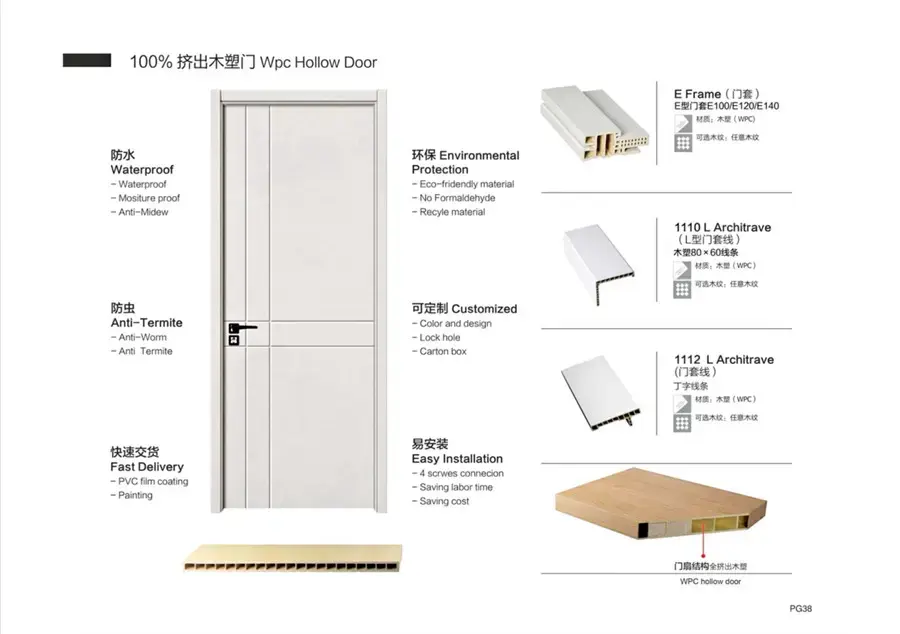

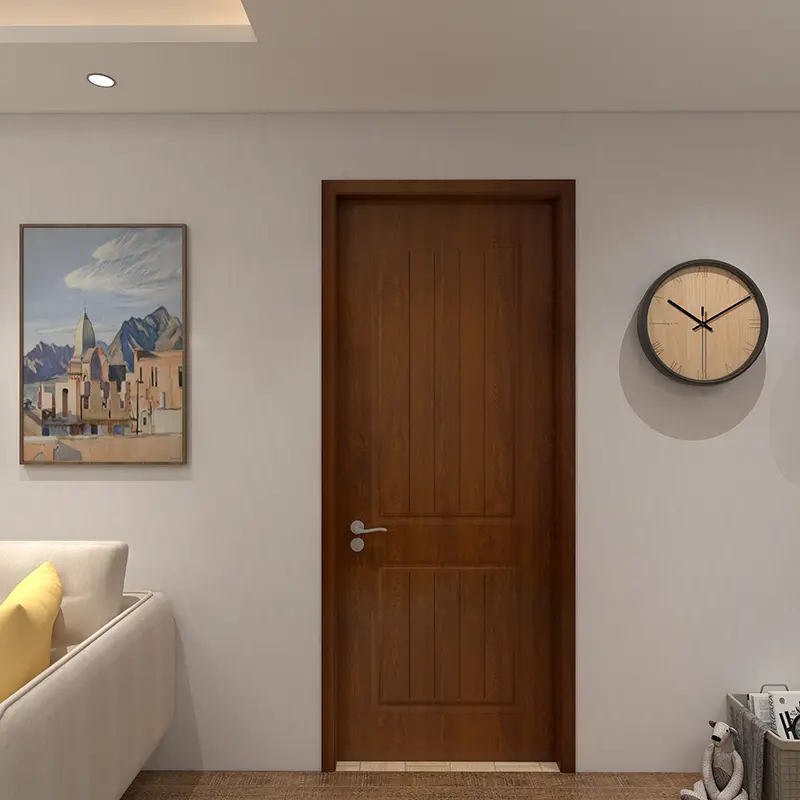


The detailed difference between non-standard door and standard door
When choosing a product category, it is important to understand the difference between standard and Non-Standard Doors. These two types of doors have significant differences in size, design, application scenarios, cost and so on. Here's a breakdown:
First, size and customization
1. Standard door
The dimensions of standard doors are fixed and usually comply with national building standards. Common standard door sizes include:
Interior Door: 860mm x 2050mm.
Entry door: 950mm × 2050mm.
These dimensions are based on the design standards of most residential buildings and are suitable for common installation scenarios.
2. Non-standard door
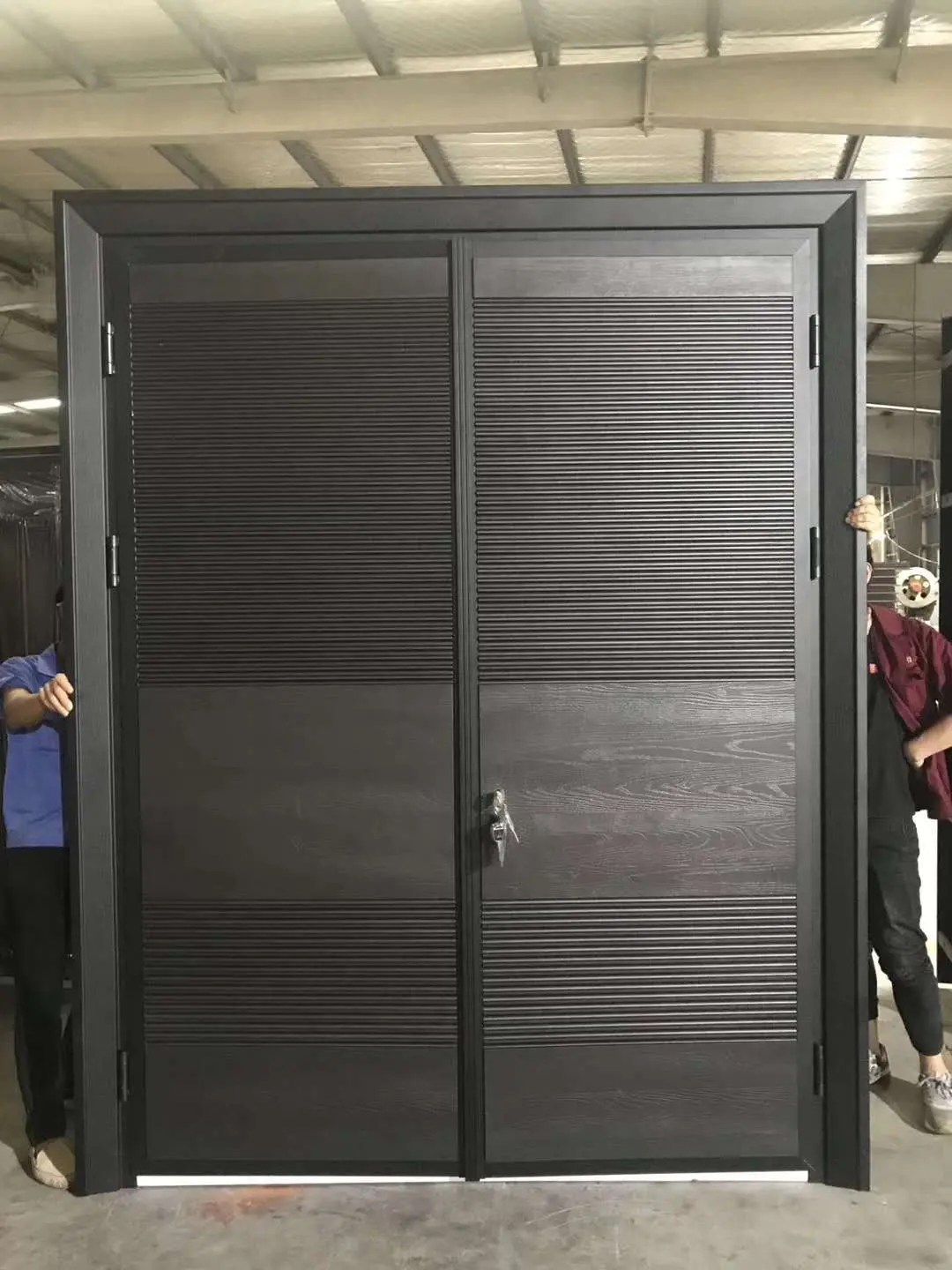
Non-standard doors have no fixed size and can be customized according to the specific needs of users. For example, if the door size does not meet the specifications of the standard door, or the user needs special door height and door width, non-standard doors can meet these needs. This customisation allows non-standard doors to adapt to a variety of special architectural structures and finishing styles.
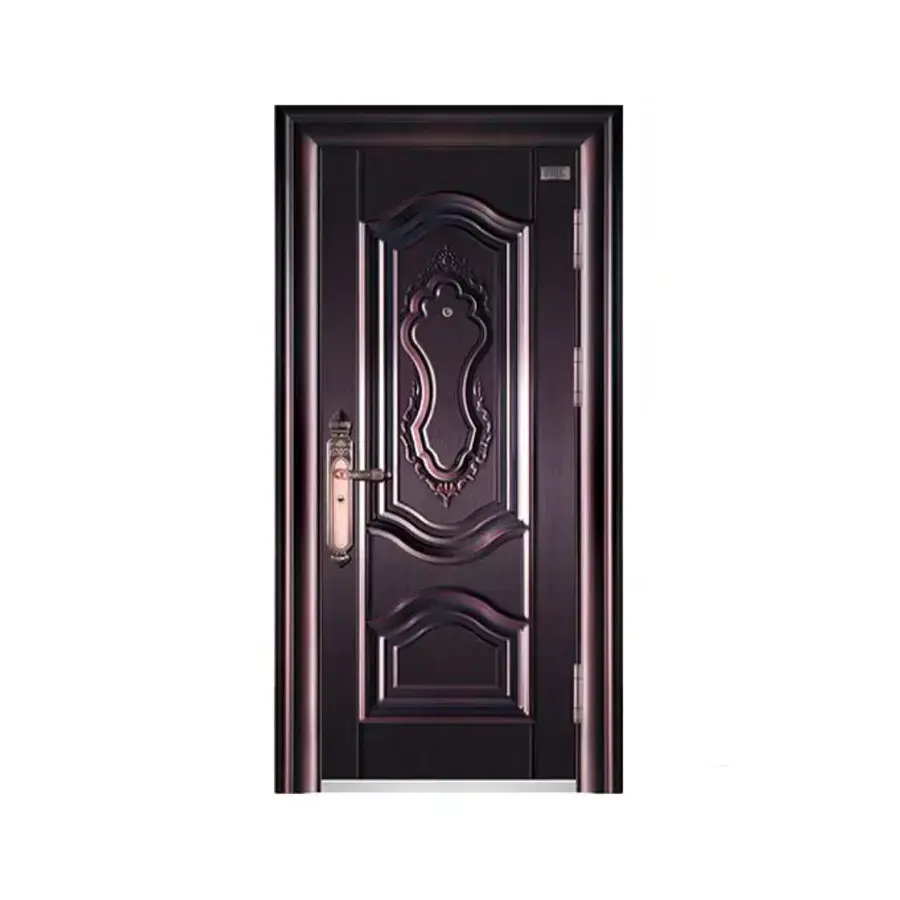
Second, design and style
1. Standard door
The design of a standard door is usually more conventional and the style is relatively fixed. They are mainly used to meet the basic needs of use, so in the appearance of the design is more concise.
2. Non-standard door
Non-standard doors can be personalized design, including the shape of the door, lines, decoration, etc. This design flexibility allows non-standard doors to better meet the aesthetic and functional needs of users. For example, non-standard doors can add transparent glass, decorative lines or logos to suit the specific needs of commercial places.
Third, material
1. Standard door
Standard doors usually use more common materials, such as wood, steel, aluminum alloy and so on.
2. Non-standard door
The material selection of non-standard doors is more diversified, in addition to the common wood and steel, you can also choose copper, stainless steel, alloy and other materials. For example, stainless steel non-standard doors are popular because of their beautiful and simple appearance and high anti-theft performance.
Fourth, application scenarios
1. Standard door
Standard doors are suitable for general use in most residential and commercial buildings. Due to its fixed size and easy installation, it is suitable for standardized building structures.
2. Non-standard door
Non-standard doors are used in a wider range of scenarios, especially for places that require special dimensions or designs. For example:
Industrial plants: Large size doors are needed to meet the needs of goods entering and leaving.
Business premises: Secure, aesthetically pleasing doors are needed to attract customers.
Residential: Can be designed according to the individual needs of the owner, adding special patterns or sound-absorbing materials.
Fifth, cost
1. Standard door
Standard doors can be mass-produced, so the cost is relatively low. Its price is relatively stable, installation and replacement is also more convenient.
2. Non-standard door
Non-standard doors require custom production, so the cost is relatively high. The customization process takes more time and resources, leading to higher prices.
Sixth, installation and maintenance
1. Standard door
The installation of a standard door is relatively simple because its size is fixed and it is easy to find matching door frames and fittings.
2. Non-standard door
The installation of non-standard doors needs to be adjusted according to specific custom dimensions and may require a professional installation team. In addition, non-standard doors may take longer to maintain because their Accessories may need to be specially customized.
Standard doors and non-standard doors have advantages and disadvantages, which door to choose depends on the specific needs and use scenarios. Standard doors are ideal for quick installation, low cost, and universal size requirements. If you need personalized design, special size or to meet specific functional requirements, non-standard doors are more appropriate. When choosing, it is necessary to consider spatial adaptation, functional requirements, budget, maintenance and after-sales factors.