



Various door service providers



The anti-corrosion treatment process for steel doors: galvanizing vs. painting
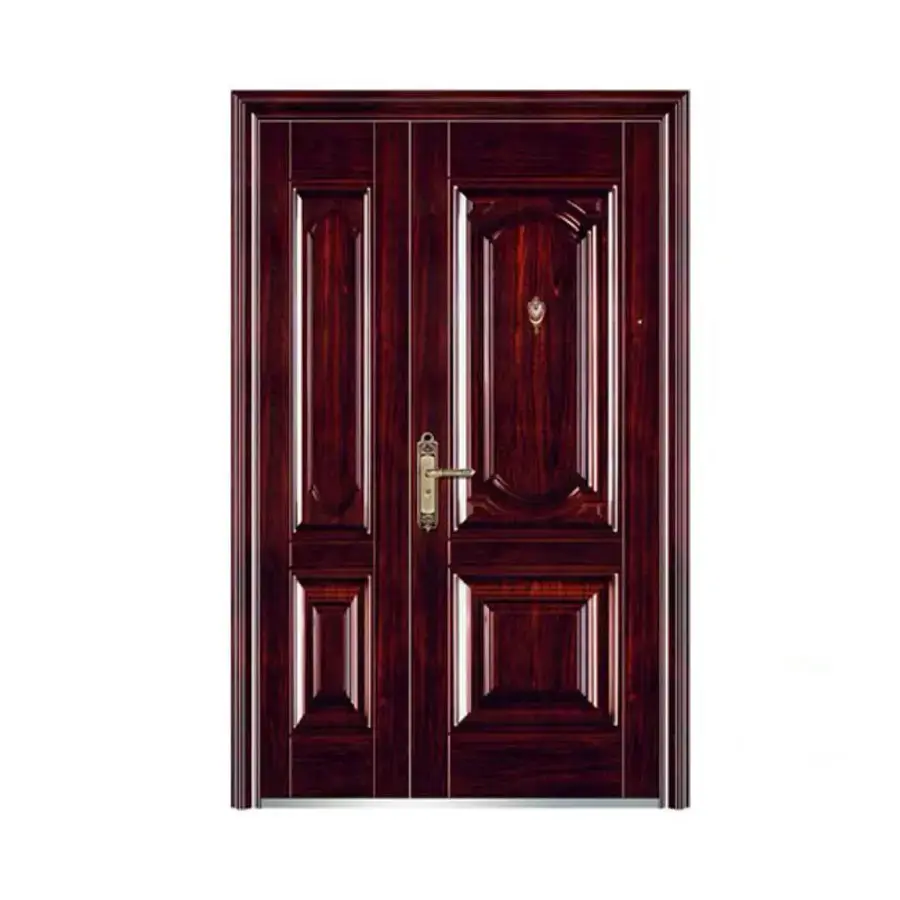
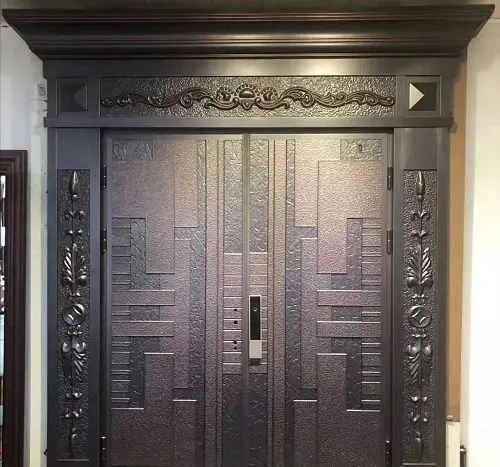
In the durability guarantee system of metal products, the anti-corrosion treatment process is the first line of defense against environmental erosion. For Steel Doors, their long-term performance and service life largely depend on the choice of surface anti-corrosion technology. Galvanizing and painting, as two mainstream anti-corrosion treatment methods, have each formed a complete process system and show significant differences in protection principles, performance and applicable scenarios. This article will systematically analyze the technical characteristics of the two processes from five dimensions: anti-corrosion mechanism, process flow, performance parameters, environmental adaptability and maintenance features, providing a scientific reference for the application selection of steel doors.
First, anti-corrosion mechanism: The differences in the protection logic between the two processes
Although galvanizing and painting are both anti-corrosion methods, their protective principles are fundamentally different. This difference directly determines their protective effectiveness in different environments.
The electrochemical protection mechanism of galvanizing process: The galvanizing process builds an electrochemical protection system for sacrificial anodes by forming a layer of zinc alloy coating on the surface of steel. The standard electrode potential of zinc (-0.76V) is lower than that of iron (-0.44V). When the coating is damaged, zinc will preferentially undergo oxidation reactions (Zn → Zn²⁺ + 2e⁻), preventing the rusting of the iron substrate through electron transfer (Fe → Fe²⁺ + 2e⁻). This "sacrificial anode protection method" enables the galvanized coating to not only serve as a physical barrier but also provide continuous electrochemical protection. Research data shows that when the thickness of the zinc coating reaches over 85μm, even if only 5% of the surface area is damaged, it can still effectively protect exposed steel and delay the occurrence of rust by more than six months.
The physical barrier principle of the painting process: The painting process forms a continuous high-molecular film on the surface of steel to prevent the penetration of water, oxygen and corrosive media, which belongs to physical protection. The film-forming substances of high-quality coatings (such as epoxy resin and polyurethane) have closely arranged molecules, with water vapor transmission rates controlled below 5g/m² · 24h and oxygen transmission rates lower than 3cm³/m² · 24h · 0.1MPa. The protective effect of the coating depends on the integrity of the film. Once scratches or cracks occur, corrosive media will directly contact the steel surface through the damaged area, causing local rust and gradually spreading to the surrounding areas. Therefore, the painting process usually adopts a multi-layer system (primer + intermediate coat + topcoat), enhancing the overall protective ability through the complementary functions of different coatings.
In high-end application scenarios, the two processes are often combined to form a composite protection system. The galvanized layer provides basic electrochemical protection, while the paint layer acts as a physical barrier to further isolate corrosive media. This combination extends the anti-corrosion life by more than 50% compared to a single process. Tests show that the combined treatment of galvanizing (60μm) and powder coating (80μm) can withstand over 1,500 hours of rust-free operation in salt spray tests, which is far superior to the performance of a single process. This synergistic effect stems from the complementarity of two protective mechanisms: the galvanized layer deals with local damage, while the painted layer delays overall aging.
Second, process flow: Technical details from pretreatment to film formation
The ultimate effect of anti-corrosion treatment not only depends on the type of process, but also relies on strict process control. Each link from the pretreatment of the base material to the final film formation affects the quality stability of the protective layer.
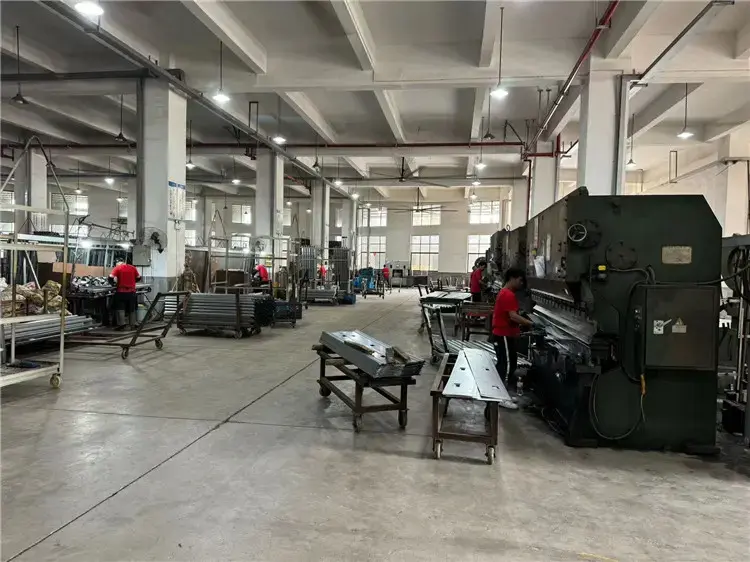
The core process of galvanizing is mainly divided into two categories: hot-dip galvanizing and electro-galvanizing, each with its own focus. Hot-dip galvanizing involves degreasing (alkali washing to remove oil stains, with a temperature of 60-80℃ and a time of 5-10 minutes), acid washing (10-15% hydrochloric acid solution to remove oxide scale, with a pH value controlled at 1.5-2.0), pre-galvanizing (treatment with zinc chloride-ammonium chloride solution to form an active surface), and hot-dip galvanizing (galvanizing with molten zinc at 440-460℃). The time should be controlled within 30 to 120 seconds according to the thickness requirement, as well as the post-treatment steps (cooling, passivation, sealing, etc.). Electro-galvanizing causes zinc ions to deposit on the surface of steel through electrolysis. Key parameters include current density (10-20A/dm²), plating solution temperature (20-50℃), and pH value (4-6). The thickness of the coating can be precisely controlled by the electrolysis time.
The standardized steps of the painting process: The quality control of the painting process focuses on surface treatment and coating curing. The pretreatment stage should meet the Sa2.5 rust removal standard (surface rust removal rate ≥95%), and the roughness should be controlled at 50-80μm to enhance the adhesion of the coating. The primer is usually zinc-rich paint with a zinc content of ≥85% and a dry film thickness of 40-60μm. The intermediate coating is made of epoxy resin with a thickness of 60-100μm, providing shielding performance. The topcoat should be selected from polyurethane (with excellent weather resistance) or fluorocarbon paint (with chemical corrosion resistance) based on the usage environment, with a thickness of 30-50μm. The curing process is sensitive to temperature and humidity: solvent-based coatings need to be dried under conditions of temperature 15-35℃ and relative humidity ≤85%. Powder coatings need to be baked at 180-200℃ for 15-20 minutes to ensure that the crosslinking density reaches over 85%.
The quality of process parameters affects hot-dip galvanizing. When the temperature of the zinc bath fluctuates by more than ±5℃, the thickness deviation of the coating can reach 15%. Uneven current density in electro-galvanizing can cause the porosity of the coating to rise above 3 per cm². In the painting process, if the residual dust content after surface pretreatment exceeds 50mg/m², the adhesion of the coating will decrease by 40%. Insufficient curing temperature will result in inadequate crosslinking of the coating, reducing its impact resistance to below 20kg · cm. Therefore, standardized process parameter control is the core element to ensure the stability of the anti-corrosion coating quality.
Third, performance parameters: Quantitatively compare the protective capabilities of the two processes
The scientific assessment of anti-corrosion processes should be based on quantitative indicators. Through laboratory tests and on-site performance data, the differences in key performance between the two processes should be objectively reflected.
The thickness and uniformity indicators of the galvanized coating: The thickness distribution of the galvanized coating is affected by the process type: the thickness of the hot-dip galvanized coating is usually 60-120μm, and at the corners, due to the good fluidity of the zinc liquid, it can reach over 150μm. The electro-galvanized coating is relatively thin (10-30μm), but it has better uniformity, and the thickness deviation can be controlled within ±5μm. The total thickness of the paint layer is generally 120-250μm, with the thickness ratio of the primer, intermediate coat and topcoat being approximately 1:2:1. By using a combination of a wet film thickness gauge and a dry film thickness gauge, it is ensured that the thickness deviation does not exceed ±10% of the design value. In terms of uniformity, the paint layer may experience a thickness reduction of 5-8% in the recessed areas of complex profiles, while the galvanized layer may thicken in similar areas instead.
Laboratory verification of corrosion resistance: Neutral salt spray test (NSS) is a commonly used method to evaluate anti-corrosion performance: hot-dip galvanizing (85μm) can withstand 500-1000 hours without white rust. Electro-galvanizing (20μm + passivation) lasts for 200 to 300 hours. The conventional painting system (150μm) can achieve 800 to 1200 hours without rust. In the acetic acid salt spray test (ASS), the painting system performed better. The epoxy resin coating could withstand over 500 hours, while the galvanized layer could only last for 200 to 300 hours under the same conditions. The moisture and heat resistance performance test (40℃, relative humidity 95%) shows that the weather resistance time of the paint layer can reach over 3000 hours, which is significantly better than the 1500-2000 hours of the galvanized layer.
The difference in mechanical properties shows that adhesion is the key mechanical property of anti-corrosion coatings: The adhesion of hot-dip galvanized coatings is evaluated through bending tests, and there is no peeling of the coating after 180° bending. The adhesion of the electro-galvanized layer is ≥5N/cm. The cross-sectional test of the paint layer should reach grade 0 (no coating peeling), and the adhesion test by the pull-off method should be ≥5MPa. In terms of impact resistance, the galvanized layer can withstand an impact of over 50kg · cm without cracking. The impact strength of the paint layer varies within the range of 20-50kg · cm depending on the type of resin, among which the polyurethane topcoat performs the best. The abrasion resistance test (Taber abrasion tester) shows that the wear of the galvanized layer (under 500g load) is 8-12mg/1000 RPM, which is lower than that of the painted layer at 15-20mg/1000 RPM.
Fourth, environmental adaptability: The logic of process selection in different scenarios
The applicability of anti-corrosion processes is highly dependent on the characteristics of the usage environment. Factors such as temperature, humidity, and types of pollutants jointly determine which process can achieve the best protective effect.
The electrochemical protection advantages of the galvanizing process are obvious in high-humidity environments where the relative humidity is consistently above 85% (such as underground garages and bathrooms). Under the condition of continuous presence of condensate water, the corrosion rate of hot-dip galvanized coating is approximately 0.5μm/year, which is much lower than the 1-2μm/year of the painted coating in the same environment. This is because the zinc hydroxide protective film formed by zinc in a humid environment has self-healing ability, while the paint layer may bubble under continuous high humidity (if the number of bubbles per square meter exceeds 5, it will affect the protective performance).
In areas where industrial waste gases such as sulfur dioxide and hydrogen sulfide exist, the chemical shielding effect of the painting process is more advantageous. The epoxy resin coating can withstand a concentration of up to 50 PPM of acidic media, while the galvanized layer will undergo accelerated corrosion (with the corrosion rate increasing by 3 to 5 times) under the same conditions. For places close to chemical plants and sewage treatment plants, it is recommended to choose fluorocarbon painting systems. Their chemical corrosion resistance can withstand acidic and alkaline environments with pH values ranging from 3 to 11, and their service life is 2 to 3 times longer than that of galvanizing processes.
The special requirements of Marine climate: The high salt spray environment (chloride ion concentration ≥30mg/m³) in coastal areas poses severe challenges to anti-corrosion coatings. The combination of hot-dip galvanizing (≥100μm) and a closed coating can maintain a good condition for 5 to 8 years in Marine environments. The high-performance polyurea painting system (with a dry film thickness of ≥200μm) can achieve a protection period of 8 to 12 years. The simple electro-galvanizing process performs poorly in Marine environments, and obvious rusting usually occurs within 6 to 12 months.
In extreme temperature fluctuation environments ranging from -40 ℃ to 70℃, the stability of the galvanized coating is better, and the risk of cracking caused by thermal expansion and contraction is less than 0.5%. The paint layer may peel off under conditions of sudden temperature changes (≥30℃/ hour), especially for solvent-based coatings, the risk is even higher (about 3-5%). In a long-term high-temperature environment (50-60℃), the silicone-modified painting system performs better, capable of withstanding continuous high temperatures above 150℃, which is much higher than the zinc coating softening problem that occurs in galvanized layers above 200℃.
Fifth, maintenance features: Full life-cycle protection management
The long-term effectiveness of anti-corrosion treatment not only depends on the quality of the initial process, but is also closely related to the later maintenance strategy. There are significant differences in maintenance requirements and costs between the two processes.
Technical requirements for damage repair: For local damage to the galvanized coating, cold-sprayed zinc coating can be used for repair. The rusted area should first be cleaned to Sa2.5 grade, and then a repair agent that matches the performance of the zinc coating should be sprayed. The dry film thickness should reach 80-100μm to ensure the electrochemical compatibility between the repaired area and the original coating. Local repair of the paint layer requires feathered sanding (transition zone width ≥5cm), and the primer, intermediate coat and topcoat should be applied in sequence. The interval time between each layer should be strictly controlled in accordance with the product instructions (usually 4 to 8 hours) to ensure the adhesion between layers. Data shows that the galvanized coating repaired in a standardized manner can restore over 90% of its original protective performance, while the performance recovery rate of the painted coating after repair is approximately 85%.
The cycle and cost of regular maintenance: The galvanized coating can last for 10 to 15 years under normal conditions without large-scale maintenance. Only surface cleaning and inspection are required every 2 to 3 years. The maintenance cycle of the paint layer is relatively short. In outdoor environments, a full repainting is usually required every 5 to 8 years, and local repairs need to be carried out annually. From the perspective of the total life cycle cost, the average annual maintenance cost of the galvanizing process is approximately 3-5% of the initial treatment cost, while that of the painting process is 8-12%. However, in scenarios with high decorative requirements, the cost of refurbishing the paint layer is lower (only local sanding and repainting are needed), while the appearance repair of the galvanized layer is more difficult.
The scientific basis for aging judgment: The aging of galvanized coatings is mainly manifested as the appearance of white rust (zinc oxide) and red rust (iron oxide). When the area of red rust on the surface exceeds 5%, a comprehensive repair is required. The aging indicators of the paint layer include gloss loss rate (exceeding 30%), powdering grade (reaching level 3), cracking degree (exceeding 1mm width), etc. The maintenance timing is determined by combining visual observation with instrument detection (such as gloss meter, wet film thickness gauge). Regular inspection (recommended once a year) can promptly identify local aging areas and prevent large-scale damage caused by the expansion of corrosion.
The selection of anti-corrosion treatment processes for steel doors essentially involves seeking the optimal solution among protection principles, performance, environmental adaptability and maintenance costs. The galvanizing process, with its unique electrochemical protection mechanism, demonstrates long-lasting protective capabilities in humid environments and under conditions of local damage. The painting process, with its diverse coating systems, has more advantages in terms of chemical corrosion environments and decorative requirements. Only by understanding the technical characteristics of the two processes and combining them with the corrosion factors and life cycle costs of the specific usage environment can a scientific and reasonable choice be made. Today, with the continuous development of metal protection technology, galvanizing and painting are no longer opposing options. Instead, they can form a synergistic effect through combined application, providing more comprehensive and long-lasting anti-corrosion protection for steel doors.