



Various door service providers




0102030405
Paint Door Coating Thickness and Adhesion Test Parameters: Essential Quality Guidelines
2025-12-19
Paint Door Coating Thickness and Adhesion Test Parameters: Essential Quality Guidelines
For professionals in the door manufacturing and construction industries, the quality of painted doors directly hinges on two core technical indicators: coating thickness and adhesion. These parameters not only determine the door’s durability, corrosion resistance, and aesthetic longevity but also serve as key criteria for meeting international quality standards. Understanding the correct test parameters and their practical significance is crucial for ensuring product consistency and market competitiveness. In this blog, we’ll break down the essential test parameters for paint door coating thickness and adhesion, along with their industry-wide acceptance criteria.
Why Coating Thickness Matters for Painted Doors
Coating thickness is far from a trivial detail—it’s a foundational factor that balances protection and performance. Too thin a coating fails to form an effective barrier against moisture, UV rays, and physical abrasion, leading to premature peeling, fading, and rusting. Conversely, an excessively thick coating risks cracking, bubbling, or poor curing, compromising both appearance and structural integrity. For painted doors, whether wooden, aluminum, or steel, adhering to standardized coating thickness parameters is non-negotiable for consistent quality.
The primary method for measuring coating thickness is using a professional coating thickness gauge, which can accurately detect dry film thickness (DFT)—the key metric for finished painted doors. Industry consensus dictates that the optimal dry film coating thickness for painted doors ranges from 50μm to 120μm. This range varies slightly based on the door material and application scenario: for indoor doors in mild environments, 50-80μm is sufficient; for outdoor doors exposed to harsh weather, a thicker coating of 80-120μm is recommended to enhance durability.
When conducting tests, it’s critical to take multiple measurements across the door surface—including flat panels, edges, and corners—to ensure uniform thickness. Edges and corners, which are more prone to coating thinning during application, should be checked thoroughly; a minimum thickness of 40μm is generally acceptable for these high-stress areas.
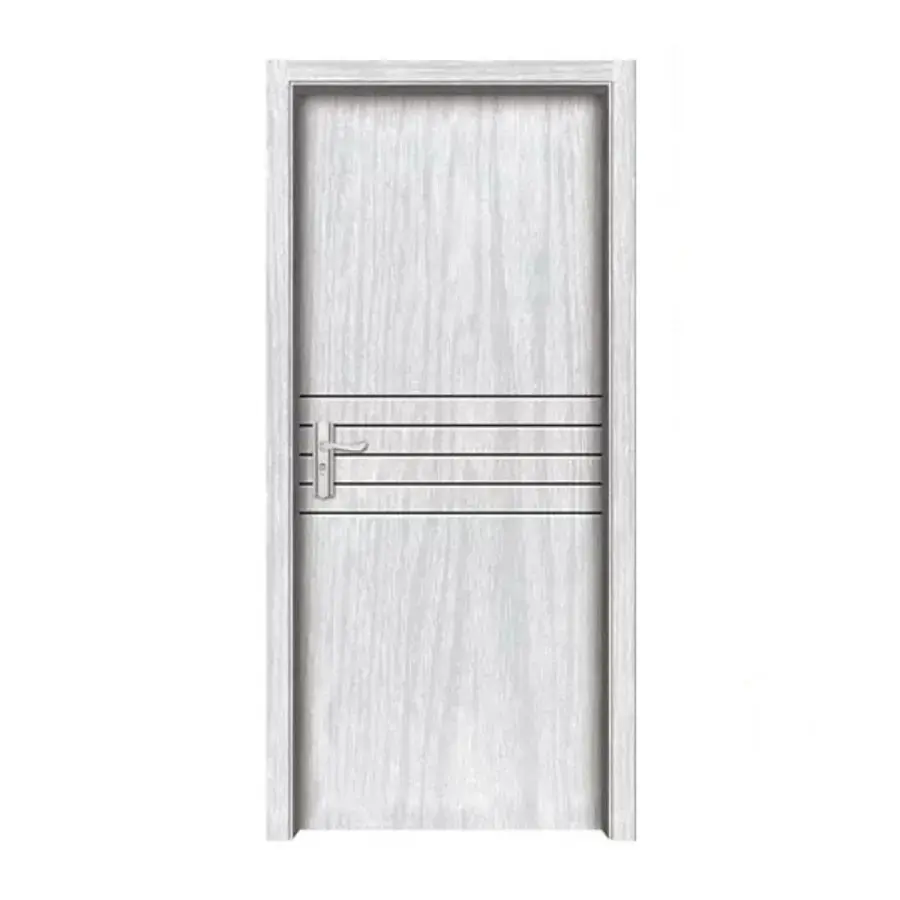
Adhesion Test Parameters: Ensuring Coating Bond Strength
Adhesion refers to the bonding strength between the paint coating and the door substrate. Poor adhesion leads to coating flaking, peeling, or chipping under minimal stress, rendering the door’s protective layer ineffective. For painted doors, two primary adhesion test methods are widely recognized in the industry, each with clear parameter standards: cross-cut test and pull-off test .
The cross-cut adhesion test is the most common method for painted doors, especially for flat surfaces. The test parameters include: using a sharp utility knife to make 6-11 parallel cuts (depending on coating thickness) at a 90° angle to the substrate, spaced 1mm apart, forming a grid pattern. After cutting, a piece of adhesive tape is firmly applied to the grid and quickly peeled off. The adhesion grade is judged based on the amount of coating removed: Grade 0 (no coating removal) is ideal, while Grade 5 (more than 60% coating removal) indicates failure. For high-quality painted doors, the minimum acceptable adhesion grade is Grade 1.
The pull-off adhesion test is used for more rigorous quality control, measuring the actual tensile strength required to separate the coating from the substrate. The test parameters specify using a dollies with a standardized area (typically 20mm or 50mm diameter), which are glued to the dried coating. A pull-off tester applies uniform tensile force until the coating fails. For painted doors, the minimum acceptable adhesion strength is 1.5MPa for wooden substrates and 2.0MPa for metal substrates. This test is particularly important for exterior doors or doors used in high-traffic commercial areas, where coating durability is critical.
The Link Between Test Parameters and Product Reliability
Adhering to the correct coating thickness and adhesion test parameters is not just about meeting quality standards—it’s about building trust with partners and ensuring long-term product performance. For door manufacturers and suppliers, standardized testing ensures that every batch of products meets consistent quality levels, reducing return rates and improving brand reputation. For construction and renovation professionals, verifying these parameters when sourcing painted doors helps avoid project delays and maintenance issues caused by poor coating quality.
It’s also worth noting that these test parameters are aligned with international standards such as ISO 2808 (coating thickness measurement) and ISO 2409 (cross-cut adhesion test). Complying with these standards makes painted doors more competitive in global markets, as they demonstrate adherence to recognized quality benchmarks.
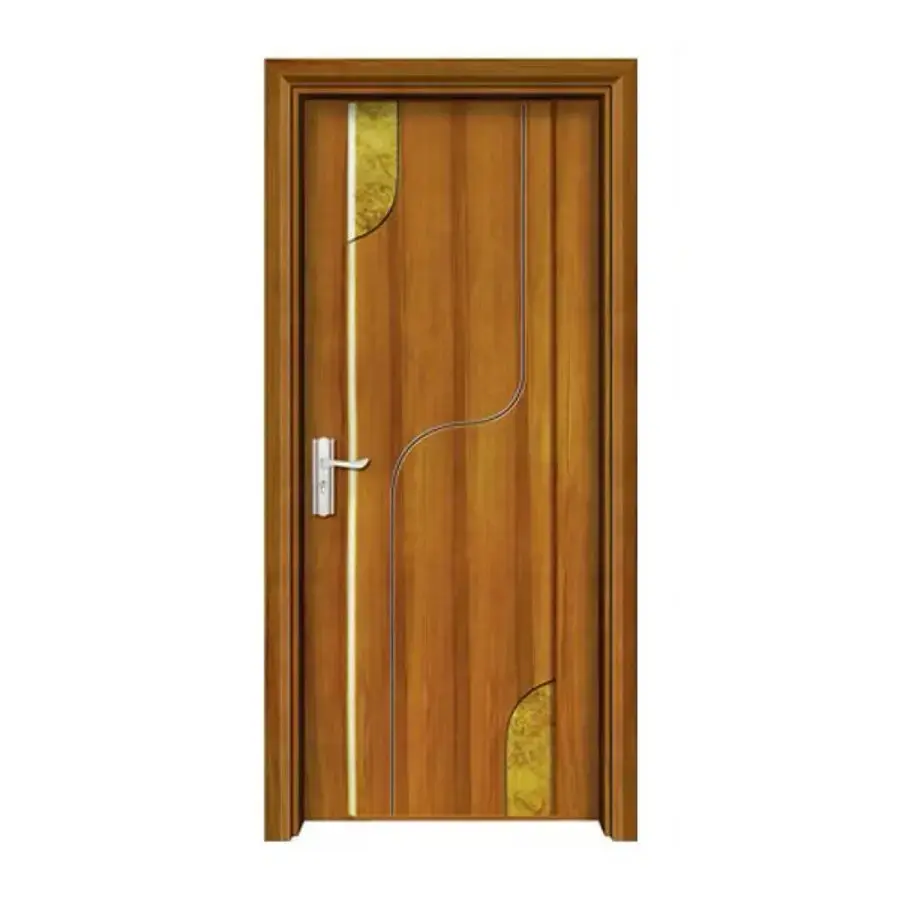
Key Takeaways for Coating Quality Control
To summarize, the core of painted door coating quality lies in strict control of two parameters: dry film coating thickness (50-120μm, adjusted for application environment) and adhesion (Grade 1 or better in cross-cut tests, 1.5MPa/2.0MPa minimum in pull-off tests for wooden/metal substrates). Regular testing using professional equipment and adherence to international standards are essential for maintaining product consistency and durability.
By prioritizing these test parameters, manufacturers can produce painted doors that stand out in terms of performance and longevity, while buyers can make informed decisions based on objective quality criteria. For anyone involved in the door supply chain, mastering these essential parameters is a key step toward success in the industry.