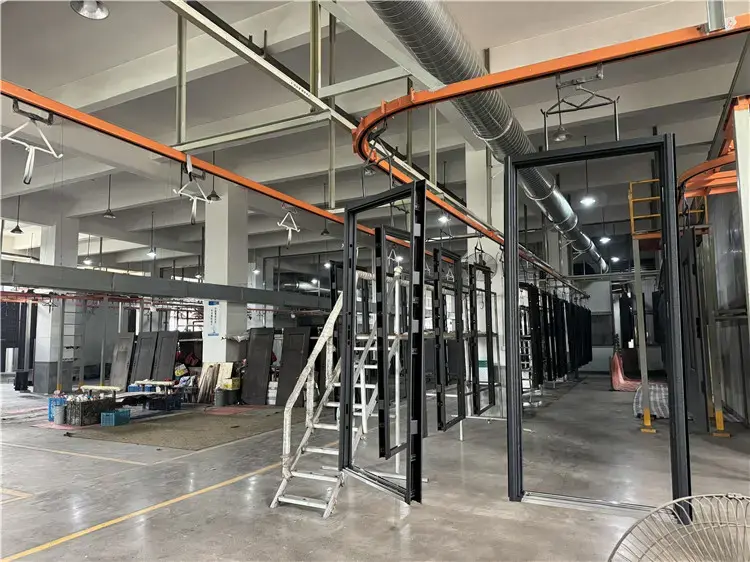
Various door service providers
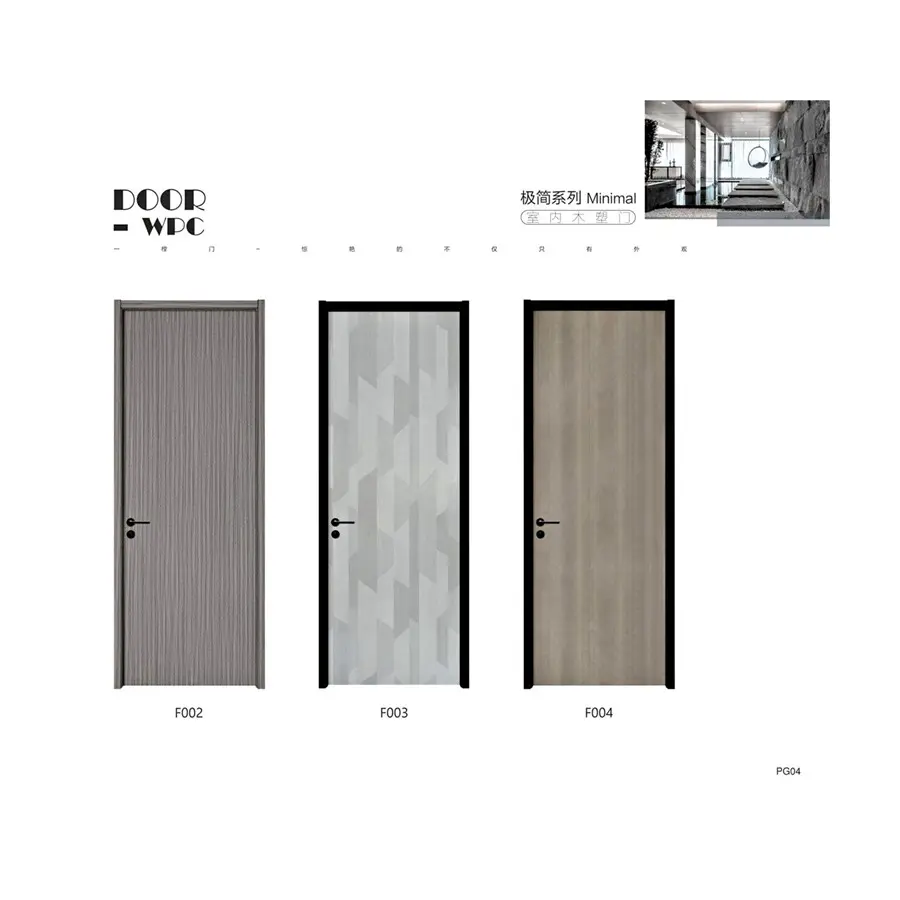
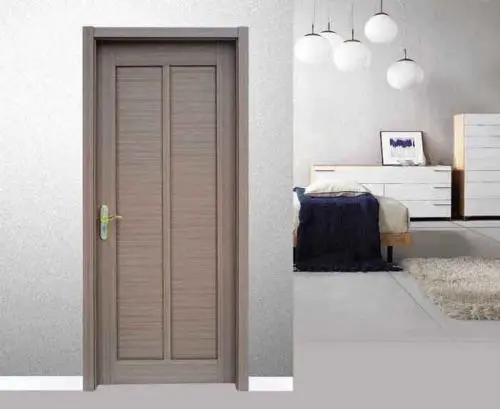
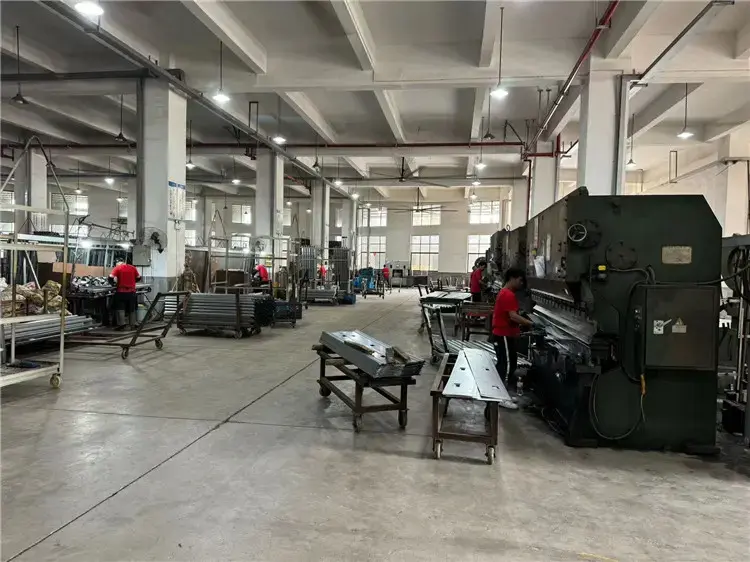



Online procurement acceleration: The Rise and fall of B2B e-commerce and exhibitions
Online procurement acceleration: The Rise and fall of B2B e-commerce and exhibitions
Over the past three years, the average decision-making cycle for global bulk purchasing has been compressed by 42%. The reason is not that demand has decreased, but that B2B e-commerce has changed the information flow time from "weeks" to "minutes". When suppliers list new products on the platform, the system will automatically match the browsing trajectory, historical inquiries and customs data, and push the products to buyers who are looking for goods. At traditional exhibitions, the same encounter requires both parties to book flights, arrange booths, make appointments, and then squeeze through the crowds in the exhibition hall to try their luck. Poor efficiency is obvious at a glance.
The cost structure is also being quietly rewritten. The hidden expenses of offline exhibitions - sample transportation, booth decoration, and personnel travel - often account for one-third of the annual market budget of small and medium-sized enterprises. The same sum of money, if invested in an online procurement scenario, can bring about a full year's worth of data-driven stores, SEO traffic, payment guarantees, and warehouse and distribution interfaces, with the marginal cost approaching zero. More importantly, the platform turns every click into a data asset that can be reused, while after the exhibition, most of the business cards lie idle in drawers.

Of course, the exhibition still has one trump card: the trust density brought by face-to-face interaction. For large-scale equipment, high-value items or categories that require in-depth customization, buyers still tend to handle the samples themselves and then negotiate the details with engineers. However, the exhibition itself is also being "reverse transformed" by digitalization - online pre-matching, VR factory visits, and scanning codes to send samples. The original three-day meeting has been advanced to three weeks, with only the "final push" confirmation left on-site. If traditional exhibitions lack digital preheating, it's like opening a store in a deserted alley. No matter how luxurious the decoration is, it won't wait for customers.
It is worth noting that B2B e-commerce is using "fragmented and in-depth services" to break through the moat of exhibitions: AI quality inspection, in-warehouse labeling, last-mile delivery, and even pre-payment of tariffs are all packaged into one-click ordering buttons. When the platform reduces the difficulty of fulfillment to as simple as "buying a ballpoint pen", overseas buyers no longer find excuses to "fly there in person". Data shows that by 2025, 63% of global hardware tools and 52% of textile fabrics and Accessories have completed their first orders purely online, without the need for any offline meetings.
For factories, the earlier they can break down the product granularity to a level that is "combinable online", the more they can enjoy this wave of benefits. By changing the MOQ (Minimum Order Quantity) from "full container" to "pallet" and the sample-making cycle from "two weeks" to "48-hour digital sample-making", one can enter the small B track of the platform, allowing orders to flow continuously like tap water. Exhibitions will not disappear, but they will step down from being the "main battlefield for customer acquisition" to a "brand ceremony" to make up for the touch and sentiment that are difficult to convey online.
At the next budget meeting, it might be a good idea to cut the exhibition expenditure in half and shift to SEO, scene videos and live factory visits for the digital supply chain. Use the remaining half to book a smaller booth and only offer in-depth experiences. Let online data stay ahead and make offline meetings the final confirmation - this combination of "light exhibition and heavy network" is the most reliable way to acquire customers in 2026.