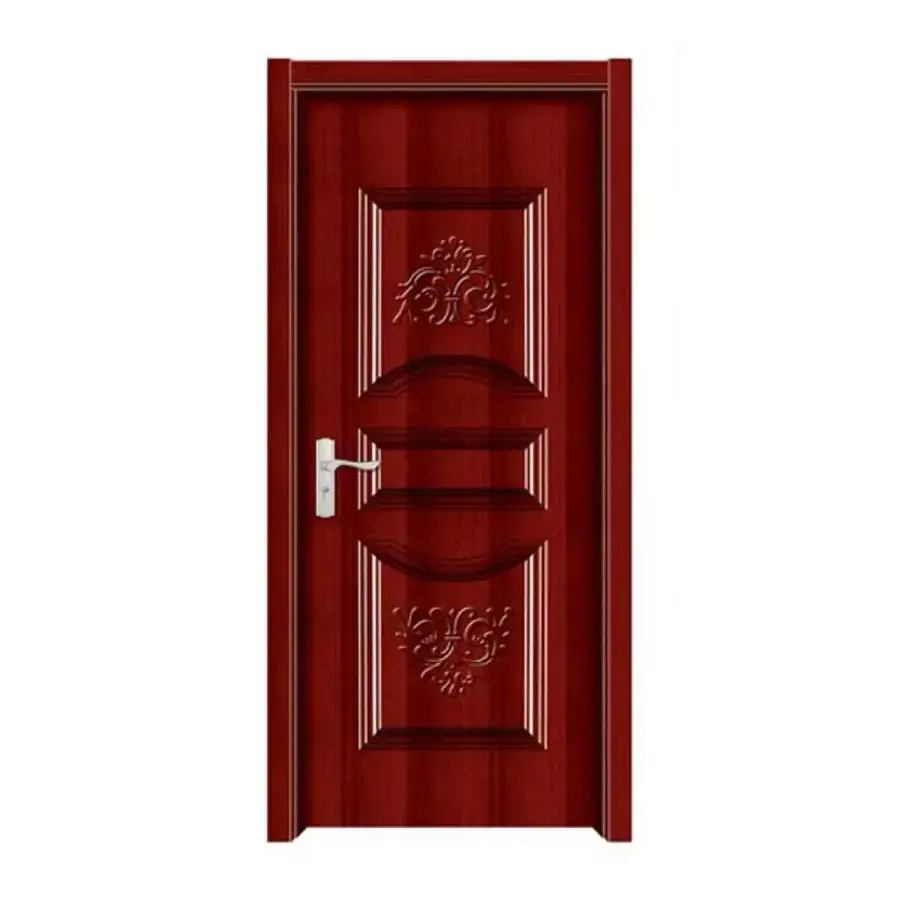
Various door service providers
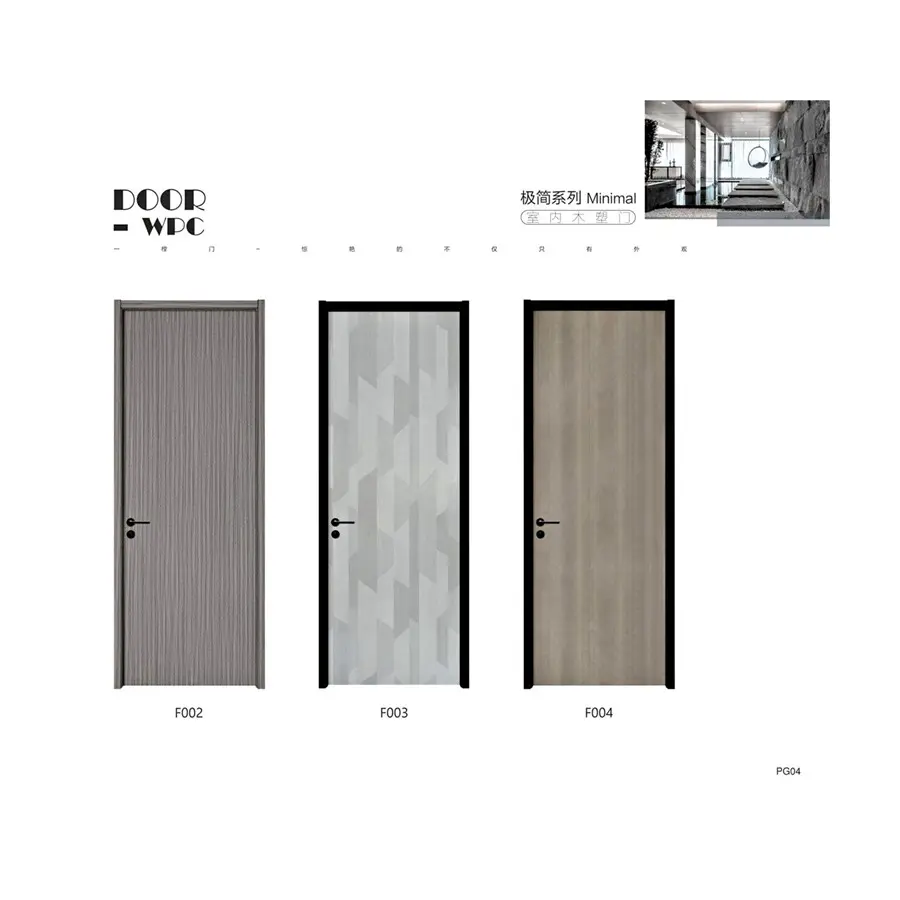
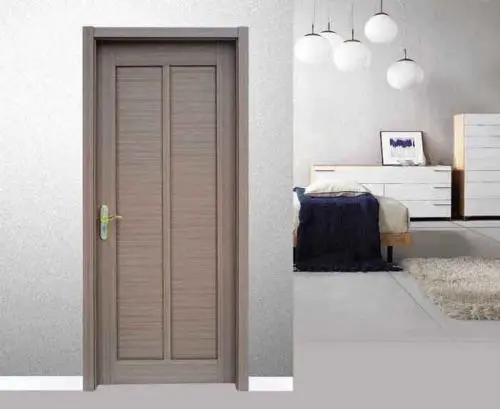
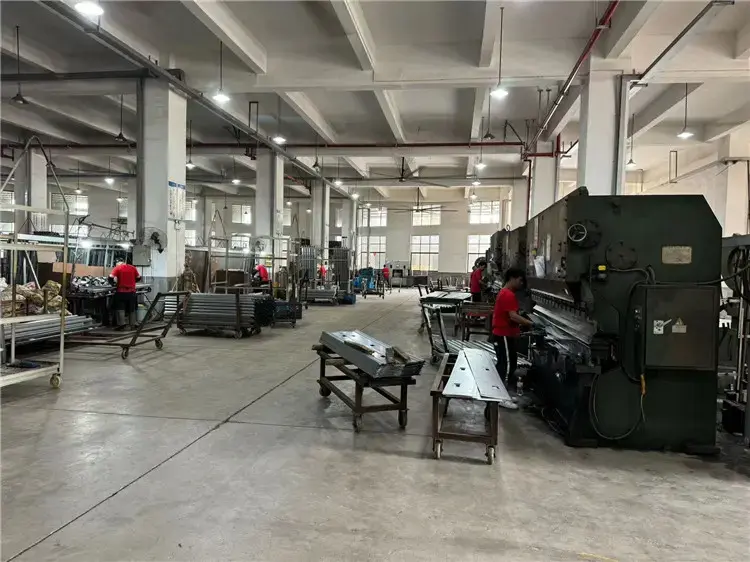
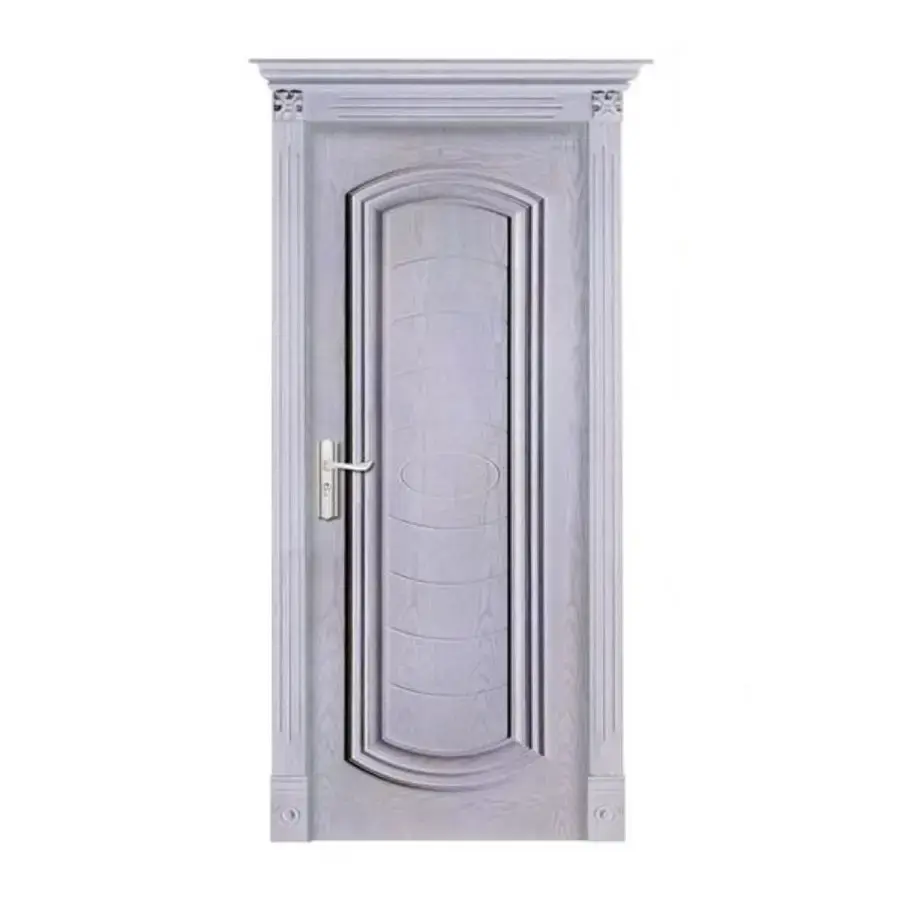
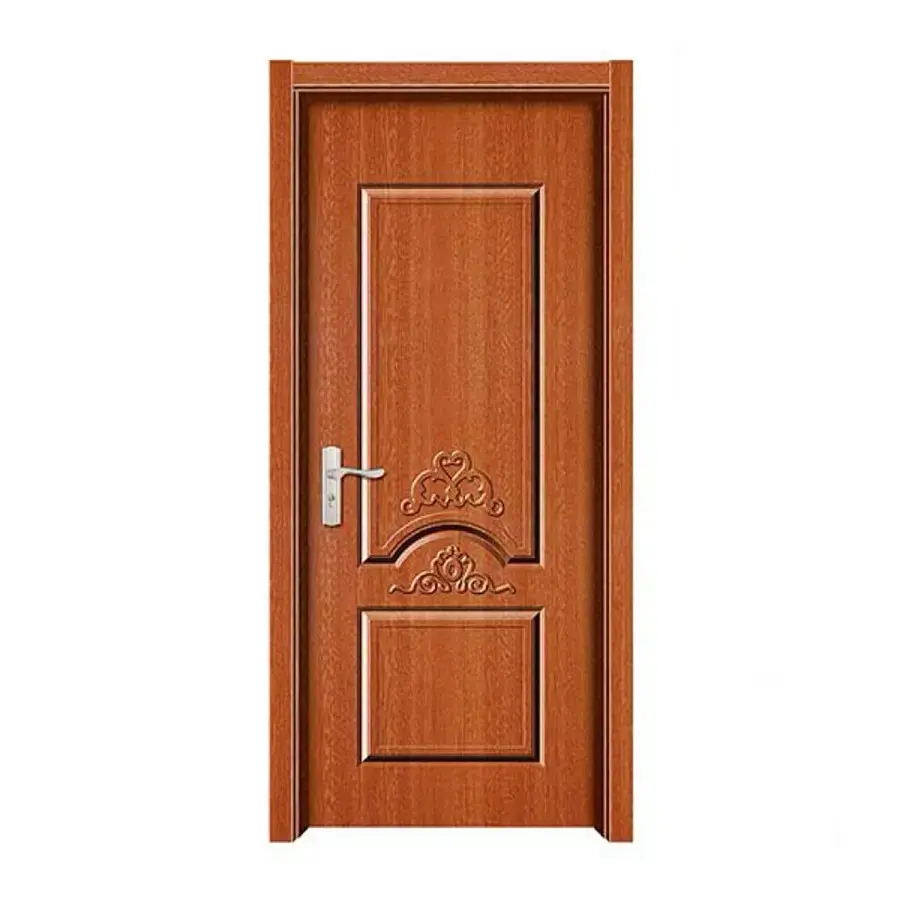
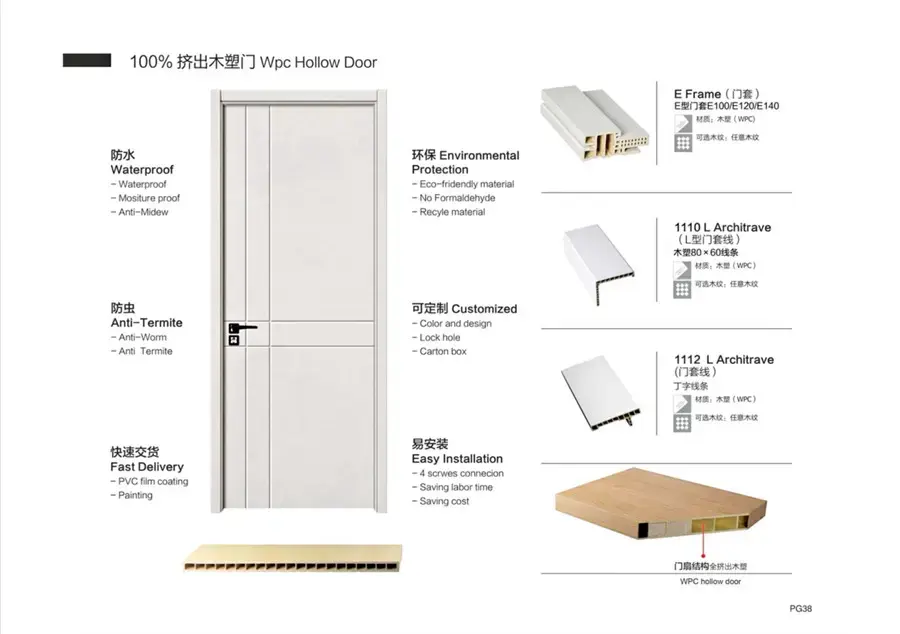


Innovative technology of spray-painted doors: The integration of intelligent and environmentally friendly coatings
As an important component of building entrances, the technological innovation of spray-painted doors is developing in a dual-track direction of "intelligent functions" and "environmental protection performance". When smart door locks, sensors and other technologies are combined with new environmentally friendly coatings, it not only enhances the user experience of the door body, but also responds to the global demand for green buildings. For international wholesale purchasers, understanding the integration logic of the two can better grasp the technological trends of spray-painted doors and provide suitable product solutions for different markets.
Collaborative design of intelligent technology and spray painting process
The core functions of smart doors (such as identity recognition and status monitoring) need to be deeply adapted to the painting process in order to achieve a balance between functionality and aesthetics. During the surface treatment stage of the door body, the application of conductive coatings has become a key innovation - by adding graphene conductive particles to the primer, the spray paint layer can have conductive properties. Combined with embedded touch sensors, fingerprint recognition or password input on the door body surface can be achieved without the need to install additional metal buttons, maintaining the integrity of the door body's appearance.
The compatibility design of sensors and coatings is equally important. The temperature and humidity sensors and vibration sensors inside the door body should be installed away from areas with overly thick paint layers to prevent the solvents in the paint from affecting the sensitivity of the sensors. Some high-end products adopt a "layered spray painting" process: a thin breathable coating (about 30μm thick) is sprayed around the sensor, while the rest of the area is coated with a conventional protective coating (80-100μm thick). This ensures the normal operation of the sensor without affecting the overall protective performance.
The connection part between the smart door lock and the door body requires special treatment for the painting process. Around the lock installation groove, "elastic coating" is sprayed - this coating contains rubber particles and, after curing, has a certain degree of elasticity, which can buffer the vibration when opening and closing the door, reduce the cracking of the paint layer at the connection between the lock and the door body, and extend the service life of the intelligent components.
Technological breakthroughs and application scenarios of eco-friendly coatings
The innovation of eco-friendly coatings is not only reflected in their low-pollution characteristics, but also expands into new dimensions of functionality and sustainability. Low-voc (volatile organic compounds) water-based coatings have become mainstream. Their VOC content can be controlled below 50g/L (far lower than the EU standard of 150g/L). By using plant-based resins (such as soybean oil-modified resins) to replace traditional petroleum-based raw materials, low-carbon emissions in the coating process can be achieved. The paint film formed after drying of this type of coating has weather resistance and scrub resistance comparable to solvent-based coatings, making it suitable for outdoor doors in areas with heavy rain or high humidity.
Functional eco-friendly coatings add practical value to spray-painted doors. Self-cleaning coatings form a nano-scale hydrophobic layer on the surface, causing rainwater to create a "lotus leaf effect" on the door surface, carrying away dust and stains and reducing the frequency of manual cleaning. They are particularly suitable for glass or metal doors in commercial buildings. Anti-graffiti paint is added with special fluorocarbon resin, which can easily remove graffiti marks from markers, spray paint, etc. It is widely used in public places such as schools and shopping malls.
The emergence of repairable coatings has solved the problem of door body wear. This coating contains microencapsulated repair agents. When there are minor scratches on the paint film, the microcapsules burst to release the repair agent, which reacts with oxygen in the air to automatically fill the scratches and keep the appearance of the door intact. For frequently used entrance doors, repairable coatings can extend the renovation cycle and reduce maintenance costs.
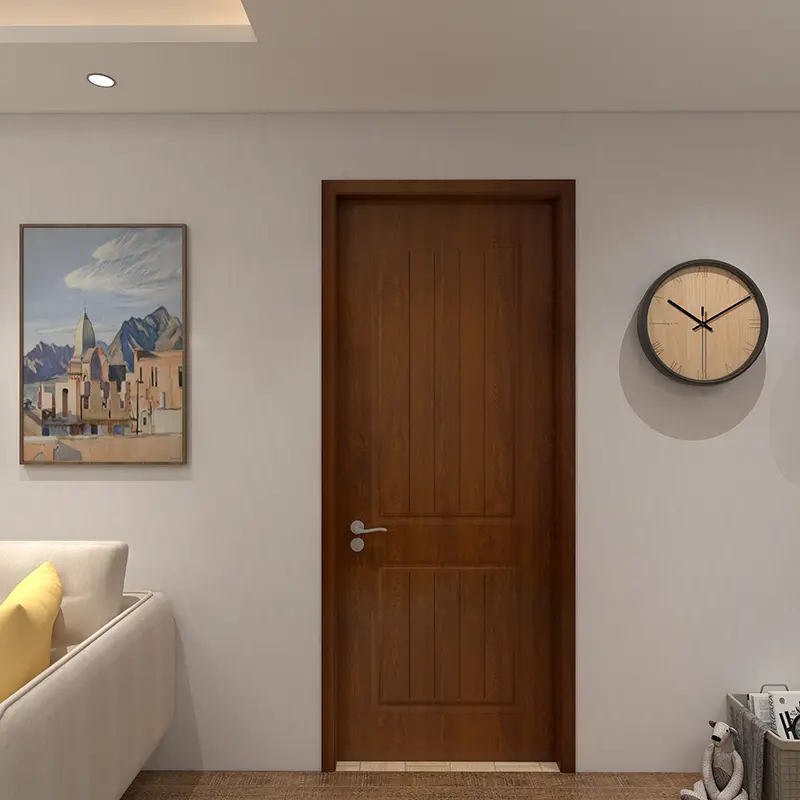
The core advantage of the integration of intelligence and environmental protection
The combination of intelligent technology and eco-friendly coatings has brought three core values to spray-painted doors. Firstly, it is the environmental friendliness throughout the entire life cycle: The intelligent system can monitor the aging degree of the door body paint through sensors, reminding users to apply local repainting at the best time (rather than replacing the entire paint), reducing paint waste. In combination with recyclable door body base materials (such as recycled aluminum alloy), a low-carbon closed loop from production to scrapping is achieved.
Secondly, there is the scenario-based intelligent experience: In cold regions, the temperature-controlled coating on the door surface can be used in conjunction with an intelligent heating system. When the sensor detects that the door temperature is below 5℃, the low-power heating module will be automatically activated to prevent surface icing from affecting the opening and closing. In humid areas, the humidity sensor is linked with the dehumidifying coating (containing hygroscopic factors) to keep the door body dry and prevent mold growth.
The last point is the balance between cost and performance: Although the initial procurement cost of eco-friendly coatings is higher than that of traditional coatings, combined with the energy consumption optimization of intelligent systems (such as automatically adjusting the power of access control systems), the total long-term usage cost can be reduced by 15% to 20%. For instance, smart doors equipped with light-sensitive coatings can reduce indoor cooling energy consumption by reflecting sunlight through the coatings during the day, and at night, they can lower power consumption through the low-power mode of the smart door lock.
Suggestions for adapting to the international market
The technical requirements for spray-painted doors vary in different regions, and it is necessary to adjust the integration plan of intelligence and environmental protection in a targeted manner. The European market has strict requirements for VOC emissions (such as the EU REACH regulation). Water-based environmentally friendly coatings should be given priority, combined with basic intelligent functions (fingerprint lock + condition monitoring), to meet the requirements of green building certification. In Southeast Asia, with high temperatures and humidity, it is necessary to enhance the anti-mold property of coatings and the moisture-proof design of intelligent systems (such as IP65-level waterproof sensors).
For high-end markets (such as North American villa projects), an integrated solution of "self-healing paint + whole-house intelligent linkage" can be provided: the door paint has a self-healing function for scratches, and the intelligent system is linked with the indoor lighting and security systems to achieve automated control of the entry scene. For markets with limited budgets, the smart functions can be simplified, focusing on the combination of cost-effective low-VOC coatings and basic smart locks to ensure that the core environmental protection and safety requirements are met.
The innovative technology of the spray-painted door essentially achieves the unity of "functionality, aesthetics and sustainability" through the integration of intelligence and environmental protection. International wholesale purchasers, by seizing this trend and precisely matching technological highlights with regional market demands, can provide customers with products that are both competitive and practical, thus occupying an advantageous position in the building materials market.