



Various door service providers
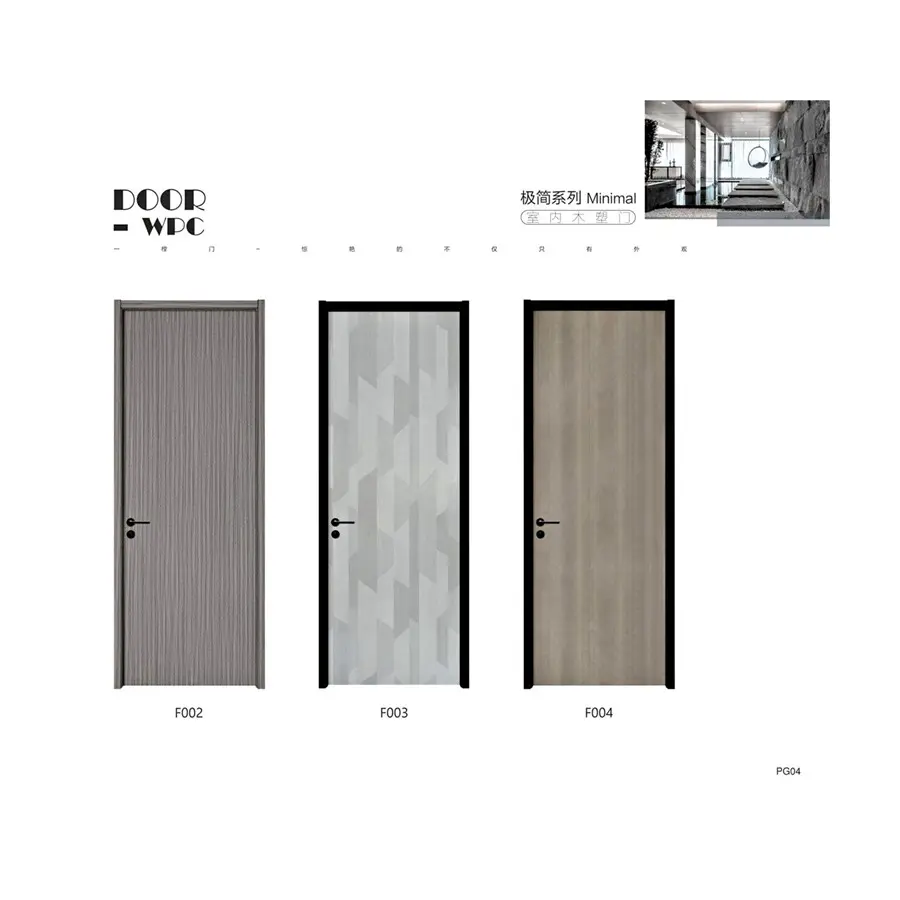
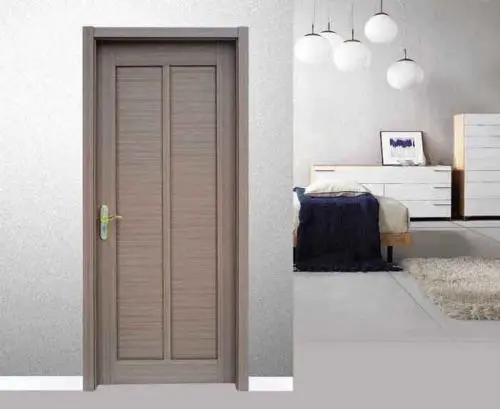
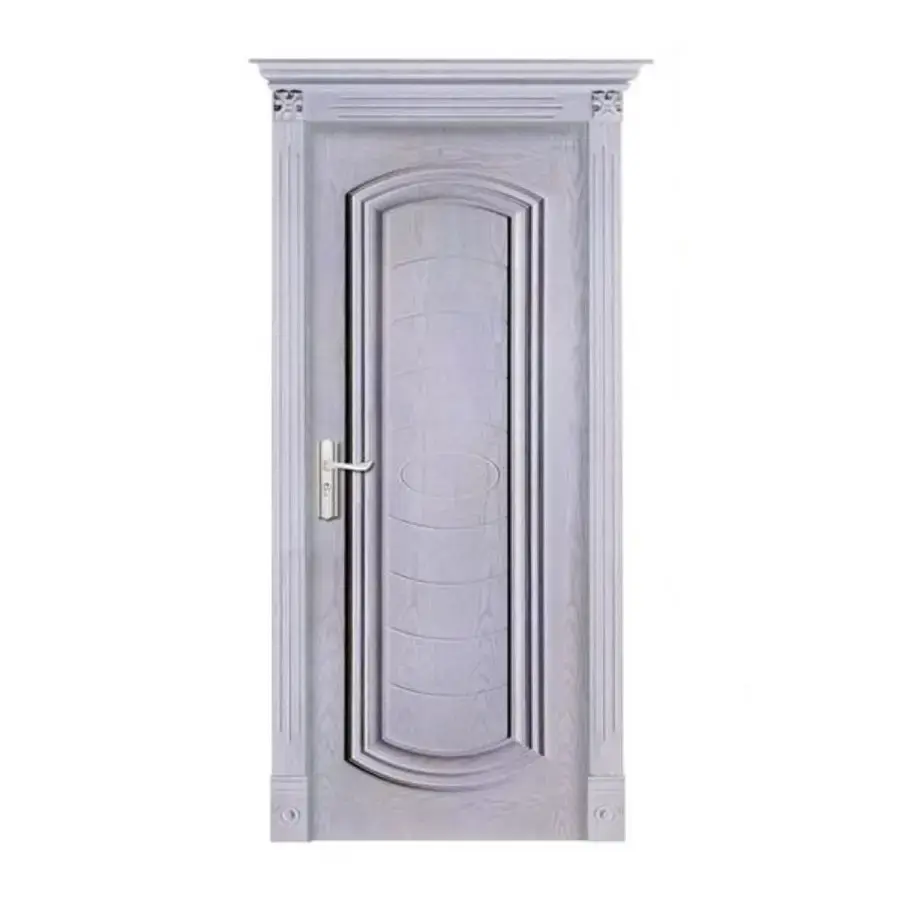
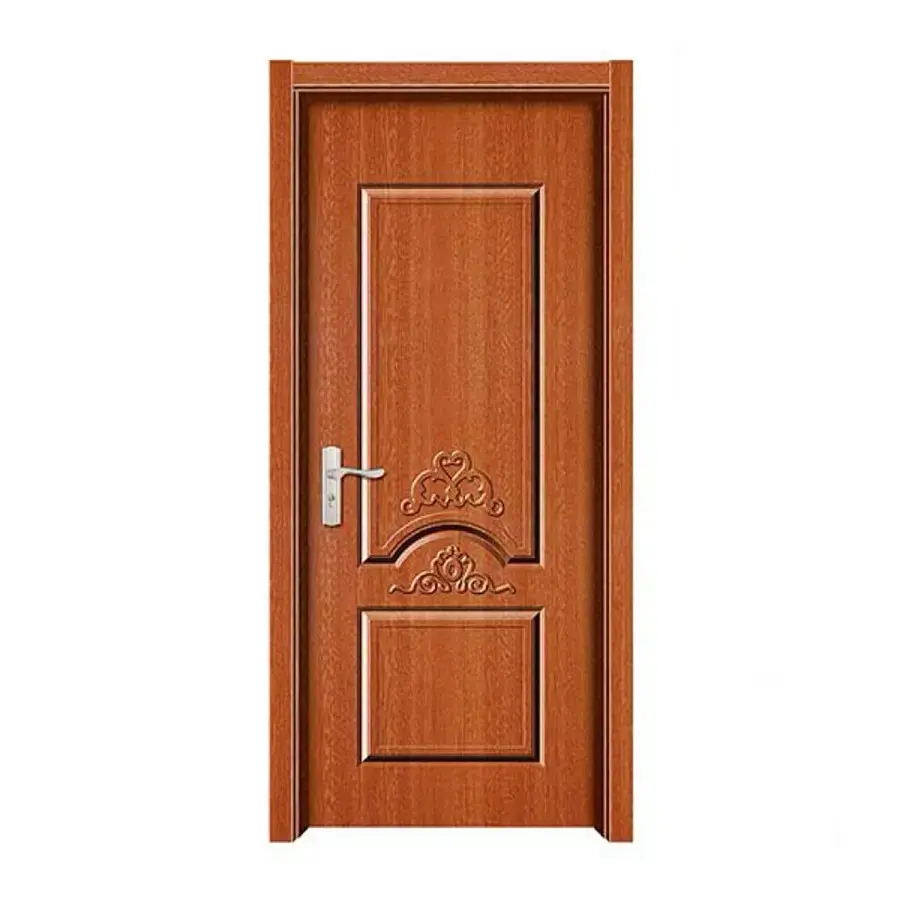
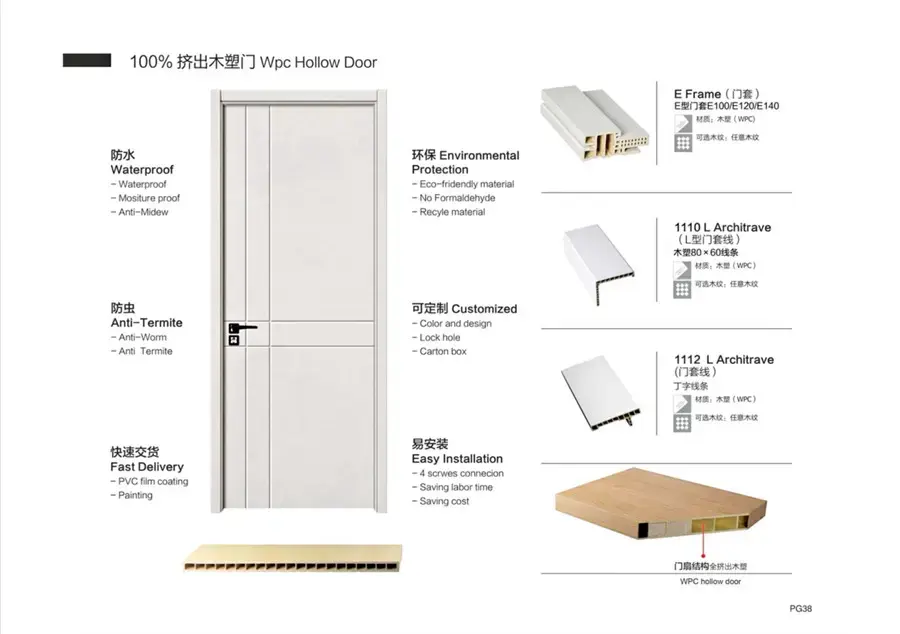

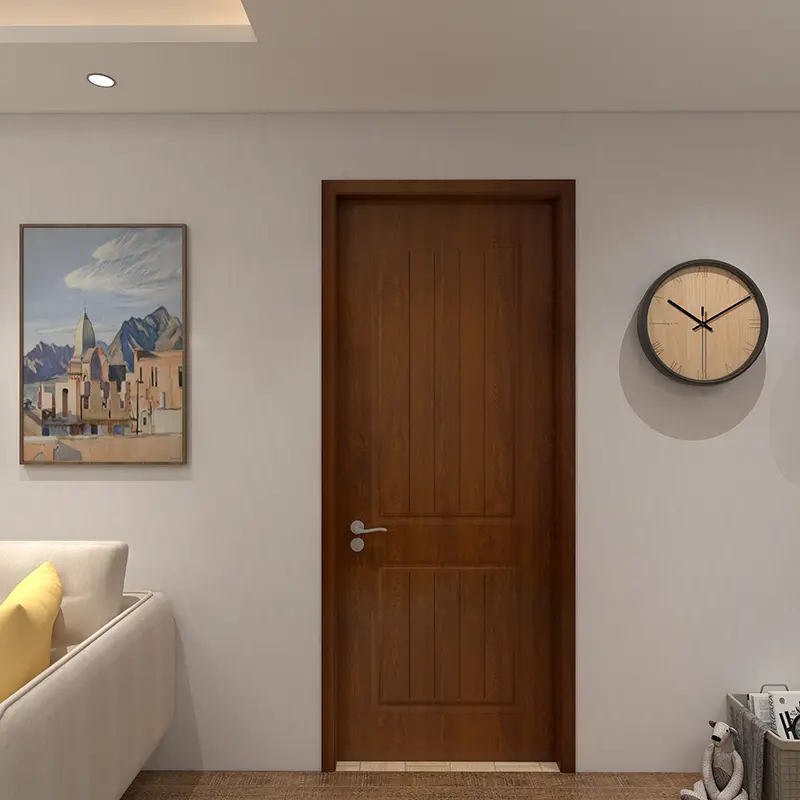


High-Quality Painted Door Production: Process & Quality Control
In modern home and architectural decoration, high-quality painted doors not only offer an attractive appearance but also possess excellent durability and functionality. This article will provide a detailed introduction to the complete production process of a high-quality painted door from panel processing to the finished product, as well as the quality control points that need to be strictly controlled during this process to ensure the outstanding quality of the final product.
First, selection and preparation of raw materials
The first step in producing high-quality painted doors is to select the right raw materials. Generally, the base material of a door is made of high-quality wood or composite materials, which need to have good stability and strength to ensure the performance of the door during long-term use. Before raw materials enter the production workshop, they must undergo strict inspection to ensure there are no defects, no deformations, and they meet the specified size and performance standards.
Second, sheet metal processing
(1) Cutting and Forming
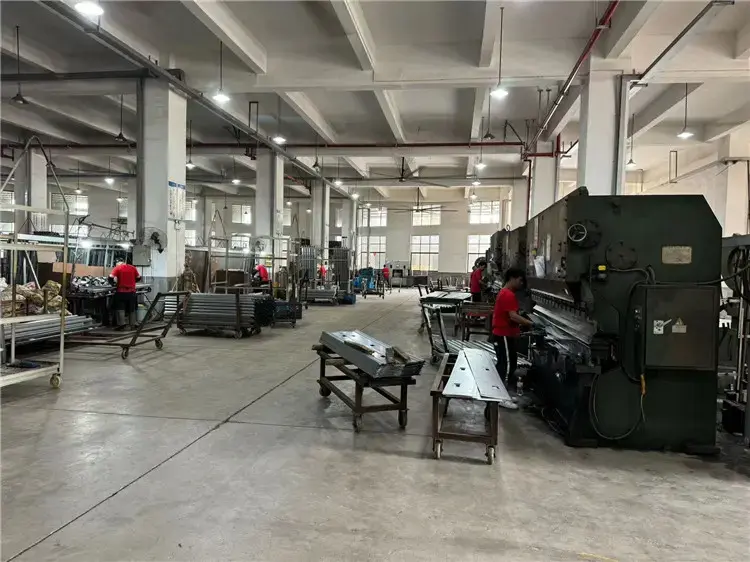
The raw material plates first need to be cut and formed according to the design requirements. This process typically employs high-precision cutting equipment, such as laser cutting or CNC saws, to ensure the accuracy of the cut and the smoothness of the edges. The cut plates will undergo further processing as needed, such as mortising, drilling, and arc trimming, to meet the structural requirements of the door.
(2) Splicing and veneering
For some door panels that require a larger size, multiple boards will be joined together. During the splicing process, high-quality adhesives are used and the firm bonding between the boards is ensured through cold pressing or hot pressing. The spliced boards will undergo veneering treatment, usually using materials such as thin wood veneer or PVC film. Through the application of glue and pressure, the decorative surface materials are closely adhered to the base material.
Third, sanding and grinding
After veneering, the boards need to be sanded and ground to remove the unevenness and burrs on the surface, preparing for the subsequent painting process. Sanding and grinding are usually divided into two stages: rough grinding and fine grinding. Different grit sandpapers or grinding wheels are used to gradually improve the smoothness of the surface.
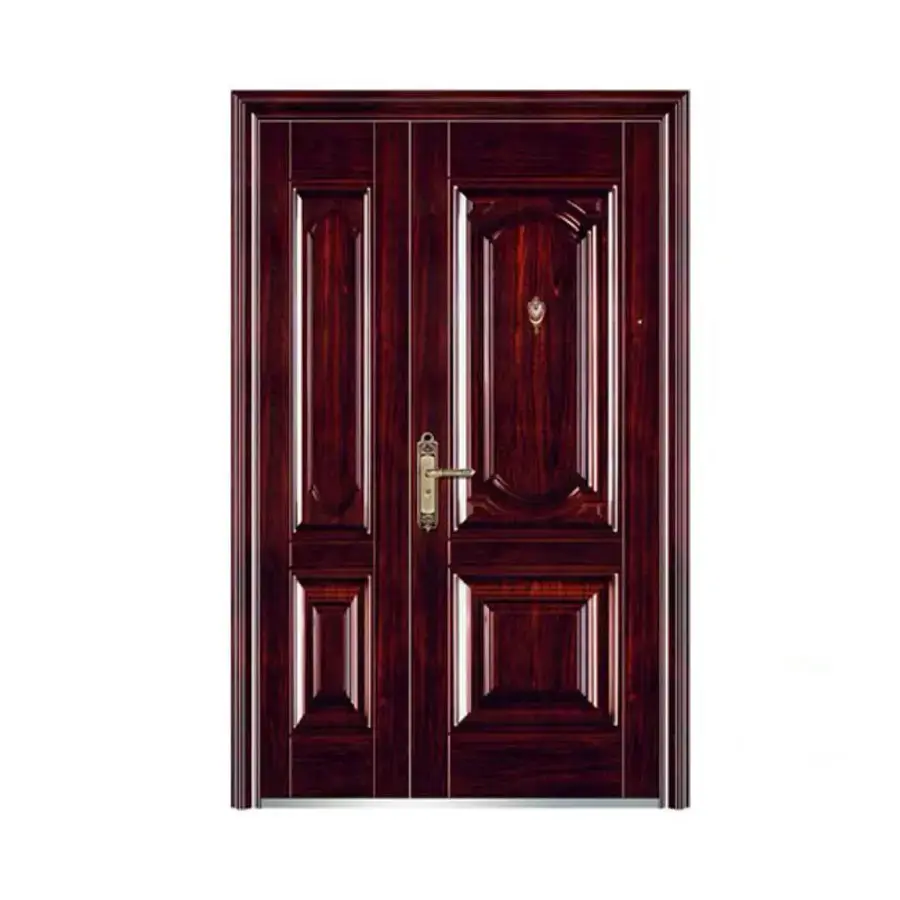
Fourth, the painting process
Painting is a key step in producing high-quality painted doors, directly affecting the appearance and durability of the doors.
(1) Pretreatment before painting
Before painting, the surface of the door panel needs to be thoroughly cleaned to remove dust, oil stains and other impurities. A sticky cloth or ionized air can be used to remove the electrostatic adsorbents on the surface. In addition, the surface needs to be appropriately sanded and cleaned to enhance the adhesion of the paint.
(2) Primer spraying
The function of the primer is to provide a uniform base for the topcoat, enhance the adhesion of the paint film, and offer initial protection. PU paint is usually used for primer spraying. During the spraying process, the viscosity of the coating, the amount sprayed and the temperature and humidity of the spraying environment need to be strictly controlled. After the primer is sprayed, it needs to be naturally air-dried or dried in a dryer to ensure that the paint film is fully cured.
(3) Topcoat spraying
The topcoat is the final appearance layer of the painted door and needs to have good gloss, color uniformity and durability. The topcoat usually uses water-based paint, which is environmentally friendly and easy to handle. The topcoat spraying should be carried out in a dust-free environment to avoid defects such as particles and sagging on the paint surface. When spraying, ensure the stable movement of the spray gun and control the distance between the spray gun and the surface of the door panel to guarantee the uniformity of the paint film.
(4) Post-painting treatment
After the topcoat is sprayed, appropriate post-treatment is required. For minor paint surface defects such as particles or orange peel, you can gently sand them with sandpaper and then polish them to restore the smoothness and luster of the paint surface.
Fifth, quality control points
Throughout the entire production process, there are multiple key quality control points that need to be strictly controlled to ensure the quality of the final product.
(1) Raw material quality
The quality of raw materials directly affects the quality of the final product. Therefore, it is essential to ensure that the raw materials are free from defects and deformations, and meet the specified size and performance standards.
(2) Machining accuracy
In the process of sheet metal processing, the precision of cutting, splicing and veneering is of vital importance. Any processing error may lead to structural instability or appearance defects of the door.
(3) Painting quality
The quality of the paint is the key to a painted door. It is necessary to strictly control the surface treatment before painting, the viscosity of the coating and the spraying environment, as well as the quality of post-painting treatment. Any defects in the painting process, such as particles, sagging, orange peel, etc., need to be detected and dealt with in a timely manner.
(4) Final Inspection
After the door has completed all production processes, a final inspection is required. The inspection contents include the dimensional accuracy of the door, the appearance quality, the adhesion and hardness of the paint film, etc. Only products that pass strict inspections can be regarded as qualified high-quality painted doors.
Sixth, Conclusion
A high-quality painted door, from the selection of panels to the completion of the final product, needs to go through multiple complex production processes and strict quality control points. Through precise selection of raw materials, meticulous processing techniques, strict painting control and comprehensive quality inspection, it can be ensured that every door possesses outstanding quality and an attractive appearance. This attention to detail and dedication to quality are the keys to producing high-quality painted doors.