



Various door service providers
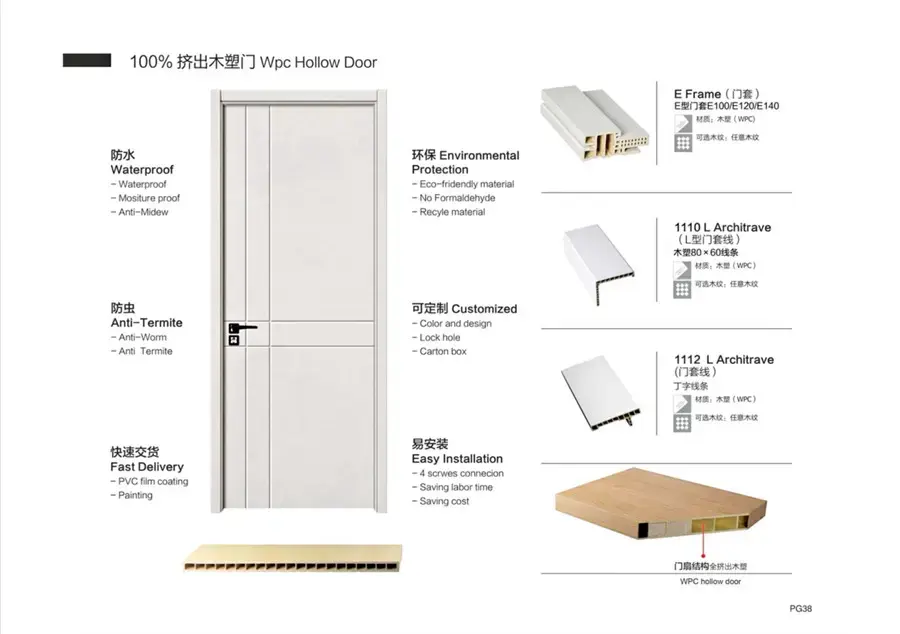

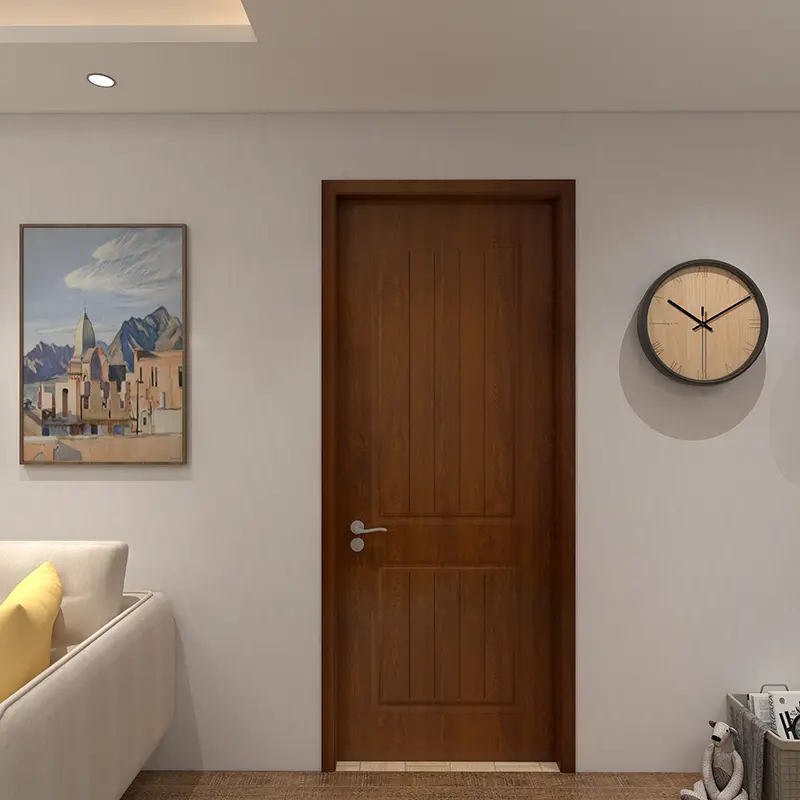


Growth potential analysis of high-end residential wooden door market
First, market growth background
In recent years, with the rapid development of the global construction market, especially the continuous expansion of the high-end residential market, the demand for Wooden Doors continues to grow. In 2024, the global wood interior door market size exceeded $56.8 billion, and is expected to grow at a compound annual growth rate of more than 5% from 2025 to 2032. This growth is mainly due to the following aspects:1. Increased construction activity
With increasing urbanization around the world, especially in developing countries, there is an increasing demand for residential and commercial buildings. This growth in demand has directly driven the demand for building wooden doors. For example, the rapid urbanization of countries such as China and India provides huge growth potential for the wooden door market.
2. Consumer preference for environmentally friendly and sustainable products
Increasing consumer awareness of environmentally friendly and sustainable building materials is driving the demand for wooden doors. Wooden doors are known for their durability, beauty and energy saving, and have become the first choice of consumers. In addition, with the advancement of technology, the production process of wooden doors is more environmentally friendly, further enhancing its market competitiveness.
3. Integration of smart home technologies
With the development of smart home technology, wooden doors are also gradually integrating intelligent elements. The application of intelligent door locks, automatic opening and closing functions, remote control and other technologies not only improves the convenience of life, but also enhances the security of the house. The convergence of these technologies has brought new growth opportunities to the wooden door market.
Second, the market growth trend
1. Minimalist style and modern aesthetics
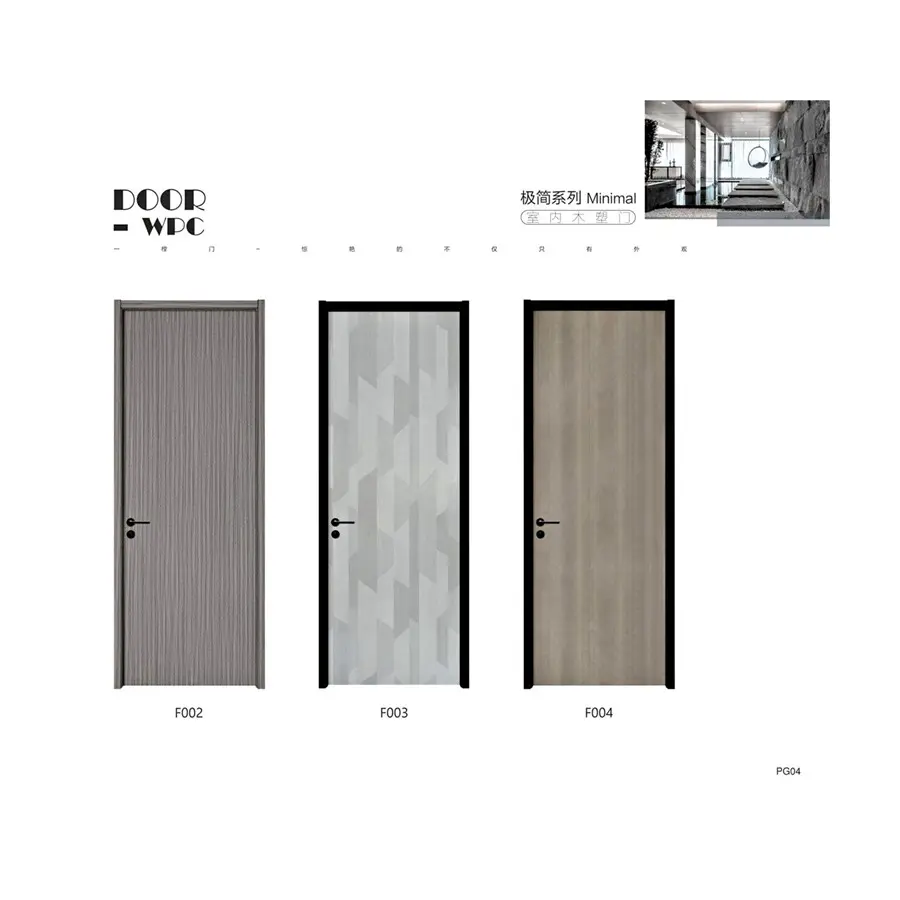
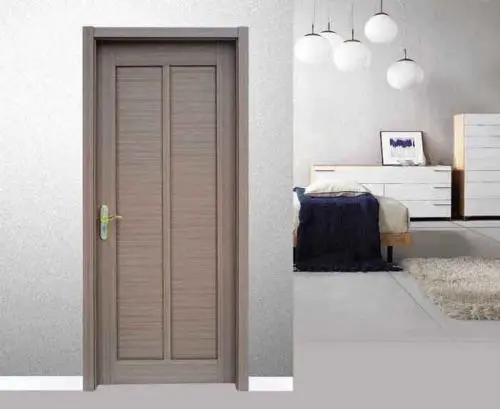
Minimalist style is popular in high-end residential decoration. This style emphasizes clean lines and pure colors, creating a peaceful and comfortable living environment. In the design of wooden doors, the minimalist style usually adopts simple graphic design and reduces unnecessary decoration to highlight the texture and texture of the wood itself.
2. Customization and personalization
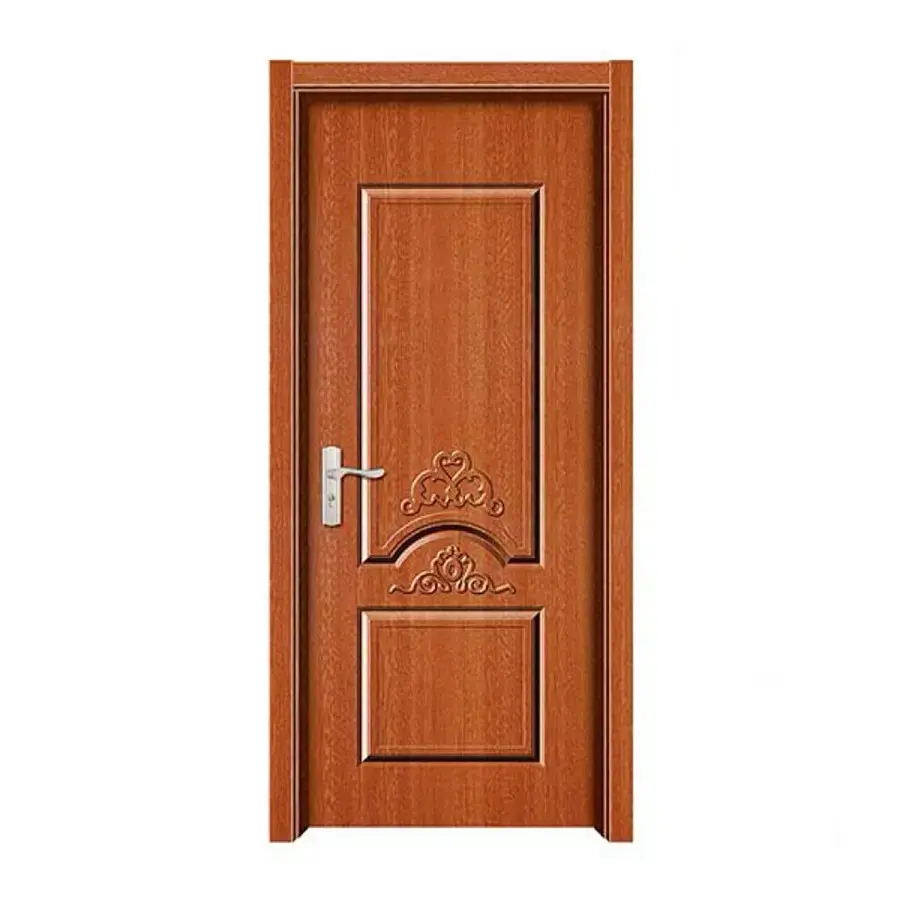
High-end residential owners often pursue a unique living experience, so customization and personalization have become an important trend in wooden door design. From the size and shape of the door to the material, color and finish, it can be customized according to the specific needs of the owner. This trend not only meets the individual needs of consumers, but also enhances the added value of wooden doors.
3. Integration of intelligence and technology
With the development of smart home technology, wooden doors are also gradually integrating intelligent elements. The application of intelligent door locks, automatic opening and closing functions, remote control and other technologies not only improves the convenience of life, but also enhances the security of the house. The convergence of these technologies has brought new growth opportunities to the wooden door market.
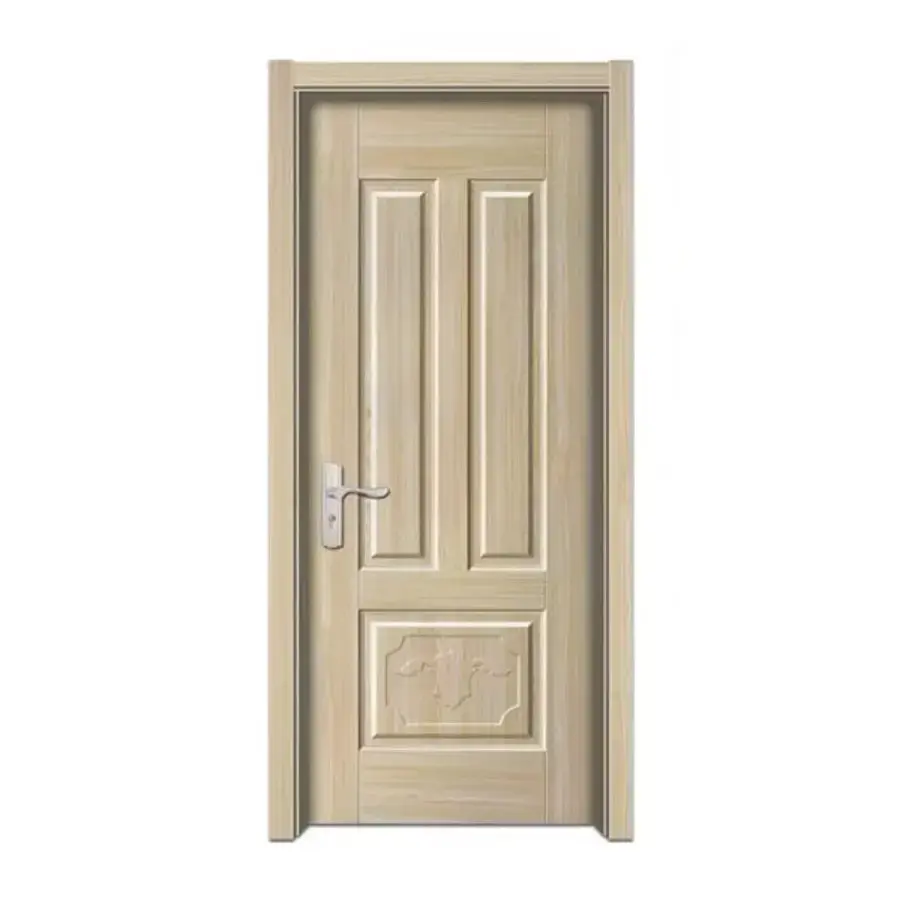
Third. Market growth potential analysis
1. Growth in emerging markets
With the acceleration of urbanization worldwide, especially in regions such as Asia and Latin America, the expansion of the middle class offers great growth potential for the wooden door market. Consumers in these regions have an increasing demand for high-quality, aesthetically pleasing wooden doors, especially in new homes and renovation projects.
2. Demand for environmentally friendly and sustainable products
Consumer preference for environmentally friendly and sustainable building materials is driving the demand for wooden doors. Wooden doors are known for their durability, beauty and energy saving, and have become the first choice of consumers. In addition, with the advancement of technology, the production process of wooden doors is more environmentally friendly, further enhancing its market competitiveness.
3. Integration of smart home technologies
With the development of smart home technology, wooden doors are also gradually integrating intelligent elements. The application of intelligent door locks, automatic opening and closing functions, remote control and other technologies not only improves the convenience of life, but also enhances the security of the house. The convergence of these technologies has brought new growth opportunities to the wooden door market.
4. Customized and personalized service
High-end residential owners often pursue a unique living experience, so customization and personalization have become an important trend in wooden door design. From the size and shape of the door to the material, color and finish, it can be customized according to the specific needs of the owner. This trend not only meets the individual needs of consumers, but also enhances the added value of wooden doors.
Fourth, market challenges and coping strategies
1. Price fluctuation of raw materials
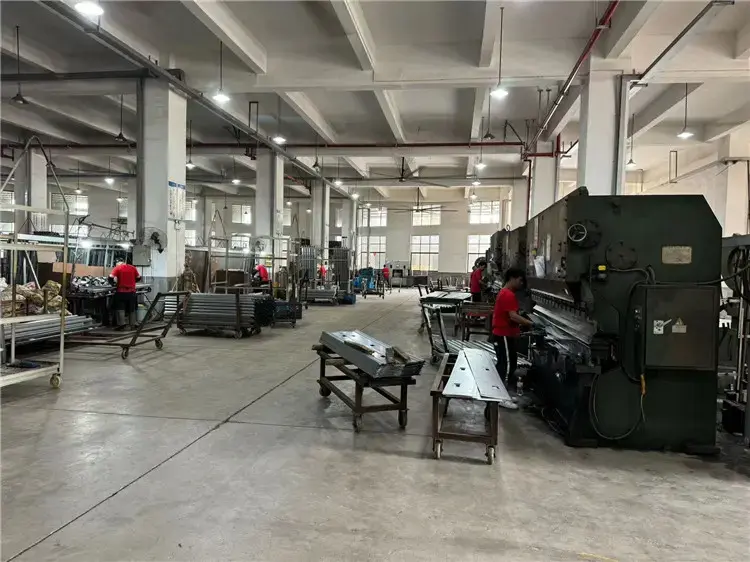
The volatility of wood prices is a challenge for manufacturers of wooden doors. To combat this, manufacturers can reduce costs by optimizing supply chain management, finding alternative materials and improving production efficiency.
2. Competition for alternative materials
Wooden doors must compete with other materials, such as fiberglass, PVC, and metal doors. These alternatives are generally cheaper, more durable, and less expensive to maintain. To address this challenge, wooden door manufacturers can attract consumers by highlighting the unique advantages of wooden doors, such as aesthetics, environmental protection and customization.
3. Restrictions of environmental regulations
With increasingly stringent environmental regulations, wooden door manufacturers need to ensure that their products meet the relevant standards. This may require increased investment in environmentally friendly materials and technologies to reduce environmental impact.
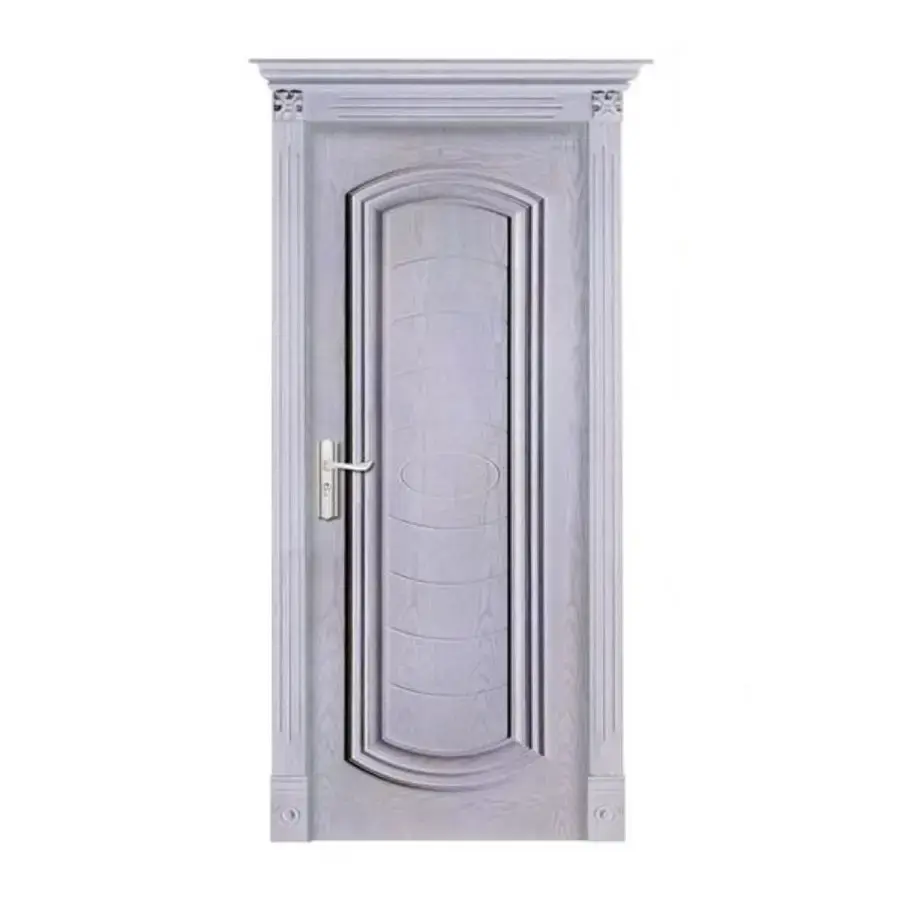
The high-end residential wooden door market will continue to maintain stable growth in the next few years. With the acceleration of global urbanization and the increase in consumer preference for environmentally friendly and sustainable products, the demand for wooden doors will continue to grow. In addition, the convergence of smart home technologies and the rise of customized services have also brought new opportunities to the market. However, manufacturers need to address challenges such as fluctuating raw material prices, competition from alternative materials and environmental regulatory restrictions to ensure the market competitiveness of their products. By optimizing supply chain management, highlighting the unique advantages of wooden doors and investing in environmentally friendly technologies, manufacturers can seize opportunities for market growth and achieve sustainable development.
We hope that the above content will help you better understand the growth potential of the high-end residential wooden door market. If you have any further questions or need more detailed information, please feel free to contact us.