



Various door service providers




Door: The art that connects space and life
Doors are indispensable elements in every building. They not only serve as a transition between Spaces but also embody a lifestyle. A suitable door can add beauty to the home environment while providing security and privacy protection. From material selection to design style, from functional features to installation details, the choice of doors needs to take into account multiple factors.
The material selection for the door
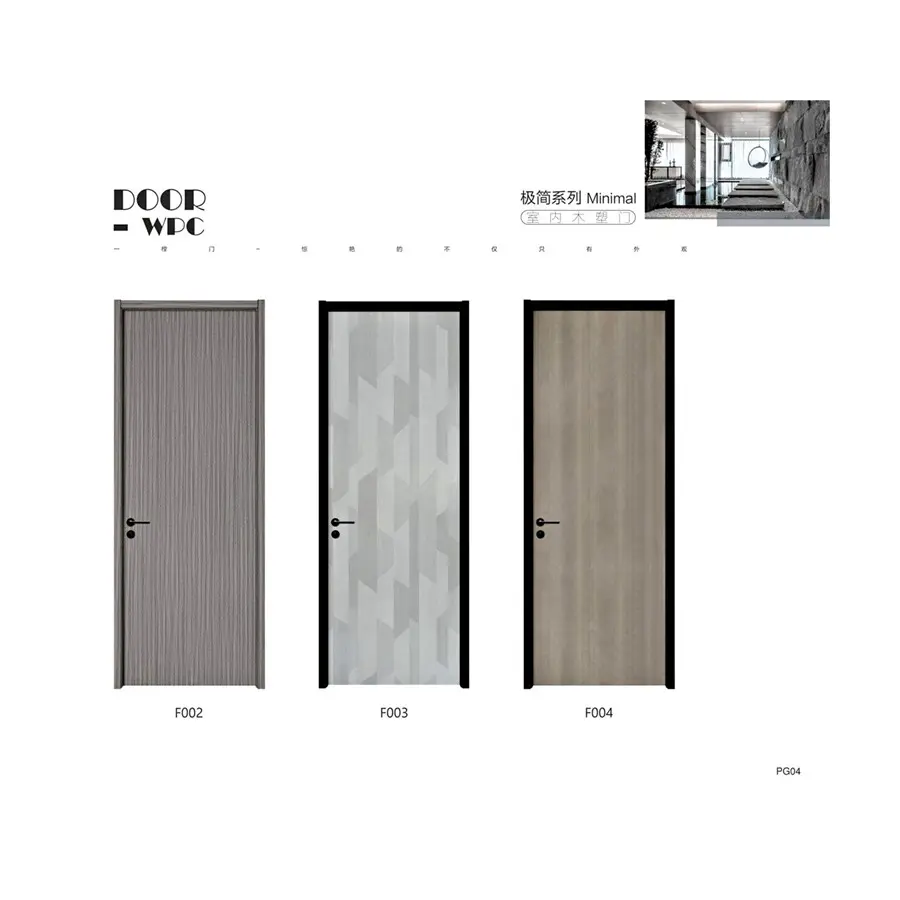
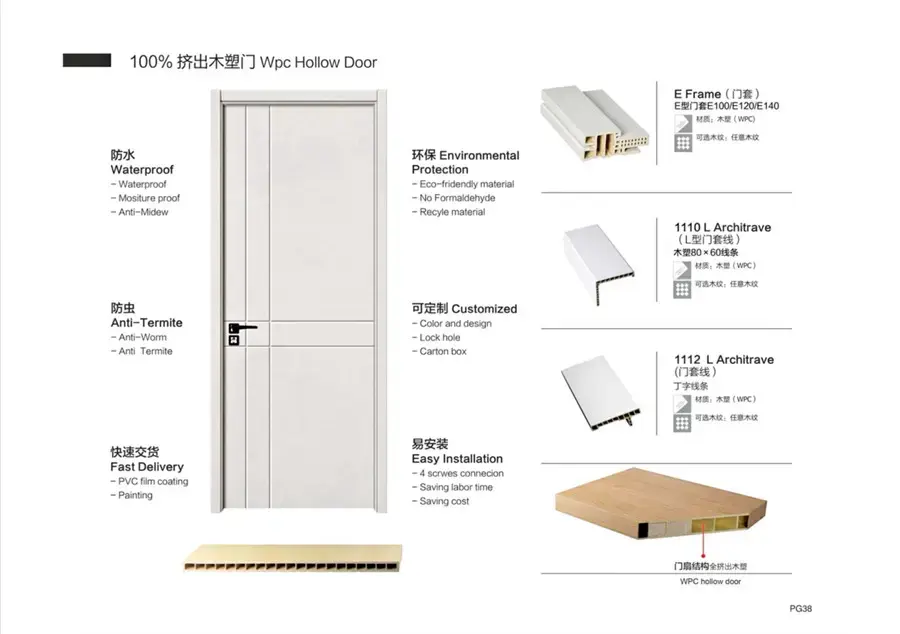
Doors made of different materials bring different textures and temperatures to the space. Solid wood doors are favored by many families for their natural texture and sturdiness, as they can create a warm and natural atmosphere. Composite material doors perform well in terms of stability and anti-deformation, making them suitable for use in various climatic conditions. The application of glass elements in door design enhances light transmission and modernity while maintaining the visual connectivity of the space.
The selection of materials should not only take into account aesthetics but also the usage scenarios. For instance, damp environments require better moisture-proof performance, while frequently passed areas need more wear-resistant surface treatments. Each material has its unique maintenance requirements. Understanding these characteristics can help extend the service life of the door.
The design style integrates with home furnishings
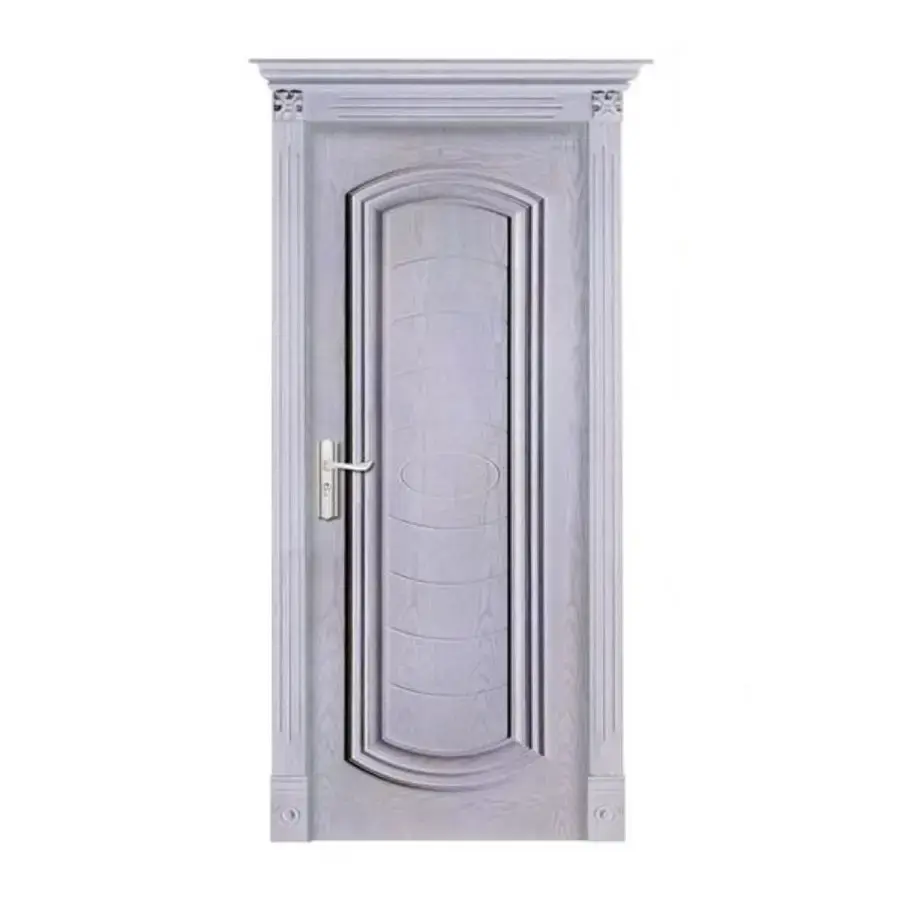
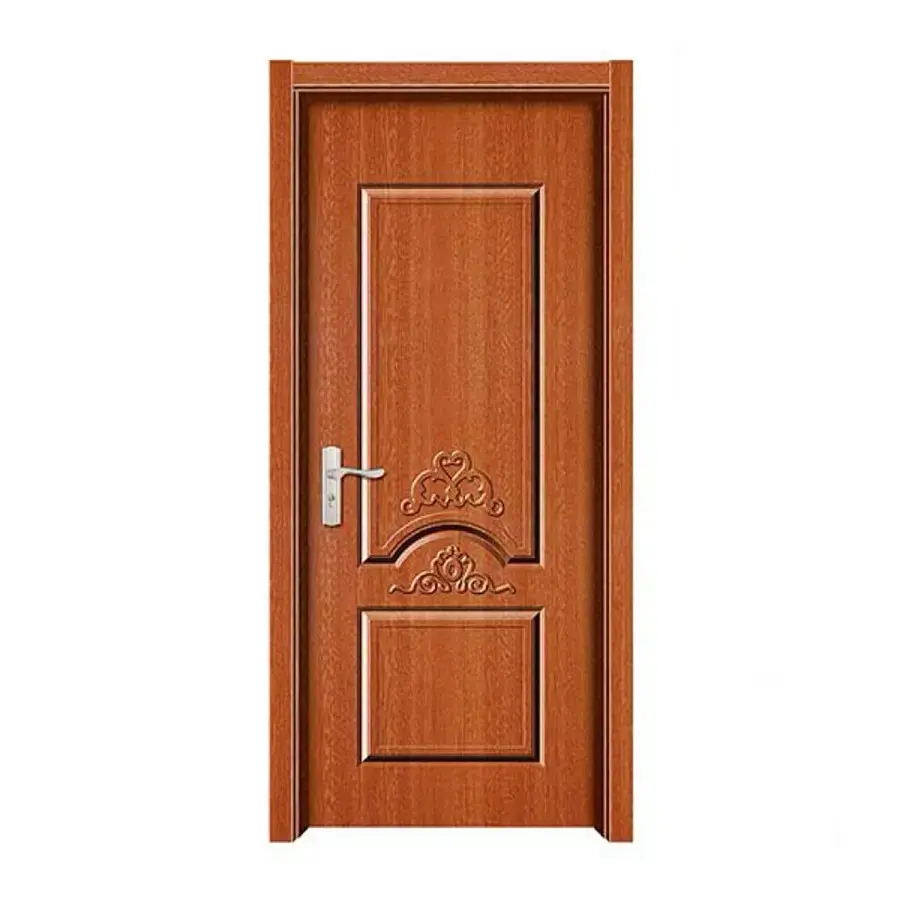
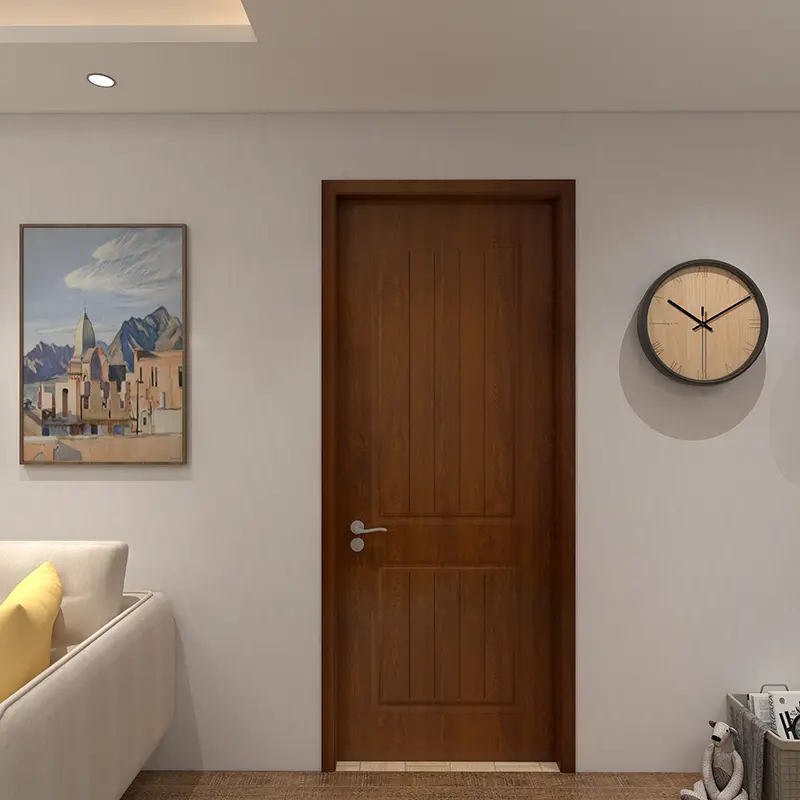
The design of the door should be in harmony and unity with the overall home style. Modern minimalist style usually features simple lines and a single color tone, while traditional style may incorporate more decorative elements and complex details. The design of a door is not only about the choice of appearance, but also involves detailed considerations such as the opening method and hardware Accessories.
Color matching is an important aspect in door design. A door that contrasts with the wall can become the focus of the space, while a door that coordinates with the wall color creates a continuous visual flow. The surface texture and treatment process also affect the overall texture of the door. From a smooth surface to a three-dimensional texture, each choice conveys a different aesthetic language.
Functional and practical considerations
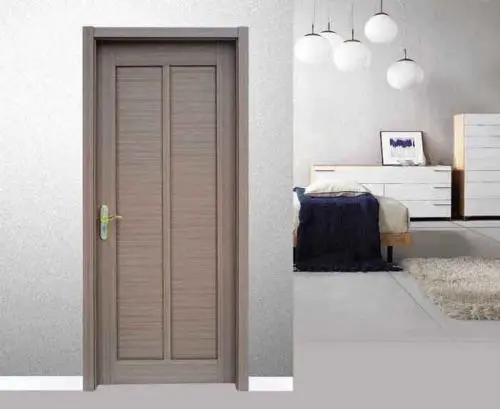
Apart from its aesthetic appeal, the functionality of a door is equally important. Sound insulation performance is an important consideration for bedroom and study doors, while kitchen doors may need better oil fume resistance. Ventilation requirements are also a special consideration for some Spaces. For instance, doors with louver designs can ensure air circulation while maintaining visual privacy.
Safety performance is a basic requirement for doors, including the firmness of the structure and the reliability of the lock. For external departments, heat insulation performance and weatherproofing characteristics also need to be considered to enhance energy efficiency and provide better environmental protection.

Spatial planning and door selection
The size and opening method of the door will affect the efficiency of space utilization. Sliding doors are suitable for areas with limited space, while swing doors need to reserve space for swinging. Folding doors can be fully opened to create an open spatial connection. The size and position of each opening should be carefully considered to ensure the best spatial fluidity and functionality.
In spatial planning, the position of the door determines the direction of the circulation and affects the overall usage experience of the space. A reasonable door layout can create a smooth spatial transition, while an improper arrangement may lead to space waste or inconvenience in use. The design of the door should also take into account the introduction of natural light and the planning of the view.
Details determine quality.
The quality of a door is reflected in the handling of details. The selection of hardware accessories not only affects the appearance, but also relates to the smoothness and durability of use. The load-bearing capacity of hinges, the touch of handles, and the operation feel of locks are all important components of the experience.
The fineness of edge treatment and surface finishing reflects the manufacturing quality. The quality of the sealing strip affects the sound insulation and heat insulation effects, and the design of the threshold is related to the convenience and safety of use. These seemingly minor details collectively determine the overall performance and user experience of the door.
The importance of installation and maintenance
Professional installation is the key to ensuring the normal use of the door. Precise dimensional measurement, level installation and correct gap retention all affect the smoothness of door opening and closing as well as its service life. Sealing treatment during the installation process is also very important, especially for exterior doors, as it is related to energy efficiency and waterproof performance.
Regular maintenance can extend the service life of the door. Doors made of different materials require different care methods, ranging from cleaning techniques to surface protection. Appropriate maintenance can keep the doors looking good and functional. Regular inspection of hardware accessories and sealing strips, and timely adjustment or replacement of worn parts can prevent more serious problems from occurring.
The integration of intelligence and innovation
With the advancement of technology, the design and functions of doors are constantly innovating. Smart door locks offer a more convenient way of security management, and automatic door closers increase the convenience of use. Some innovative materials and applications have also brought new possibilities to door design, enhancing performance while maintaining aesthetics.
These innovations not only enhance the practicality of the door but also bring users a better experience. From manual to automatic, from mechanical to intelligent, the evolution of doors reflects people's continuous pursuit of an improved quality of life.
Conclusion
Doors are the art of connection and separation, finding a balance between openness and closure, and seeking harmony between functionality and aesthetics. Choosing a door is not merely about selecting a product; it is also about choosing a lifestyle and a spatial experience. A good door can stand the test of time and continuously provide reliable service and aesthetic enjoyment in daily use.
As we move between different Spaces, doors silently fulfill their duties, providing security, privacy and comfort. It is not only a component of architecture, but also a witness to the story of life. Every carefully selected door adds unique value to the home environment, making the living space more complete and harmonious.