Various door service providers



Combining Rigidity and Flexibility: How do high-strength transparent steel glass doors achieve the unity of safety and visual transparency?
In modern architectural design, doors are no longer merely tools for space division. They need both the "hardcore" protection against external impacts and the "lightweight" transparency that meets the requirements of space extension and lighting. The emergence of high-strength transparent steel glass doors has broken the binary opposition between safety and aesthetics, and with the characteristic of "combining rigidity and flexibility", it has become the preferred choice in the architectural field. The technological innovation and process upgrading behind it are precisely the key to achieving this balance.
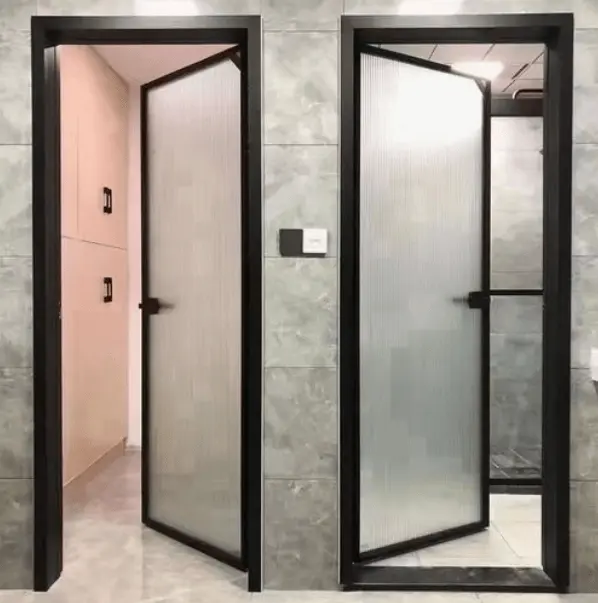
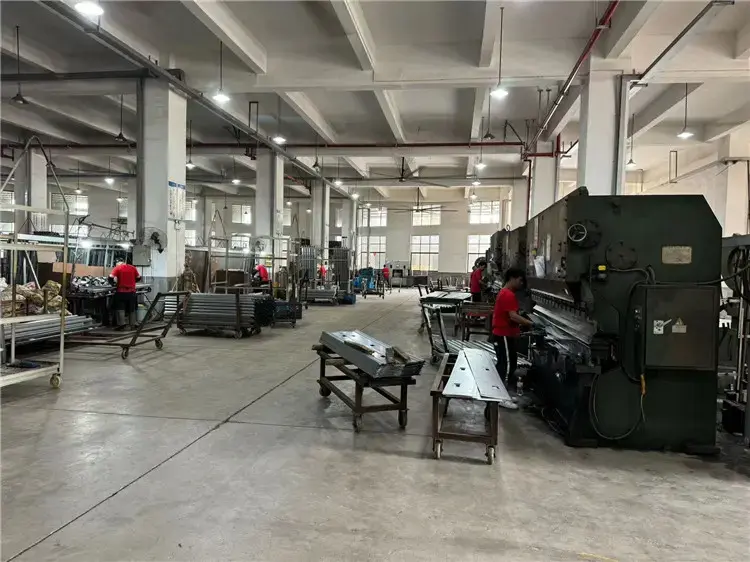
The core of "rigidity" stems from the scientific proportioning of material combinations. The load-bearing frame of this type of door is made of high-strength steel and undergoes precise heat treatment processes. While maintaining a slender structure, its wind pressure resistance level can reach above level 9. Even in the face of coastal typhoons or strong winds at high altitudes, it can still maintain structural stability. Unlike traditional heavy steel frames, modern craftsmanship optimizes the cross-sectional design of steel, enhancing strength while significantly reducing the width of the frame, minimizing visual obstruction and reserving space for a sense of transparency.
The safety performance of the glass part depends on the innovation of the composite structure. Most products are made of multi-layer laminated tempered glass, with polyvinyl acetal (PVB) film as the interlayer, and are formed through high-temperature and high-pressure compounding. This structure makes the glass five times stronger than ordinary glass. Even if it breaks due to strong impact, the fragments will be firmly adsorbed by the PVB film and will not fly and hurt people. At the same time, it maintains the integrity of the overall structure and forms a continuous safety barrier. Special treatment processes can also reduce nickel sulfide impurities inside the glass, effectively avoiding the risk of spontaneous breakage.
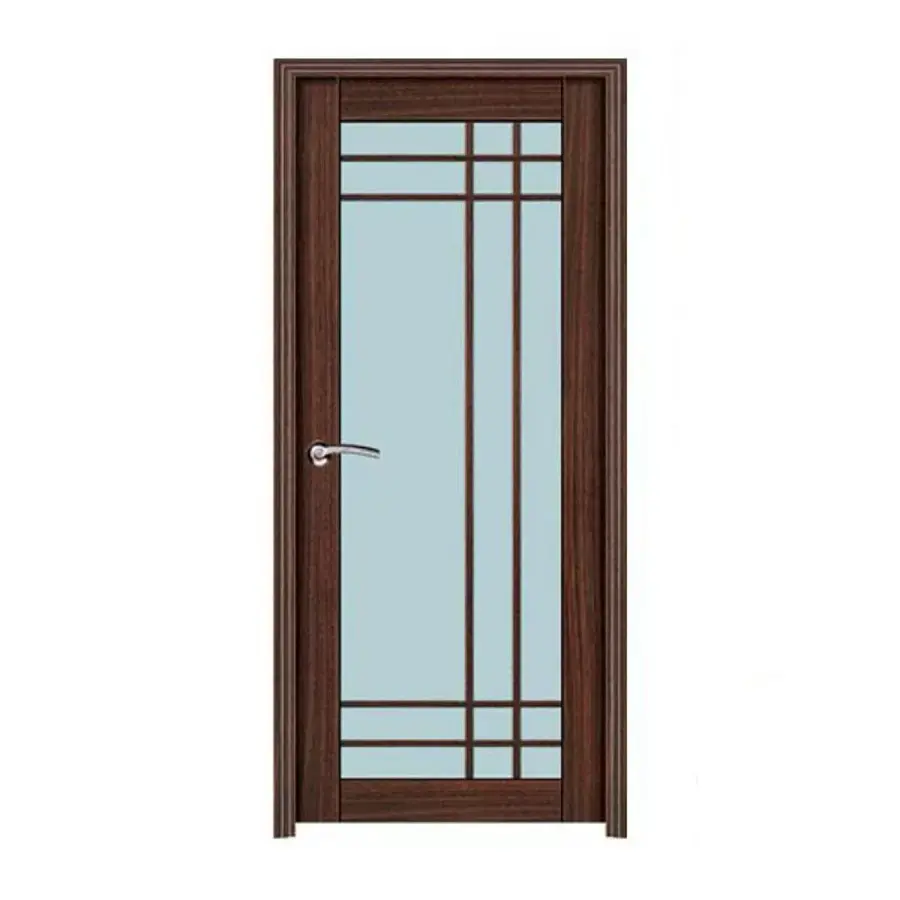
The realization of the transparency of "softness" cannot be achieved without the meticulous refinement of details and craftsmanship. The extremely narrow steel frame design is the core of visual extension. The slender frame is like invisible lines, maximizing the transparency of glass and allowing natural light to freely shuttle through the space. The surface of the glass can be coated with low-emissivity (LOW-E) technology, which ensures a light transmittance of over 85% while filtering out more than 99% of ultraviolet rays. This not only protects indoor furniture from fading but also does not impede the transmission of light.
The unity of safety and transparency is more reflected in the synergy of functionality and aesthetics. The connection between the door frame and the glass adopts invisible hardware fittings, reducing abrupt visual nodes and making the overall shape more simple and smooth. The sealing process selects automotive-grade EPDM rubber strips, which not only enhance the sound insulation and waterproof performance but also do not interfere with the transparency of the glass. This design enables the product to not only meet the security requirements of high-frequency usage scenarios such as shopping malls and office buildings, but also align with the aesthetic pursuit of modern minimalist style.
The combination of rigidity and flexibility of high-strength transparent steel glass doors essentially lies in the integration of building material technology and design concepts. It takes the sturdiness of steel as its backbone and the transparency of glass as its form. It not only solves the functional shortcomings of traditional door furniture but also meets the modern architectural pursuit of spatial aesthetics. In the current era that emphasizes safety and quality, such products that balance practicality and aesthetics are becoming an important element in reshaping spatial experiences.