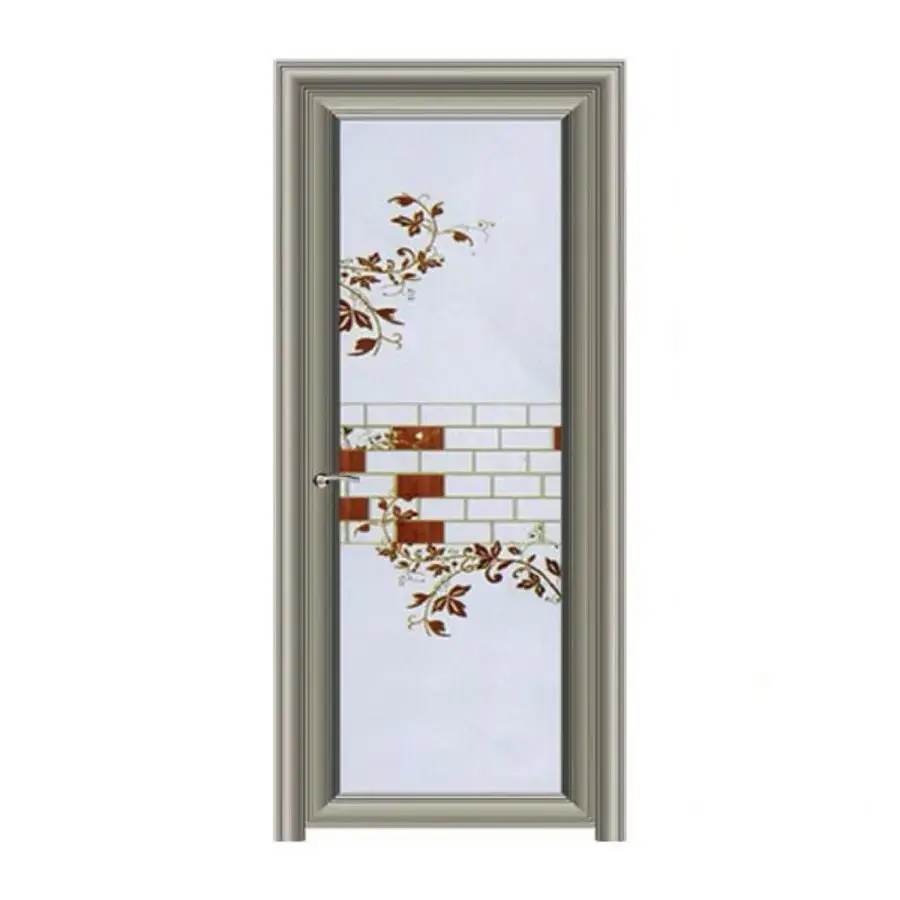
Various door service providers
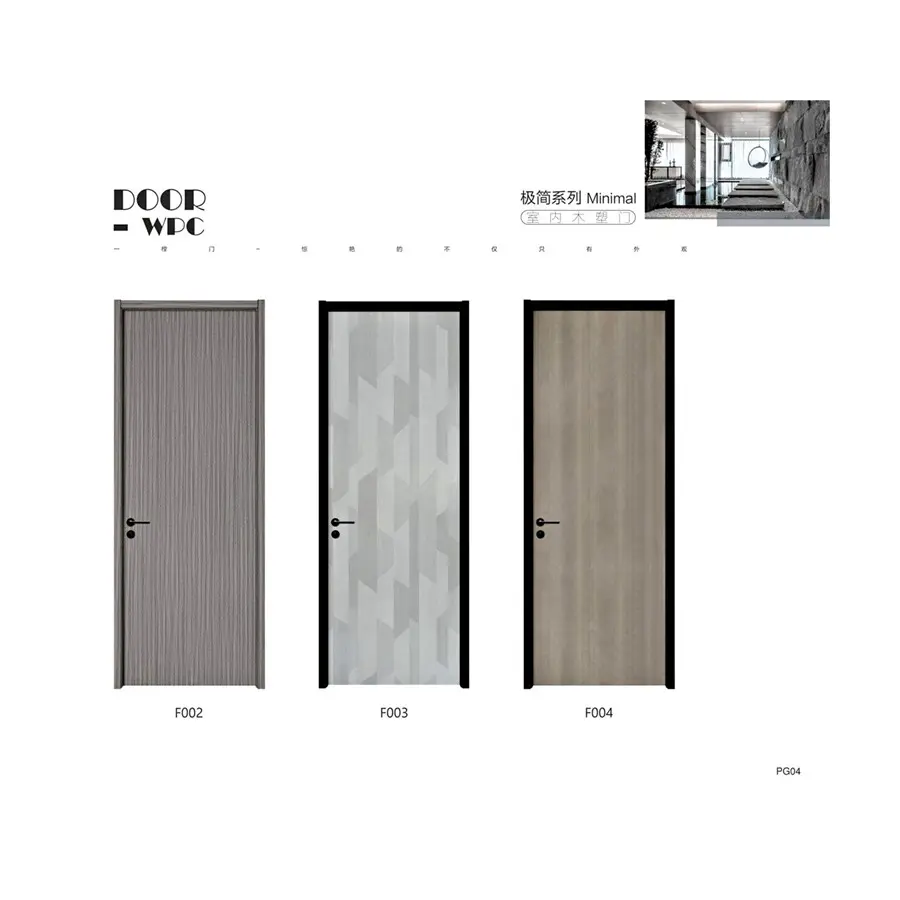
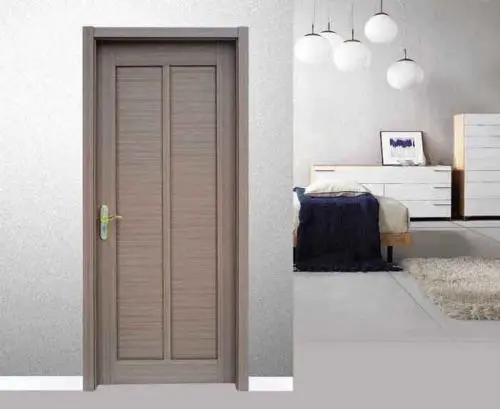
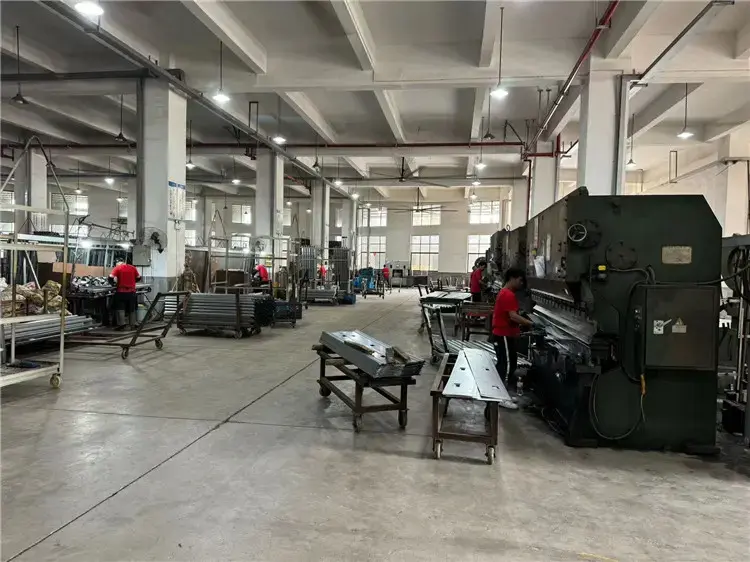



Choosing the Right Aluminum Alloy Doors: Hardness Class Explained
In the fields of architecture and interior design, aluminum alloy doors are highly favored for their light weight, corrosion resistance and modern aesthetic appeal. However, many purchasing decision-makers may overlook one key factor: hardness. Hardness directly affects the durability, impact resistance and overall lifespan of a door. For you who are seeking a reliable supplier, it is crucial to understand the hardness classification of aluminum alloy doors. This not only helps ensure product quality, but also avoids additional costs caused by material defects. This article will take you on a deep dive into the basic knowledge of the hardness of aluminum alloy doors, using plain language and a professional perspective to help you make a wise purchasing choice.
Why is hardness so important in aluminum alloy doors?
Hardness is the ability of a material to resist local deformation or indentation, and is usually measured through standard tests such as Brinell hardness or Vickers hardness tests. For aluminium alloy doors, hardness is directly related to their scratch resistance, dent resistance and wear resistance. Imagine that a door might encounter frequent opening and closing, accidental collisions or bad weather conditions during daily use. If the hardness is insufficient, the surface of the door is prone to scratches or deformation, which affects its appearance and safety. Conversely, excessively high hardness may make the material brittle, leading to cracking problems. Therefore, balance is key - choosing the appropriate hardness rating can ensure that the door remains stable in various environments.
The hardness of aluminium alloy mainly depends on its alloy composition and heat treatment process. For instance, common aluminum alloy series such as 6061 or 6063 can significantly enhance hardness by adding elements like magnesium and silicon and undergoing T5 or T6 heat treatment. Data shows that after proper heat treatment, the typical Brinell hardness of 6061 aluminum alloy can reach 95-100 HB, while that of untreated similar materials may only be around 60 HB. This difference means a longer service life and lower maintenance requirements in practical applications. For the purchaser, inquiring about the alloy type and heat treatment status from the supplier is the first step in assessing the reliability of the product.
Common hardness classification systems and their meanings
In the aluminum alloy industry, hardness classification is usually based on international standards such as ISO or ASTM. These systems help unify measurement methods and facilitate global comparisons. The following are some basic classification concepts for your reference:
H series classification: This represents the work-hardened state and is commonly found in non-heat-treated aluminum alloys. For instance, H18 indicates that the material has undergone high work hardening and possesses relatively high hardness (but low ductility). It is suitable for door frames that require high surface hardness, but attention should be paid to the brittleness problem that may occur in high-pressure environments.
T series classification: This involves heat treatment states, such as T5 or T6. T6 condition indicates that the material has undergone solution treatment and artificial aging, usually providing the best comprehensive performance - high hardness and good toughness. For instance, 6063 aluminum alloy treated with T6 can achieve a Vickers hardness of 15-20HW, making it suitable for commercial doors that are frequently used.
Numerical indicators: Hardness values are usually expressed as Brinell hardness (HB), Vickers hardness (HW), or Rockwell hardness (HR). Generally speaking, residential doors may require HB above 70, while commercial or industrial doors may need HB over 100 to withstand more stringent conditions.
Understanding these classifications doesn't require you to be a materials expert, but it can help you ask more precise questions when inquiring about prices. For instance, you can ask the supplier: "Is the aluminum alloy used in this door in the T6 treated state?" How was the hardness test result?" Such conversations can demonstrate your professionalism and promote more transparent cooperation.
How to choose the appropriate hardness based on the application scenario?
When choosing the hardness of aluminum alloy doors, the specific application environment should be taken into consideration. For instance, the entrance door of a residence may not require extremely high hardness, but it should pay attention to its resistance to weathering. In high-traffic areas of commercial buildings, such as office buildings or hospitals, higher hardness is required to cope with frequent use and potential impacts. Data shows that in damp or coastal areas, doors with higher hardness (such as HB 90-110) can better resist salt spray corrosion and extend the product's lifespan.
In addition, hardness is closely related to the structural design of the door. If the hardness of a beautifully designed aluminum alloy door does not match, it may become loose or make noise after installation. It is recommended to assess the expected load, climatic conditions and safety requirements of the project before procurement. For instance, for doors that require sound insulation and heat preservation, medium-hardness aluminum alloys (such as HB 80-95) might be more suitable as they can balance strength and processability.
Finally, don't forget the reliability of the hardness test. Many high-quality suppliers will provide third-party certified hardness reports to ensure the authenticity of the data. As the purchaser, you can request to review these documents to verify whether the products comply with international standards such as ASTM B221 or EN 755.
Mastering the hardness classification of aluminum alloy doors not only gives you more confidence during the purchasing process, but also enables you to choose more durable and economical products for your project. Remember, hardness is not an isolated factor - it is closely related to the overall properties of aluminum alloys, such as strength and corrosion resistance. By paying attention to these details, you can avoid common pitfalls and establish long-term supplier relationships.
If you have any questions during the procurement process, you are welcome to have an in-depth discussion on the relevant technical parameters. Choosing the right door not only enhances the aesthetic appeal of the space but also brings tangible returns to your business. Keep exploring more resources to ensure that your next project is based on solid data and expertise.