



Various door service providers



Balance between Cost and Performance: Demand Analysis of High Cost-Performance HDF Molded Doors and Melamine Doors in Emerging Markets
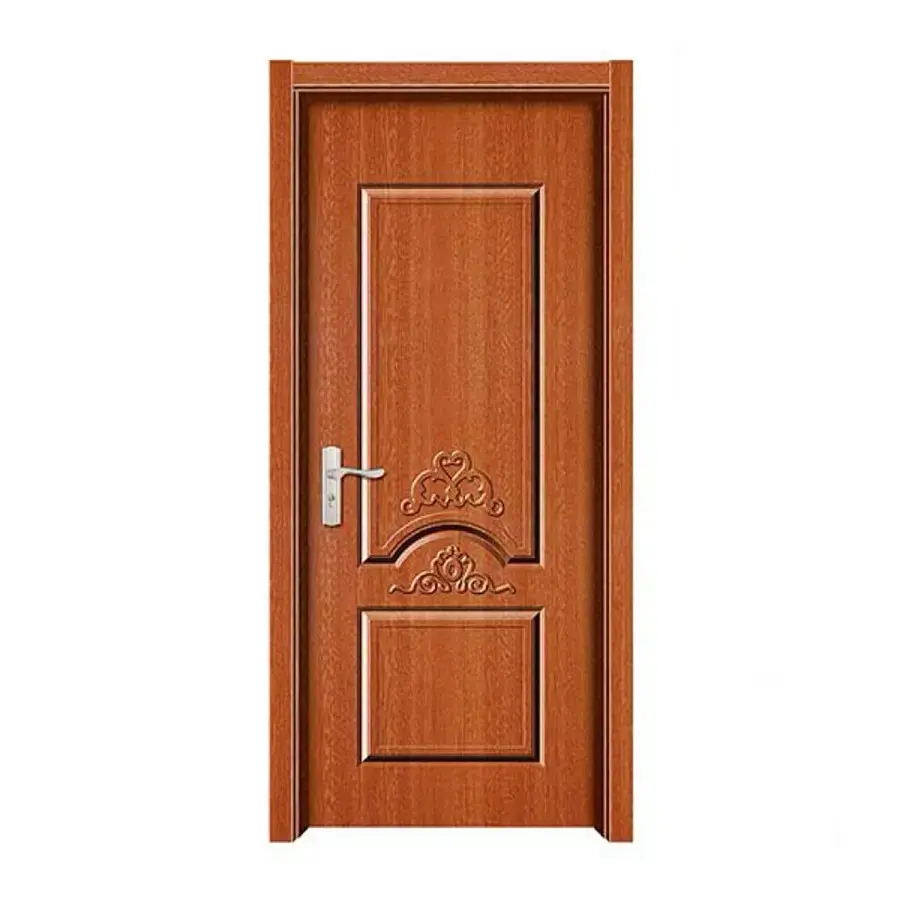
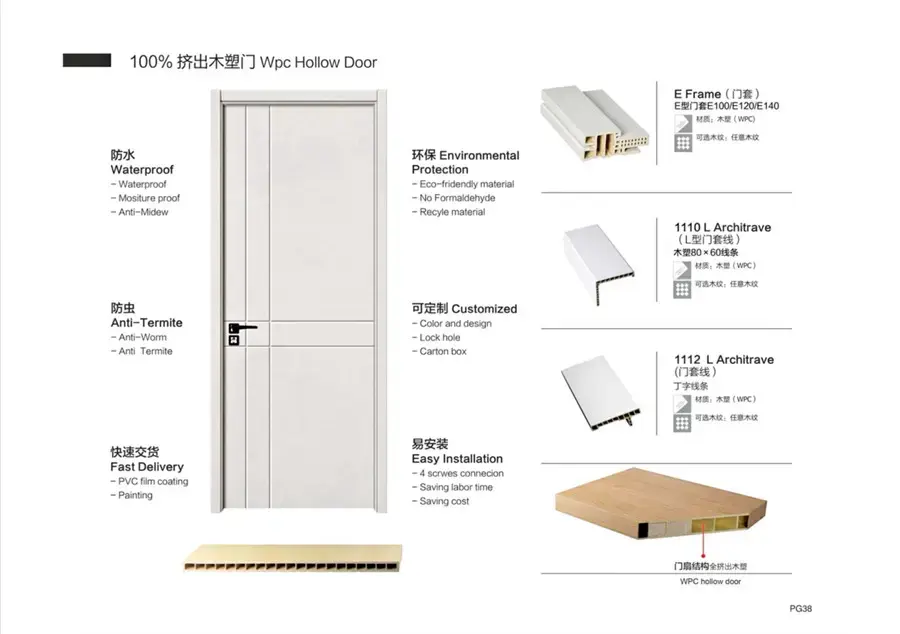
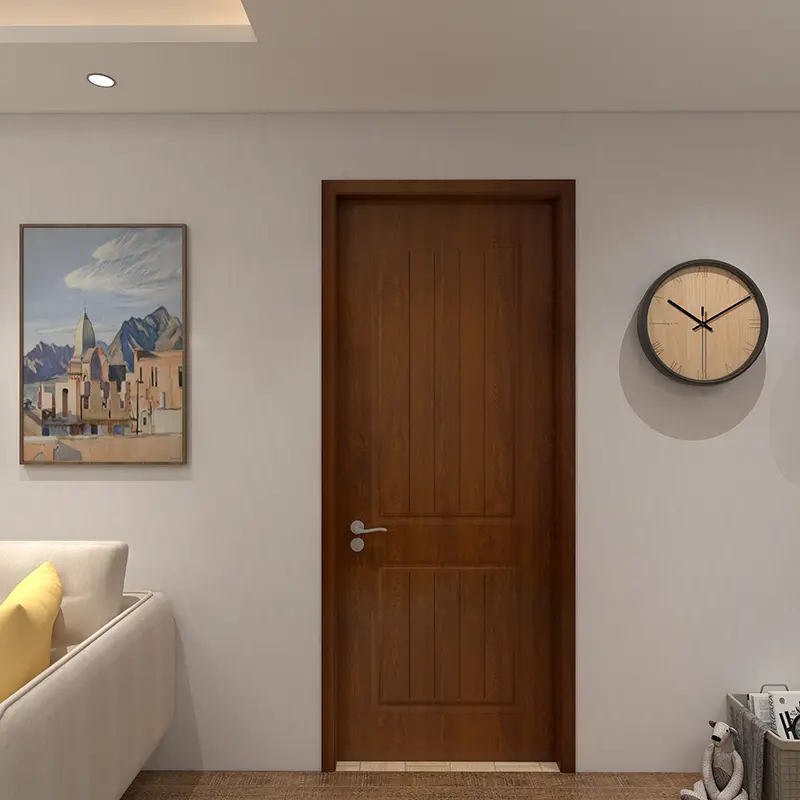
Against the backdrop of the rapid development of the global construction industry, the demand for cost-effective interior door solutions in emerging markets continues to grow. Among them, HDF (high-density fiberboard) molded doors and Melamine Doors have become the preferred choices for residential, commercial and public building projects due to their excellent cost-effectiveness, durability and aesthetic appeal. These types of products not only meet the market's demand for economic practicality, but also perform outstandingly in terms of design flexibility, environmental protection performance and long-term stability in use. This article will delve into the demand drivers of these two types of doors in emerging markets and analyze how they can achieve the best balance between cost control and performance optimization.
First, the driving factors of demand for economic categories in emerging markets
1. Accelerated urbanization and the demand for residential construction
Emerging market countries (such as Southeast Asia, the Middle East, Africa and Latin America) are experiencing rapid urbanization processes, with a large number of people moving to cities, driving the rapid growth of residential and commercial real estate. Against this backdrop, the demand from building developers and end users for reasonably priced and reliable quality door products has soared. HDF molded doors and melamine doors have become ideal choices for large-scale housing projects due to their cost advantages in large-scale production.
2. Budget constraints and material economic considerations
In projects with limited budgets, procurement decisions often tend to favor the solution with the best cost performance. Compared with solid wood doors or high-end composite doors, HDF molded doors and melamine doors significantly reduce material costs while maintaining a good appearance and functionality. This makes them a common choice for public facilities such as schools, hospitals and office buildings, and they are also applicable to the mid-to-low-end residential market.
3. Design diversity and decoration requirements
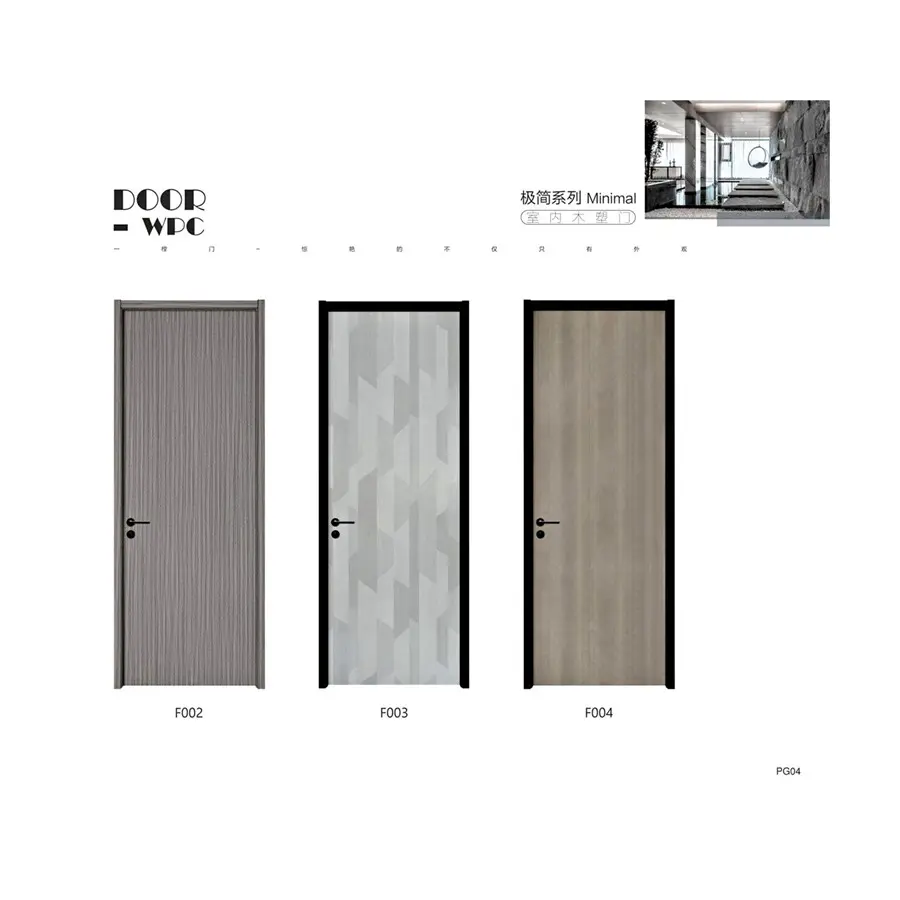
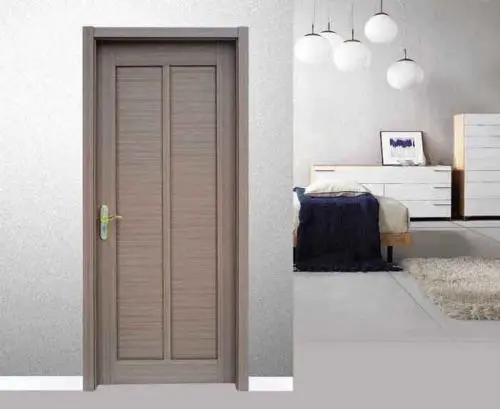
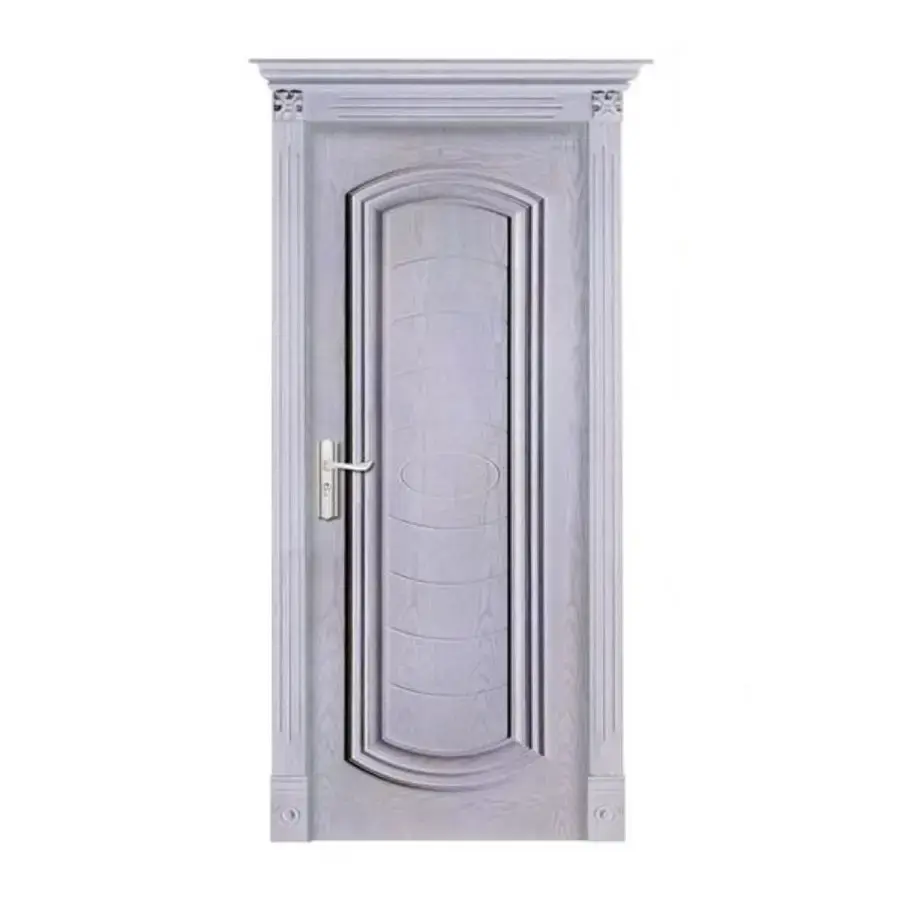
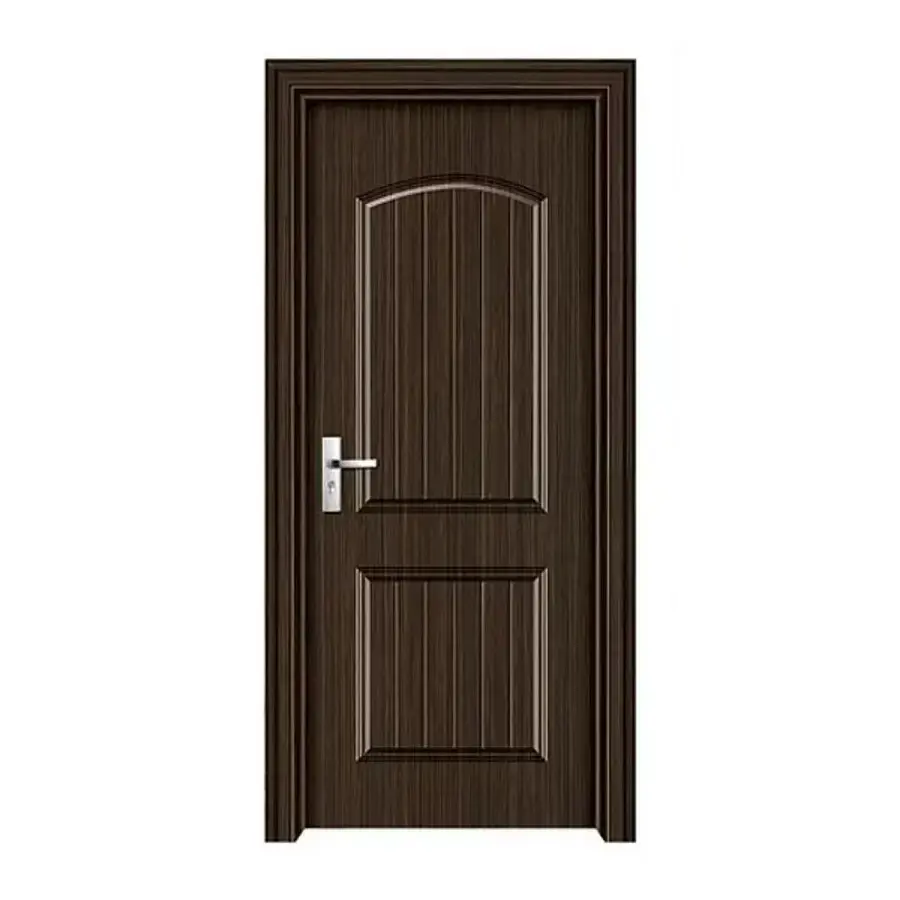
Modern architecture not only focuses on functionality but also pays attention to aesthetic expression. HDF molded doors, through high-precision embossing technology, can simulate the texture of natural wood, while melamine doors offer a wide range of surface decoration options, including wood grain imitation, stone grain and solid color designs. This high decorative quality at a low cost makes it highly favored in projects that pursue a balance between aesthetics and budget.
Second, the core advantages of HDF molded doors
1. Structural strength and durability
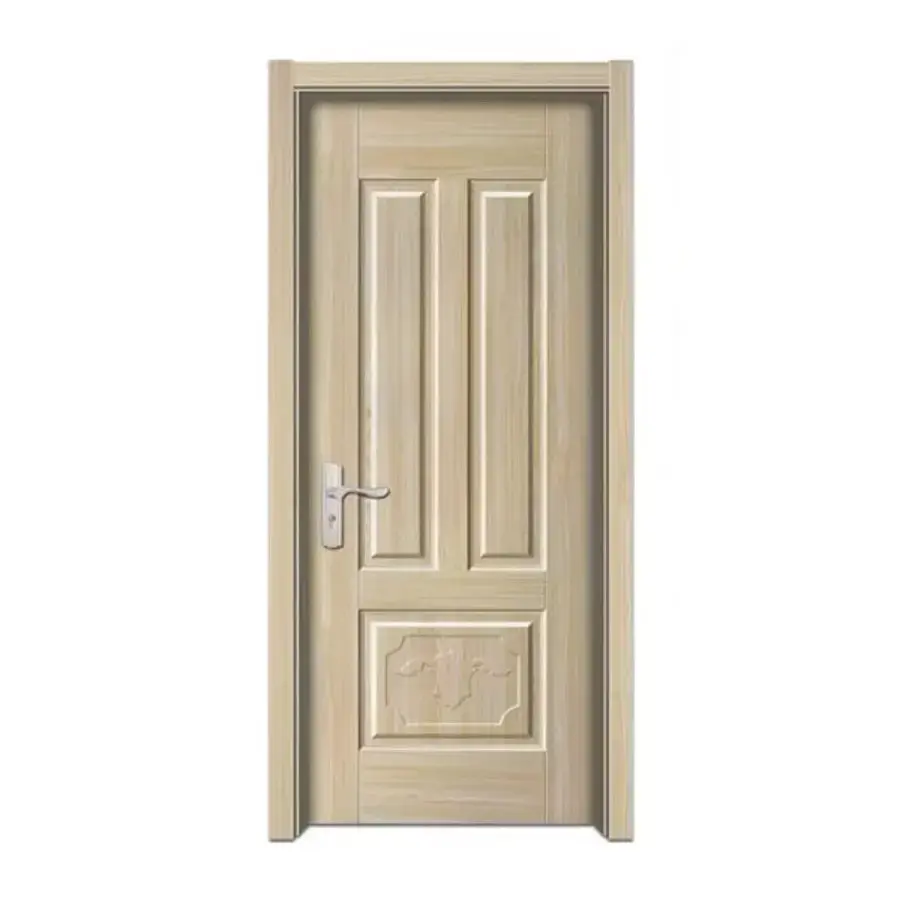
HDF molded doors are made of high-density fiberboard as the core material and are pressed under high temperature and high pressure. They have a higher density and better resistance to deformation. Compared with ordinary MDF (medium-density fiberboard), they are more moisture-resistant and impact-resistant, making them suitable for emerging market environments with high humidity or variable climate.
2. Cost-effectiveness and large-scale production
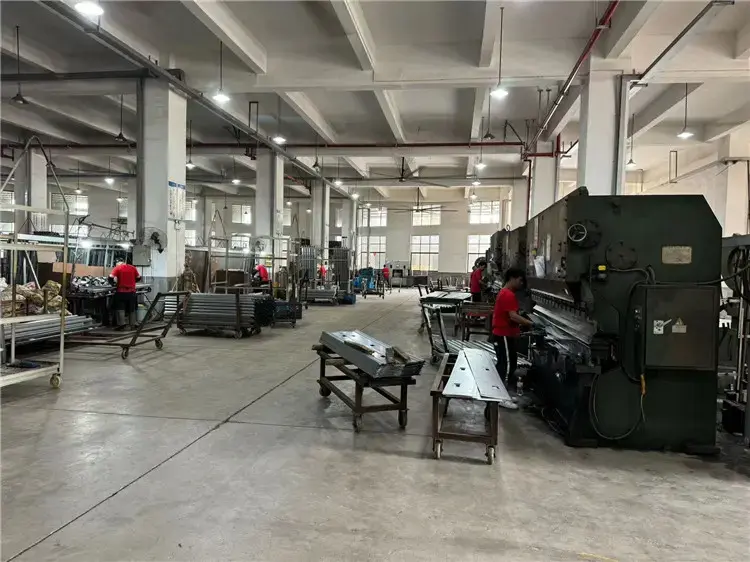
Due to the standardized production process of HDF material, molded doors can be mass-produced on a large scale, reducing the manufacturing cost per piece. Meanwhile, its integrated structural design reduces the reliance on additional hardware Accessories, further optimizing the overall cost.
3. Environmental Protection and Sustainability
HDF molded doors typically use eco-friendly resin adhesives, meeting international environmental standards (such as FSC certification), and have a relatively low waste rate during the production process, which aligns with the emerging market's preference for green building materials.
Third, the market competitiveness of melamine doors
1. Surface decoration and wear resistance
The core advantage of melamine doors lies in their film coating technology. The surface is covered with melamine impregnated paper, which has extremely strong wear resistance, scratch resistance and anti-stain performance, and is suitable for high-traffic areas (such as offices and shopping malls). Meanwhile, its rich color and texture options can meet diverse design requirements without the need for additional coating.
2. Easy to clean and with low maintenance costs
Compared with traditional painted doors or solid wood doors, the smooth surface of melamine doors is less prone to dust accumulation. Daily cleaning only requires simple wiping, significantly reducing long-term maintenance costs. This feature makes it widely popular in places with high hygiene requirements such as schools and hospitals.
3. Balance between economy and functionality
Melamine doors, while maintaining a high level of decorative quality, are much cheaper than natural wood doors or high-end PVC doors, making them the preferred choice for budget-sensitive projects. In addition, its stable physical properties (such as anti-deformation and moisture-proof) further enhance its applicability in emerging markets.
Fourth, the future trends of high cost-performance categories in emerging markets
1. Modular and standardized production
As the construction industry's requirements for construction efficiency increase, the demand for door products with standardized dimensions and modular designs is growing. HDF molded doors and melamine doors, due to their prefabricated and easy-to-install characteristics, can shorten the construction period and reduce labor costs.
2. Intelligence and functional integration
Some emerging markets have begun to explore the intelligent upgrade of door types (such as integrated door locks, sound insulation layers, etc.), and HDF molded doors and melamine doors, due to their structural stability, can serve as the basic carriers of intelligent door systems, with huge market potential in the future.
3. Export-oriented and Global Supply Chain Optimization
Many emerging market countries (such as India, Vietnam, and Brazil) are becoming new production bases for door products, leveraging localized HDF and melamine material supply chains to reduce production costs and enhance global competitiveness.
In emerging markets, cost control and performance optimization are the core considerations for the procurement of category products. HDF molded doors and melamine doors have successfully met the demands of large-scale residential, commercial and public buildings with their high cost performance, durability, design flexibility and environmental friendliness. With the advancement of urbanization and the improvement of building standards, these two types of products will continue to occupy an important position in the global mid-to-low-end market and provide sustainable business opportunities for manufacturers and purchasers in the supply chain.
For customers seeking an economical, practical, aesthetically pleasing and durable door solution, HDF molded doors and melamine doors are undoubtedly the best choices to balance budget and quality.