



Various door service providers
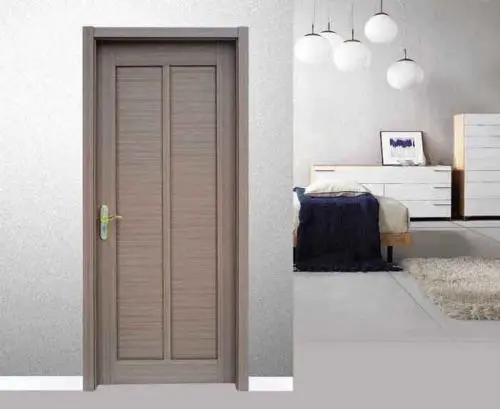

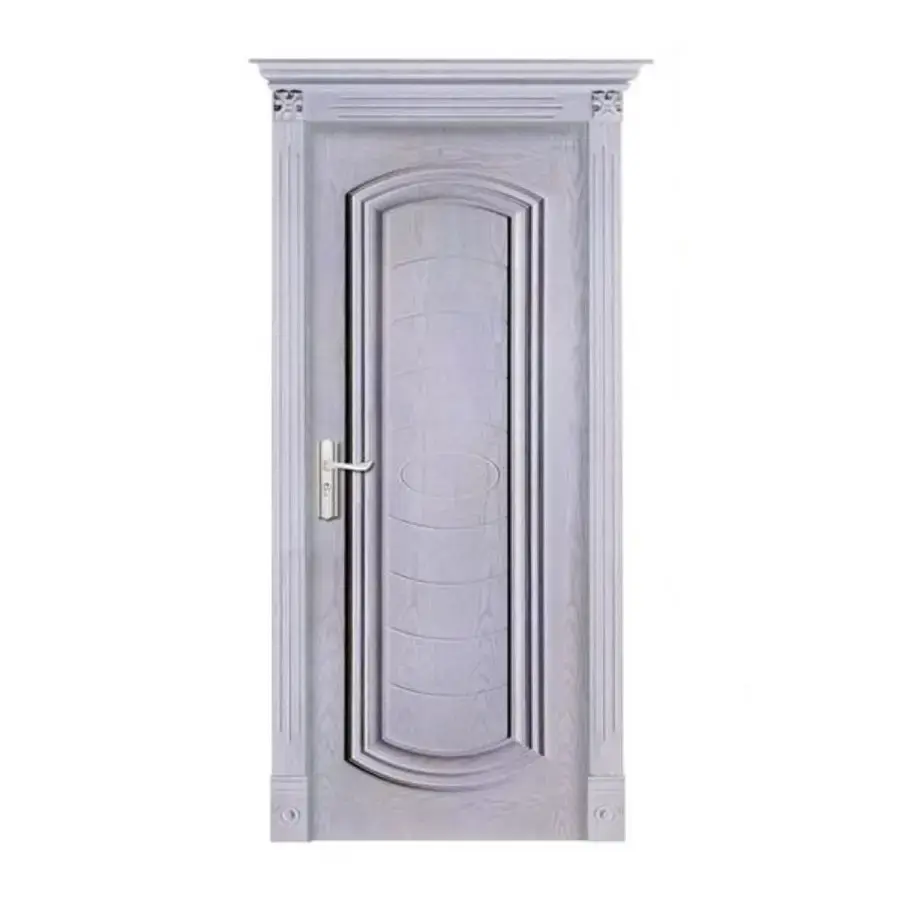
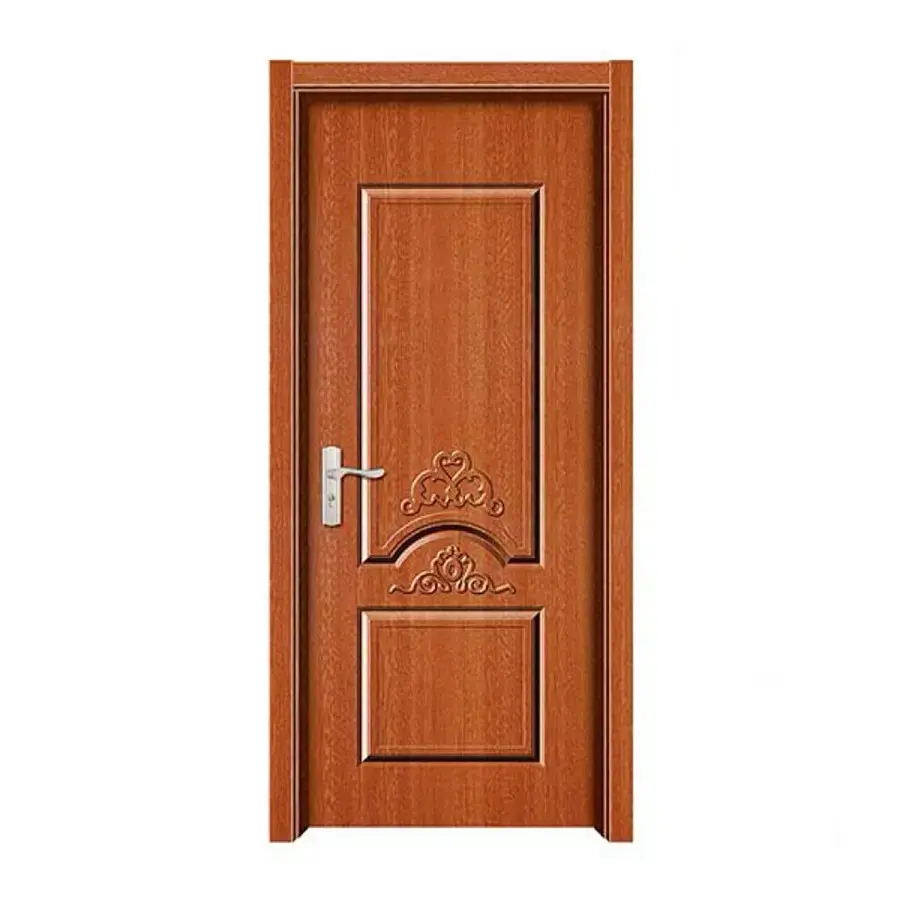
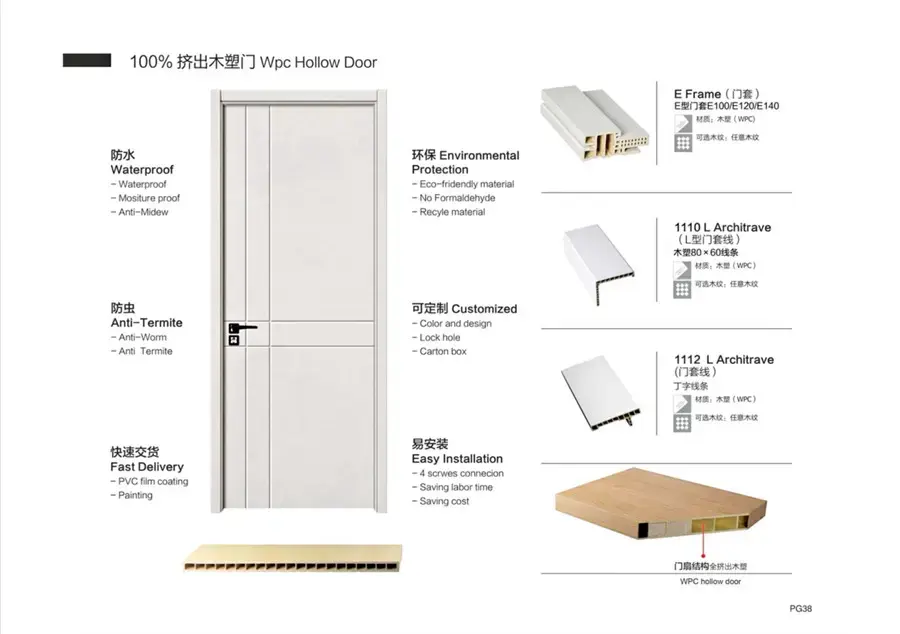


Analysis of the Global Wooden Door Market Size in 2025: Growth Rate and Regional Distribution Trends
Against the backdrop of the continuous evolution of global architectural and interior decoration demands, Wooden Doors, as core building materials that combine functionality and aesthetic value, are now experiencing a new round of growth opportunities in their market landscape. According to industry observation and trend prediction, the global wooden door market size is expected to continue its steady expansion trend in 2025. The differentiated characteristics of regional distribution have also sketched out clear strategic coordinates for participants in each link of the industrial chain. For enterprises focusing on the supply of high-quality wooden doors, understanding this trend not only enables them to grasp the market pulse but also provides directional guidance for precisely matching demands.
First, the Global Wooden Door Market in 2025: Growth Drivers and Core Logic
From the perspective of growth, the global wooden door market is expected to maintain a medium-high growth rate in 2025, with a compound annual growth rate (CAGR) likely to remain within the range of 4% to 6%. Behind this growth rate lies the interwoven driving force of multiple factors: on the one hand, the global urbanization process is deepening, especially in emerging economies, where the demand for standardized and high-quality wooden doors in new residential and commercial Spaces continues to be released; On the other hand, a wave of renovation and transformation of existing buildings has emerged. Consumers' pursuit of personalized and environmentally friendly interior Spaces has driven wooden doors to upgrade from "basic components" to "carriers of spatial aesthetics", indirectly boosting the demand for replacement. In addition, the popularization of the green building concept has increased the market's attention to wooden doors made of low-formaldehyde and recyclable materials, further expanding the space for product innovation and market penetration.
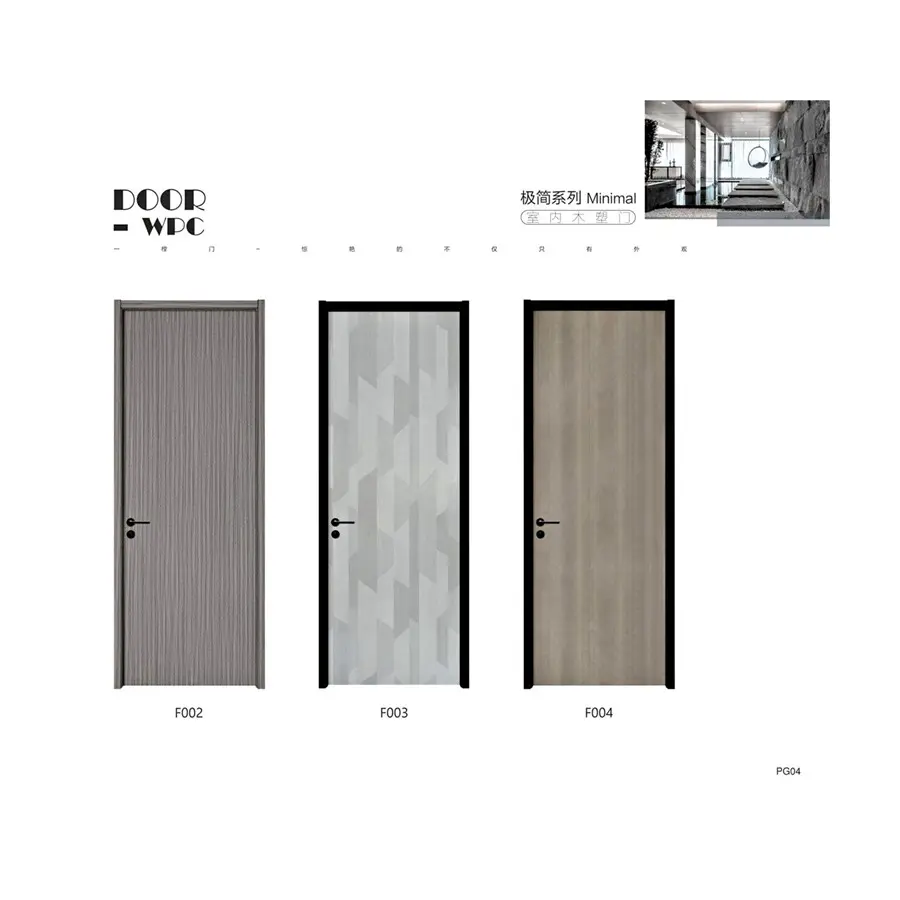
Second, regional distribution: A differentiated map of demand hotspots
The regional pattern of the global wooden door market features "multi-pole interaction and each with its own focus". The growth logic and demand preferences of different regions reflect the unique imprints of local architectural culture and industrial ecology.
Asia-pacific region: Leading in scale, diverse demands drive growth together
As the world's largest consumer market for wooden doors, the Asia-Pacific region's market share may exceed 45% by 2025, with the core driving force coming from the rapid urbanization in China and Southeast Asia. Taking the Yangtze River Delta and Pearl River Delta urban agglomerations in China as examples, the dense construction of high-end residential and commercial complexes has given rise to the demand for solid wood composite doors with strong sound insulation and prominent design sense. In Southeast Asian cities such as Jakarta and Bangkok, under the hot and humid climate conditions, bambus-wood composite doors with excellent moisture-proof and insect-proof performance are more favored - these products can better adapt to high-temperature and high-humidity environments, extend their service life while reducing maintenance costs.
Europe: High-end customization dominates, and green attributes become the key
The European market is renowned for its meticulous cultivation, and its share is expected to remain stable at around 25% by 2025. Nordic countries such as Sweden and Norway, due to their emphasis on sustainable architecture, tend to choose FSC-certified Solid Wood Doors. Their natural textures and low-carbon attributes are highly consistent with local environmental protection regulations. In Southern Europe, Italy and Spain place more emphasis on artistic expression. Hand-carved and retro lacquered solid wood doors are commonly seen in historical district renovation projects, which not only preserve the architectural cultural genes but also meet modern living aesthetics.
North America: The main focus is on stock renewal, and the demand for functional integration is prominent
The growth momentum of the North American market (especially the United States) stems from the renovation of existing homes, and its share may reach 20% by 2025. As most families have completed their basic decoration, consumers are more concerned about the additional functions of wooden doors. For instance, silent doors that are compatible with smart home systems (to reduce the interference of opening and closing noise on home and office work) and composite doors with insulation layers (to cope with low temperatures in winter) have become popular choices. In regions with heavy snowfall in winter such as Vancouver, Canada, this type of functional wooden door can also reduce indoor heat loss and indirectly lower heating energy consumption.
The Middle East and Africa: Emerging markets are on the rise, and the demand for weather resistance is prominent
Although the current share is less than 10%, the Middle East and Africa are regarded as potential areas for the future. In places like Dubai and Doha in the Middle East, large-scale infrastructure projects (such as hotel clusters and exhibition centers) have a strong demand for high-temperature resistant and sand-resistant metal-wood composite doors. In cities like Lagos and Cape Town in Africa, due to the dry and rain-scarce tropical savgrassland climate, locally produced lightweight wooden doors (which reduce transportation costs) are more likely to open up the market. Moreover, the abundant local wood resources also provide convenience for supply chain collaboration.
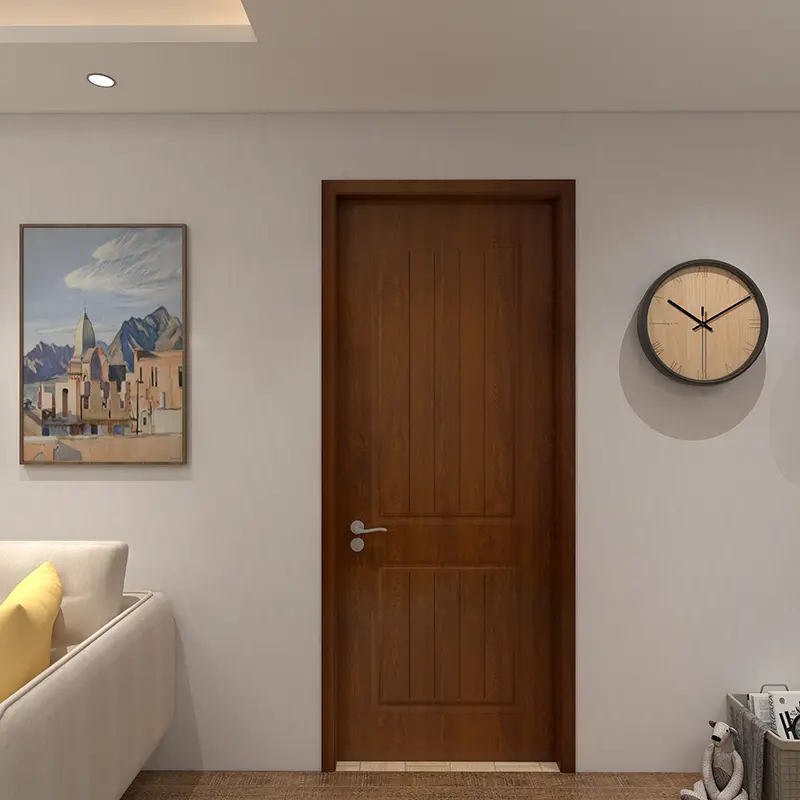
Third, implications for the supply side: Anchor value with regional insights
The growth of the global wooden door market is not a homogeneous diffusion but is deeply bound to regional characteristics. For suppliers committed to expanding their overseas business, understanding the pain points of different regions (such as moisture-proofing in Asia-Pacific, environmental protection in Europe, and functional integration in North America), and optimizing product design, material selection, and scene adaptation capabilities in a targeted manner, is the key to building trust and facilitating cooperation. For instance, for suppliers in the Southeast Asian market, the stability test data of the products in a humid and hot environment can be strengthened. For solutions targeting European customers, the sustainability certification of materials and the cultural heritage of craftsmanship can be highlighted.
When the language of architectural space transcends national boundaries, wooden doors are not only physical media for separation and connection, but also concrete expressions of culture and needs. The global market landscape for 2025 is awaiting suppliers who have a better understanding of regions and are more proficient in quality to write a new chapter. And we are ready to provide global partners with solutions that meet their needs with our profound insights into trends.