What are Wooden Solid Doors Featured at the 139th Canton Fair?
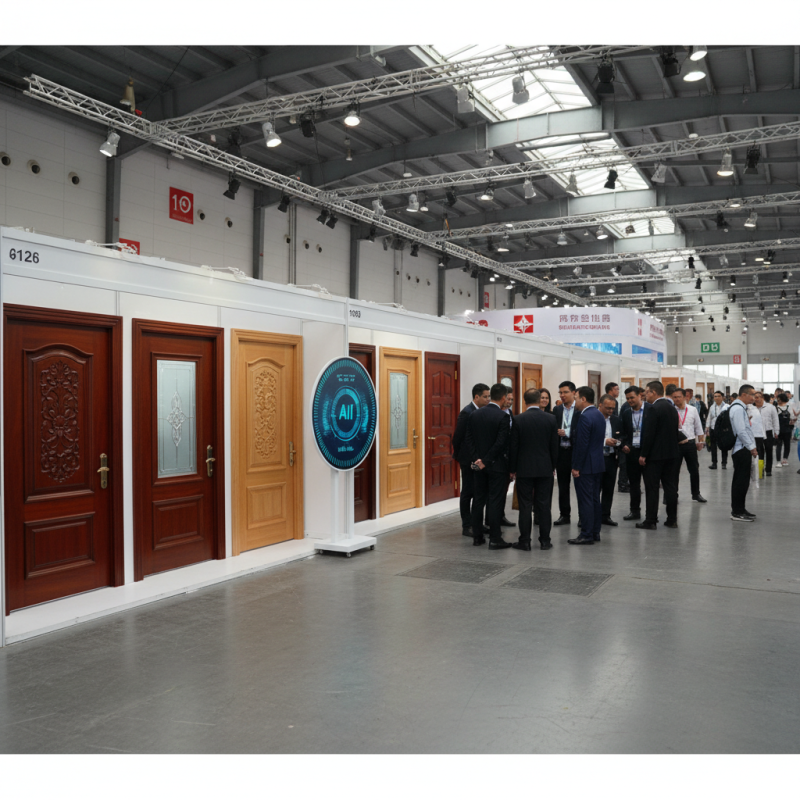
The 139th Canton Fair showcases a variety of products, including Wooden Solid Doors. This event is a key platform for suppliers and buyers. It highlights the importance of quality craftsmanship and innovative design in wooden doors.
Wooden Solid Doors stand out for their durability and aesthetic appeal. These doors often feature intricate designs and high-quality wood, attracting attention. However, not all products meet the expected standards. Some lack the finishing touches that define true craftsmanship. Visitors may find it challenging to discern the best options amid a sea of choices.
Moreover, the introduction of AI technology at the Fair aids in navigating this overwhelming selection. Buyers can quickly filter through various suppliers based on certifications like ISO and CE. This improvement enhances purchasing efficiency. Still, it raises questions about dependency on technology. Are buyers missing the opportunity to connect personally with artisans and understand their stories? The exploration of Wooden Solid Doors at the Canton Fair reveals both richness and complexity in the world of manufacturing.
Overview of Wooden Solid Doors Exhibited at the 139th Canton Fair
The 139th Canton Fair showcased a diverse range of wooden solid doors. This event attracted global attention from industry specialists and builders alike. Wooden solid doors remain a staple in construction. They are known for their durability, aesthetic appeal, and eco-friendliness.
Recent industry reports indicate that the market for wooden doors is expected to grow by 4.5% annually. This growth reflects the rising demand for sustainable and stylish elements in residential spaces. At the fair, many exhibitors highlighted innovative designs that blend traditional craftsmanship with modern technology. They showcased doors with intricate carvings and eco-conscious finishes, which resonated well with visitors.
Many attendees noted the challenge of balancing design and function. While aesthetics are crucial, durability must also be prioritized. Buyers are increasingly looking for doors that withstand harsh weather while complementing their interiors. The fair emphasized these conflicting needs—beauty versus practicality. Furthermore, the need for responsible sourcing of materials was a recurring theme, highlighting ongoing discussions about sustainability in the woodworking industry.
Key Features and Innovations in Wooden Solid Door Design
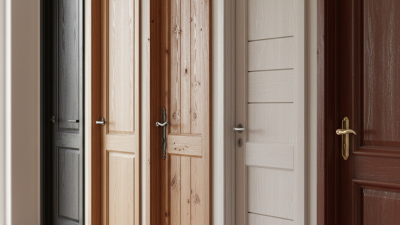
The 139th Canton Fair showcased remarkable innovations in wooden solid door design. Many exhibitors highlighted their commitment to sustainability. They used eco-friendly materials and finishes, ensuring that their doors are both beautiful and responsible. Rich textures and warm tones were prominent, inviting potential buyers to experience the natural beauty of wood.
Some designs featured intricate carvings and patterns, reflecting cultural influences. However, not every design resonated with the audience. Some were criticized for being overly ornate or not practical. Simplicity seemed to appeal more to potential customers. Innovations included soundproofing and enhanced security features. These practical elements are essential in modern living spaces.
Color variations also grabbed attention, with unique stains and natural finishes. However, a few designs felt repetitive. It is crucial for manufacturers to consider not just aesthetics but also functionality. Developing doors that fit various architectural styles is vital. The market demands versatile designs that cater to diverse tastes. As trends evolve, continuous reflection on consumer needs is necessary.
Market Trends Impacting Wooden Solid Door Sales in 2023
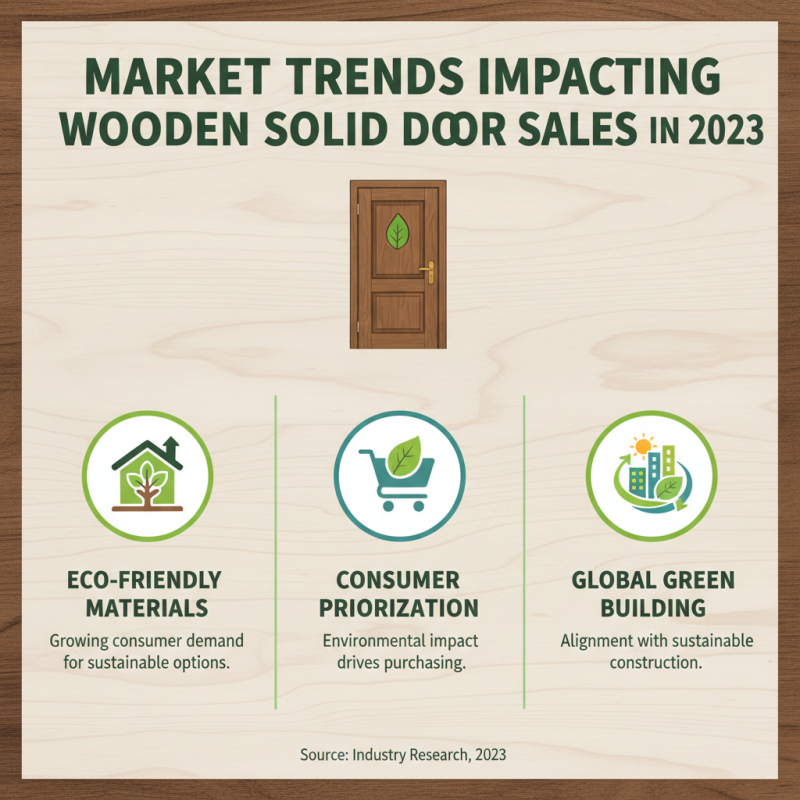
The wooden solid door market in 2023 is evolving. Research indicates a growing demand for eco-friendly and sustainable materials. Consumers are increasingly prioritizing environmental impact in their purchasing decisions. This aligns with the global trend towards green building practices.
In addition, aesthetics plays a vital role. Many buyers are seeking doors that enhance the beauty of their homes. Natural finishes and unique designs are gaining traction. The use of advanced technology improves durability, making solid wood doors a preferable choice. Analysts estimate a 15% increase in sales due to these preferences.
Tips: When selecting a wooden door, consider the finish. Opt for low-VOC options to ensure a healthier indoor environment. Also, pay attention to insulation properties. A solid door can significantly affect energy efficiency.
Economic factors are also influencing sales. Rising raw material costs may lead to higher prices for wooden doors. However, a well-made door can be a long-term investment. Buyers should weigh upfront costs against longevity and maintenance needs.
Comparative Analysis of Materials Used in Wooden Solid Doors
At the 139th Canton Fair, wooden solid doors showcased various materials. The most commonly used woods include oak, maple, and pine. Each type has distinct characteristics. Oak is sturdy and resistant to wear. It's often chosen for its durability. Maple stands out for its beautiful grain and versatile use. Pine, while soft, offers affordability and ease of customization.
Most industry reports indicate that solid wood doors can have a lifespan of over 30 years if maintained properly. However, improper care can quickly diminish this. Moisture can warp wood, leading to significant issues. It's essential to seal edges and consider humidity factors.
**Tip:** Always choose a finish that matches your environment. This not only enhances the door’s appearance but also protects it.
Sustainability is becoming a focus in the industry. Reports suggest that up to 40% of new wood doors now use reclaimed or sustainably sourced materials. This trend is commendable, yet sourcing can sometimes be inconsistent. Understanding where your material comes from is crucial.
**Tip:** Research certifications that indicate sustainable sourcing for peace of mind. Choosing wisely impacts both quality and the environment.
What are Wooden Solid Doors Featured at the 139th Canton Fair? - Comparative Analysis of Materials Used in Wooden Solid Doors
| Material Type |
Density (kg/m3) |
Moisture Resistance |
Cost per Unit ($) |
Durability (Years) |
| Solid Birch |
700 |
High |
150 |
20 |
| Solid Oak |
750 |
Medium |
180 |
25 |
| Solid Maple |
720 |
Low |
160 |
15 |
| HDF (High-Density Fiberboard) |
800 |
Medium |
90 |
10 |
| Plywood |
600 |
High |
110 |
12 |
Environmental and Sustainability Considerations in Door Manufacturing
Wooden solid doors are increasingly popular at trade shows like the 139th Canton Fair. This popularity is driven by growing environmental concerns. The door manufacturing industry is undergoing a significant shift towards sustainability. Reports suggest that about 70% of consumers prefer eco-friendly products. This trend is reshaping how doors are made and marketed.
Sourcing materials responsibly is crucial. Many manufacturers focus on sustainable forestry practices. For instance, using wood from certified forests reduces environmental impact. Yet, challenges remain. Some companies still rely on practices that lead to deforestation. A balance must be struck between supply and ecological responsibility.
Moreover, the production process also plays a role. Water-based finishes are becoming the norm. These finishes emit fewer volatile organic compounds (VOCs) compared to traditional methods. However, not all manufacturers are transitioning to these healthier options. This creates a gap in sustainability practices within the industry, highlighting the need for broader adoption and stricter regulations. The potential for improvement is significant, but commitment is key.
Wooden Solid Doors Environmental Impact at the 139th Canton Fair