Top Wooden Solid Doors for Your Home Which One to Choose?
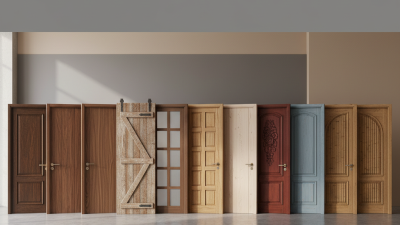
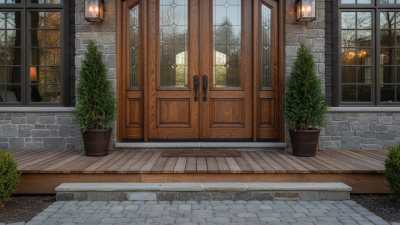
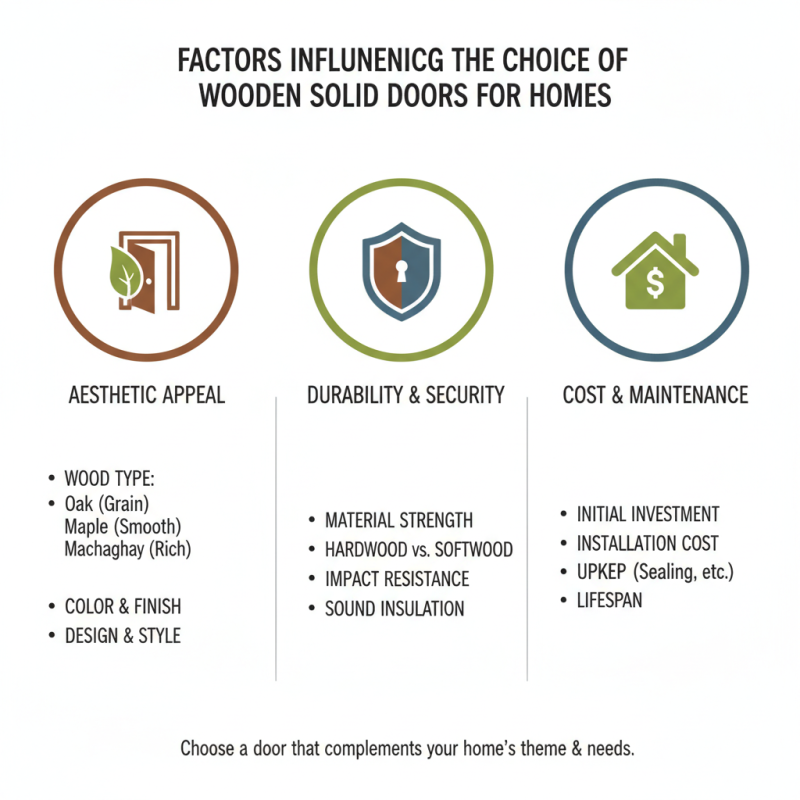
When considering the aesthetic and functional aspects of your home, choosing the right entryway is essential. Wooden Solid Doors stand out due to their timeless beauty and durability. These doors not only provide security but also enhance your home's character. They come in various styles, wood types, and finishes, making them versatile for any design preference.
However, selecting the perfect wooden solid door can be challenging. Each type of wood offers its unique charm and strength. For instance, oak is known for its resilience and rich grain, while mahogany adds a touch of luxury. It's crucial to reflect on your home's overall style and the door's longevity.
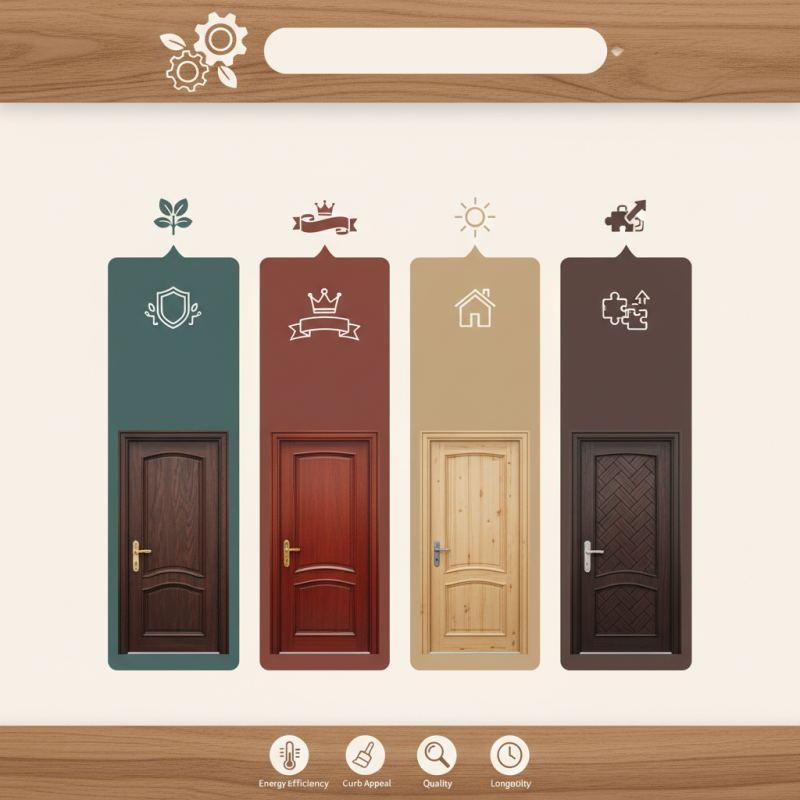
Additionally, quality matters. Many doors may look appealing but lack the durability expected. Make sure to choose a reputable manufacturer. The investment in a quality wooden solid door can provide a significant return in terms of energy efficiency and curb appeal. Take your time to explore your options and consider what fits best for your space and lifestyle.
Top Wooden Solid Doors: An Overview of Types and Materials
When considering wooden solid doors, it is essential to understand the different types and materials available. Solid wood doors are crafted from various woods, including oak, maple, and mahogany. Each type offers unique characteristics. Oak has a prominent grain, while maple provides a smoother finish. Mahogany, known for its rich color, adds elegance to any home. These woods contribute to the door's strength and aesthetic appeal.
The choice of material also affects the door's durability and insulation properties. Hardwoods tend to be more resilient and better at soundproofing. However, they can be pricier than softwoods. Pine is a popular softwood choice, being more affordable but less durable. Many homeowners struggle to balance cost and quality. It's essential to determine the environment a door will face and choose accordingly.
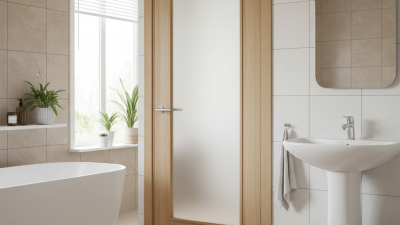
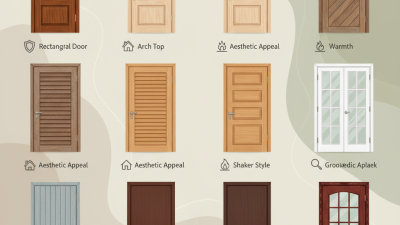
Besides material, consider the door's design. Panel doors add depth, while flat doors offer a modern look. Glass inserts can enhance natural light. Yet, they can be a privacy concern. Weighing these aspects for your home's needs can be challenging. Carefully evaluate your options before making a decision.
The Benefits of Solid Wood Doors: Insulation, Durability, and Aesthetics
Solid wood doors bring numerous benefits to any home. Their insulation properties are impressive. A solid wood door can effectively block out noise and regulate temperature, making your space more comfortable. In cold winters, this insulation helps retain heat, while in summer, it keeps interiors cool.
Durability is another major advantage. Solid wood doors are robust and stand the test of time. They resist wear and tear much better than hollow cores. This makes them a wise investment for long-term use. However, maintenance is crucial. Over time, wood can warp or crack if not cared for properly. Regular finishes and inspections can help avoid these issues.
Aesthetically, solid wood doors enhance the overall look of a home. They come in various styles and grains, adding character. This means every door can feel unique and tailored to your taste. Still, choosing the right style requires careful thought. It’s essential to match the door’s design with your home’s architecture. Remember, the wrong choice can feel off-putting. Overall, solid wood doors can be a defined choice if selected wisely, focusing on quality and upkeep.
Benefits of Solid Wood Doors
This bar chart illustrates the benefits of choosing solid wood doors for your home, emphasizing their strengths in insulation, durability, and aesthetics, among other factors contributing to their overall value.
Cost Analysis: Wooden Solid Doors vs. Alternative Materials
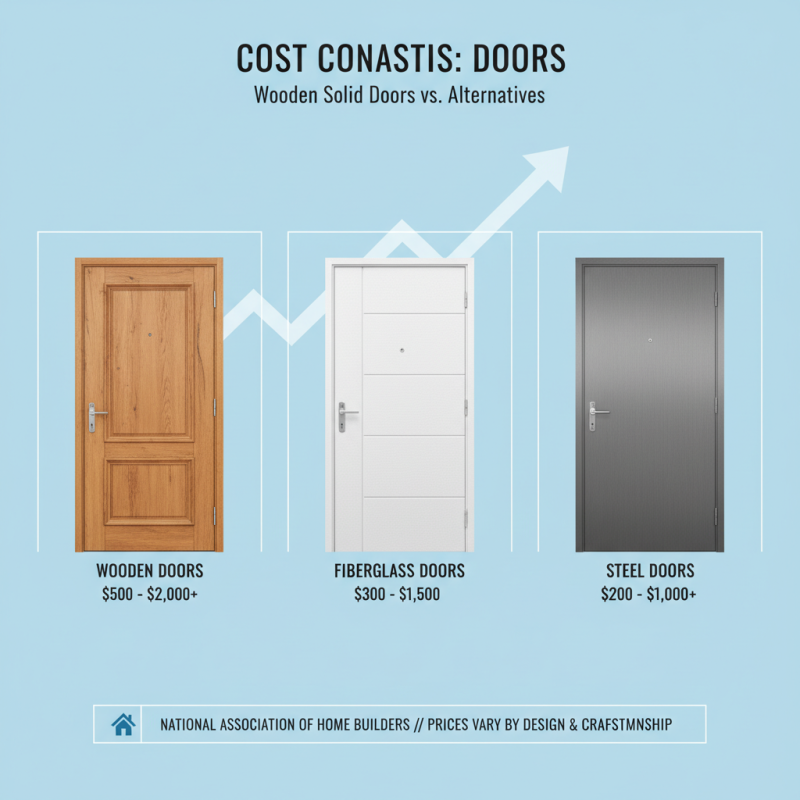
When considering wooden solid doors, cost is a significant factor. According to the National Association of Home Builders, wooden doors can range from $500 to $2,000 or more, depending on their design and craftsmanship. This price reflects durability and aesthetic appeal, which many homeowners prioritize. Comparatively, fiberglass doors typically range from $300 to $1,500, while steel doors can cost between $200 and $1,000.
However, beyond initial costs, long-term value matters. Wooden doors require maintenance, including refinishing and sealing. This can accumulate over time, adding to costs. On average, maintaining a wooden door costs around $100 annually, while fiberglass needs little care, often needing only occasional cleaning. The choice between materials should factor in not just immediate expenses but also upkeep and longevity. Homeowners need to weigh the beauty of wood against the practicality of alternatives.
Consider sound insulation too. Wooden doors generally offer superior sound dampening compared to steel or fiberglass. This quality can add comfort, especially in urban settings. However, some may find it challenging to balance aesthetics and budget. Understanding the trade-offs is crucial for making an informed decision.
Maintenance Tips for Extending the Lifespan of Wooden Solid Doors
Wooden solid doors can add warmth and elegance to your home. However, maintaining them is crucial for longevity. Regular care is more than just occasional cleaning. Dust can accumulate, leading to potential scratches and damage. A simple once-a-week dusting will keep your doors looking fresh.
Humidity levels in your home can impact wood. Too much moisture may cause warping, while too little can lead to cracks. Use a hygrometer to monitor indoor humidity. Additionally, applying a protective sealant can enhance the door’s resilience against moisture and sun damage. This simple step helps prevent discoloration and ensures your door retains its charm.
Don't forget about the hinges and hardware. These components can rust or wear out over time. Regularly check for any rust or stiffness. Lubricating the hinges will keep the door operating smoothly. It's easy to overlook these details, yet they significantly affect the door's lifespan. Being proactive in these small areas can make a difference. Each care step adds to the door’s story, ensuring it remains a beautiful part of your home for years to come.
Top Wooden Solid Doors for Your Home - Maintenance Tips for Extending the Lifespan of Wooden Solid Doors
| Door Type |
Material |
Average Cost |
Maintenance Frequency |
Lifespan |
| Classic Panel Door |
Solid Oak |
$800 - $1200 |
Every 3-5 years |
40-60 years |
| French Door |
Mahogany |
$1200 - $1600 |
Every 2-4 years |
50-70 years |
| Barn Door |
Pine |
$500 - $900 |
Every 2-3 years |
30-50 years |
| Sliding Door |
Teak |
$1500 - $2000 |
Every 1-2 years |
60-80 years |