Top 10 PVC Door Benefits You Should Know?
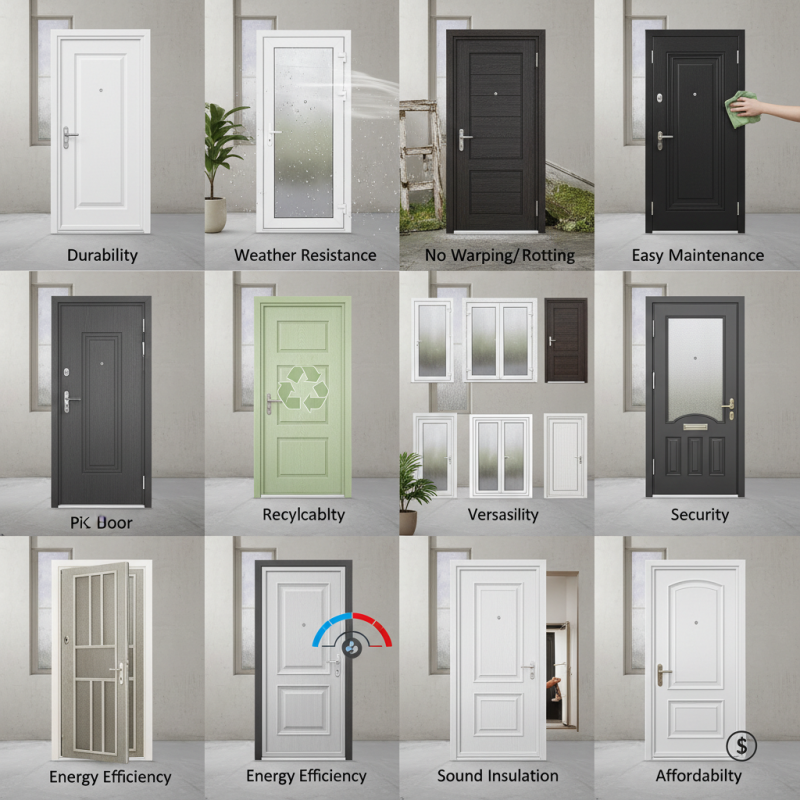
In the realm of home improvement, countless options exist, but one material stands out: PVC door. Known for their incredible versatility, PVC doors offer much more than meets the eye. These doors are not only durable but also resistant to weather elements, ensuring long-lasting performance.
Imagine stepping into your home and feeling a sense of security with a sturdy PVC door that doesn’t warp or rot. The convenience of maintenance cannot be overstated; a simple wipe can keep them looking fresh. However, buyers should be mindful that not all PVC doors are created equal. Some may lack the features that make them truly beneficial.
Eco-conscious homeowners may appreciate that many PVC doors are recyclable, contributing positively to the environment. While there are many advantages, potential downsides exist. It’s essential to weigh the benefits against possible limitations. Making a well-informed decision is key to transforming your living space effectively with PVC doors.
Advantages of PVC Doors Over Traditional Materials
When considering door materials, PVC offers notable advantages over traditional options like wood or metal. One significant benefit is durability. PVC doors resist moisture, preventing warping or swelling. This makes them ideal for humid climates. Additionally, they require minimal maintenance, unlike wood that needs regular painting or sealing.
Another advantage is insulation. PVC doors provide excellent thermal insulation, keeping homes warm in winter and cool in summer. This may lead to energy savings each month. Moreover, the soundproofing qualities of PVC can create a quieter living space, which is invaluable in busy environments.
**Tip:** Consider the aesthetics of your home. PVC doors come in various styles and colors, enhancing your curb appeal easily.
Still, it’s essential to reflect. Some may find PVC less appealing compared to the natural look of wood. In cases where traditional charm matters, PVC could fall short. Being aware of these aspects is crucial when making your decision.
**Tip:** Evaluate both short-term costs and long-term benefits. PVC doors may have a higher upfront cost but save money down the line.
Top 10 PVC Door Benefits You Should Know
| Benefit |
Description |
Comparison with Traditional Materials |
| Durability |
PVC doors are resistant to rot, rust, and corrosion. |
Traditional wood doors may rot and metal doors can rust. |
| Low Maintenance |
Requires minimal upkeep, just occasional cleaning. |
Wood doors often need regular refinishing and painting. |
| Energy Efficiency |
Offers good insulation and reduces energy costs. |
Traditional doors may not have the same insulation properties. |
| Variety of Designs |
Available in various styles and colors to match home aesthetics. |
Limited styles and colors in traditional materials. |
| Weather Resistance |
Can withstand harsh weather conditions without damage. |
Wood may swell or crack, and metal can buckle in extreme temperatures. |
| Pest Resistant |
Not susceptible to insects, such as termites. |
Wood is vulnerable to pest damage. |
| Lightweight |
Easy to handle and install compared to heavy wooden doors. |
Wood doors can be cumbersome and require more robust framing. |
| Cost-Effective |
Generally cheaper than wood and metal doors. |
Higher initial costs for wood and metal doors. |
| Eco-Friendly Options |
Available from recycled materials, promoting sustainability. |
Traditional materials often involve deforestation and more resource use. |
| Sound Insulation |
Good soundproofing capabilities for a quieter home. |
Wood and metal may not provide the same level of sound insulation. |
Durability and Weather Resistance of PVC Doors
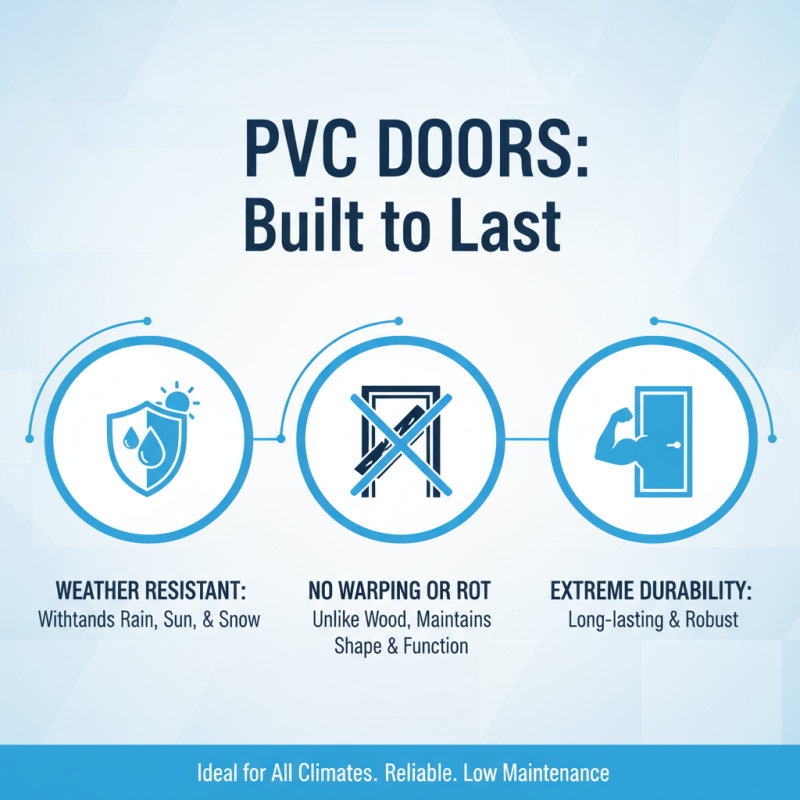
PVC doors are well-known for their durability. They can withstand harsh weather conditions, making them ideal for various climates. Unlike wood, PVC does not warp or rot. This feature ensures that your doors maintain their shape and function over time.
Another key benefit is weather resistance. PVC doors can repel water and resist UV rays. This quality helps prevent fading and discoloration. Homeowners can enjoy long-lasting aesthetics without frequent maintenance. However, it is essential to note that extreme heat can sometimes cause deformation. Careful consideration of your local environment is crucial.
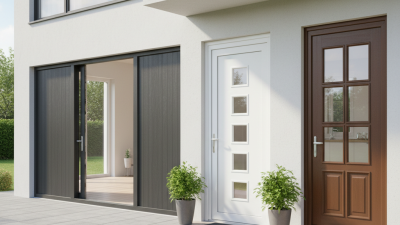
Aesthetically, PVC doors come in various styles and finishes. They can match any home design. However, some people might find them less visually appealing compared to natural materials. It's a trade-off between aesthetic preference and practicality. Balancing these aspects will lead to a more informed choice.
Maintenance Ease: Why PVC Doors Are a Practical Choice
PVC doors offer significant maintenance ease, making them an attractive option for many homeowners. Their surface is smooth and non-porous, which means dirt and grime cannot easily settle in. This feature allows for effortless cleaning with just soap and water. In busy households, time is precious. With PVC doors, you won’t spend hours polishing or scrubbing.
Consider the long-term durability. PVC doors resist moisture and won’t warp like wood. This resistance means fewer repairs and replacements. Imagine a door that retains its pristine appearance for years. It sounds perfect, but there can be downsides too. While they resist fading, exterior colors can sometimes dull over time. Regular inspection is important to identify any signs of wear.
Additionally, installation can be a challenge. Misaligned doors might lead to gaps that affect insulation. Homeowners need to ensure proper fitting. Engaging a skilled professional can avoid these pitfalls. Remember that every material has its flaws, and PVC is no exception. Striving for maintenance ease is worthwhile, but it also comes with its responsibilities.
Energy Efficiency Benefits of Installing PVC Doors
Installing PVC doors offers significant energy efficiency benefits. They can help reduce heating and cooling costs by providing superior insulation. According to research by the U.S. Department of Energy, energy-efficient doors can save homeowners between 10-20% on energy bills. This is particularly crucial in areas with extreme weather conditions.
PVC doors are also resistant to drafts. They form a tight seal, preventing air leakage that can lead to energy loss. In fact, studies show that homes lose a substantial amount of heat through poorly insulated doors. By opting for PVC, homeowners can significantly curb this issue. However, not all PVC doors are made equal; quality matters.
Beyond insulation, their durability contributes to long-term savings. PVC doors do not warp, crack, or fade easily. This longevity means fewer replacements over time. However, some may overlook the importance of proper installation. If not installed correctly, even the best PVC doors can underperform. It's vital to ensure they align properly for maximum efficiency.
Top 10 PVC Door Benefits You Should Know
Aesthetic Versatility: Customization Options for PVC Doors
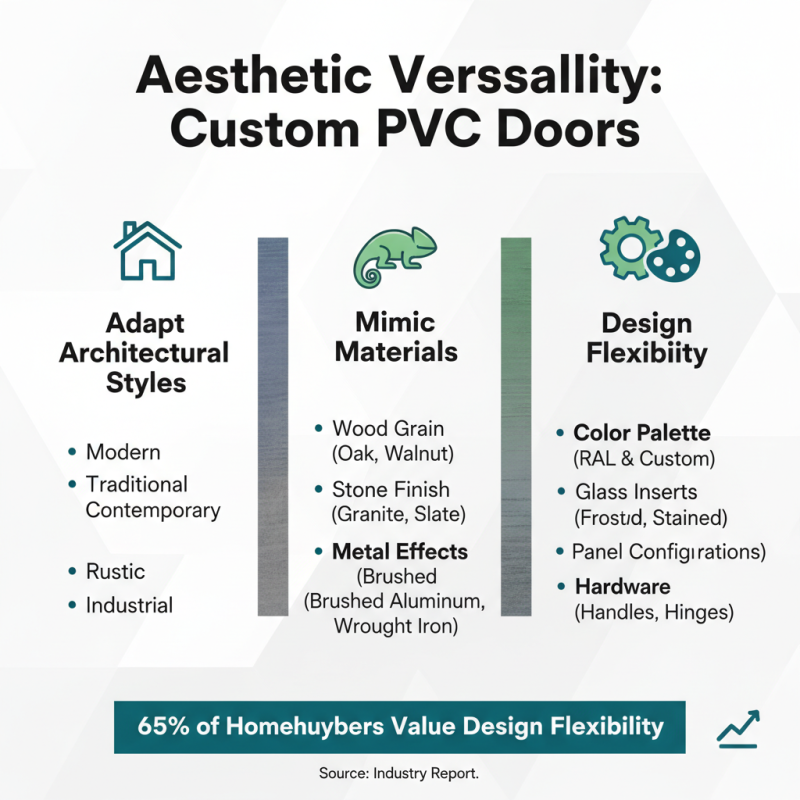
PVC doors offer remarkable aesthetic versatility through a wide range of customization options. Homeowners appreciate how these doors can fit different architectural styles. According to a recent industry report, nearly 65% of potential buyers value design flexibility in their door choices. This is no surprise, as PVC doors can mimic materials like wood, stone, or metal while providing lasting durability.
Customization can involve color, finish, and hardware selection. Homeowners can choose from various colors, from classic whites to vibrant hues. A study from the Construction Industry Association notes that 70% of consumers prefer colors and designs that reflect their individual style. This personalization helps create unique spaces. However, it’s essential to consider that over-customization might lead to design mismatches. Balance is key.
While PVC doors provide many options, potential downsides exist. Some finishes may fade over time. Regular maintenance is required to keep the door looking fresh. Homeowners should weigh the long-term effects of their choices. Thus, while the aesthetic appeal is undeniable, careful thought is crucial.