Ultimate Tips for Choosing Wood Entry Doors for Your Home?
When considering home aesthetics, wood entry doors play a pivotal role. As noted by industry expert John Smith of Wood Craft Solutions, “The choice of your entry door reflects your home’s identity.” Choosing the right Wood Entry Doors is about more than appearance; it also involves functionality and durability.
Recent reports from the National Association of Home Builders indicate that 70% of homeowners prioritize energy efficiency when selecting doors. Wood is naturally insulating, making it a popular option. However, various wood types can impact both aesthetics and longevity. For instance, mahogany offers durability and beauty, while pine provides affordability but may require more maintenance.
The decision-making process can be complex, involving factors like weather resistance and design trends. Not all wood entry doors are created equal, and many homeowners overlook crucial aspects. The right door enhances curb appeal and can influence resale value. Research suggests that well-chosen materials can yield returns of up to 85%. Thus, investing in the right Wood Entry Doors is essential for both immediate satisfaction and long-term benefits.
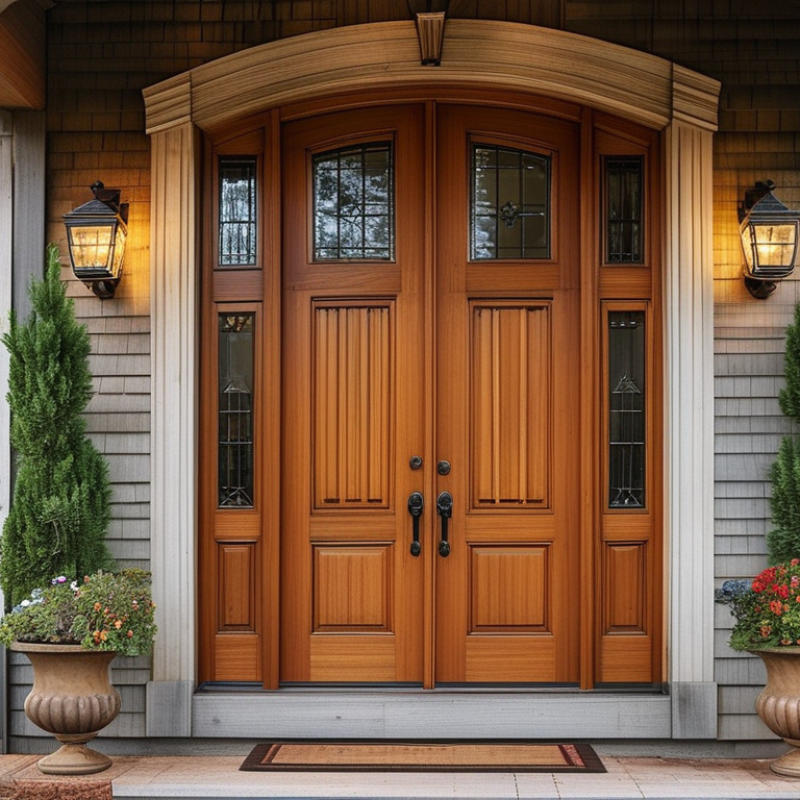
Understanding the Types of Wood Used for Entry Doors
When selecting wood for entry doors, it's important to consider durability and aesthetics. Different types of wood offer unique benefits.
Mahogany is renowned for its rich color and resistance to weathering. It provides an elegant appeal that enhances the entrance of any home.
Oak, on the other hand, is strong and dense. Its grain pattern adds character, but it can be heavy and more expensive.
Pine is a softer wood that is easy to work with, making it ideal for custom designs. It has a light color that can take on stains beautifully.
However, softer woods are more prone to dents and scratches. Cedar is another popular choice for entry doors. It naturally resists rot and insects, making it a reliable option.
Its scent is a lovely bonus but can fade over time.
The choice of wood impacts the overall look and longevity of your door. Think about your local climate. Some woods fare better in humid conditions while others may need more maintenance.
The right wood selection reflects both personal style and practical needs. Don’t rush this decision. Take the time to reflect on the long-term implications of your choice.
Evaluating Durability and Maintenance Needs of Wood Entry Doors
Choosing wood entry doors for your home involves careful consideration of durability and maintenance needs. Wood doors add beauty and charm, but they require proper care to maintain their appearance. According to a data report by the American Wood Council, untreated wood can deteriorate quickly when exposed to moisture and UV rays. Regular maintenance is crucial. Many wood doors need refinishing every few years to prevent warping or cracking.
Different wood species offer varying levels of durability. Hardwoods like oak and mahogany tend to withstand wear better than softer woods. The same report highlights that solid wood doors last, on average, 30 years with proper maintenance. But neglect could lead to significant repairs or even replacement. Regular inspections can spot issues early. Look for signs of rot or insect damage, which can compromise the door's integrity.
The finish on the wood is also critical. Some finishes provide better protection against the elements. Opting for high-quality sealants can enhance longevity. However, even well-finished doors can experience wear and tear over time. Acknowledging that ongoing care is essential helps homeowners make informed decisions. It's a balance between aesthetic appeal and practical upkeep.
Wood Entry Doors: Durability and Maintenance Evaluation
Aesthetic Considerations for Wood Entry Door Design
When selecting wood entry doors, aesthetics play a crucial role. The door is often the first thing visitors notice. It sets the tone for your home’s style. Choose a design that complements your architecture. Whether you prefer modern or traditional, the door should reflect your personality.
Consider the grain and finish of the wood. Different types of wood offer unique textures. A smooth finish can suggest elegance. Meanwhile, a natural grain can give a rustic charm. Be cautious; dark finishes may absorb heat, impacting durability. Light colors can brighten entryways, but they may require more maintenance.
Adding hardware is another way to enhance aesthetics. A bold doorknob or intricate hinges can make a statement. However, ensure the choice aligns with the door’s style. Finding balance is essential. Too many embellishments can overwhelm. Ultimately, a well-chosen wood entry door can significantly enhance your home's curb appeal.
Energy Efficiency Features of Wood Entry Doors
When considering wood entry doors, energy efficiency is a key feature to examine. A well-constructed wooden door acts as a barrier against outdoor temperatures. It can significantly reduce energy costs by maintaining a stable indoor climate. Look for doors with a solid core. These provide better insulation compared to hollow-core options. A tight seal around the door frame also prevents drafts, adding to energy savings.
Additionally, the type of wood used affects energy efficiency. Dense woods like oak or mahogany offer better thermal performance. Proper finishing can enhance durability and insulation. However, not all wood maintains its performance over time; inconsistent maintenance can lead to warping and reduced effectiveness. Attention to details, like weather stripping and a well-fitted frame, can make a big difference.
It’s essential to evaluate the entire entry system. The door itself is only part of the solution. Glass panels or sidelights can impact energy efficiency. Select double or triple-glazed glass for better insulation. Always consider the long-term implications of your choices, as the wrong selection may require costly replacements later. Energy efficiency is an investment in comfort and savings.
Ultimate Tips for Choosing Wood Entry Doors for Your Home? - Energy Efficiency Features of Wood Entry Doors
| Feature |
Description |
Benefits |
| Insulation |
High-quality wood doors often feature a solid core that provides superior thermal insulation. |
Reduces energy bills by maintaining indoor temperature. |
| SEALING |
Proper sealing around the door ensures minimal air leakage. |
Enhances energy efficiency and prevents drafts. |
| Energy Star Rating |
Look for doors with an Energy Star label for guaranteed efficiency. |
Guarantees high energy savings and environmental impact. |
| Glazing Options |
Double or triple-glazed glass can enhance insulation. |
Improves thermal performance without sacrificing natural light. |
| Wood Type |
Different types of wood like Mahogany or Oak offer varying energy efficiency. |
Choosing the right wood can enhance durability and insulation. |
Choosing the Right Finish and Hardware for Wood Entry Doors
When choosing wood entry doors, the finish and hardware are key elements to consider. A good finish not only enhances the door's beauty but also protects the wood from the elements. For instance, a clear finish can showcase the natural grain, while a darker stain might provide a more dramatic effect. Ensure the finish you select complements your home's exterior. What looks good in the showroom might not suit your overall design.
Hardware plays a vital role in functionality and aesthetics. The door handle should feel sturdy and operate smoothly. Choose materials that resist rust and corrosion, especially in humid climates. Decorative hardware can elevate the door's appeal. However, be cautious—too much embellishment can clash with a simple design. The key is balancing style with practicality.
Many homeowners overlook the importance of compatibility. Not all finishes work with every wood type or climate. Testing samples in your home's light is crucial. Consider how the door will perform throughout the seasons. A finish that looks stunning may fade or chip in harsh conditions. Reflect on these details carefully, ensuring you make an informed choice for your entryway.