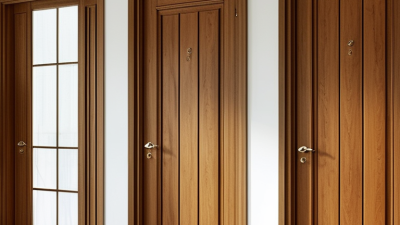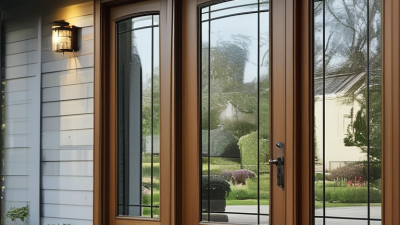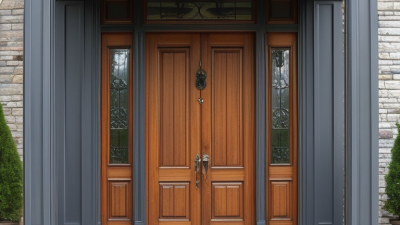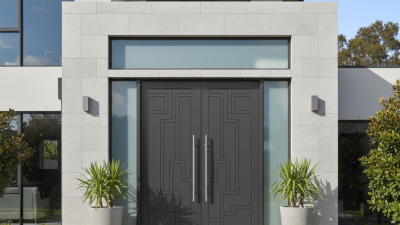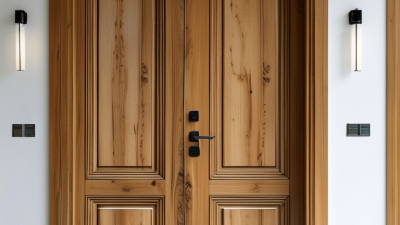
Interior Wood Doors shape how a home feels, even when they are not the first feature visitors notice. A warm oak panel can soften a bright hallway; a painted maple door can make a small bedroom feel calmer. The right choice also depends on daily use, privacy needs, and the home’s style. Details matter.
Material performance deserves equal attention. The USDA Forest Products Laboratory’s Wood Handbook (FPL-GTR-282, 2021) explains that wood responds to changes in moisture, which can affect its dimensions. In practice, humidity and installation quality may influence how a door fits over time. Wood is not maintenance-free. That trade-off is worth considering before choosing a finish or construction type.
The U.S. Environmental Protection Agency’s WARM model evaluates materials through lifecycle assumptions, including production and end-of-life impacts. It is not a door-by-door comparison, so it cannot prove that every wood door has a lower footprint. Still, it offers a useful reminder: material choices involve more than appearance. For homeowners, the practical questions are specific: Is the door solid-core or hollow-core? Will it face frequent use? Can its finish be repaired if a corner gets scratched? Interior Wood Doors can offer natural character and a broad range of designs, but quality varies by species, core, construction, and finish. A careful comparison of those details can make the choice more durable—and more suited to the rooms people actually use.
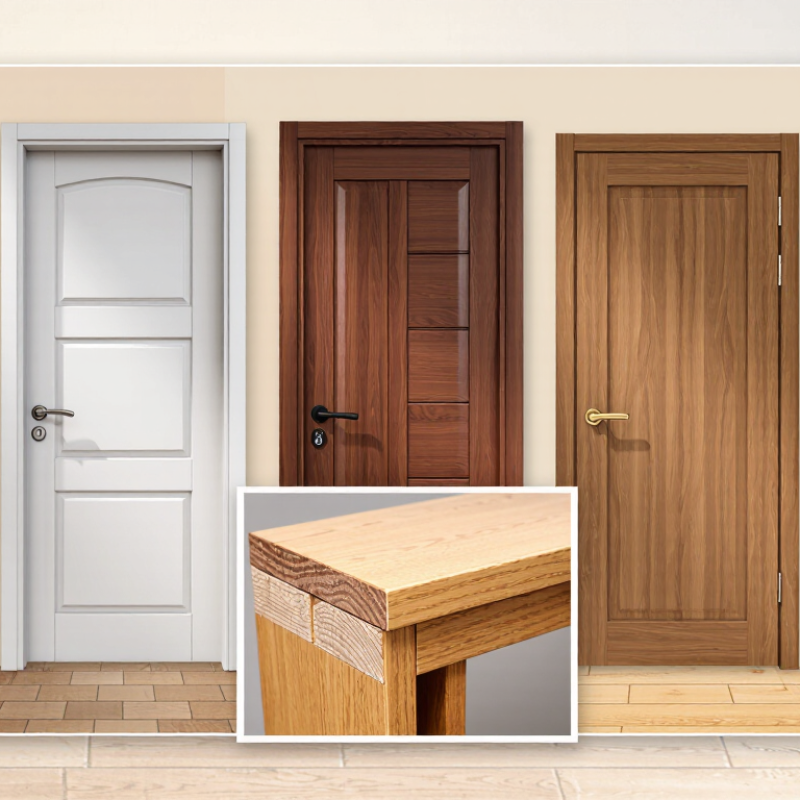
Interior wood doors differ most in their core, weight, and everyday performance. Solid-wood doors use natural lumber, often assembled from stiles, rails, and panels rather than one continuous piece. Their grain gives a room real visual warmth. They also feel substantial when opened and can soften sound between rooms.
However, wood can expand or contract as humidity changes. A door that fits in winter may rub slightly in summer. Finish quality and careful installation matter.
Solid-core doors have a dense composite center beneath a wood veneer or other surface. They usually feel heavier and block more sound than hollow-core doors, without the same natural-wood construction. Check the edge or product specifications; “solid core” does not mean solid lumber.
Hollow-core doors use a lightweight internal structure, often with a honeycomb-like fill. They are easier to carry and suit closets or low-traffic spaces. But they can sound thin, offer less privacy, and dent more readily.
Not every room needs the heaviest door. Consider who uses the space, how much noise travels through it, and whether the frame can support extra weight. A small detail, like a bedroom door closing softly, can matter more than appearance alone.
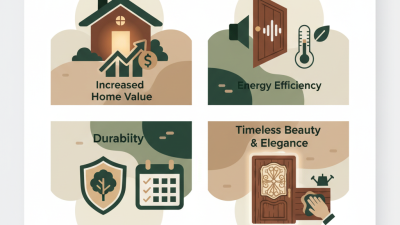
Wood species set a door’s grain, color, and resistance to dents. The USDA Forest Products Laboratory’s 2021 Wood Handbook reports dry Janka hardness values of about 1,290 pounds-force for red oak and 1,450 for sugar maple. These figures measure indentation resistance, not a door’s full service life. Still, they help explain why a maple edge may resist a bump better than a softer wood. Walnut brings darker, varied grain; oak’s open pores remain visible beneath many finishes. Small details matter.
Veneer places a thin layer of selected wood over a stable core, giving broad panels a consistent face without using solid wood throughout. Its surface can still scratch or fade, so inspect veneer thickness and repair guidance before choosing a finish. Clear coatings preserve grain, while tinted stains can deepen color but may look uneven across species. Oil-modified finishes often amber over time; water-based coatings tend to keep lighter woods paler. The Forest Products Laboratory’s Wood Handbook also explains that wood exchanges moisture with surrounding air. Seasonal humidity can affect fit, especially around exposed edges. Wipe spills promptly, and use a soft cloth rather than abrasive pads. I once assumed a darker stain would hide every mark. It did not. Grain contrast can make scratches easier to spot.
Wood species influence a door’s natural color and grain, while hardness offers a useful comparison of resistance to dents.
How to read this: Janka hardness is measured in pounds-force (lbf); higher values indicate greater resistance to indentation, not lower maintenance needs. Veneers provide a real-wood surface with the chosen species’ appearance, while the finish is the main protective layer. Follow the finish maker’s care guidance and avoid excess moisture and abrasive cleaners.
Sound privacy depends on the whole door assembly, not the wood panel alone. ASTM E90 measures airborne sound transmission loss in a controlled laboratory. ASTM E413 uses those results to calculate a single-number Sound Transmission Class, or STC, rating. A higher STC generally indicates better reduction of common speech sounds. It is a useful comparison, not a promise of silence.
Look for ratings that describe a complete assembly: door, frame, seals, and installation details. A solid-core wood door may reduce sound better than a lightweight hollow-core door, but gaps can undo much of that advantage. Check the perimeter seals and the space beneath the door. Even a narrow opening can let voices pass. Small details matter.
Compare products tested under similar conditions, and ask whether the published rating applies to the exact configuration you plan to install. A rating from a laboratory may differ from results at home, where sound can travel through walls or ceiling cavities. I would not choose by STC alone. A quiet bedroom needs a well-fitted assembly, careful installation, and realistic expectations. Sometimes the weak point is not the door.
A fire rating describes how long a tested door assembly resisted fire under standardized conditions. It does not promise that a door will protect a room for exactly that long in a real fire. NFPA’s Home Structure Fires report recorded an average of 343,100 home structure fires annually from 2016 to 2020. That figure makes verified protection more than a paperwork detail. It matters.
The common 20-, 45-, 60-, and 90-minute ratings generally correspond to different opening and wall requirements. The right rating depends on the building design and applicable code, not simply on choosing the highest number. A rated wood door must be installed as a listed assembly, with compatible frame, hinges, latching hardware, and any required seals. A mismatched frame can undermine the tested setup. Small detail. Big consequence.
Look for a certification label, and confirm the assembly’s requirements with a qualified building professional or local code official. NFPA 80 addresses inspection and maintenance of fire doors; damaged seals, loose hinges, or a door that will not latch deserve attention. Ratings can also vary by location and code edition, so check before buying. Wood offers a warm, tactile finish, but appearance alone says little about fire performance. A label is less charming. It is more useful.
WDMA I.S. 1A offers Premium, Custom, and Economy grades for interior wood doors. These grades help describe expected appearance and workmanship. Premium suits rooms where veneer matching and finish details receive close attention. Custom offers a practical balance for many homes. Economy can fit areas where appearance requirements are simpler. The right choice depends on the room, budget, and project specifications.
A grade alone does not define a door’s core, sound control, or suitability for moisture-prone spaces. Check those details separately. Compare written specifications, edge quality, veneer consistency, and finish samples. Look closely in natural light. A small sample can be misleading; full-size doors may show grain variation more clearly. That matters.
Tips: Match the grade to visibility and use, not just price. Ask how the veneer and finish will look across multiple doors. Confirm performance requirements in writing. If a hallway door catches afternoon light, minor differences may stand out. That is easy to overlook.