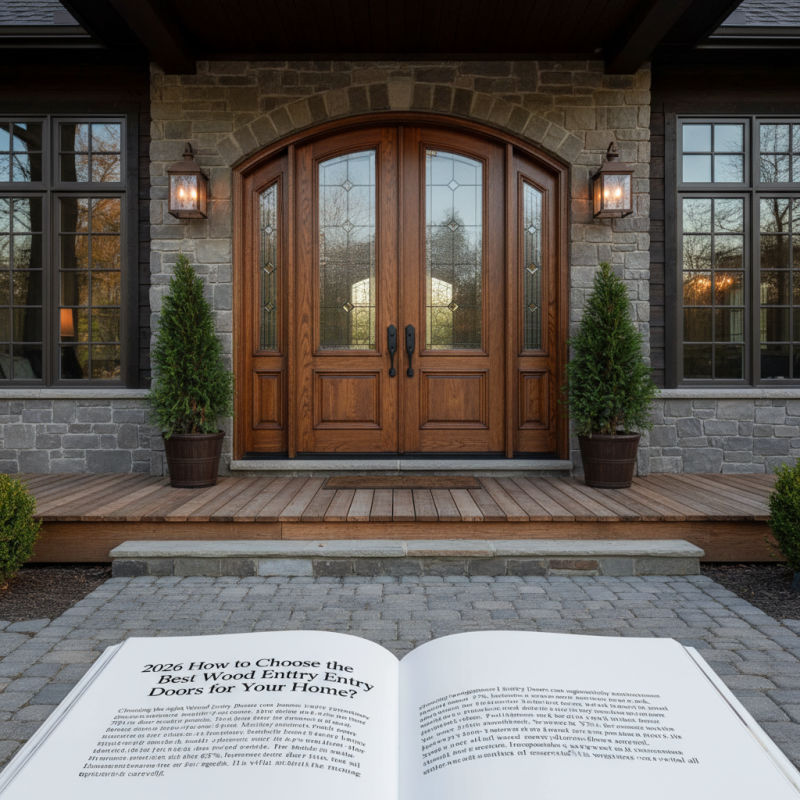
2026 How to Choose the Best Wood Entry Doors for Your Home?
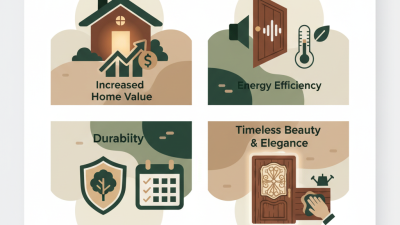
Choosing the right Wood Entry Doors can significantly enhance your home's curb appeal. According to industry reports, nearly 70% of homeowners prioritize aesthetics during their door selection process. The right door not only welcomes guests but also boosts property value. Many consumers, however, overlook the crucial specifics that determine quality.
Factors such as wood type, finish, and design play vital roles in longevity and maintenance. For instance, a solid oak door, while beautiful, may require more upkeep than a fiberglass alternative. Yet, the warmth of natural wood often outweighs these challenges. Surveys indicate that 65% of homeowners prefer wood over other materials for its timeless appeal.
However, not all wood entry doors deliver the same benefits. Some may warp or fade with weather exposure, frustrating homeowners unprepared for such outcomes. Understanding these nuances is essential. Rushing decisions can lead to regrets. It is vital to weigh all options carefully.
Understanding Different Types of Wood Used in Entry Doors
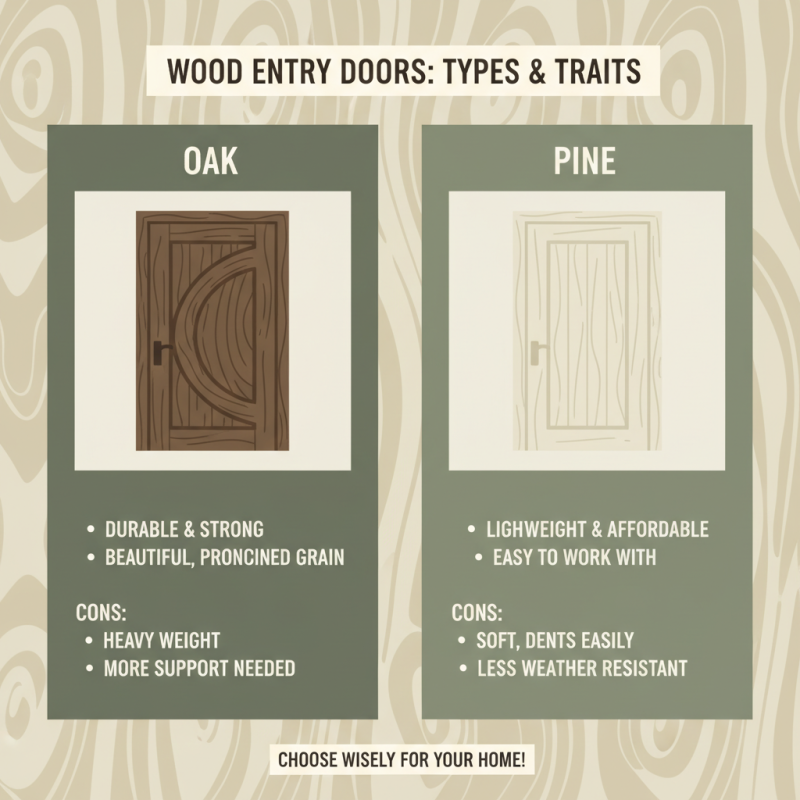
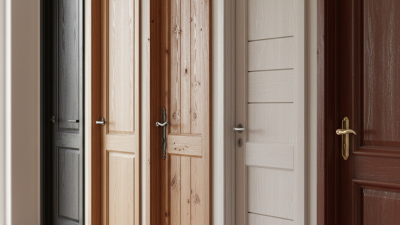
When choosing wood entry doors, it’s crucial to understand the types of wood available. Each type offers unique benefits and drawbacks. For instance, oak is known for its durability and beautiful grain. However, it can be heavy and may require extra support. Pine, on the other hand, is lightweight and affordable. Yet, it may dent or scratch easily.
Mahogany stands out for its rich color and resistance to weather. It offers a luxurious look, but it can be quite pricey. Cedar is another good option. It naturally resists rot and insects but requires regular maintenance to keep its appearance. Knowing these details can help make a better choice.
Consider how much sunlight your door will receive. It affects how the wood will age. Moisture levels are also important. Choose a wood that can withstand your local climate. Don't rush the decision. Each type of wood has its pros and cons. Take time to weigh these against your needs and budget.
Evaluating Durability and Weather Resistance of Wood Doors
When choosing wood entry doors, durability and weather resistance are crucial. Studies indicate that solid wood doors offer the best insulation compared to hollow cores, reducing energy loss by 29%. However, wood is prone to swelling and shrinking with humidity changes. Selecting doors with high-quality finishes can mitigate this issue but might require occasional maintenance.
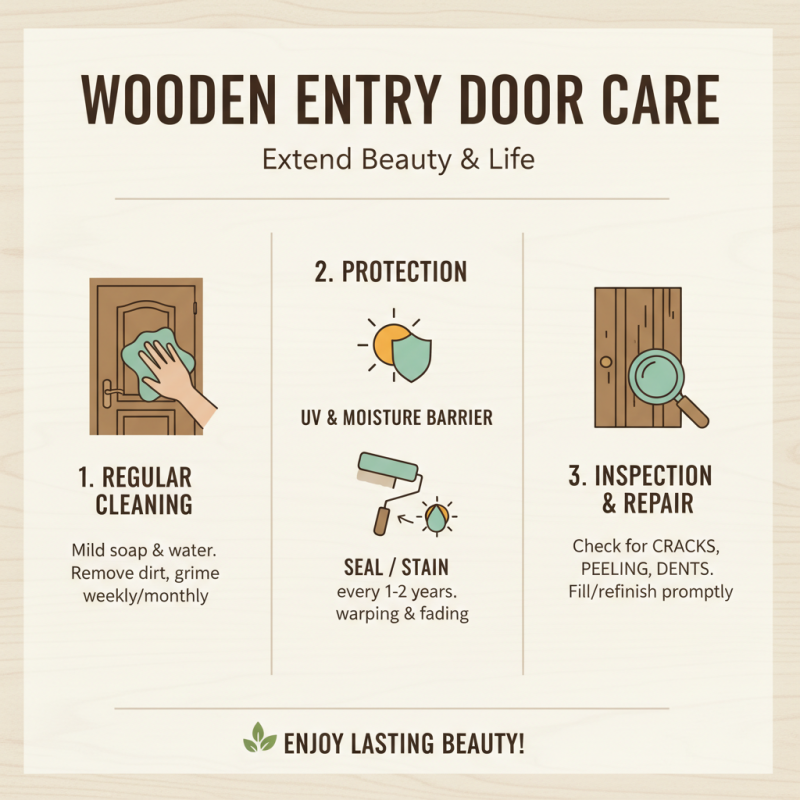
Sourcing wood from sustainably managed forests is an added benefit. It ensures environmental responsibility and can enhance durability. Look for doors treated with sealants that offer resistance against moisture. This treatment can extend the lifespan of your door significantly. Regular inspections help maintain your door's longevity.
Tips: Opt for wood types like mahogany or red oak. They are more resistant to warping and weather damage. Ensure proper installation to prevent air leaks. Consider adding a protective overhang to shield your door from direct weather. A little care goes a long way in maintaining these beautiful entry points.
Wood Entry Doors Durability and Weather Resistance Evaluation
Exploring Design Styles and Aesthetic Choices for Wood Entry Doors
When choosing wood entry doors, aesthetics play a crucial role. The style of your door can significantly impact your home's curb appeal. According to a recent industry report, a well-chosen entry door can increase a home's value by up to 10%. Popular styles include traditional, modern, and rustic. Each style conveys a different message about your home's personality.
Consider the wood species you prefer. Options like oak, mahogany, and fir each offer unique colors and grain patterns. Oak provides durability. Mahogany exudes luxury. Fir is known for its affordability and easy customization. Custom designs can also enhance your door's appeal. Some homeowners opt for intricate carvings or sidelights for added flair. Choices affect longevity and maintenance.
Look at how the door fits with your home’s architecture. Sometimes, a door can stand out too much, creating visual discord. Aim for harmony in design elements. Think about the finish as well. A glossy finish can reflect light and draw attention. However, a matte finish might better suit a classic look. Always remember, beauty is subjective; what works well for one may not resonate with another.
Assessing Energy Efficiency and Insulation Properties of Wood Doors
Choosing wood entry doors involves more than aesthetics. Energy efficiency is crucial. According to the U.S. Department of Energy, doors account for 10-15% of heat loss in a home. Insulated wood doors significantly reduce this loss. A door with an R-value of 5 or higher offers great insulation. This can save you money on heating bills.
Consider the type of wood. Some species, like oak, provide better insulation than others. A dense, well-sealed wood door minimizes drafts. Experts suggest looking for doors with weatherstripping. Effective weatherstripping can lower air leaks by about 50%. Even the best doors need maintenance. Routine checks ensure they remain energy-efficient.
Aesthetic aspects matter. Yet, they should not overshadow energy efficiency. Pay attention to the door's core construction. A solid core typically offers better insulation than a hollow core. Some choices may appear appealing but lack efficiency. Weigh all factors carefully. The right choice can make a huge difference.