10 Essential Tips for Choosing the Right PVC Door for Your Home?
When it comes to selecting a new door for your home, the choice of a PVC door can significantly impact both functionality and aesthetics. Recent industry reports indicate that the demand for PVC doors has risen by 15% over the past three years. This trend reflects homeowners’ growing preference for durable and low-maintenance options. PVC doors are celebrated for their longevity and resistance to weather elements.
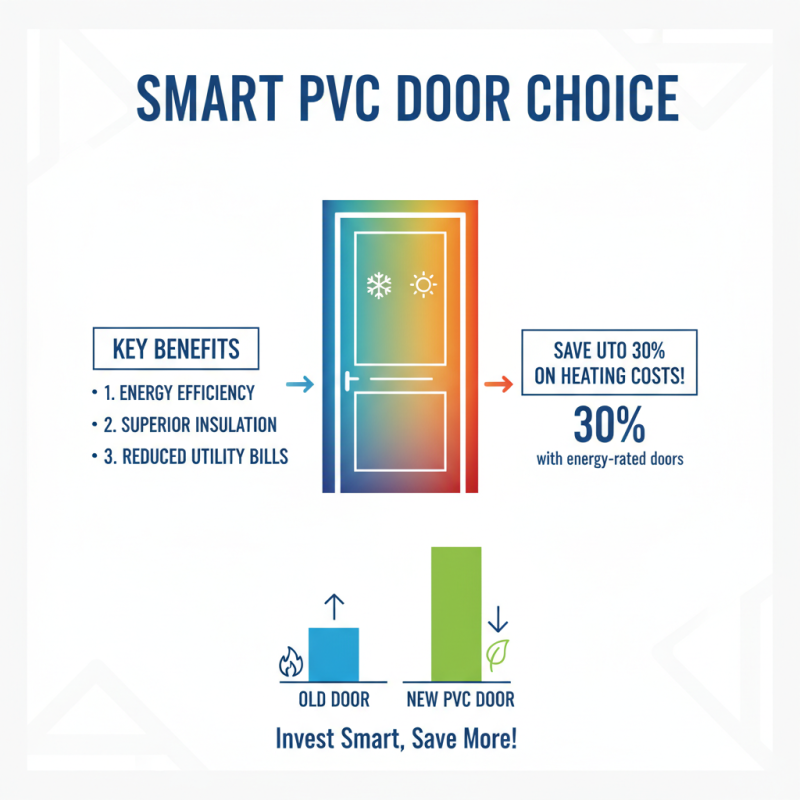
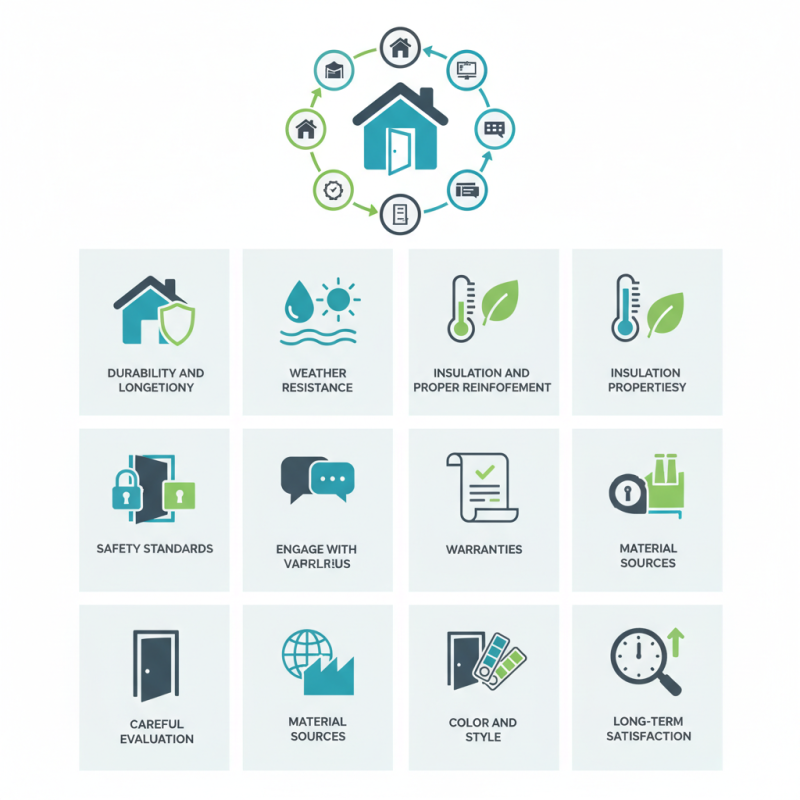
Choosing the right PVC door involves more than just color and style. Consider the insulation properties, as reports show that they can reduce energy costs by up to 30%. Additionally, ensure the door meets safety standards. Many PVC doors lack proper reinforcement, an aspect often overlooked by buyers. Carefully evaluating these factors can help in making an informed decision.
However, it's essential to remain aware that not all PVC doors are created equal. Differences in quality can lead to issues down the line, such as warping or fading over time. Engage with various suppliers, and don't hesitate to ask about warranties and material sources. Evaluating these details will enhance the long-term satisfaction with your investment.
Understanding the Benefits of PVC Doors for Home Use
PVC doors have gained popularity for their numerous benefits. They are durable and resistant to moisture, making them ideal for various home environments. Unlike wooden doors, PVC doors won't warp or swell over time. This quality ensures they maintain their appearance even in humid conditions.
These doors also offer excellent insulation properties, helping to keep homes warm in winter and cool in summer. This can lead to energy savings, which is a significant consideration for many homeowners. Additionally, PVC doors come in various styles and colors, allowing for a personalized touch. However, some might find the choices overwhelming.
It's important to consider the long-term implications of your choice. While PVC doors are generally low maintenance, they can accumulate dirt. Regular cleaning is necessary to keep them looking their best. Additionally, if not chosen carefully, the door's aesthetic may not complement your home's design. Balancing practicality with style can be challenging, but it is critical for overall satisfaction.
Identifying Your Home's Style and Aesthetic Requirements
When selecting a PVC door, understanding your home's style is crucial. A report by the National Association of Home Builders states that 70% of homeowners consider aesthetics when making renovations. A door offers not just access but also a visual statement. For example, a minimalist home may benefit from sleek, clean lines, while a rustic style calls for textured finishes.
Color plays a significant role too. Recent studies show that 65% of people prefer classic hues like white or gray for their entryways. These colors provide flexibility and match various decors. However, bold colors can create excitement, but they may clash with the existing palette. Be cautious here; a flashy door might overshadow other elements.
Additionally, consider the architectural style of your home. For instance, a modern home might struggle with doors that mimic traditional designs. Misalignment can create a jarring effect. Reflect on your home’s characteristics before making a choice. Look at door sizes and shapes—these should complement your dwelling’s proportions. Aim for balance; don’t let the door dominate. A thoughtful approach ensures the selected PVC door aligns with your overall aesthetic vision.
Choosing the Right PVC Door: Style and Aesthetic Preferences
Evaluating Durability and Maintenance Considerations of PVC Doors
When considering PVC doors, evaluating durability and maintenance is crucial. PVC doors are known for their resistance to rot, corrosion, and rust. According to a study by the American Plastics Council, PVC doors can last over 30 years with proper care. This durability makes them a popular choice for many homeowners.
However, even the most durable PVC doors require maintenance. Regular cleaning is essential to prevent dirt buildup. A simple wash with soap and water is often sufficient. It's also important to check for any scratches or dents, as these can compromise the door's integrity. Data from industry reports indicates that about 15% of homeowners neglect routine checks, leading to costly repairs.
Another point to consider is thermal performance. While PVC doors can provide good insulation, their effectiveness can vary. Some studies suggest that low-quality PVC can warp under extreme heat, affecting its lifespan. Homeowners should opt for doors with UV stabilizers to combat this issue. A good choice can save energy costs, but it's vital to research thoroughly before making a decision.
10 Essential Tips for Choosing the Right PVC Door for Your Home
| Tip |
Description |
Durability Rating |
Maintenance Level |
| Evaluate Material Quality |
Look for high-quality PVC that withstands weather conditions. |
High |
Low |
| Check Insulation Properties |
Select doors with good thermal insulation to save energy. |
Medium |
Medium |
| Consider Design Options |
Choose from various colors and styles to match your home's aesthetic. |
N/A |
Low |
| Assess Weather Resistance |
Ensure the door is resistant to rain, snow, and UV rays. |
High |
Low |
| Look for Security Features |
Choose doors with multi-point locking systems for better security. |
High |
Medium |
| Check for Manufacturer Warranty |
Select doors from manufacturers that offer a solid warranty. |
N/A |
Medium |
| Consider Installation Quality |
Proper installation can affect the door's performance and durability. |
High |
Low |
| Analyze Cost vs. Quality |
Balance the cost with the quality and features offered. |
N/A |
Low |
| Research Customer Reviews |
Check reviews for performance and customer satisfaction. |
N/A |
Medium |
Comparing Energy Efficiency Ratings and Insulation Properties
When selecting a PVC door, energy efficiency and insulation properties should be top of mind. Most homeowners overlook these aspects, which can lead to unnecessary energy costs. Studies show that doors with a good energy rating can reduce heating costs by up to 30%. This is significant, especially in regions with extreme temperatures.
A door's insulation capability is determined by its materials and construction. Look for doors with multi-chamber designs. These can trap air and provide better insulation than standard designs. Reports indicate that doors with a U-value of 1.2 or less are ideal for minimizing heat transfer. It's also essential to consider the durability of these doors, as cheaper models may not offer effective insulation over time.
Many people assume that all PVC doors are energy-efficient. This misconception can lead to regret after installation. Check for certifications like ENERGY STAR. While they may come with a higher initial cost, the long-term savings on energy bills can be worthwhile. Energy efficiency ratings can guide your choice, but always double-check specifics before deciding.
Selecting Colors and Finishes to Complement Your Interior Design
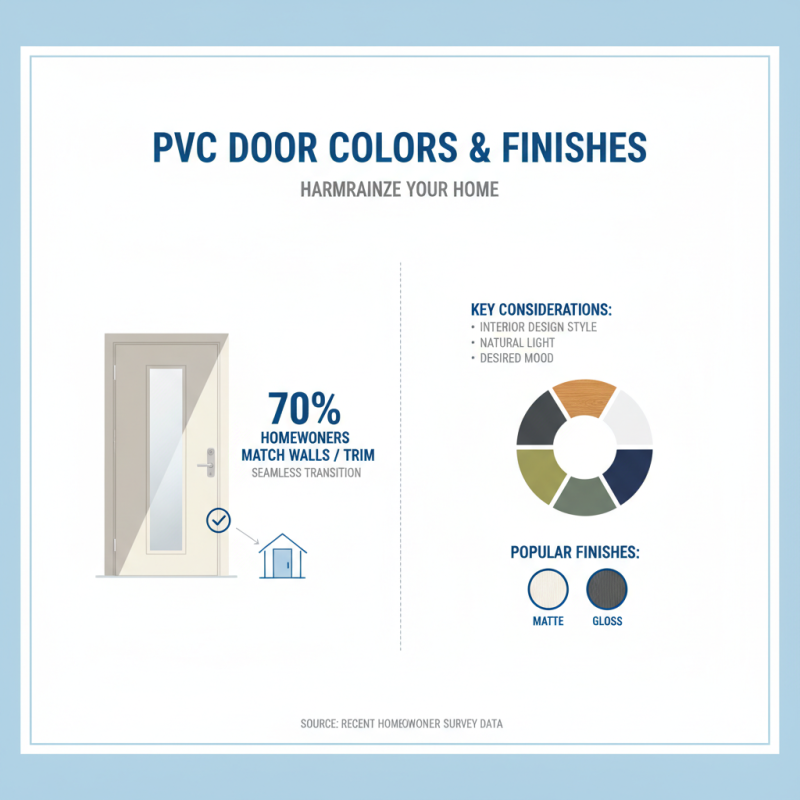
When selecting colors and finishes for PVC doors, it’s vital to align them with your interior design. The right color can enhance your space and create a cohesive look. According to recent data, 70% of homeowners choose door colors that match their walls or trim. This blend gives a seamless transition from the exterior to the interior.
Neutral tones remain popular. However, bold colors can make a statement. Bright blues or deep greens can serve as eye-catching focal points. Remember, though, that colors may appear differently under various lighting conditions. Testing samples in your home’s light can save you from making a regretted choice.
Finishes also play an essential role. Matte finishes can hide fingerprints better than glossy ones. They are often easier to clean, making them practical for busy households. Yet, glossy finishes can reflect light beautifully in well-lit rooms. This can accentuate the overall ambiance. Be prepared to weigh the pros and cons. It’s crucial to reflect on how color and finish choices align with your lifestyle and decor. While choices might seem overwhelming, taking the time to consider these options carefully will lead to a more satisfying result.