How to Choose the Best PVC Door for Your Home Needs?
Choosing the right PVC door for your home can feel overwhelming. With various styles and materials available, it’s crucial to make a well-informed decision. According to industry expert Mark Thompson, “A PVC door should blend functionality with aesthetics.” This highlights the importance of finding a door that serves your needs while complementing your home’s design.
Understanding your requirements is essential. PVC doors offer numerous advantages, such as durability and low maintenance. However, not all PVC doors are created equal. Some may appear sturdy but lack proper insulation, leading to energy loss. It's vital to assess their thermal efficiency before making a choice. Additionally, consider the door’s design and how it fits with your overall decor. A mismatch can detract from the beauty of your home.
Beyond practical aspects, your selection process may reveal preferences or priorities you hadn’t considered. Are you leaning toward modern looks or traditional styles? Engaging with samples can spark inspiration but also highlight gaps in what you initially envisioned. Reflecting on your choices will lead to a door that truly meets your home needs, ensuring both functionality and style in your living space.
Factors to Consider When Selecting PVC Doors for Your Home
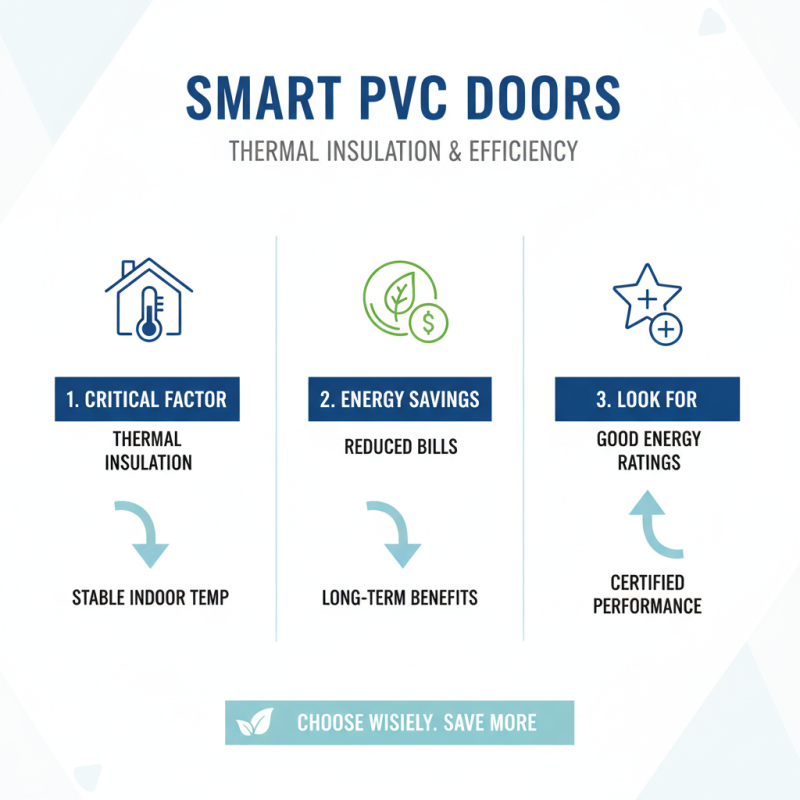
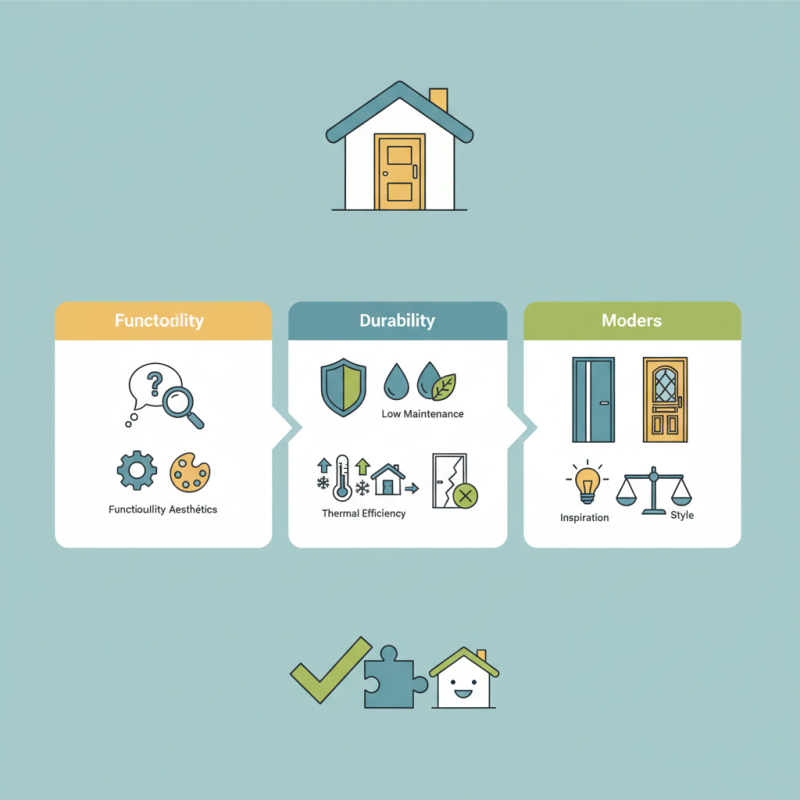
Choosing a PVC door for your home can be overwhelming. There are many factors to consider. One of the most critical aspects is the door's thermal insulation. A well-insulated door helps maintain the indoor temperature. It can reduce energy bills in the long run. Look for doors with good energy ratings.
Another vital factor is durability. PVC doors should withstand wear and tear. Pay attention to the frame's thickness and core material. This can impact how long the door lasts. Security features are equally important. Check for solid locking mechanisms. A weak door can be a security risk.
Aesthetics should not be ignored. The door should match your home’s style. Choose colors and finishes that complement your exterior. However, remember that trends change. What looks good now may not appeal later. It’s worth thinking about the long-term appeal. Lastly, always measure your door frame accurately. A poorly fitted door can lead to problems. A little mistake in measurement can cost you later.
Comparison of PVC Door Types: Solid vs. Hollow Core Options
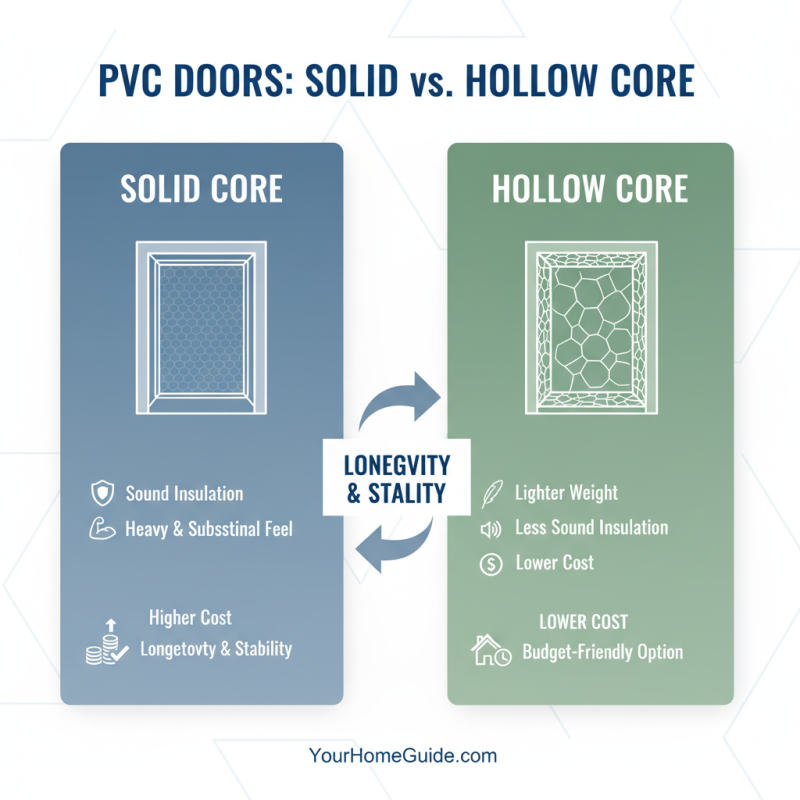
When selecting a PVC door for your home, consider the core type: solid or hollow. Solid core doors offer increased durability and better sound insulation. They feel heavier and more substantial. However, they can be more expensive. If you seek longevity and sturdiness, solid core might be your best choice.
Hollow core doors, on the other hand, are lighter and typically more affordable. They are easier to install and can be perfect for interior spaces. Yet, they may not withstand heavy impacts. Some users find them less secure. You should weigh these options carefully. Think about where you plan to use the door.
Both options have their pros and cons. Solid core doors enhance soundproofing, making them great for bedrooms. Hollow core doors might be good for less trafficked areas. However, they may not offer the same security level. Consider your needs and budget. Choosing the right door is a reflection of your priorities.
Energy Efficiency Ratings for PVC Doors and Their Impact on Utility Costs
When choosing PVC doors for your home, energy efficiency should be a priority. These doors feature insulation that reduces heating and cooling costs. However, not all PVC doors are created equal. Ratings can vary significantly based on materials and design. Pay attention to these ratings before making a decision.
Look for doors with high energy efficiency ratings. This can greatly impact your utility bills. A well-insulated door can keep your home warm during winter and cool in summer. A poorly rated door can lead to energy loss, increasing your costs over time.
Consider the overall design and fit. A door that doesn't seal properly will fail to provide insulation. Small gaps may seem minor, but they can lead to significant energy waste. This may affect your comfort levels as well. Think about both efficiency and aesthetics when making your choice. A perfect balance is essential for long-term satisfaction.
Energy Efficiency Ratings for PVC Doors
Durability and Maintenance Considerations for PVC Door Longevity
When selecting a PVC door, durability is key. A high-quality PVC door should be resistant to fading, warping, and cracking. This ensures that the door endures harsh weather conditions without compromising its structure. Choose a door with a solid core. It adds strength and longevity. Look for features that enhance its performance, like UV resistance.
Maintenance is another crucial aspect. PVC doors require minimal upkeep. A simple wipe with soapy water can keep them clean. However, dirt buildup can still occur. Regular inspections are wise. Check for any damage or opening edges. Make necessary repairs quickly to avoid further issues. Ignoring small problems might lead to costly fixes later.
Reflect on your home's specific needs. Consider the door's location and exposure to elements. This choice can impact longevity. Sometimes what looks good may not function well over time. Balance aesthetics with durability to ensure you make the right choice. Your decision today can affect your home for years to come.
How to Choose the Best PVC Door for Your Home Needs? - Durability and Maintenance Considerations for PVC Door Longevity
| Feature |
Description |
Maintenance Level |
Durability Rating (1-10) |
| Material Quality |
High-quality PVC resists warping and fading. |
Low |
9 |
| Weather Resistance |
Designed to withstand extreme temperature fluctuations. |
Medium |
8 |
| Energy Efficiency |
Insulating properties help reduce energy costs. |
Low |
10 |
| Security Features |
Multi-point locking systems provide enhanced security. |
Medium |
7 |
| Cost |
Affordable option compared to wood or metal doors. |
Low |
8 |
| Aesthetics |
Available in various styles and colors to complement homes. |
Low |
9 |
Aesthetics and Customization Options for PVC Doors in Home Design
When selecting a PVC door, aesthetics play a key role in enhancing your home’s design. PVC doors come in various colors and finishes. From classic whites to rich wood-like textures, the options are vast. This diversity allows homeowners to match doors with their existing decor effortlessly. With some doors resembling traditional wooden doors, you can enjoy the charm without the maintenance worries.
Customization options add another layer of appeal. Many manufacturers offer tailored designs, allowing you to choose specific dimensions and styles. For instance, you might prefer decorative glass inserts or unique paneling. However, this can also become overwhelming. It's crucial to reflect on what genuinely complements your home’s style versus what merely trends. Balancing personal preference with practical design can be challenging yet rewarding.
Remember, the right choice should align with your overall aesthetic vision but also consider functionality and durability.