How to Choose the Best Hardwood Doors for Your Home?
Choosing the right doors can elevate your home’s aesthetic and functionality. Hardwood doors are among the most popular options for homeowners. They not only provide durability but also exude elegance. However, selecting the best hardwood doors requires understanding the nuances of wood types, finishes, and styles.
Many people overlook the importance of grain patterns and colors in hardwood doors. These details can significantly impact your home's overall look. Choosing the wrong style or finish can lead to dissatisfaction. It’s essential to consider both your home's architecture and your personal taste. Talk to experts or visit showrooms to gain insights.
While hardwood doors are often seen as a luxury choice, they come with practical benefits. They can improve insulation and reduce noise. However, they also require maintenance and care. Weighing the pros and cons is crucial. Make informed choices to ensure your investment adds lasting value to your home.
Understanding Different Types of Hardwood for Doors
When choosing hardwood doors, it's essential to understand the different types of hardwood available. Oak, maple, and cherry are popular choices, each offering unique aesthetics and durability. Oak features prominent grain patterns, providing a classic look. Maple, on the other hand, boasts a smoother surface and natural light color, perfect for modern interiors. Cherry wood darkens over time, giving doors a rich patina, which adds character.
Consider the hardness of the wood. Oak is highly durable, while softer woods like pine may dent easily. This could affect long-term appeal and maintenance. Look for solid vs. engineered options. Solid doors provide better insulation but come at a higher cost. Engineered doors are more stable and less prone to warping.
Choosing the right finish also matters. Stains can enhance or change the wood’s appearance. Testing samples can be vital to see how light affects each finish. Reflection is key here; what looks good in-store may not suit your home’s atmosphere. Be prepared to invest time and energy to make an informed choice that you won’t regret later.
Comparison of Different Types of Hardwood for Doors
This chart illustrates the density of different types of hardwood commonly used for doors. Density can affect the durability and weight of the doors, influencing the choice for homeowners.
Evaluating Door Styles and Designs for Your Home Aesthetic
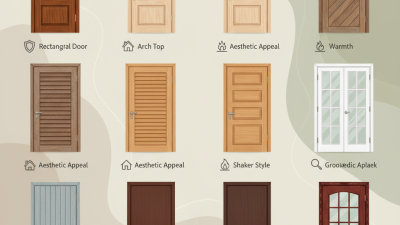
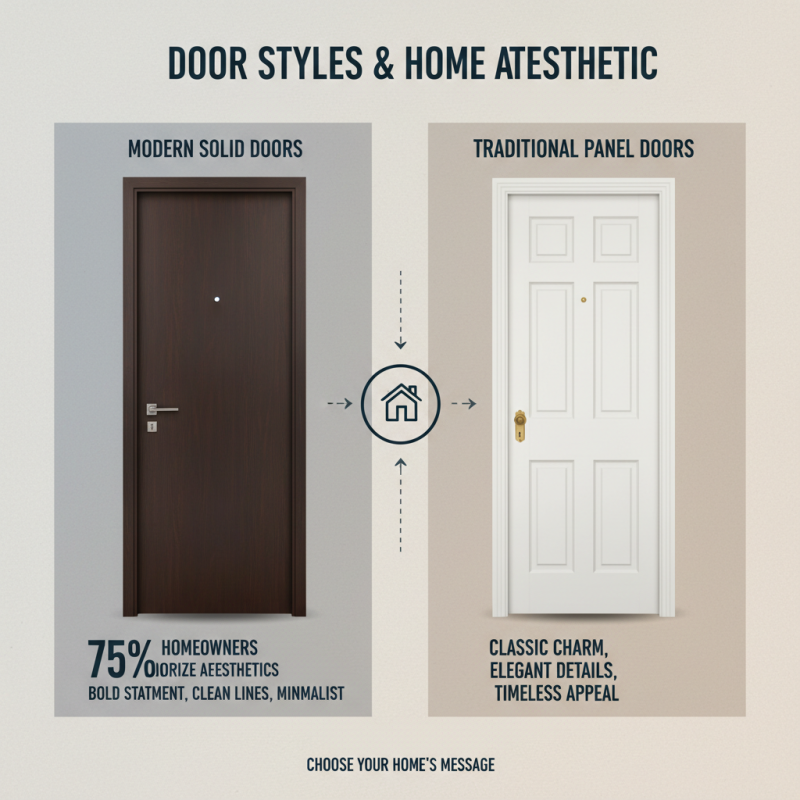
Choosing the right hardwood doors for your home involves understanding both style and design. The aesthetic of your space profoundly impacts your decision. Reports indicate that 75% of homeowners prioritize aesthetics when selecting doors. This emphasizes the importance of style. Consider modern solid doors for bold statements or traditional panel doors for classic charm. Each style communicates a different message about your home.
The finish of hardwood doors also plays a significant role in your home’s look. A glossy finish can suggest sophistication, while a matte finish conveys warmth. According to the National Wood Flooring Association, using rich, deep stains can enhance the beauty of wood grain. However, it’s essential to consider how light interacts with your chosen finish throughout the day.
Additionally, door proportions matter. A door that is too small can disrupt balance. Research shows that wider doors, typically 36 inches, can create a more inviting entryway. However, not all homes accommodate this size. Take time to reflect on how different styles and proportions fit your unique home aesthetic. Each choice carries its weight in your overall design narrative.
Assessing Durability and Maintenance Needs of Hardwood Doors
When selecting hardwood doors, understanding their durability and maintenance needs is crucial. Hardwoods, such as oak or maple, are known for their strength. They resist dents and scratches well, making them suitable for high-traffic areas. However, different hardwoods have varying resistance levels to moisture and temperature changes.
Regular maintenance keeps your doors looking new. A simple cleaning routine can prevent dirt buildup. Use a soft cloth with mild soap for wiping surfaces. For added protection, consider applying a wood conditioner every few months. This process enhances the wood's natural appearance and can prolong its life. You might wonder if applying a sealant is necessary. While it can add protection, it may also require periodic reapplication.
Pay attention to environmental factors. If you live in a humid area, doors can warp over time. Preventive measures are key in these situations. You might want to check for drafts or any gaps around the doorframe. Addressing these issues early can save you from costly repairs later. Lastly, always inspect your doors for signs of wear. Timely action can enhance their durability and avoid unforeseen hassles.
Considering Energy Efficiency and Insulation Properties
When selecting hardwood doors, energy efficiency and insulation properties are critical. Hardwood doors can significantly affect heating and cooling costs. Opt for solid wood rather than hollow-core options. Solid doors often provide superior insulation, which helps maintain your home’s temperature. This choice reduces energy consumption and contributes to a more comfortable living environment.
Proper sealing is equally important. Check for gaps around the door frame. Even a small gap can lead to significant heat loss. Weather stripping and proper installation can enhance insulation. Keep in mind that not all hardwood types offer the same thermal performance. Research and understand the insulation ratings for various woods. Some may not perform well under extreme temperatures, requiring additional scrutiny.
Incorporating energy-efficient doors might need an initial investment. However, the long-term savings can be substantial. Reflect on whether the aesthetic appeal justifies the cost of sub-par choices. Doors with better insulation pay off over time. While it’s tempting to go for trendy designs, ensure they align with your energy efficiency goals. Balancing style and function can lead to more thoughtful decisions.
How to Choose the Best Hardwood Doors for Your Home? - Considering Energy Efficiency and Insulation Properties
| Door Type |
Material |
Energy Efficiency Rating |
Insulation Value (R-Value) |
Average Cost ($) |
| Solid Oak Door |
Oak |
A |
5.5 |
800 |
| Maple Flush Door |
Maple |
B |
4.0 |
700 |
| Mahogany Panel Door |
Mahogany |
A+ |
6.0 |
1200 |
| Cherry Entry Door |
Cherry |
B+ |
4.5 |
900 |
| Birch Utility Door |
Birch |
C |
3.5 |
500 |
Budgeting for Hardwood Doors: Costs and Installation Factors
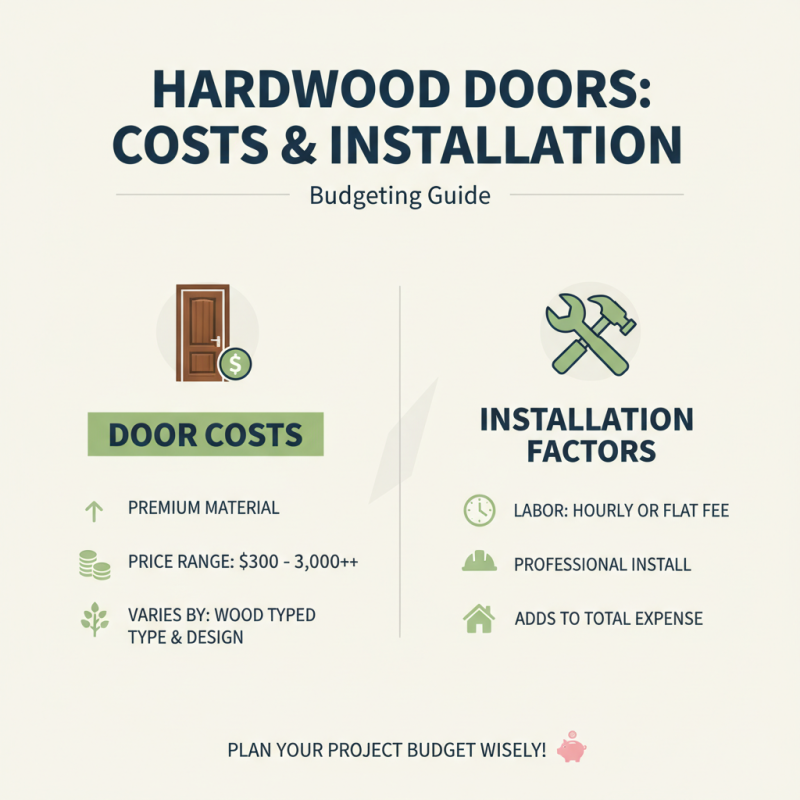
When budgeting for hardwood doors, consider the overall costs and installation factors. Hardwood doors are often more expensive than other materials. On average, prices can range from a few hundred to several thousand dollars. This range largely depends on the type of wood and the door's style. Installation costs can also vary widely. Professional installers may charge a flat rate or by the hour, adding to your total expenses.
It's essential to factor in additional costs beyond just the door itself. You'll need to consider hardware, finish, and potential adjustments to your frame. Choose a style that complements your home while staying within budget. Once you identify your priorities, you may realize compromises are necessary. For example, opting for a pre-hung door can save on both material and labor costs.
Installation can appear straightforward, but it often involves hidden challenges. Doors may require trimming for a perfect fit. Improper installation can lead to gaps or issues with sealing. Do thorough research or consult professionals to avoid costly mistakes. Investing in quality hardwood doors enhances your home's value. But, careful planning is crucial for a successful renovation.